Fell Locomotive Museum (Featherson, NZ)

Trains are often depicted as heroes.

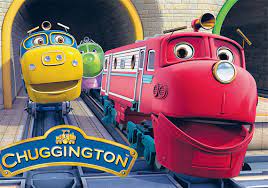
Thomas.
Chuggington.
Choo. Choo.

Nobody doesn’t love train rides. Anyone who claims otherwise is lying. When I was in college I knew a guy called “Chooch.” Trains are inherently interesting to everyone and for a good reason. The romance! The unparalleled ability to move stuff! The metaphor for determination!

The extraordinary specificity of the local museum!

Which brings us to Featherson and the Remutaka Range (this is the acknowledged spelling, although you will still see it spelled Rimutaka in places). Construction on the railway was authorized in 1871. The site for the Remutaka Incline had a gradient that was, in technical terms, “steep AF.”
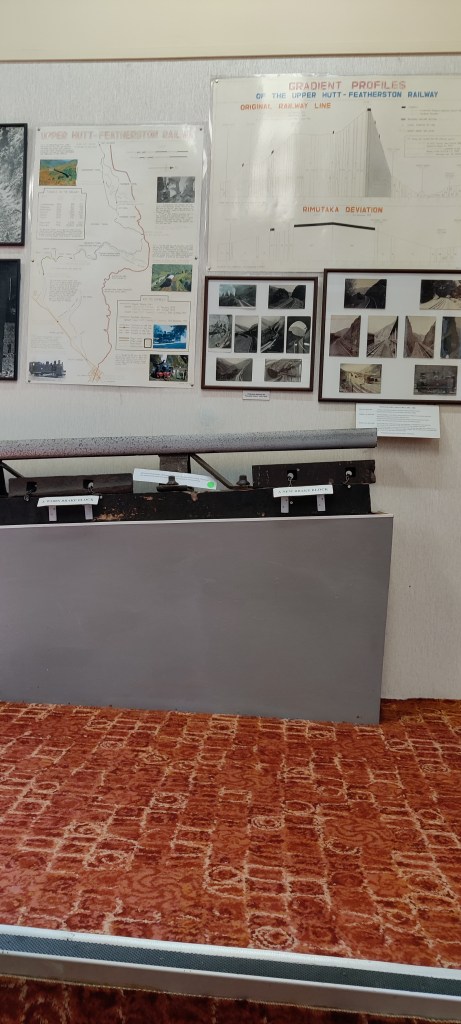
As seen here.

The system chosen to get trains up and over the incline was that of the Fell locomotive. It was arduous and slow but ran from 1877 to 1955. And the Fell Locomotive Museum is in possession of one of the six Fell locomotives that served the line, and now the only Fell locomotive in the world. It’s been restored enough to demonstrate its movements, which you can see here with the power of your imagination (I do have a video but I refuse to upgrade my WordPress account at this time).
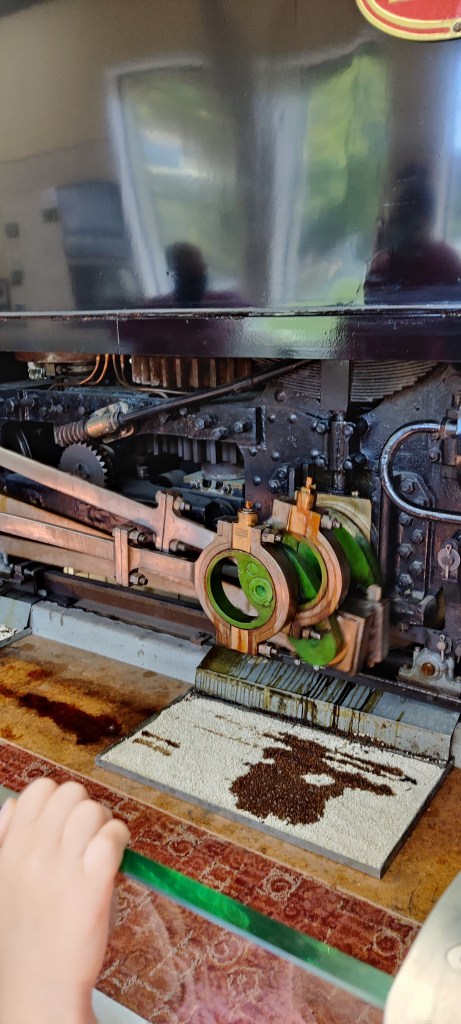
chugga chugga chugga chugga

The museum has been nicely funded, and the exhibits include a model of the railworkers’ settlement and film of the train and workers in action. Mr. Exhibitist felt the film was perhaps a rosy presentation of what was an extremely isolated lifestyle for the workers’ families, but it is very nicely done.

As long as you didn’t have any sort of urgent need because there was everything was a slow, arduous train ride away.

Various artifacts of the rail line (there is still a train running through Featherson, but not on the Incline–the Fell locomotives and the line they ran on were taken out of service when the tunnel was made), news coverage, and information about the operation of Fell locomotives are in the museum, and the very knowledgeable volunteer docent can tell you a lot about it. I absorbed roughly nothing of these facts, but I remember that these contraptions had to do with passing identification disks to and from the trains. I think.
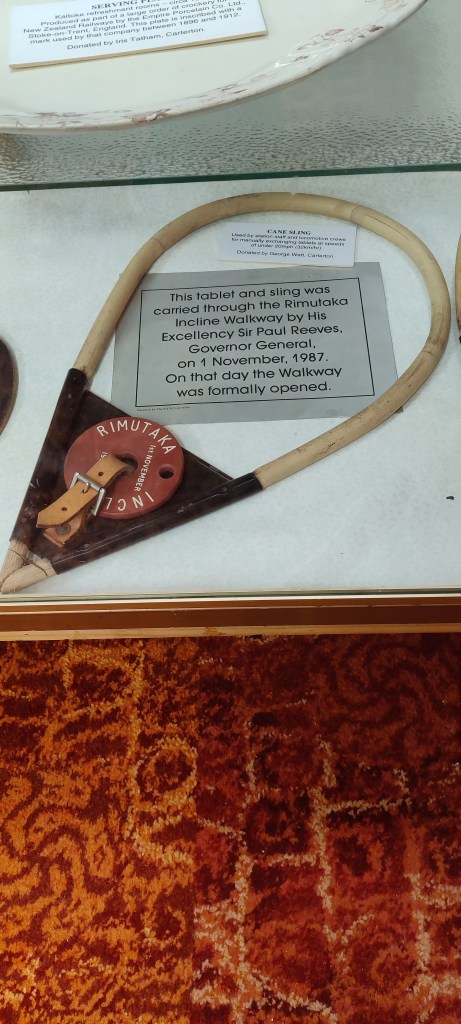
Probably if you zoom in you can find out

The centerpiece of the museum is obviously the locomotive itself, and you can get pretty up close with it.
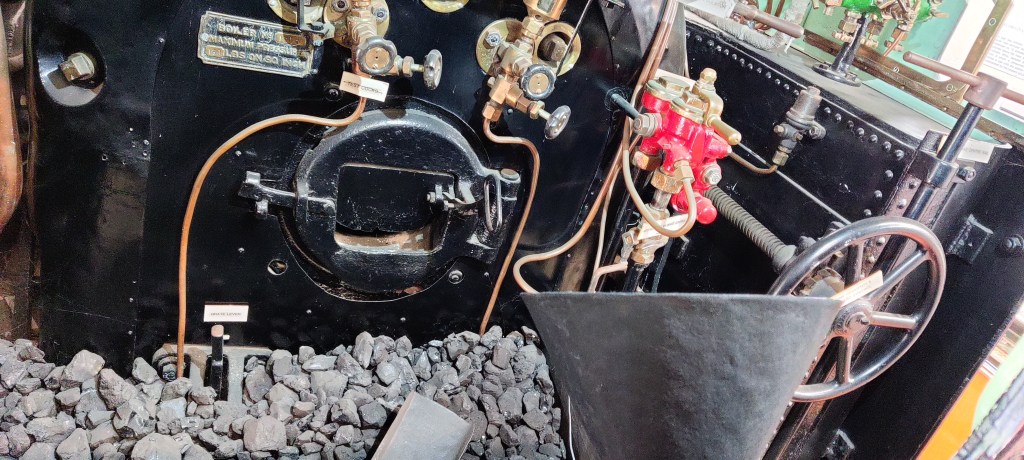
Shoveling coal probably sucked.

Anyway, the Fell Locomotive Museum is a nice way to kill some time in Featherson, which is itself a pleasant place to kill some time outside of Wellington. It’s also a Book town, with many small bookshops and literary events. Just a swell little town. Entry to the museum is $6 for adults, $2 for children over 5, and/or $13 for a family. There’s a little shop! I bought a tea towel.
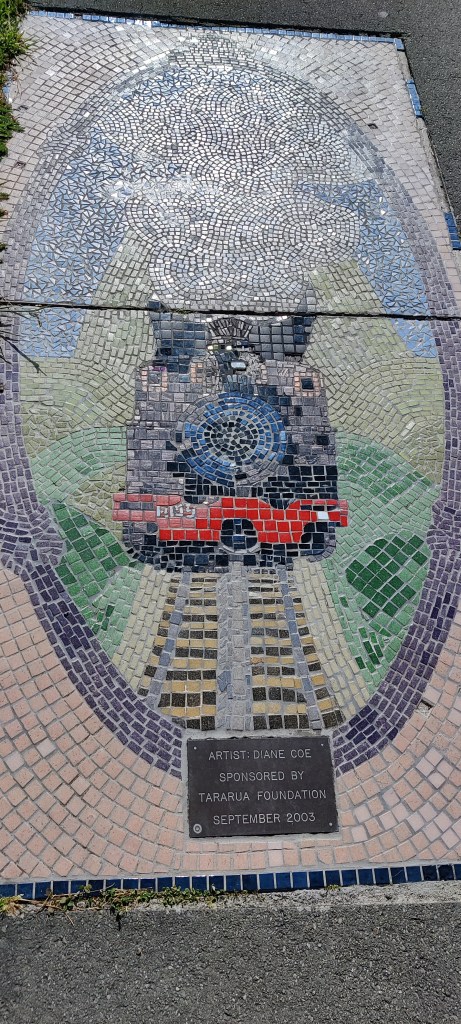
Not my tea towel; a sidewalk mosaic.

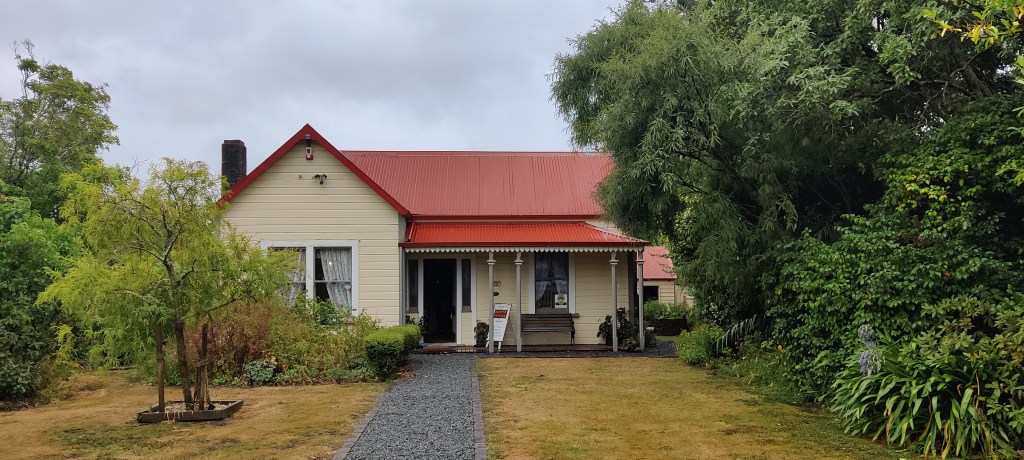
Golders Cottage (Upper Hutt, NZ)

Happy 2022! Yes? February still ok for new year wishes? Has any of us emotionally marked time in any meaningful way in the last two years? Probably not. Have I been visiting museums? Still not like I used to. But having covered the country’s castle last year, let’s look at a slightly more modest historic home, built in 1876, five years after Larnach Castle.

Far more successful as a family home than Larnach, frankly

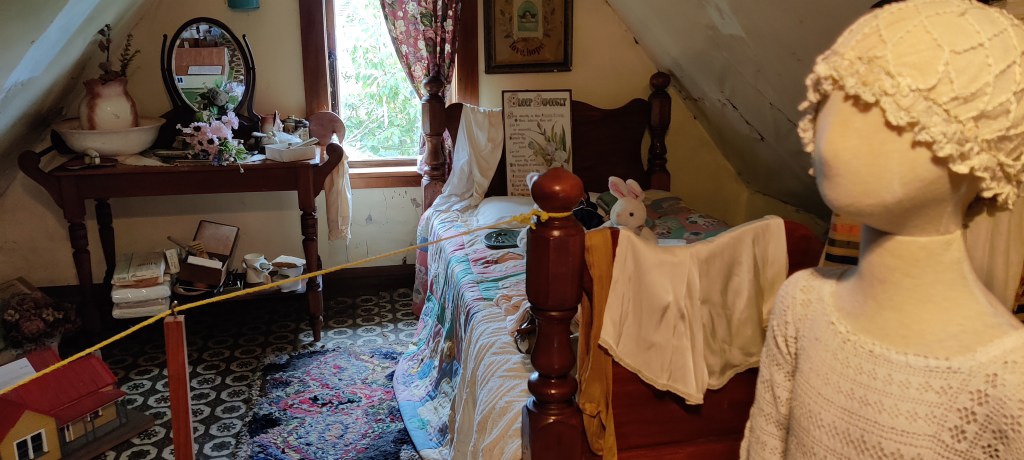
Golders Cottage was built by John Golder, the son of Scottish immigrants and a real DIY kind of guy. The house was occupied by the Golder family up until 1985. Several pieces of furniture and other items in the house were made by John and have spent their whole existence there, now keeping company with some other period displays donated by the community.

No Golder has ever needed an IKEA

John married Jane Martin the year after the cottage was built; they added 12 children and a few more rooms to it before John was killed in an accident in 1902. On our visit the guide asked, “Can you imagine 12 children in this house?” but frankly I cannot imagine 12 children. How do you think of names for them all. The original cottage was a bedroom and living/dining room downstairs with two small bedrooms upstairs, and the additions started in the 1880s, as it presumably got hard to breathe in there pretty quickly.

The eldest two children were moved to the upstairs rooms in 1889 and used them until their deaths in 1968.
Now I feel bad about throwing out my dried wedding flowers before moving to New Zealand

A kitchen and scullery were eventually added, but that was six kids in and Jane did the cooking over the fire in the living room up to then. John kept busy being a notable community person, but I can’t help thinking more about the monumental effort Jane had to make every day in a tiny space to keep the whole thing going, while being pregnant like, all the time.

Lots of stew.

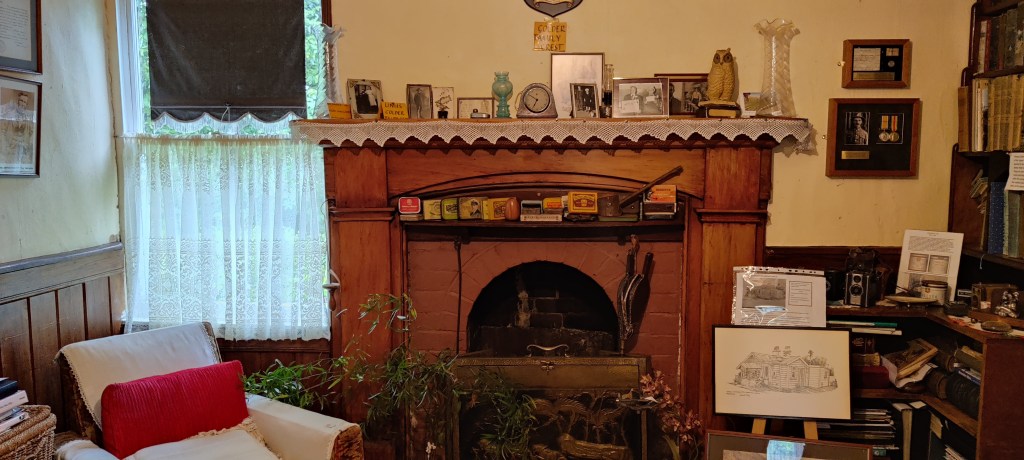
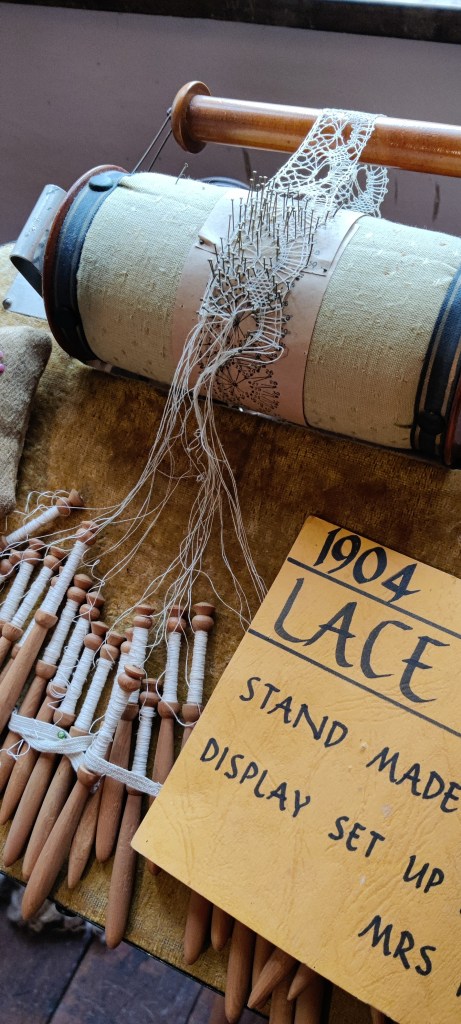
The cottage is full of objects (as noted, some original to the house) from the late 1800s and early 1900s, from textile-making stuff to cooking implements to clothing to toys to books. Perhaps you’ve never seen how lace is made by hand:

Short answer: witchcraft

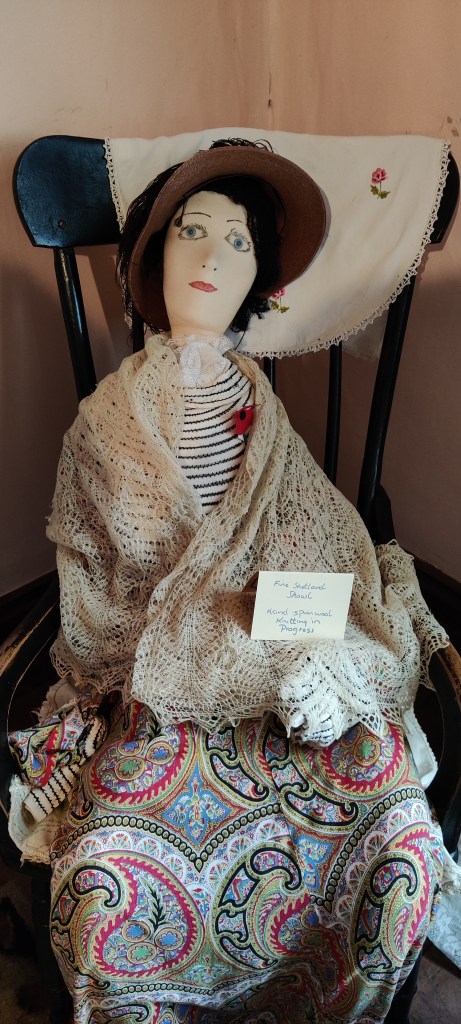
And I am, as always, pleased to report the presence of several unsettling human stand-ins, which I’ll never get tired of.

Knitted shawls please the guardians and keep them still

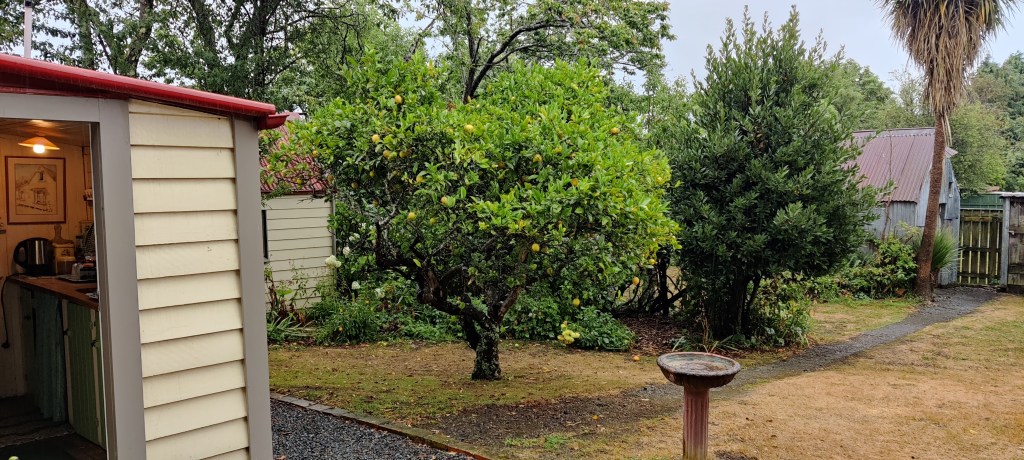
The garden of the cottage (which I definitely must put in a good word for because my own kid has started volunteering as a garden helper) still has a few very old specimens, such as this lemon tree, which is over 100 years old.

You will not age this well

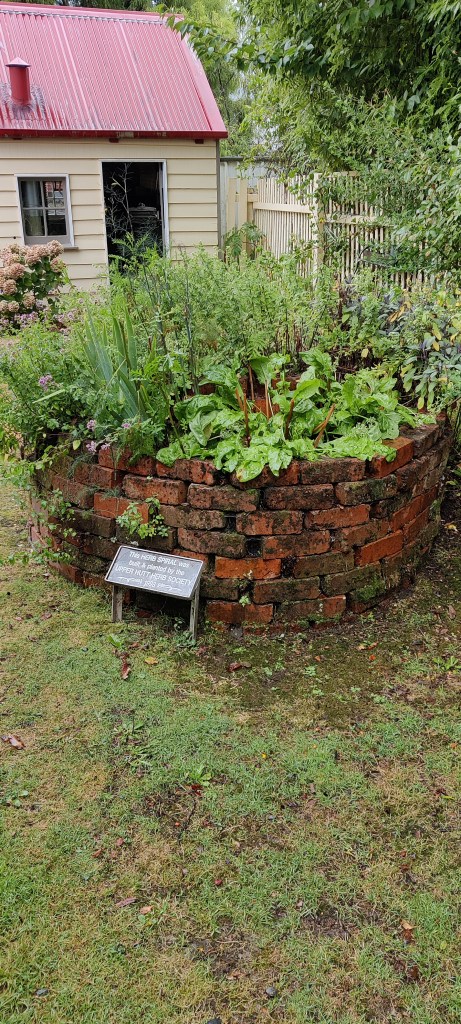
There’s also this really lovely herb spiral, put in in the 1990s, and I want one. It’s so cool.

FREAKIN’ COOL

Golders Cottage is a great example of a well and long lived-in period home and worth a visit. It’s open on Saturdays and public holidays from 1:30-4:00. I believe for adults the entry fee is $5 (bring cash or be ready to make a bank transfer). Check out their website for more information about the cottage and the Golder family.

The Edwin Fox Ship and Visitor Centre (Picton, NZ)

I think we can all agree that 2020-2021 have not been great years for museum-going motivation. Even here in the relatively normal New Zealand, I haven’t got much energy for museums or blogging. I do have a few to catch up with though, so I’m going to power through it. But one place you should not just power through is Picton, NZ, however strong the temptation might be to view it as big ol’ ferry lobby.

Picton is the South Island end of the Wellington-Picton ferry services across the Cook Straight, but you’d be missing something neat if you don’t build in a couple hours to visit the Edwin Fox before boarding your own hopefully far more seaworthy vessel.
Scale model. Do not attempt to board.
The Edwin Fox ship and Visitor Centre is the site of the remains of the Edwin Fox, built in 1853. According to the Centre’s website, the ship is the last surviving (it meets perhaps the most generous definition of “surviving” but as 168 years is a long time to hold anything together, I will grant it) wooden Crimean War troop transport and the last surviving Australian convict ship. It’s also the oldest merchant vessel and the oldest wooden NZ immigrant ship.

Let’s start with a look at ship life for the convicts being sent from Britain to Australia on the 1858 prison trip, starting with this sampling of offenders. Marvel at the consistency of sentencing in the 1850s. Ten years for stealing pants? Presumably they were awesome pants. Six years for stealing an ox? Damn those pants must have been frickin’ amazing.

I’m sure there’s a logical reason for a 17 year old to be sentenced to 14 years for sacrilege.

Prisoners spent most of their voyage below decks, which I’m sure was singularly unpleasant. The holding space could only be accessed through one very tiny door.

Duck

And in the great tradition of unsettling museum mannequins, here’s this guy’s tear- and/or sweat-streaked face.

Yikes

But the Edwin Fox had quite the life outside that one time it was a prison bus. In addition to the merchant activities, it was also the immigration bus:

It ended its functionality as a refrigeration and storage ship, having been stripped of the parts unnecessary for a floating cooler, until it was finally abandoned to the elements in 1950. Fifteen years later there was interest in preserving what was left of the Edwin Fox and it wound up in permanent dry dock in Picton. Artifacts found with the ship are on display in the visitor centre:

After strolling through the visitor centre, visitors then move to the outside-but-covered area that houses the ship itself. It’s kind of spooky!

I like to think of the beams as flying buttresses
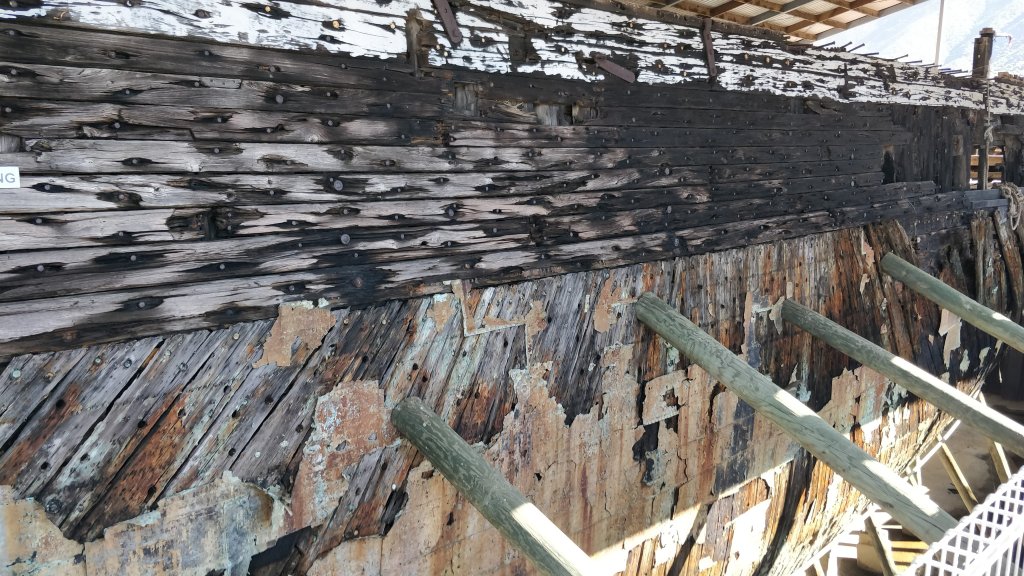
Inside the hull

The fun parts of the ship itself are the set ups that show what life was like on board. If you could avoid travelling steerage, I would recommend dodging it.

Mealtime spaces seem fine until you think about how many people were using them:

Like a perpetually damp picnic

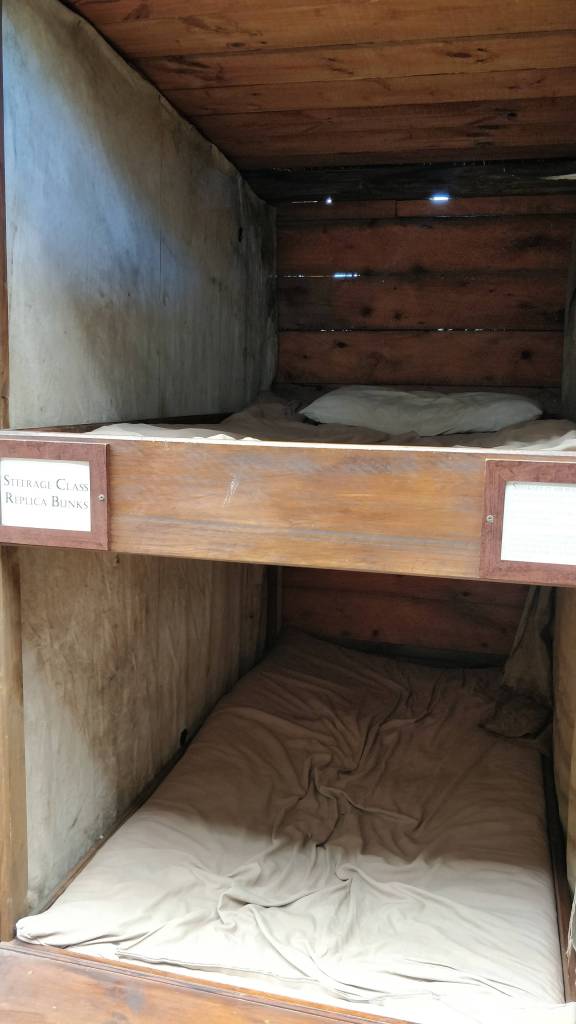
But it’s still preferable to the steerage “cabins,” which housed the whole family (up to six: two parents and four kids). The straw mattresses would be frequently dripped on from the deck above. It stunk, literally. The whole trip would take 12 to 14 weeks. And instead of running full tilt down the gangway and on to dry land to put the memory of your journey forever behind you, you actually dismantled the bunks and used the wood in your house.

Up to six people. Six. SIX.

Of course, the prisoner cells were just a bit worse.

Not shown: the actual barred doors.

Not all of the ship accommodation was so tight and gross. I can’t remember exactly but this might be the replica for the captain’s bunk (or maybe first class?):

Look at you with your fancy drawers, lah-dee-dah.

Finally, there’s a nice replica wheel and compass on deck, which look a little jarring next to the haunted, not-wholly-there deck itself.

Watch your step

Definitely check out the Edwin Fox and its visitor centre; it’s open every day but Christmas from 9 am. People 15 and up are $15 (the young are free). There’s a nice little swag shop, and they give little kids a free activity booklet.

Wellington Museum [Wellington, NZ]

Do you know what is generally incomparably delightful? A well-done city museum.

I know of what I speak.

We saw it in the wonderful Manaus museum in Brazil, and we see it again in the Wellington Museum. During my visit, I carefully selected my photo choices, ending up with a discerningly curated 50 or so. I, uh, will not be using all of them.

In the late 1800s, the museum’s building was the Bond Store, a warehouse for bonded cargo. I do have a video of the little holographic rat that runs around the storage room display, but WordPress issues require a workaround to post it and I’m not prepared to put that energy into it today. Use your imagination.

The first floor, Telling Tales, recounts the history of Wellington in the 20th century in vignettes and related artifacts.

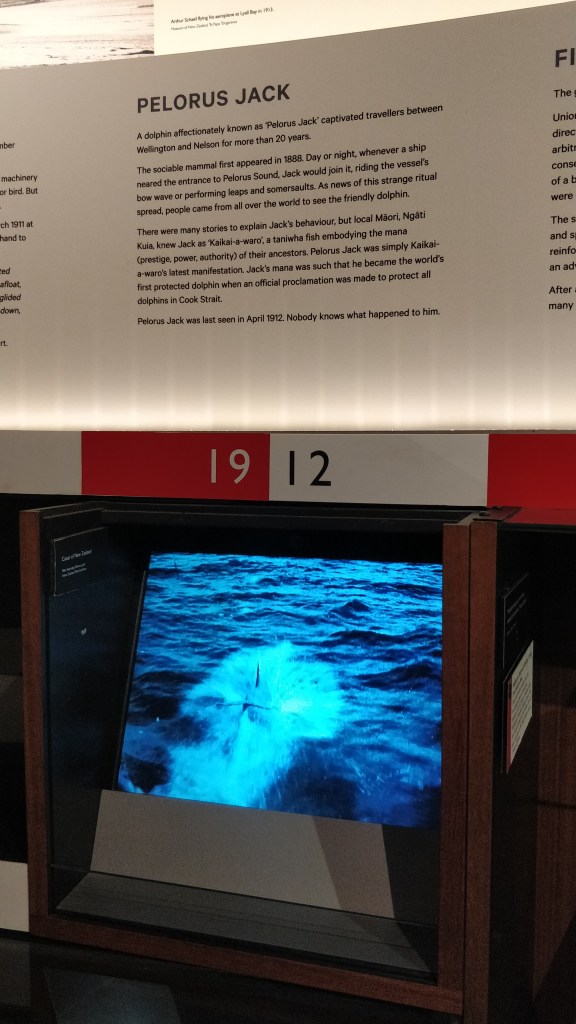
Having just crossed the Cook Straight myself, I can confirm there was no sign of Pelorus Jack.

The little displays cover things like establishing libraries, local lawmaking, and social issues–including the banishment of a Chinese immigrant diagnosed with leprosy to a tiny island in Wellington Harbour in 1903, where he lived in a cave until his death the following year. His food was delivered by boat or by flying fox, and whether that was a zipline or actual giant bat is not clarified.

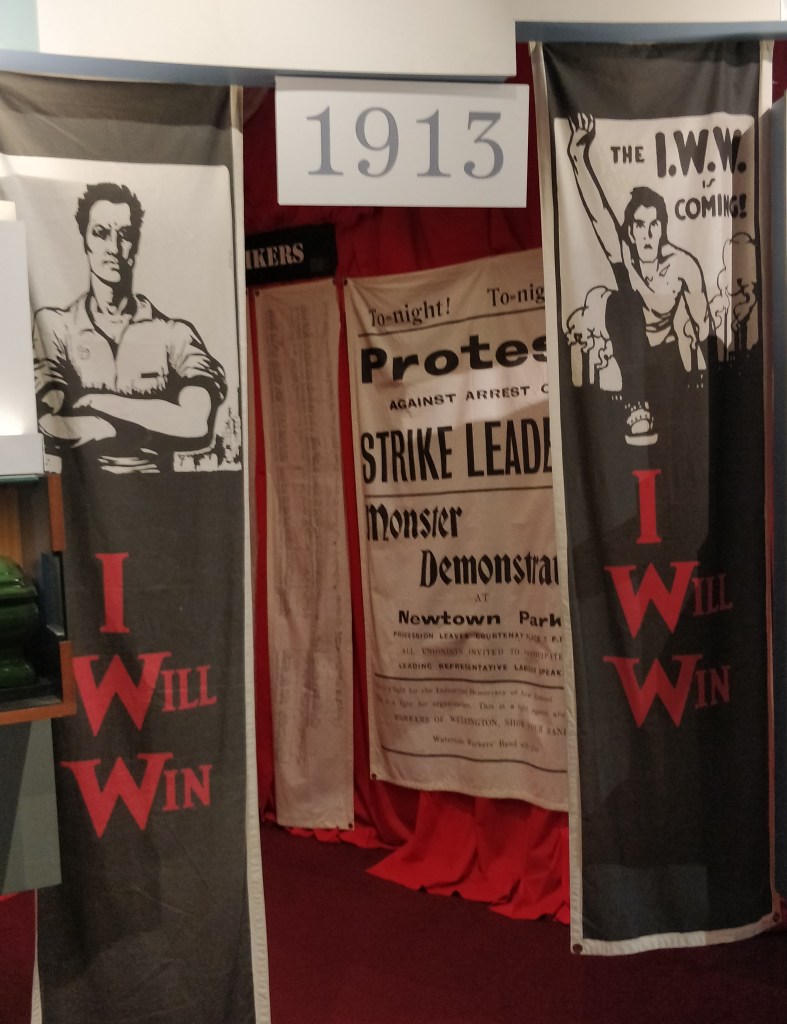
Time for labour rights struggles!

The general strike that year–following a broken miners’ strike the year before–nearly led to civil war, according to the display, with the striking workers ultimately on the beaten end of street brawls with the better-armed cops. The strike lasted a week.

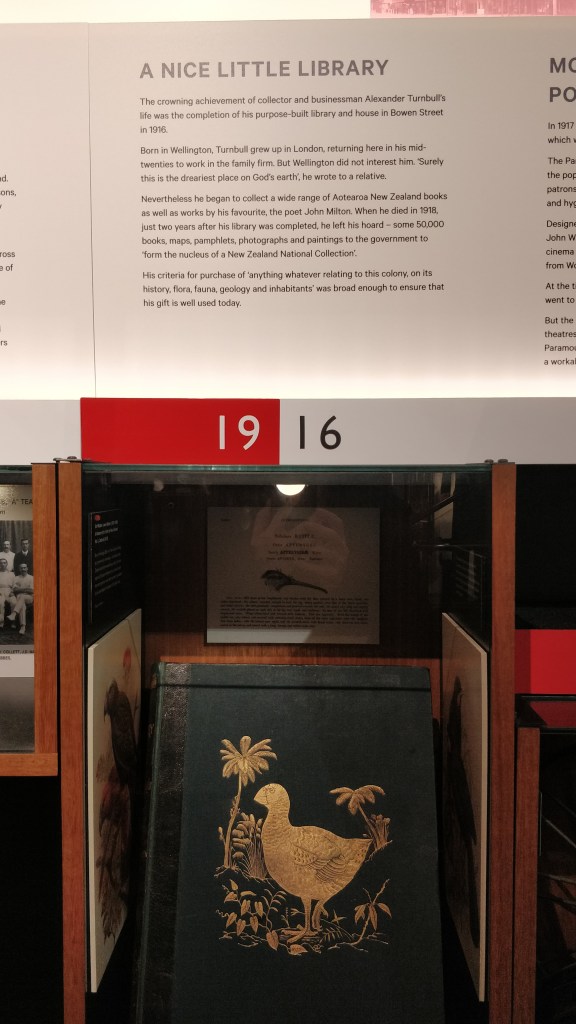
The Turnbull Library is now a division of the National Library.

During World War II, the country had its own internment location on Matiu/Somes Island in the city’s harbour. Some internees were out-and-loud Nazi sympathizers. Some were just people with German names. The island’s prisoner population ended up including Jews, Pacific Islanders, Italians, Japanese, and actual Nazis all together. Shockingly, this led to some “tension and strife.”

Some prisoner art from the island internment camp.

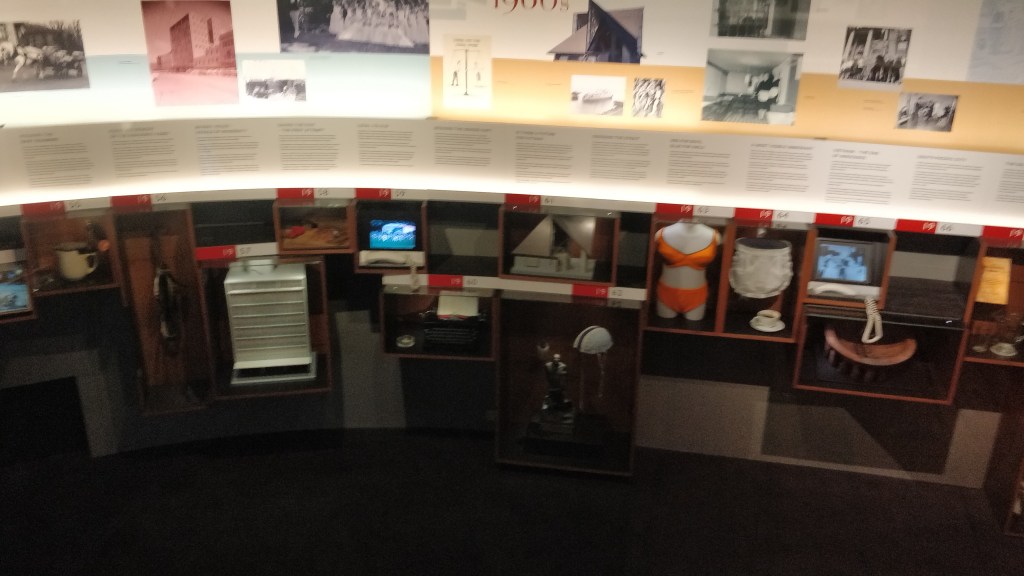
And so on, around the room to the present day, as this blurry-ass photo somewhat illustrates.

Squinting won’t help.

That’s most of the ground floor. Next floor is devoted to the maritime history of Wellington.

Throughout, the museum has little interactive elements and multimedia displays, which of course I appreciate, and which I thought I’d mention here because I hadn’t yet, even though it doesn’t have anything to do with the photos.

“By the Sea We Live”

Part of the floor is devoted to the sinking of the Wahine ferry in the Wellington Harbour (Cook Straight has seen many shipwrecks) in 1968. Two storms–Cyclone Giselle moving south and another moving north from Antarctica–merged over Wellington as the ferry came out of the straight, in just about the worst possible case scenario. Fifty-three of the 734 people on board died.

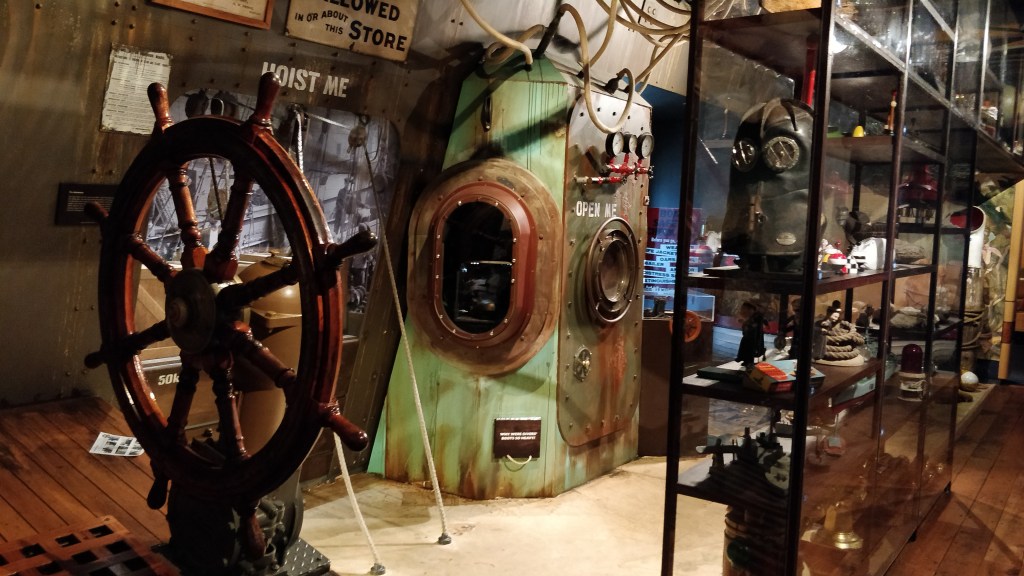
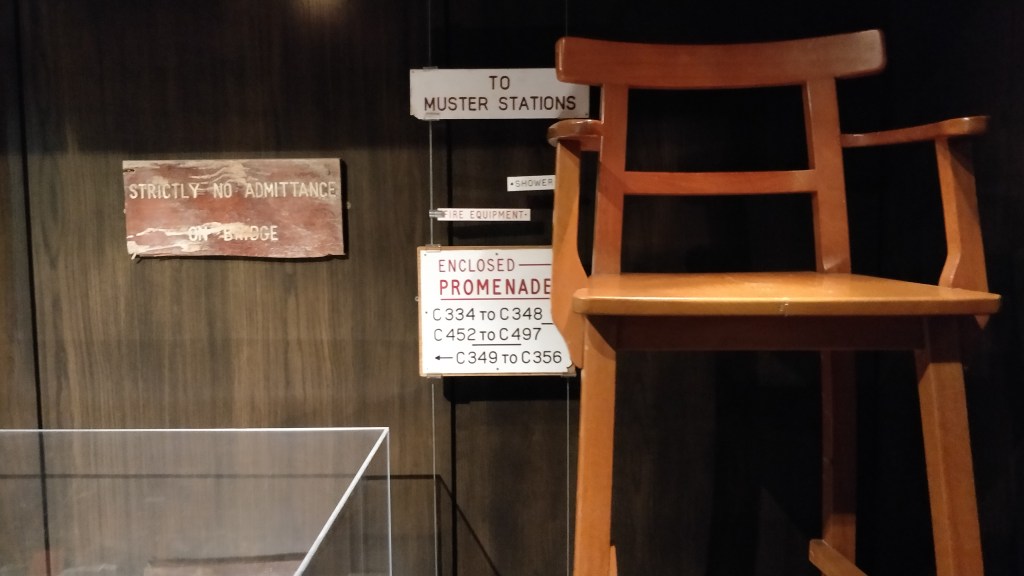
Several items from the ship are on display.

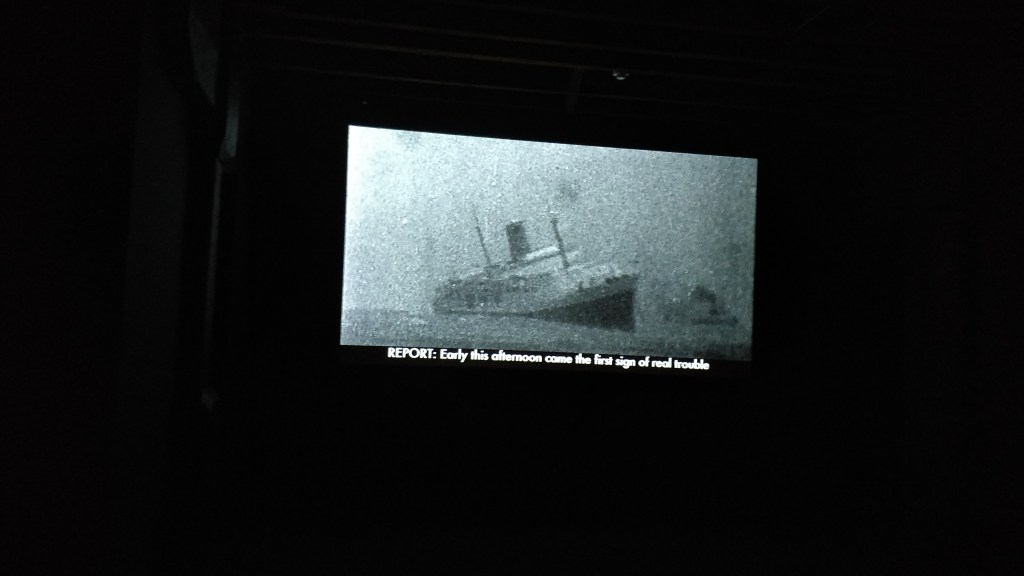
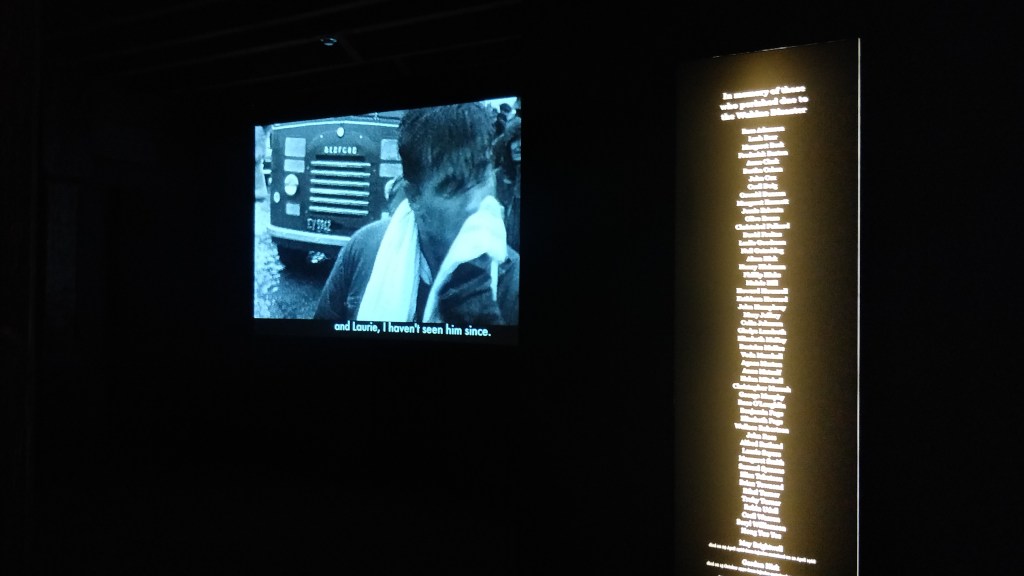
A short film is shown in the Wahine area.

This man recounts how his friend and he each grabbed a child before going overboard. He lost his grip on the child and couldn’t locate his friend after he reached land. The friend’s name is on the victims list to the right.

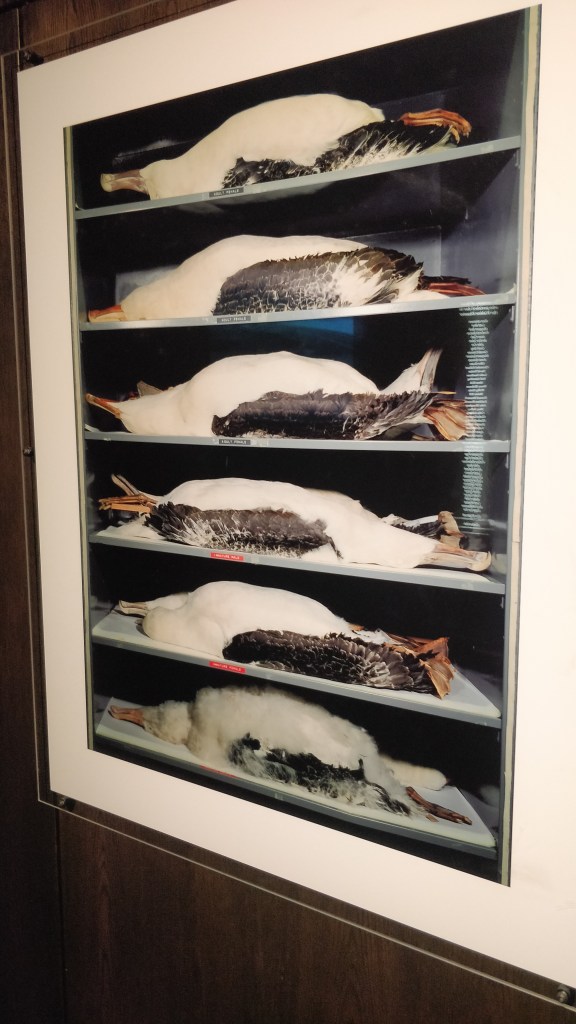
The storm was truly a disaster; it also killed nearly 200 albatrosses in the Wellington area–birds that do not readily succumb to harsh sea conditions.

It’s the nature of history-focused museums to have some pretty emotionally difficult sections to them, and hopefully the physical space of the building is used to help ease the visitor back into the collections. In this case, the Wahine disaster is at the end furthest from the staircase, and so you do have the walk back to it to decompress a bit before ascending to the next floor.

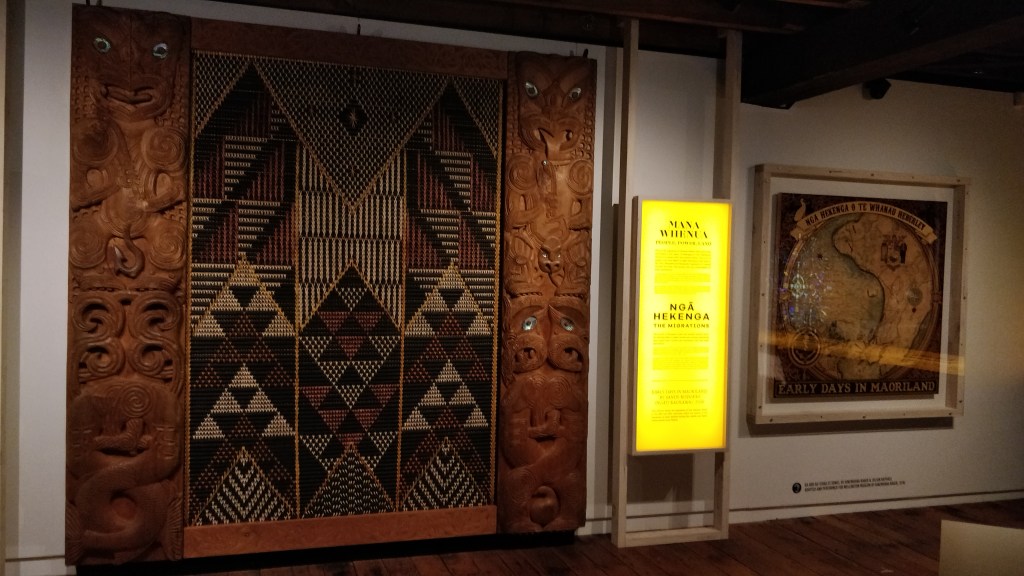
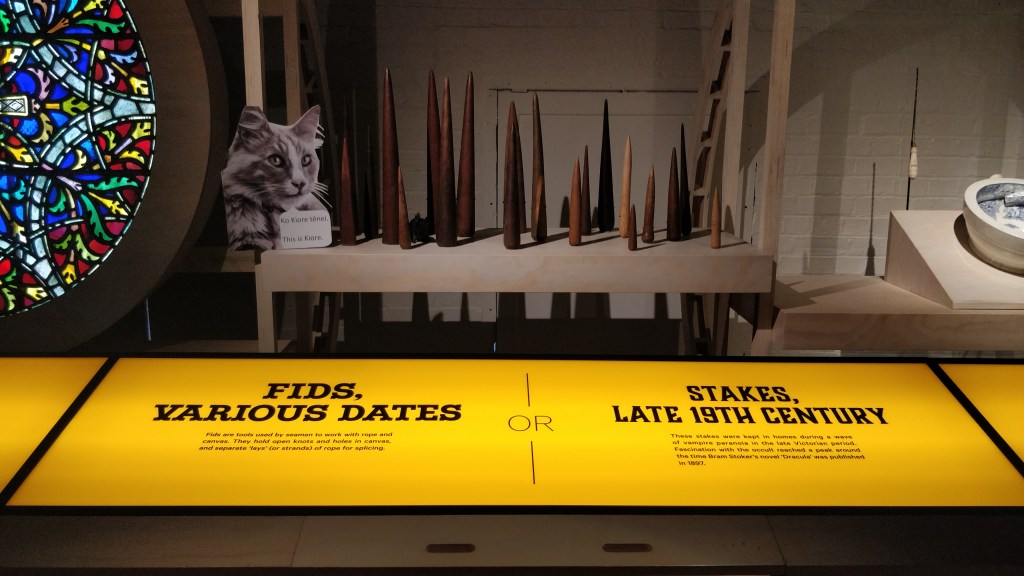
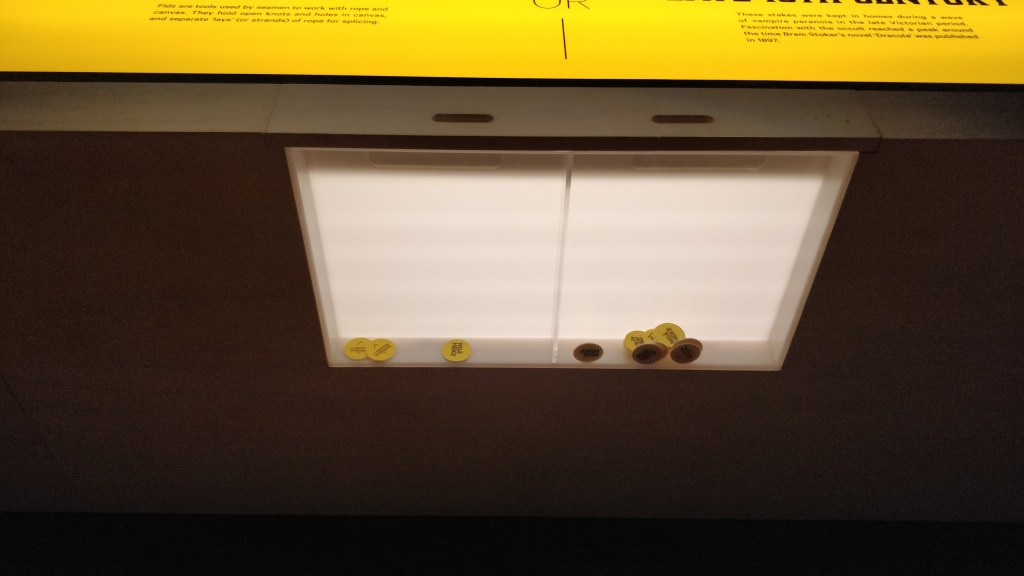
The Ngā Heke floor houses a beautiful work of Māori art, Te Whanganui a Tara, and other works of contemporary Māori artists, and it also presents objects with imaginary histories “as a way to think about what history is and whose voice tells it.” Visitors can take tokens to choose which story they prefer for the objects.

Don’t mind the cat there; he had his own exhibit and appeared throughout the museum. More on him later.
Choose your own history with the tokens.

There was a Māori stories exhibit on this floor that was closed for a booked group when I was there, so I look forward to returning to see that.

Instead of making this just crazy long, I am going to Tiny Tour the Attic, which definitely has its own vibe, as well as the temporary exhibit on Mittens, noted Wellington cat. In the meantime, you can find the Wellington Museum on the city’s waterfront, being generally awesome from 10am to 5pm, seven days a week. Entry is free, so hit that amazing gift shop on the way out.