The Cemetery Series: Cementerio de la Recoleta

God, you know what sucks? Knowing that you’ve been to a place a gajillion times and you definitely took a bunch of photos, but this was years ago and somehow, you can’t find any of them.
And last time I was in Buenos Aires I had other priorities

So I’m going to cobble together a post with what I can scrounge up and some royalty-free photos taken by actual photographers. At least the lighting will be good.

Recoleta Cemetery is renowned the world over, packed with mausoleums for Argentina’s wealthy and notable. It opened as the city’s first public cemetery in 1822, after the disbanding of the Franciscan order that settled there roughly 100 years before. Occupying 14 acres of some of the ritziest real estate in Buenos Aires, smack dab in the middle of the Recoleta neighborhood, the cemetery is a perennial stop for tourists and taphophiles alike–so much so that it is the first of three examples in the Wikipedia article on tombstone tourism (and yes, I have been to all three).
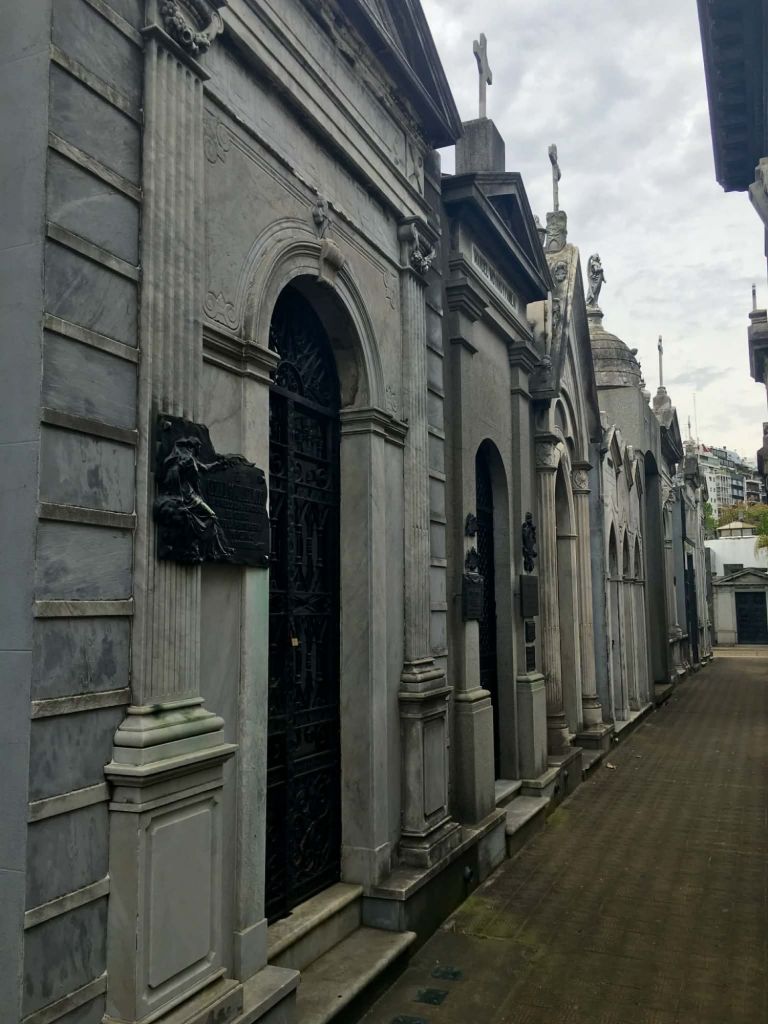
The side streets are quieter; you definitely don’t want to buy on the main drag.   (Photo by my amazing sister-in-law.)

There is no lack of tour guides available at the gates, so even if you turn up without one you can probably still hire one on the spot. Alternatively, there’s an app.

It is very brown, but also free.

At the time of this writing, the audio is only available in Spanish, but the text guide is in Spanish, French and English, sort of. You can choose a route that highlights authors, scientists, presidents, or “our selection,” which includes a few from the other routes plus other notable tombs.

But nevermind the Great and Good and Total Bastards–let’s talk about the ones I wanna talk about.
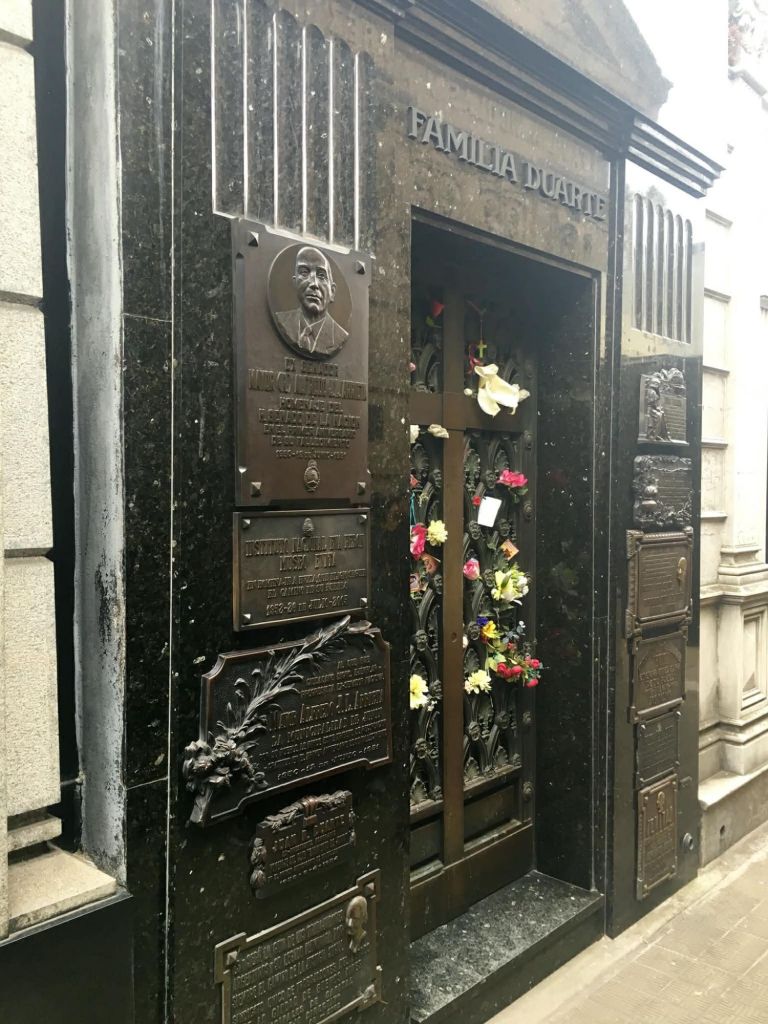
Yes Eva Perón is buried here in herfathersfamilycryptseemsweirdtomegivenherfamilyhistoryyestherearealwaysflowersandvisitorsandtourgroupsanywaymovingooooooon

Liliana Crociati de Szaszak was killed in an avalanche in Europe while on honeymoon, aged 26. She’s depicted in her wedding dress outside her Neo-Gothic tomb.
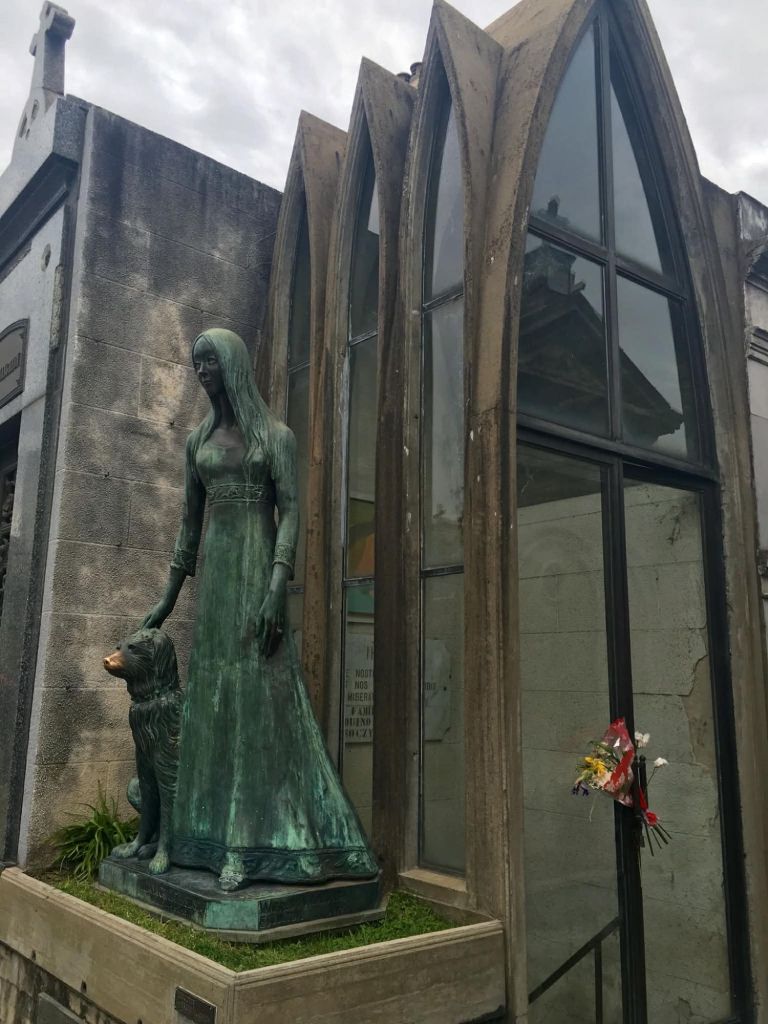
After her dog, Sabú, died, his sculpture was made and placed next to her. Visitors rub his nose, hence the shine. (Photo by my excellent sister-in-law.)

As we all know, young women make the best ghost stories and while I don’t know of any specifically linked to Liliana, 19-year-old Rufina Cambacérès is said to haunt the place.
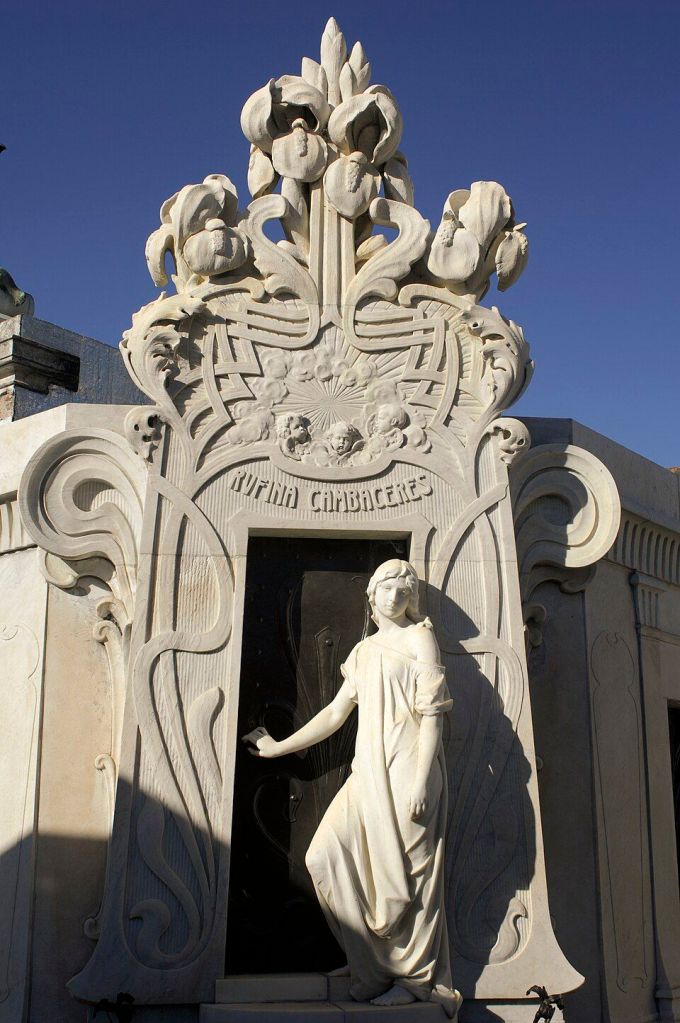
And frankly, not without cause. 
(Photo by Andrew Shiva, who is not my sister-in-law but I’m sure is cool.)

The story goes that Rufina collapsed and was pronounced dead, only to–you guessed it–not actually be dead. After discovering the displaced coffin (or investigating after hearing noises the previous night, depends on the version you hear), she was found having died, for real this time, in a panic after frantically clawing at the coffin lid.
The face you make when your mom cannot just give it a minute before interring you.

General Tomás Guido, national hero and bestie of José de San Martín, took part in San Martin’s grueling campaign, the Crossing of the Andes, during the wars of independence. He wanted to be buried under those mountains where so many had died, and in the great tradition of loopholes, his son had stones from the Andes brought to Buenos Aires and built the tomb himself.
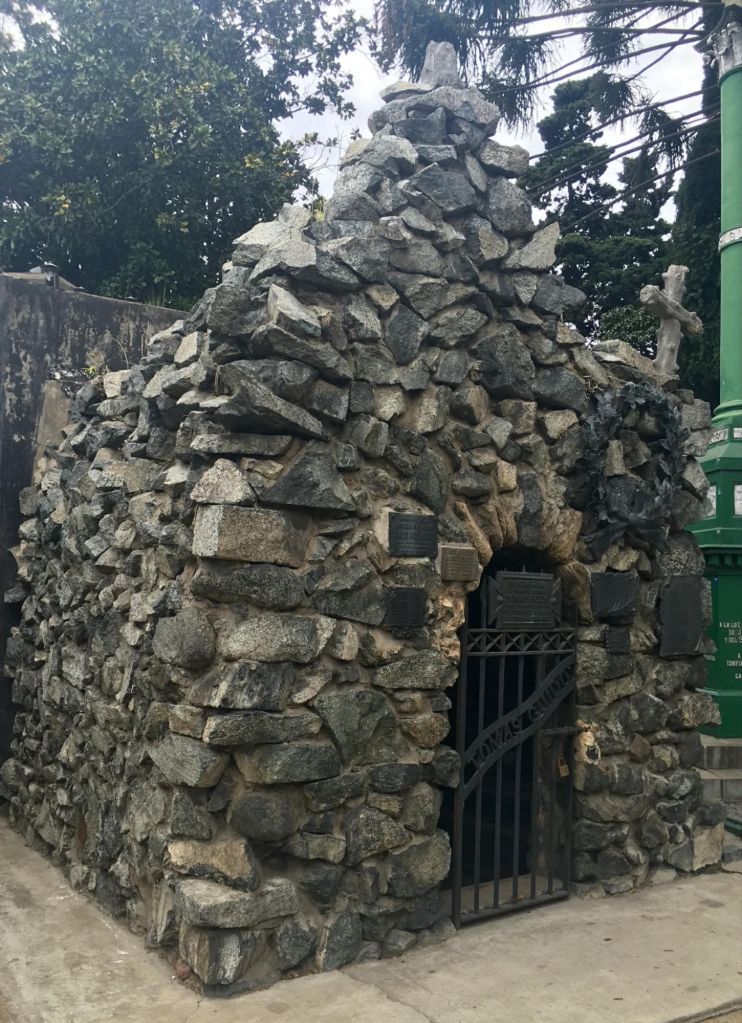
“See you’re technically under the Andes, Dad.”

Annoying technicalities aside, it’s a unique tomb, sharply contrasting with its neighbors. Also, Guido is no longer there. But he still isn’t under the Andes! He was relocated to the Cathedral of Buenos Aires next to San Martín, because who doesn’t want to be buried with their boss.

Speaking of work-adjacent entombment, cemetery caretaker David Alleno saved up for years for his own statue and burial. He supposedly killed himself upon the vault’s completion. His statue depicts him with his keys, duster, broom and watering can.
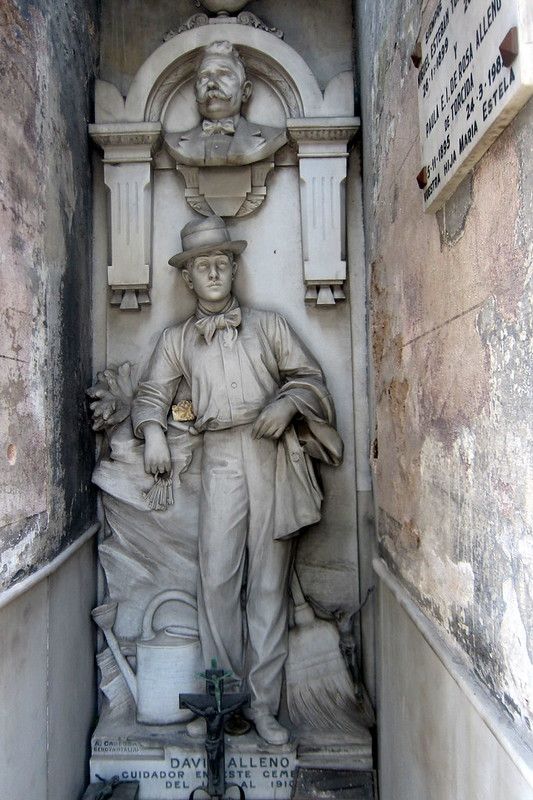
Sure, why not.  (Photo by Wally Gobetz.)

The story is tantalizingly incomplete. It seems like the purchaser of the crypt was his brother, Juan, and I don’t know why one brother would be wealthy enough to buy a family vault in the exclusive cemetery while the other is just a caretaker there. There’s a death certificate that cites “trauma and cerebral contusion” as the cause of death with apparently no follow up available. It’s said that his keys can be heard clinking at night or dawn, so perhaps David himself also feels his story is unresolved.
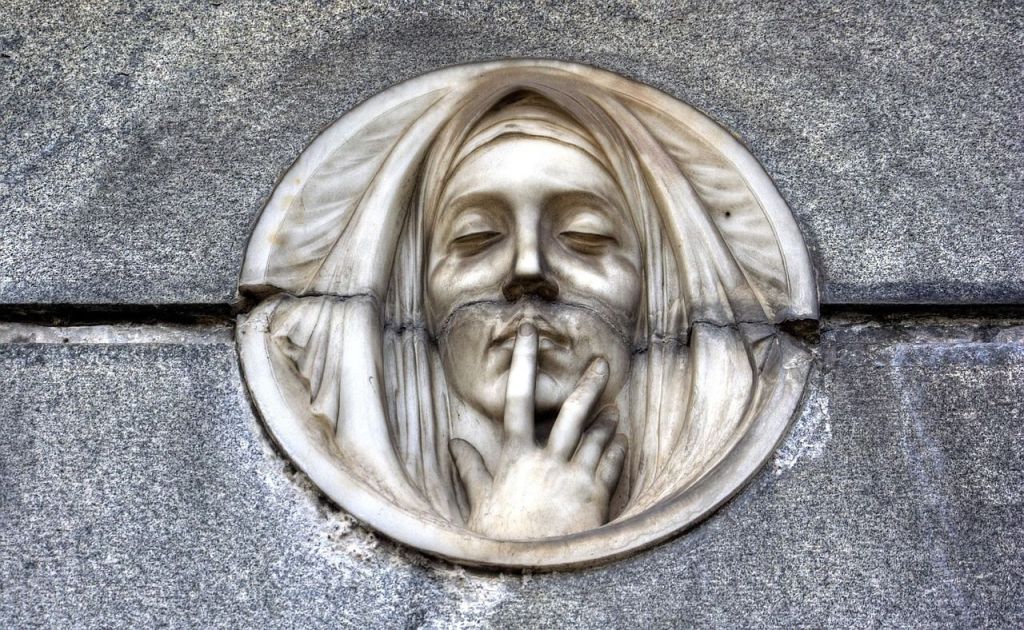
Maybe the Avelino Quijano vault just wants him to keep it down

Of course, there are some massive family crypts, the kind you can commission when you own half of Argentina.
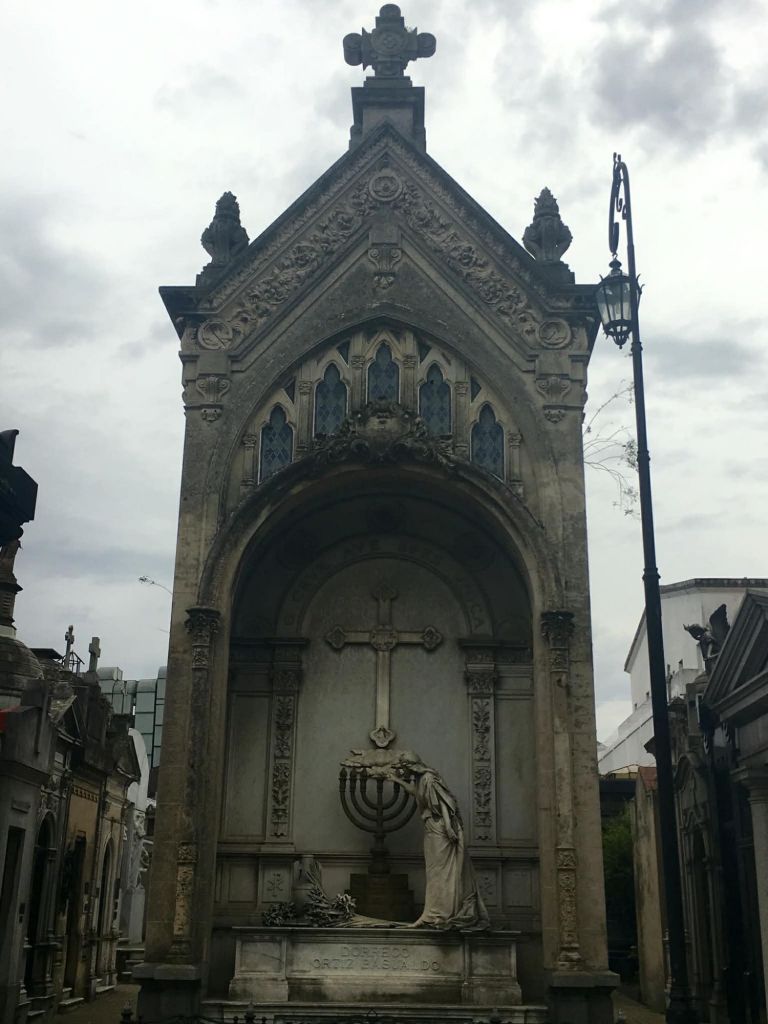
Probably not hyperbole.    (Fantastic sister-in-law strikes again.)

The Dorrego-Ortiz Basualdo family died as they lived: flexing on the rest of the neighborhood. One of the former family residences is the current French embassy.

Then there is the mausoleum of Justa Lima de Atucha, who as far as I can tell had it built after her husband died and labeled it “Justa Lima de Atucha to her husband.”
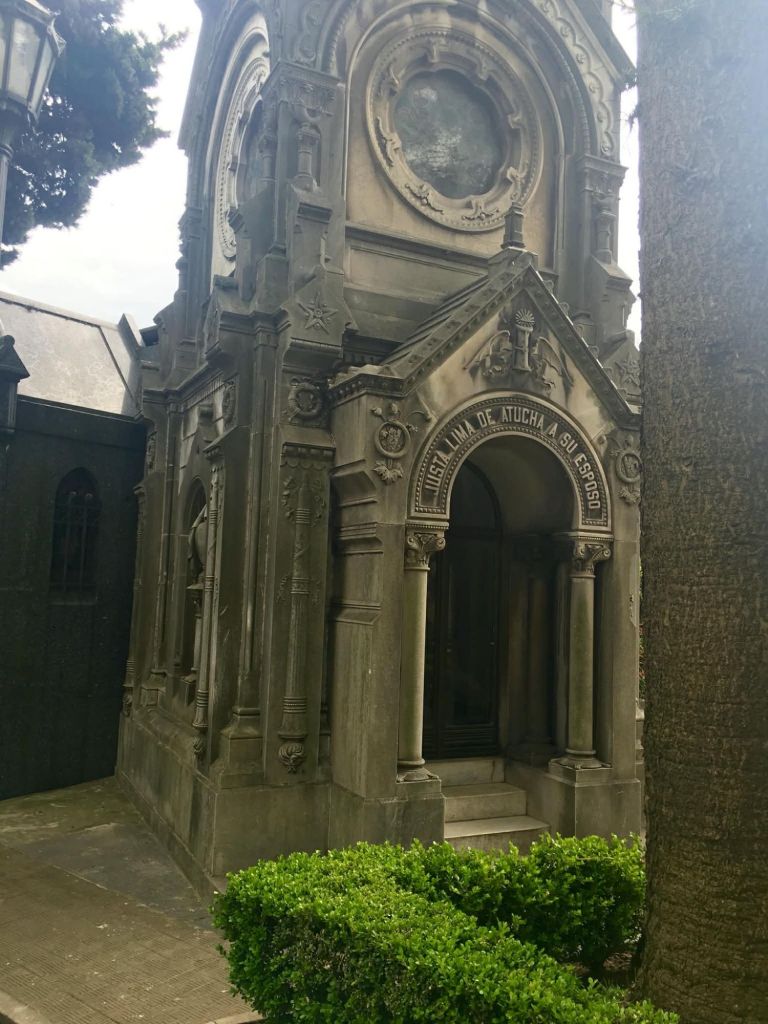
(Sister-in-laaaaaaaaw.)

Despite the opulence of most of the vaults, there are many that are now neglected and broken, and in this way the cemetery mirrors the city itself. I have no photos of those, however, so you’ll have to go hunt them out yourself. Or Google it I guess.

Finally, there is another big draw at Recoleta, unmatched in dignity, presence, and grace.
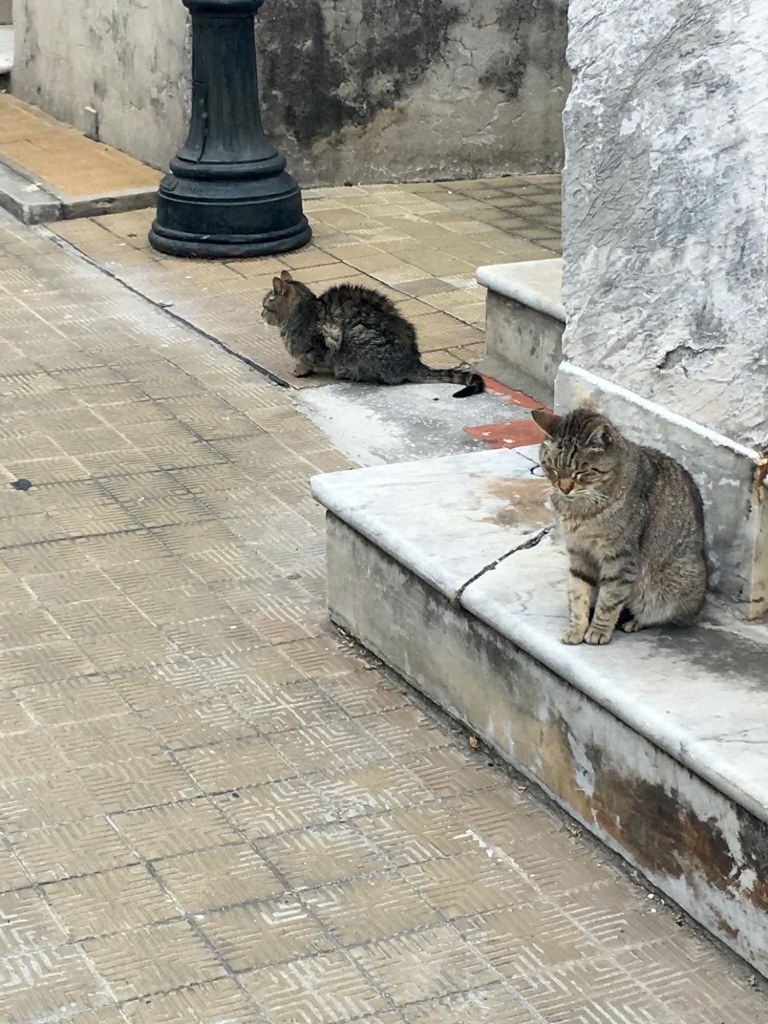
Do. Not. Touch.

There are only six cats left in Recoleta Cemetery, and they are meant to be the last. If you happen to spot one during your visit, consider yourself fortunate. I don’t know how they’re going to keep the ghosts in line after that; presumably the final six felines will deign to haunt the place as well.

El Cementerio de la Recoleta is at Junín 1760 in, yes, the Recoleta neighborhood. It’s next to a mall, a large park that hosts a huge weekend feria, an absolute unit of a gomero tree, museums, hotels, that big flower sculpture and innumerable public transportation stops. It’s open daily from 9 to 5. You will not miss it unless you try.
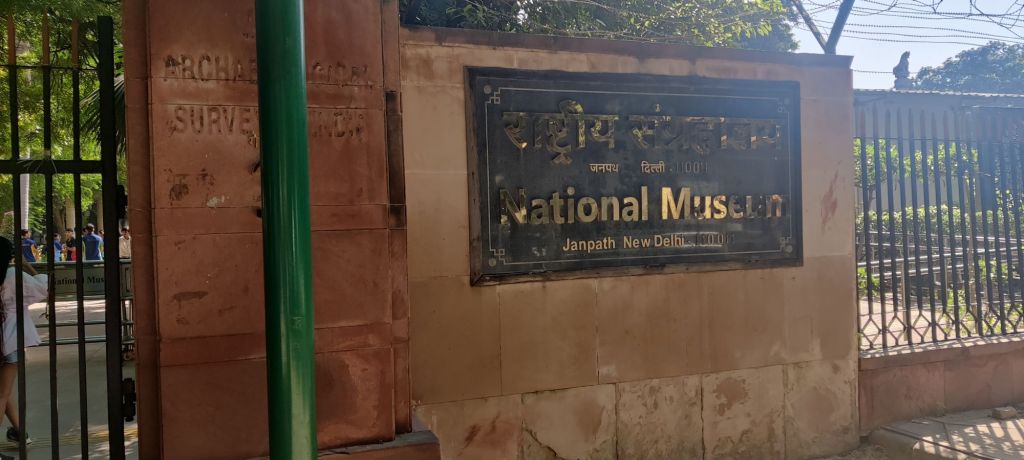
National Museum, New Delhi (India)

*sheepishly peeks around the website*

…hello?

So. Been a hot minute.

But hey let’s pretend like it hasn’t been! Let’s just jump right into talking about big ol’ collections of neat stuff.

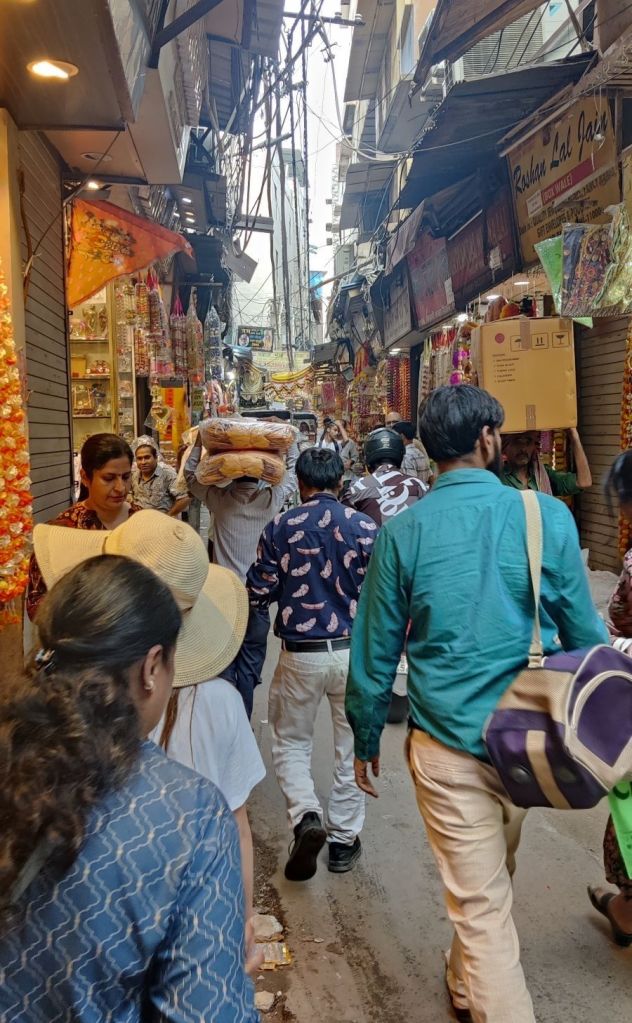
About a year and a half ago, I found myself in India, as you do. I’d never been there before. I have been in a few very large cities, and Delhi makes Buenos Aires feel like Megacity Easy Mode.

The population of Delhi is about 30 million, and they are all on the same block as you.

As a pedestrian, if you are waiting for someone to let you through/across/around, you are waiting forever. You live on that spot now. You are either an active entity of self-determination or a passive obstacle.

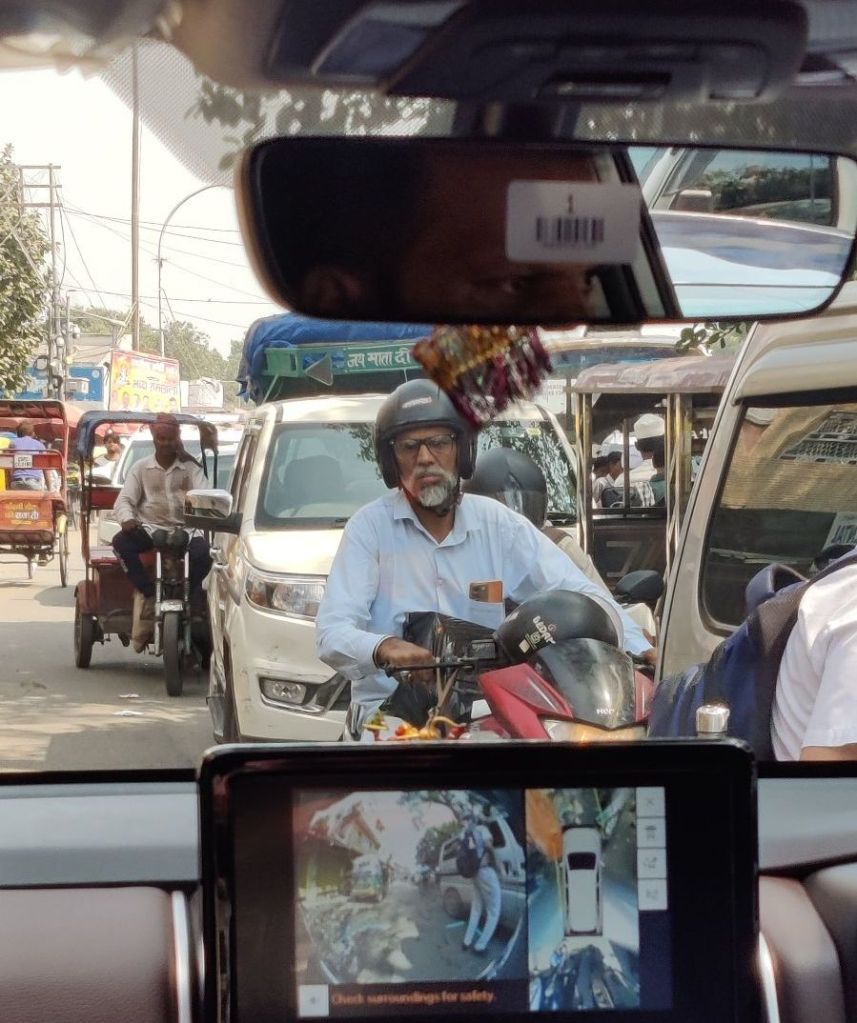
To travel in a vehicle in India is to experience existence as a drop of ocean water.

As far as I could tell, there are only two traffic laws in India: fortune favors the brave, and it doesn’t matter what color the traffic light is as long as it’s green in your heart.

…which way are we supposed to be facing

There is clearly a logic and rhythm to the flow of traffic; otherwise there would just be piles of bodies and tuktuks everywhere all the time. But as an outsider, you do not understand it. It is language you cannot speak, and you can only consign yourself to the expertise of your translator/driver or if on foot, make tenuous, lamb-like attempts at the basic grammar of crossing the street. Traffic density is lessened outside of the cities, but your driver is going to book it regardless of the slower road obstacles, so buckle up and sit tight while he plays cow slalom.

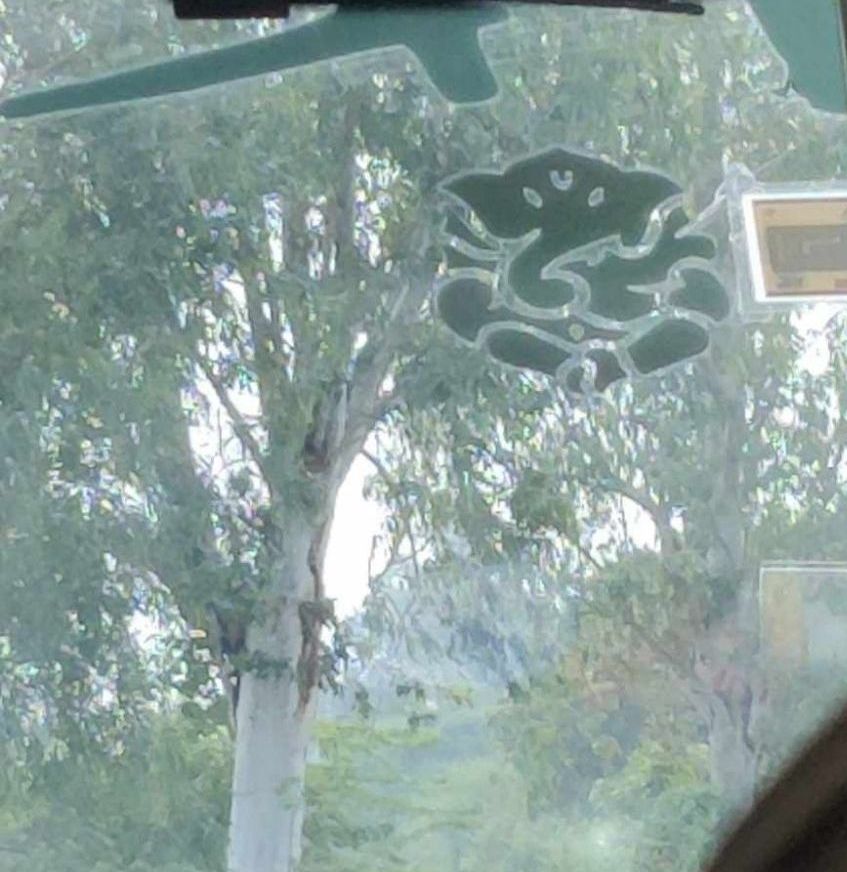
Ganesh is my copilot.

But back to the big city. Despite offering all the personal space of a platelet in a blood stream, Delhi is an amazing experience that should be visited if at all possible. It’s been a city for a couple thousand years, and a capital for hundreds of those years. It is rich with culture, history and art. Among its many museums is the National Museum, which holds artifacts that span 5,000 years.

The first thing to remember is that when you are in line in India, you are either pushing up against the person in front of you or you are not, in fact, in line. I was without a guide on that day and while purchasing the tickets, I found myself not so much in line as standing near the ticket counter as others filed past me. A teenage girl immediately clocked my problem and attempted to convey how to line up effectively, and after some moments and, likely, pity on the part of some of my fellow line mates, I managed to pay.

After pausing in the entry hall for a group selfie with some teens on a school trip (embrace being in strangers’ photos), I set about exploring in no particular pattern, which will be reflected in my random-ass pictures.

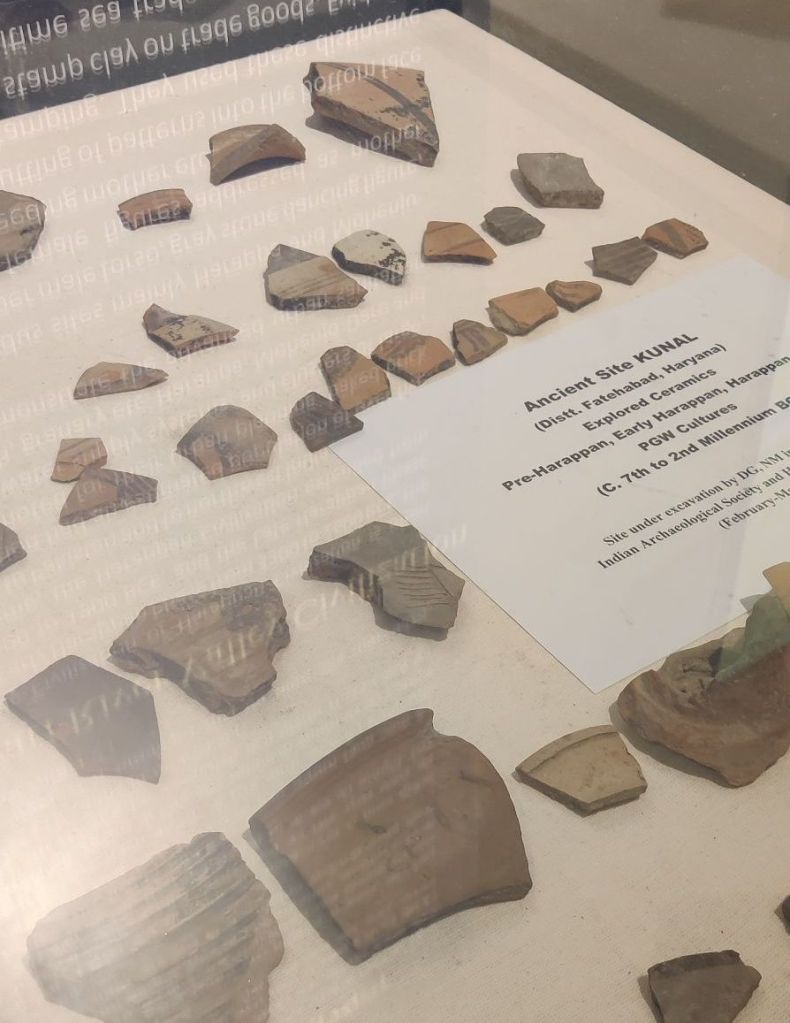
Some of this pottery is Nine. Thousand. Years. Old.

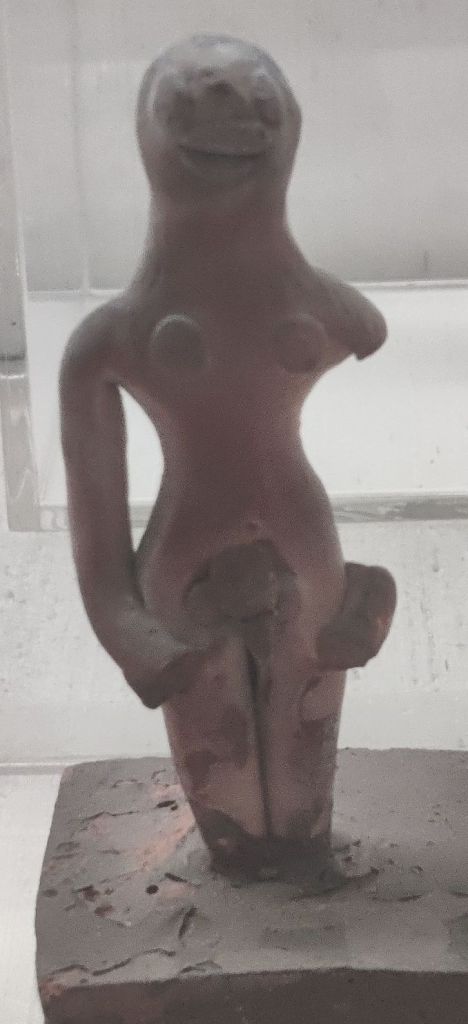
The museum holds a huge collection of artifacts from the Harappan era, the Indus Valley civilization of the Bronze Age, and earlier.

With apologies to the Harappan sculpture for taking a craptastic photo and slapping it on the Internet four thousand years later.
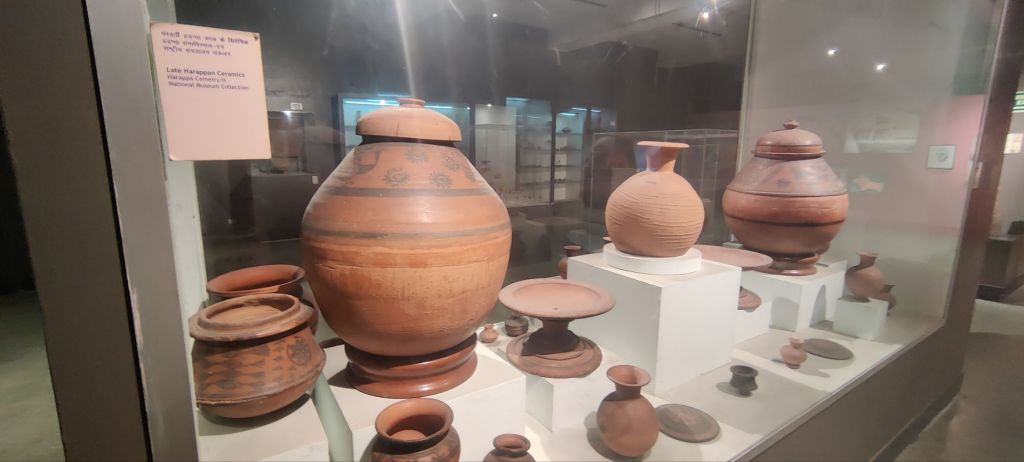
Late Harappan ceramics, flexing the kind of durability Pyrex can only dream of.

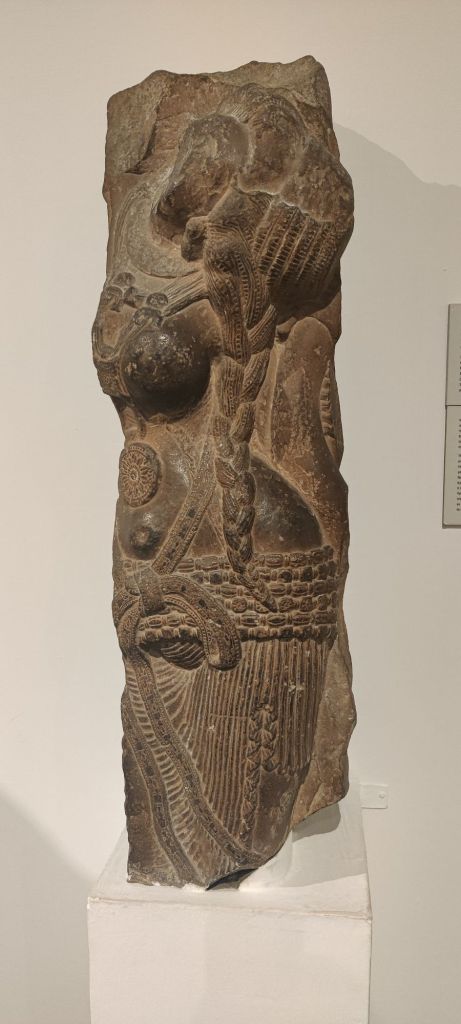
Excuse me while I shamelessly skip centuries of treasures and move to the Kushana Gallery, which includes this sandstone pillar from a Buddhist stupa, carved in the second century. The figure is a tree spirit motif rooted in a pre-Buddhism fertility rite, here incorporated into a stupa’s pillar to bless the site it was built on.

I am a noted tree enthusiast and so she makes the blog cut.

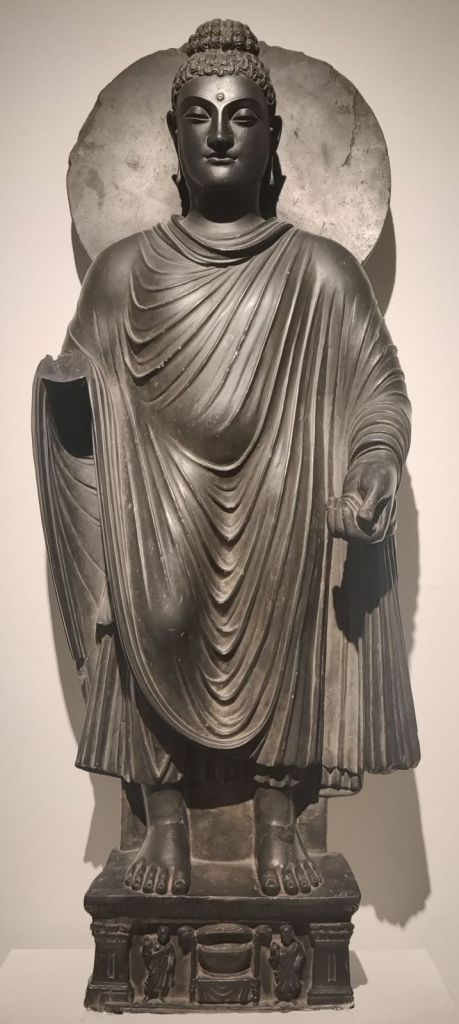
From the same time period is this Standing Buddha from the Gandhara School, which was heavily influenced by Greek art. The standing Buddhas of this era mark the start of depicting Buddha in human form.

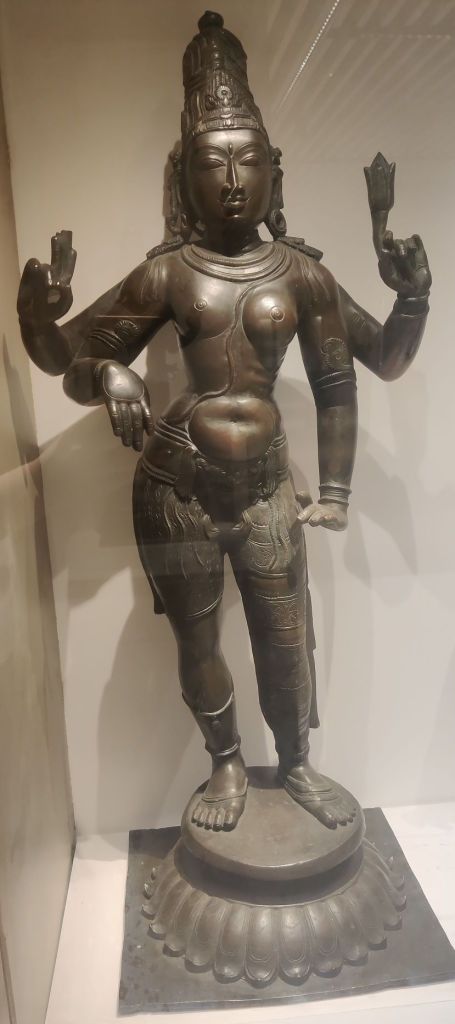
And one more statue before we go stampeding to the Decorative Arts galleries; that of a bronze Ardhanarishvara–a god form of Shiva and Parvati combined–from the 15th century.

Now, let’s get ornamental in the Decorative Arts galleries!

The two galleries are divided by material rather than time period, and between them cover pre-history to the present day.

Speaking of stampeding

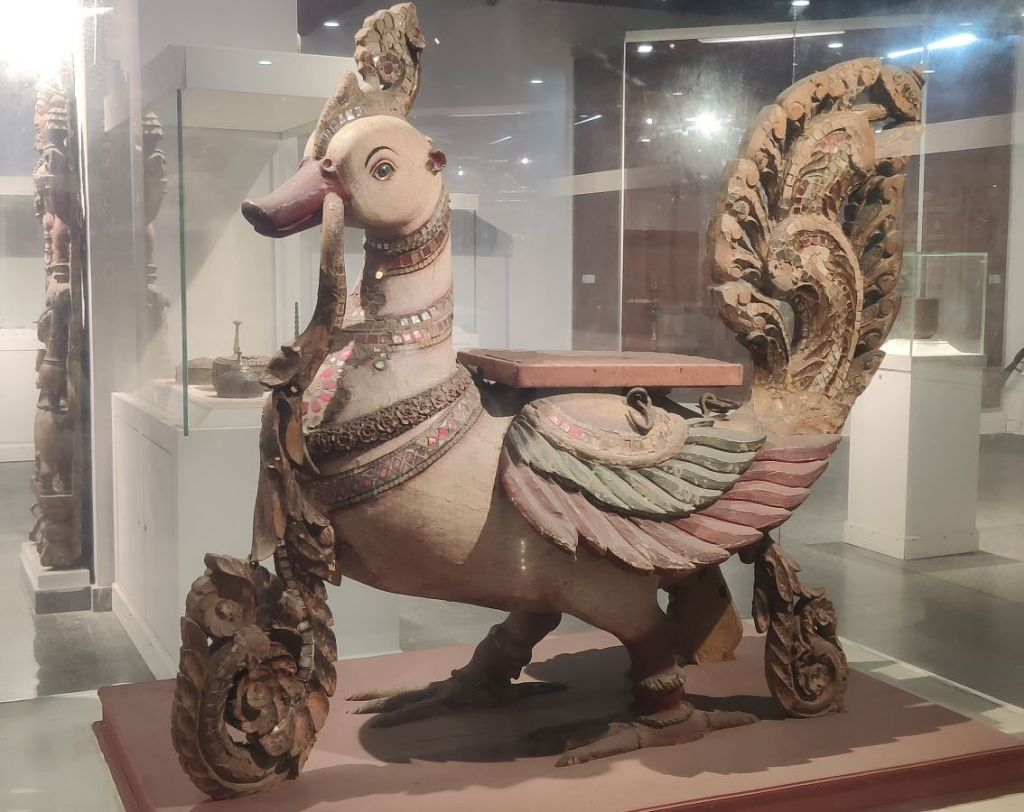
This is a wood and glass peacock, the mount of war god Karttikeya, from the 1800s.

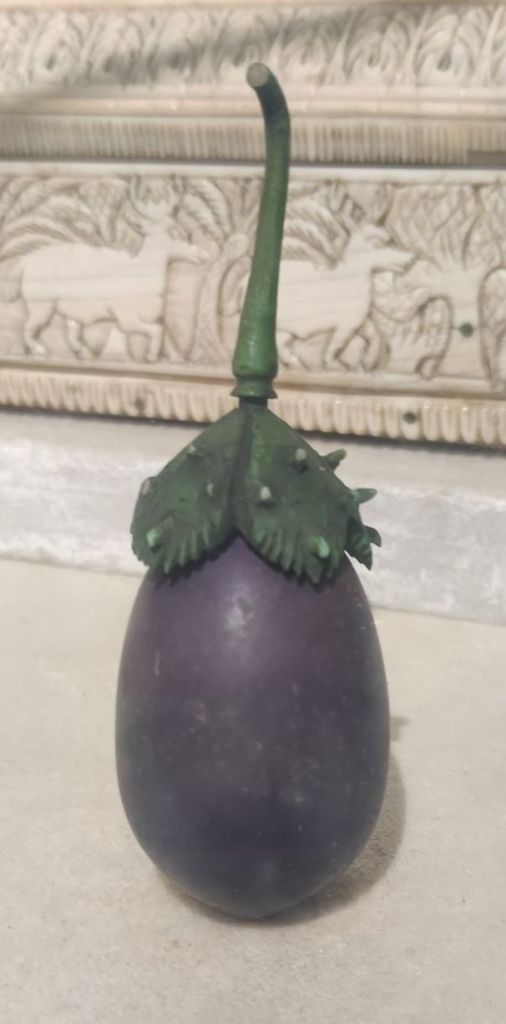
And I passed over photographing many magnificent objects in favor of this 20th century ivory eggplant-shaped perfume container, solely because it amused me:

🍆

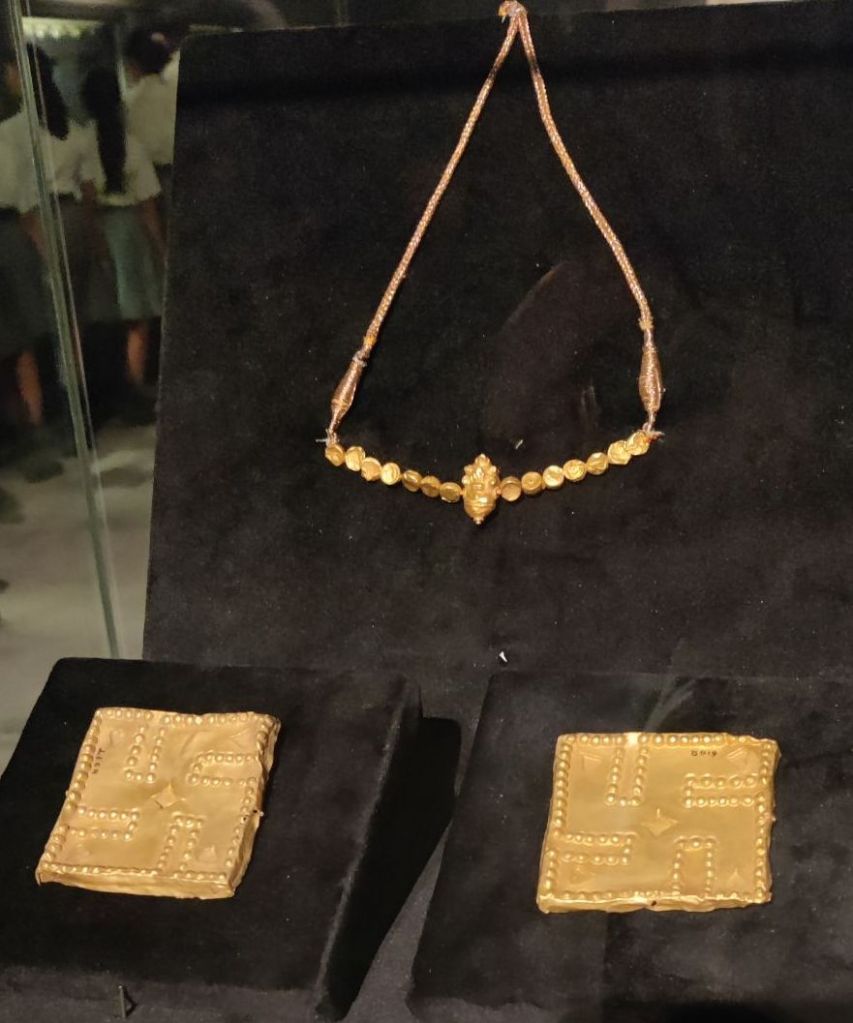
And in metalworking, gold amulets from the first century:

Photos at a weird angle brought to you by my eternal struggle with glare

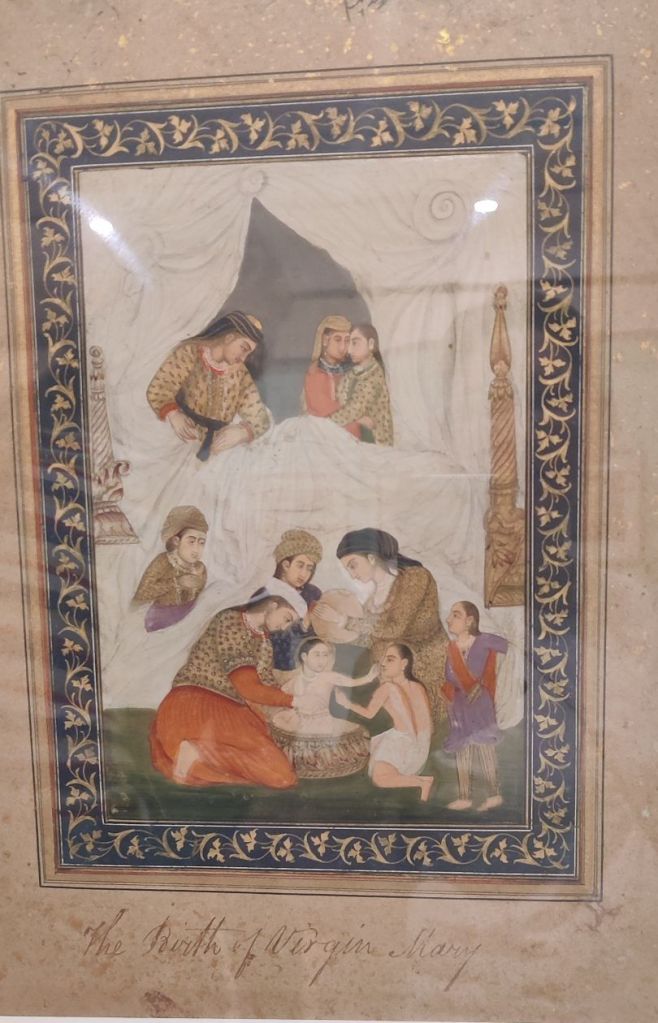
Here’s one quick example from the Miniature Paintings gallery, Mughal division. The plaque says “The Nativity” but the writing on the painting says “Birth of Virgin Mary.” From 1720ish.

In the Holy Adult-Baby tradition

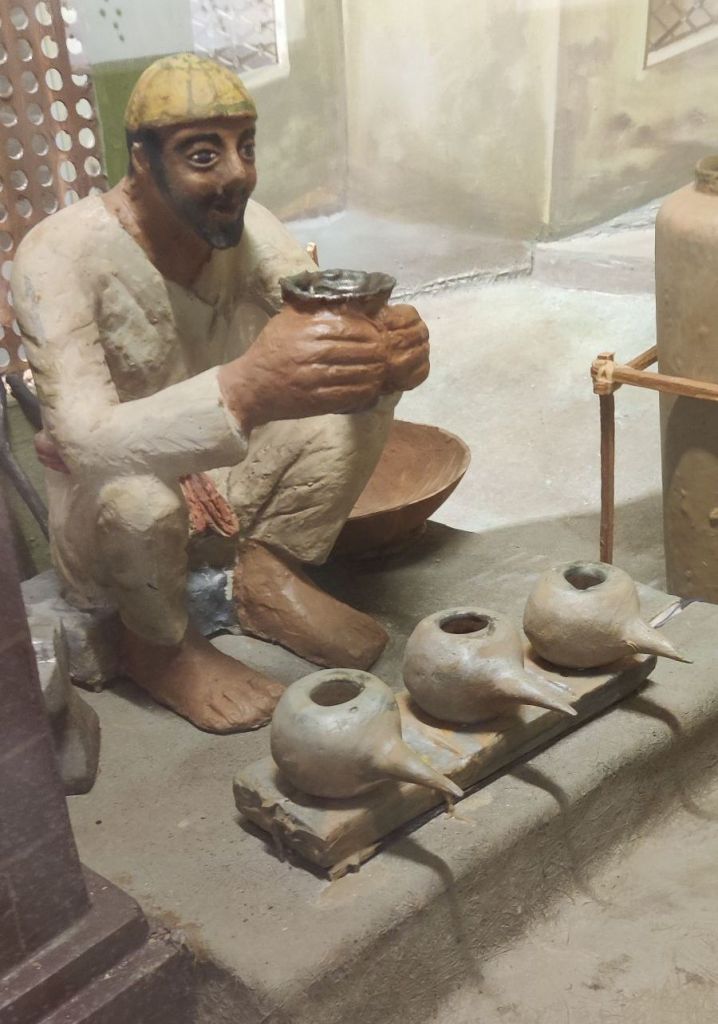
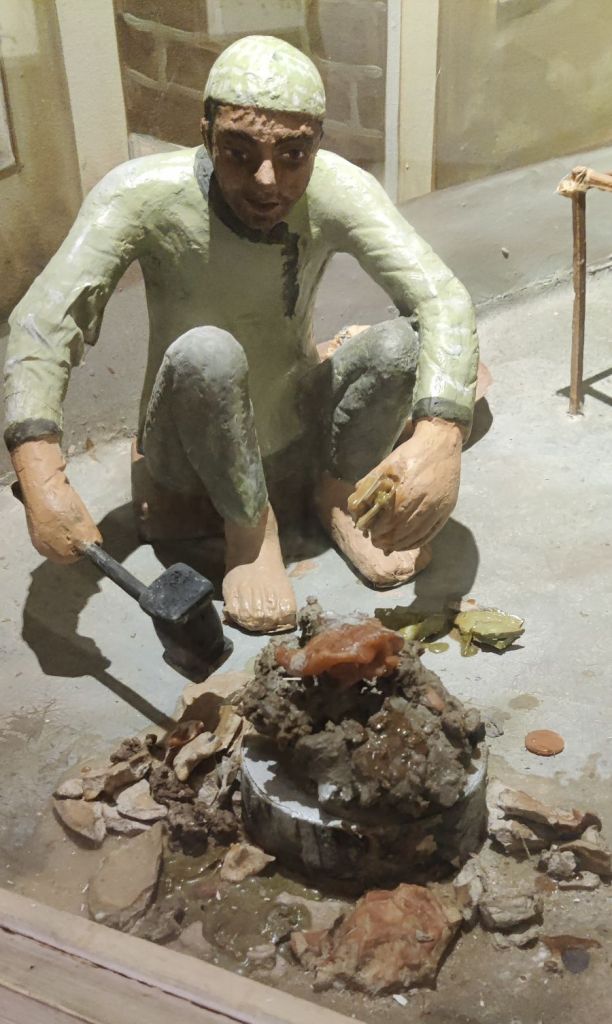
There’s a Coins gallery for all your numismatic needs and desires, and if you’re wondering if the National Museum also has some unsettling mannequin type things, the Coins section has an answer for you.

Coin minting has never looked so gooey.

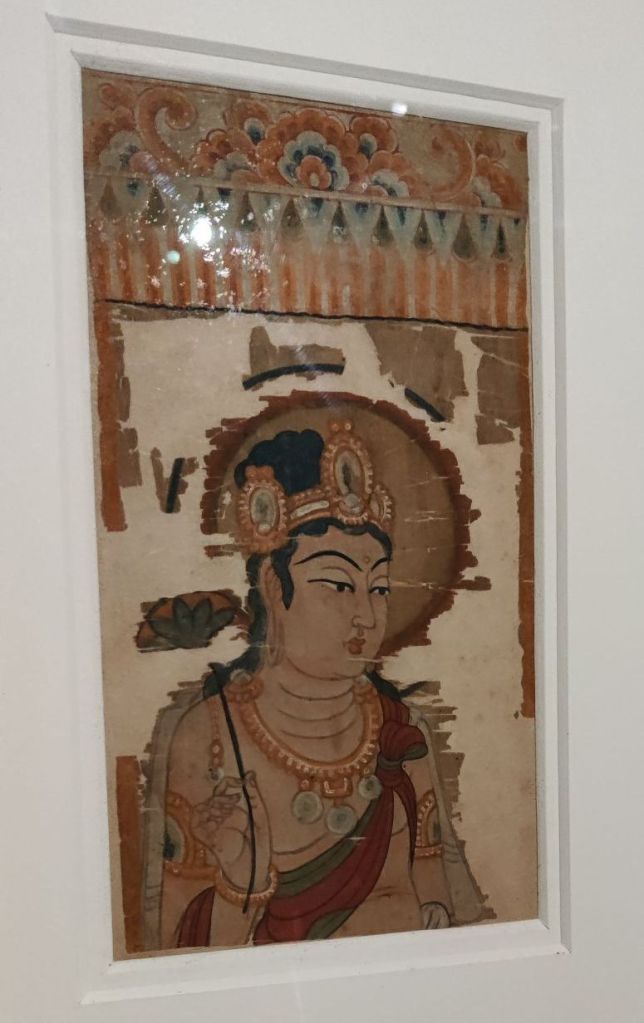
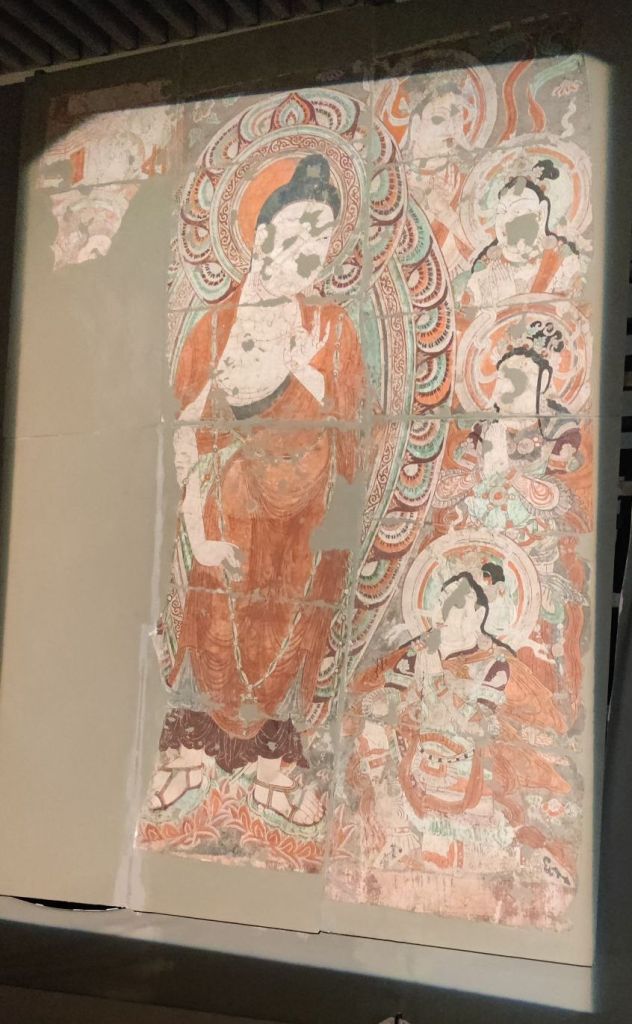
From the Central Asian collection, there are murals from the Mogao Caves  (Thousand Buddha Grottoes) in China, which were an important site along the Silk Road. The caves hold a thousand years of Buddhist sculpture and painting, making them a UNESCO World Heritage site. The Library Cave was discovered in 1990 with tens of thousands of manuscripts; most of the silk paintings in this room are from there.

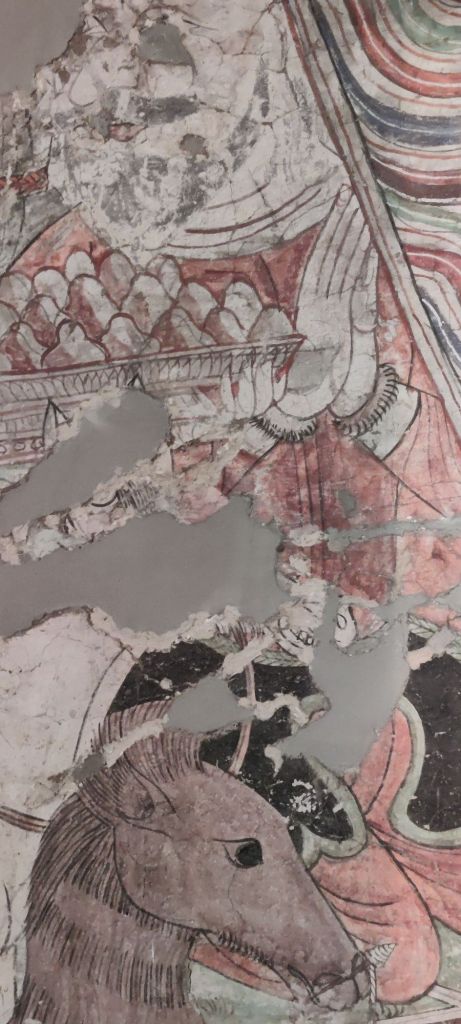
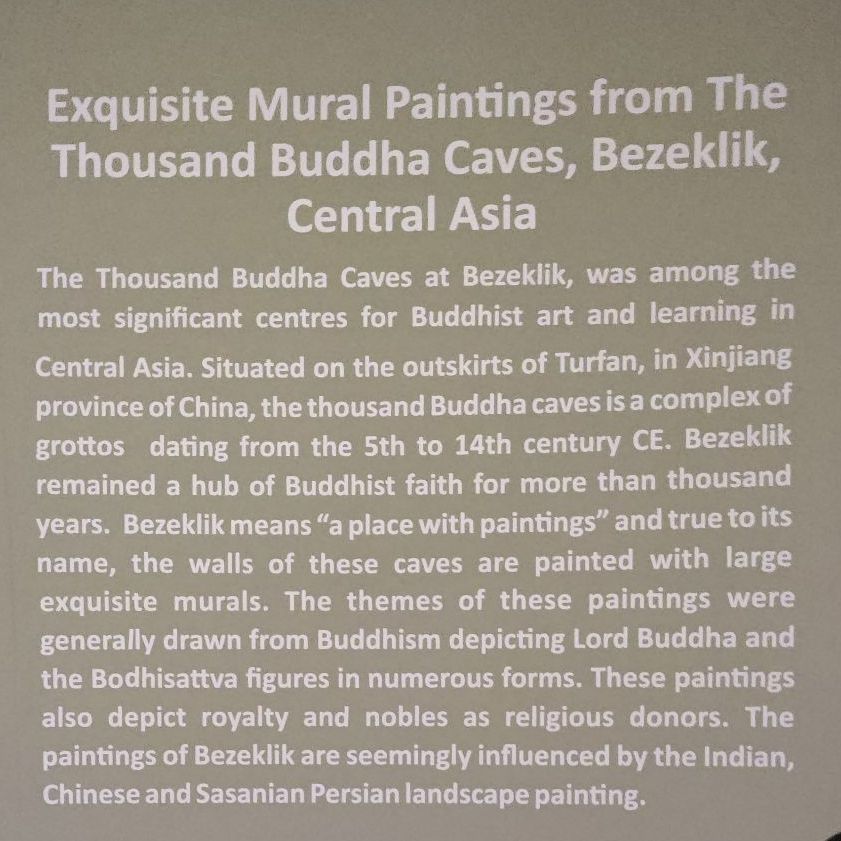
There are also some works from the Bezeklik Thousand Buddha Caves, also a site on the Silk Road in China.

One Buddha….two Buddhas…
…982 Buddhas…
Ctrl C, Ctrl V

Absolutely stunning stuff.

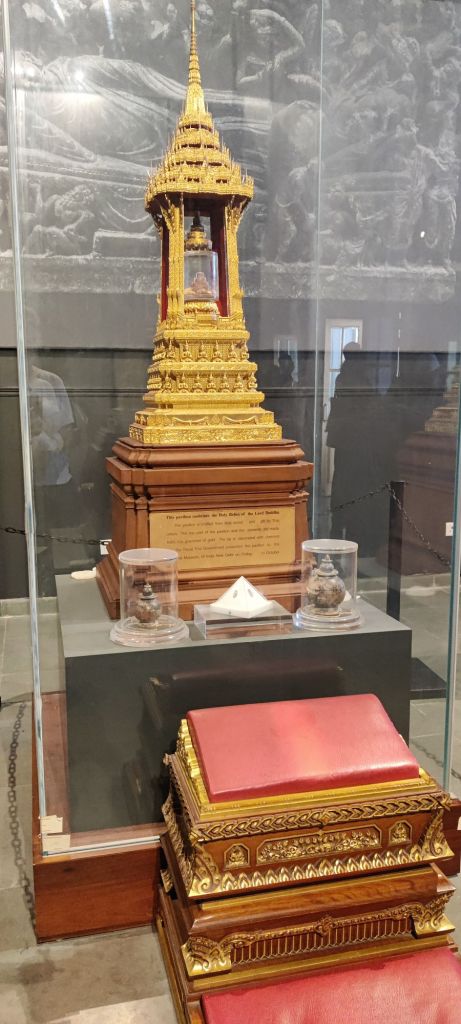
There is a huge collection of Buddhist objects in the museum, and some of the most important and exemplary are housed in the Buddha pavilion. This exhibit has objects from all over Asia, in varying materials and from many time periods. The centerpiece is a reliquary holding bone fragments excavated from Piprehwa and believed to be those of the Buddha.

There is a guard with an automatic rifle in the room and he’s pretty chill, but it does distract just a teensy bit.
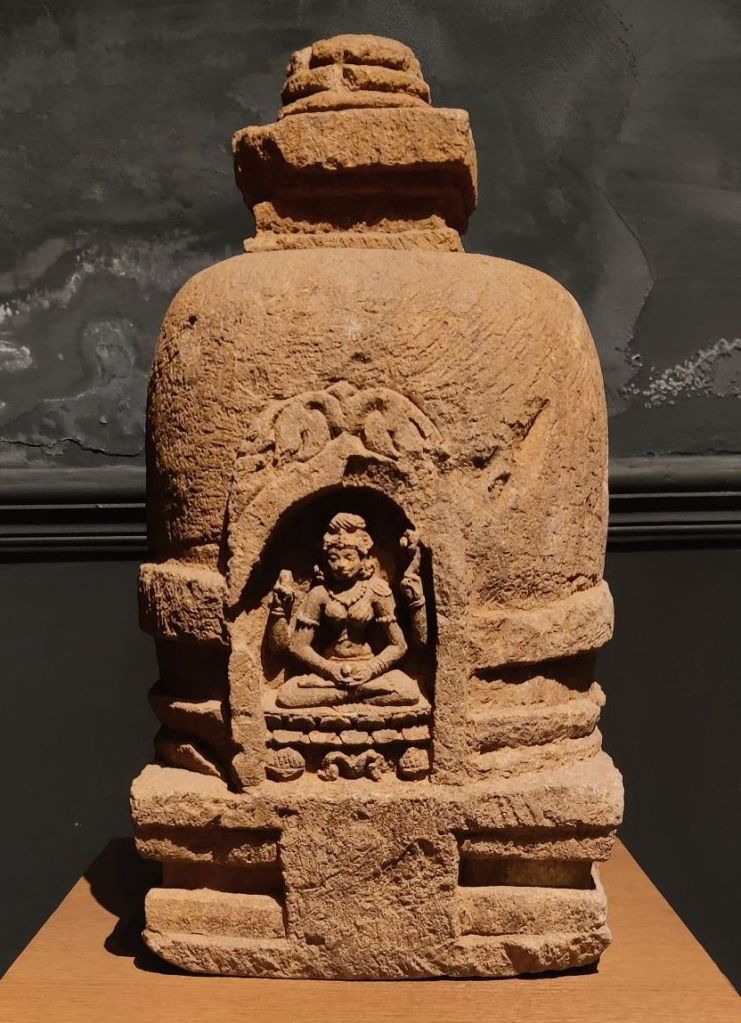
Chunda with four arms, a goddess of some Buddhist traditions, on a votive stupa from the 700s
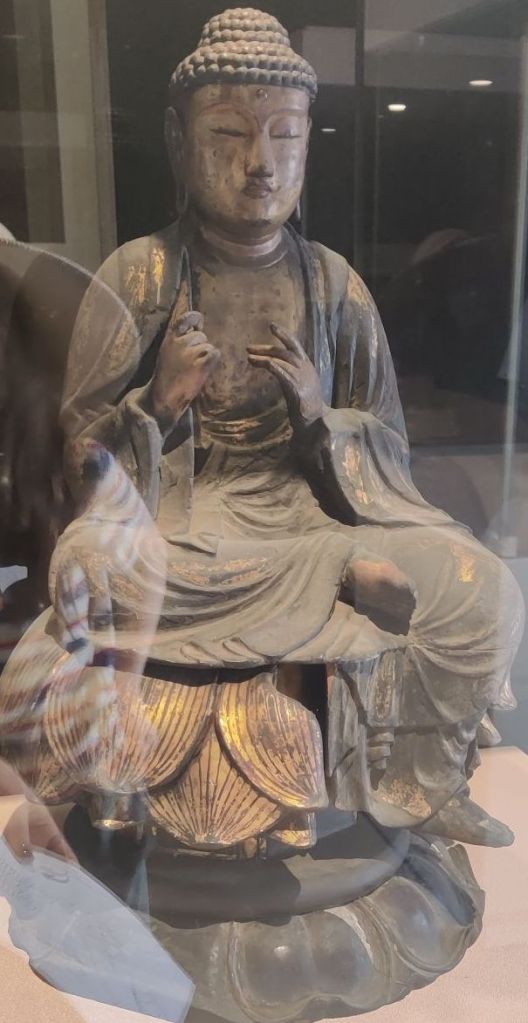
A 15th century wooden Buddha from Japan, and reflections of tourists reflecting on him
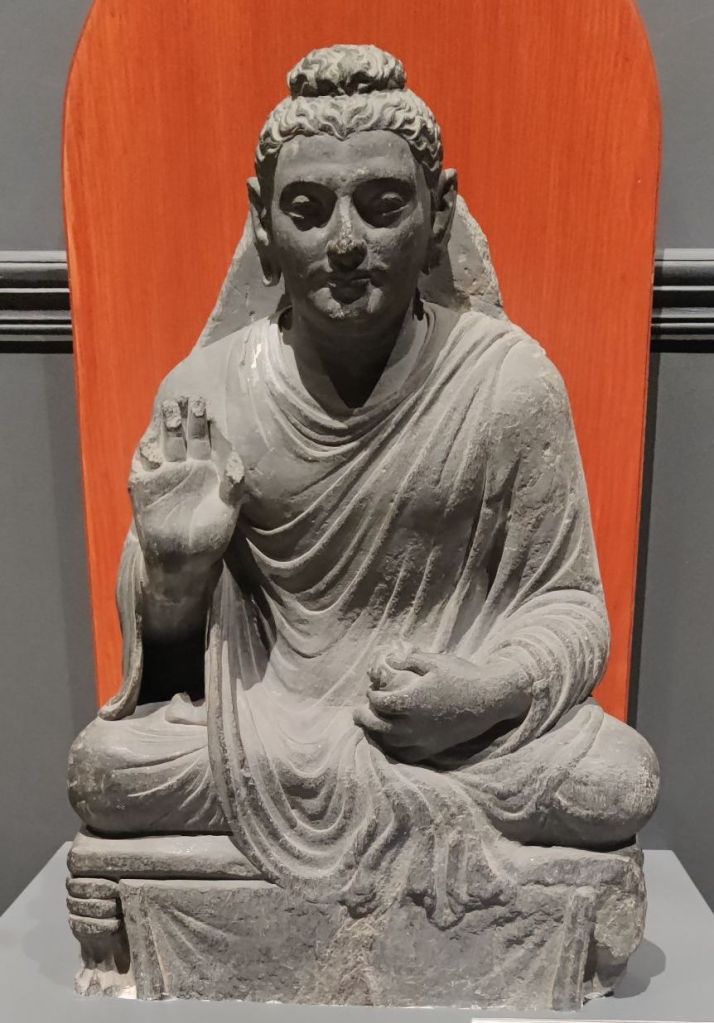
A second century stone Buddha from Gandhara, and my personal favorite thing in the museum.

There is. So. Much. More. The history of Indian writing, textiles, bronzes, manuscripts, maritime history, whatever was in all those crates being stored in the corridors–artifacts, relics and art for days. There is a small store with very inexpensive books available, so don’t miss that. The National Museum is open 10-6, Tuesday through Friday and 10-8 Saturday and Sunday. You can get there by hiring a driver and telling him that’s where you want to go.