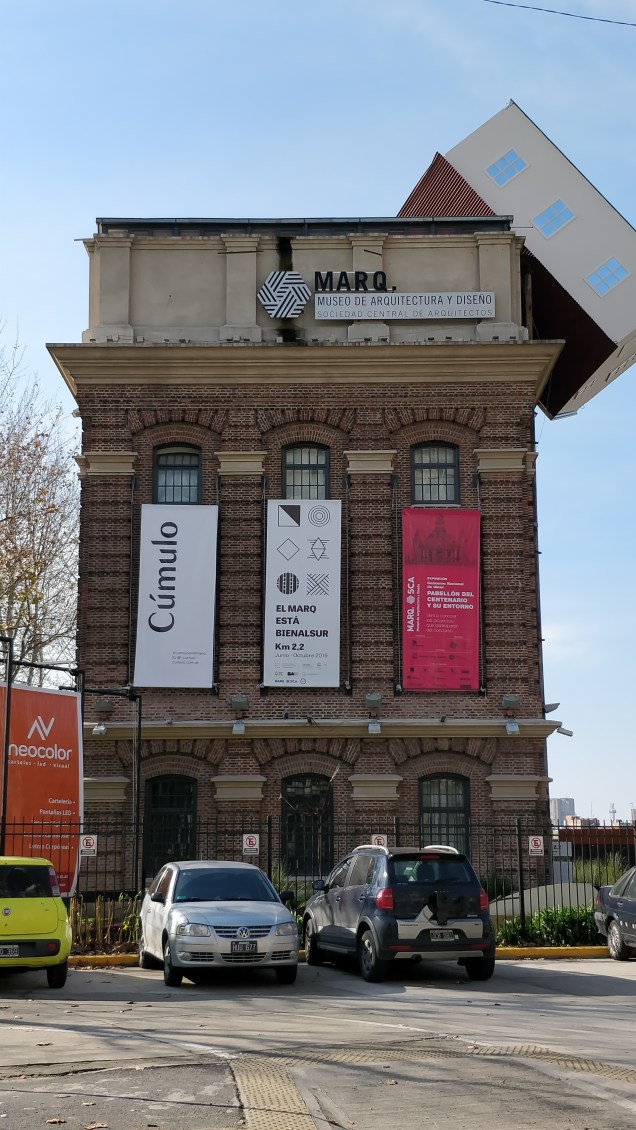
The MARQ is a small building that seems to be used primarily as temporary show space. It’s the only architecture museum in the country. The building dates from 1915 and used to be the water tower for the Retiro train station. It is currently one of the sites of a BIENALSUR contemporary art installation called “House Attack.”
The MARQ building, having a normal one.
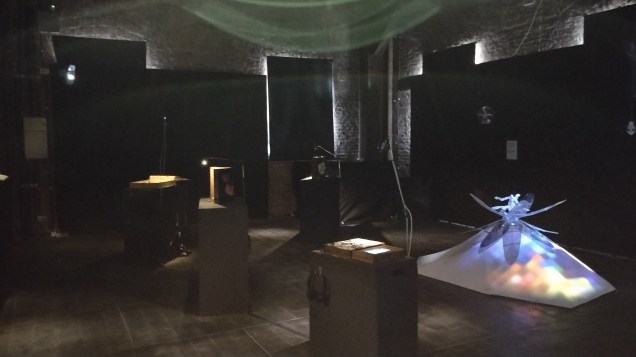
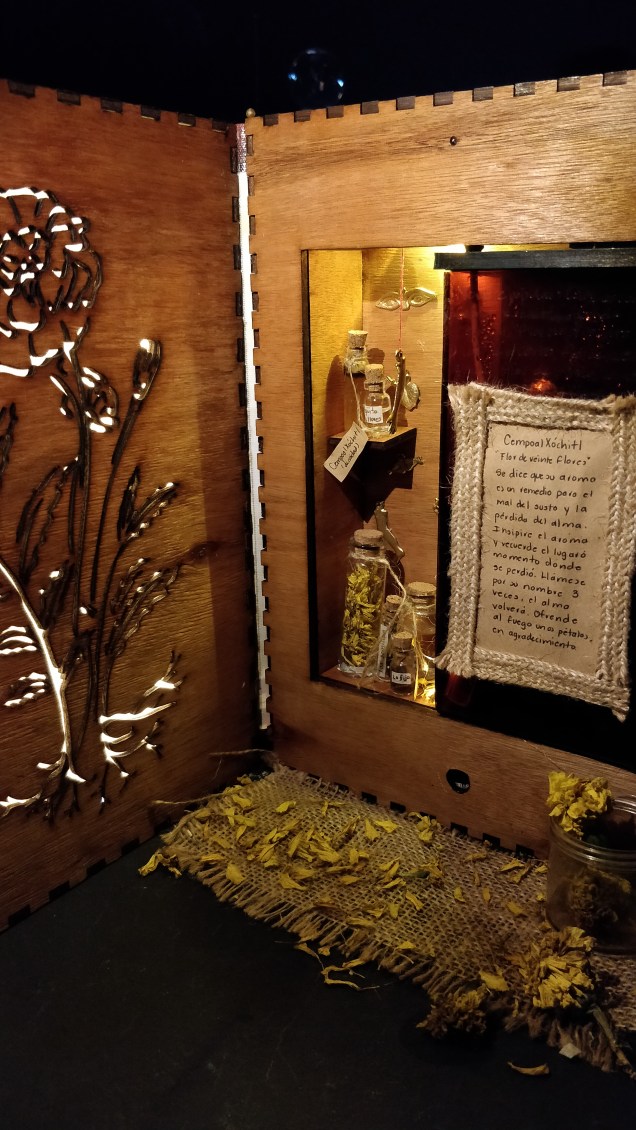
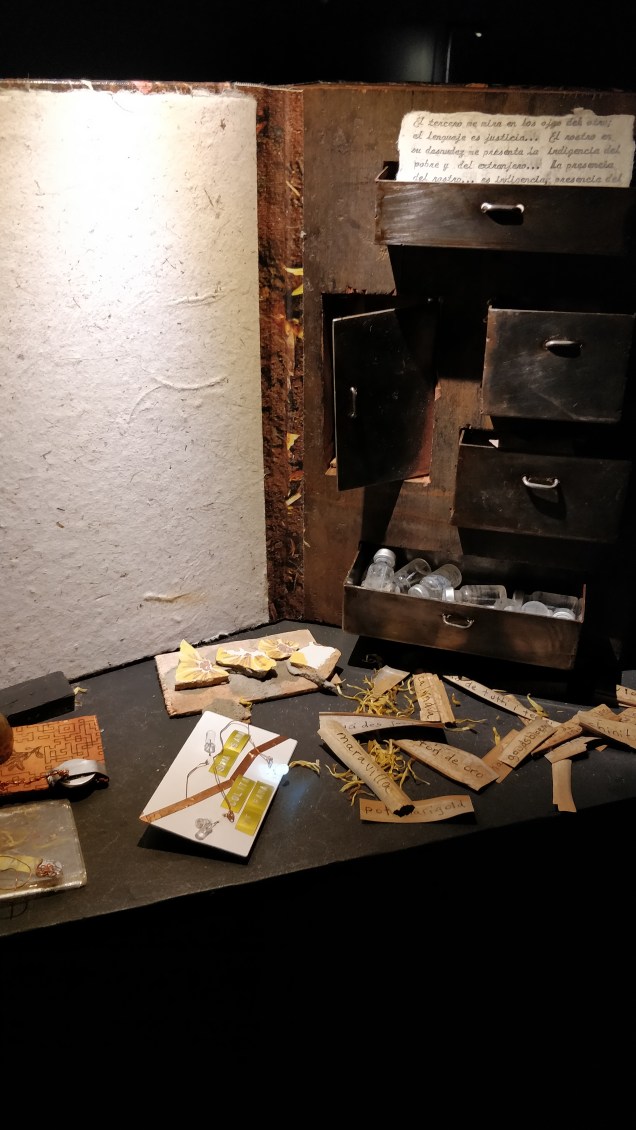
The exhibition, called Invading/Resisting, is also tied to BIENALSUR. It’s a multimedia collaborative work on the interplay of the actions of humans and the natural world.
ATMOSPHERE.
This is a Tinytour because it’s a wee space! You’ll just have to see what’s showing when you’re looking to go.
The MARQ is open Tuesday through Sunday from 1pm to 8pm. It’s located near Retiro train station. Admission is free and they have a tiny swag store, and I honestly respect the hustle.
Across from the Plaza de General San Martín, which is a lovely, large plaza near the Retiro train station, in quite a stately building, is the Museo de Armas, originally founded in 1904.
Right there, below the official oval.
I’m not particularly interested in all the tools humans use to disassemble each other, but swords are neat, so I went to check it out.
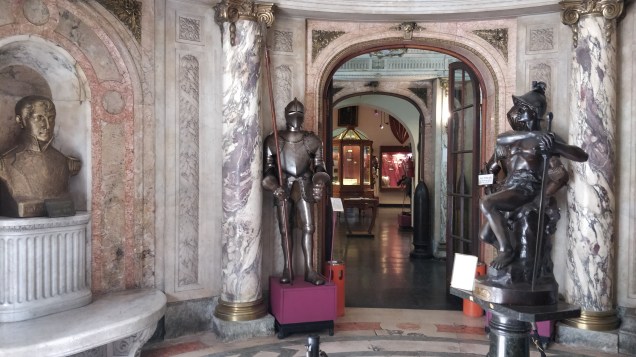
Pretty stately on the inside, too.
The first displays are of medieval armor and weaponry, both replicas and originals. There was also some disconcertingly incongruous pop music playing in those rooms.
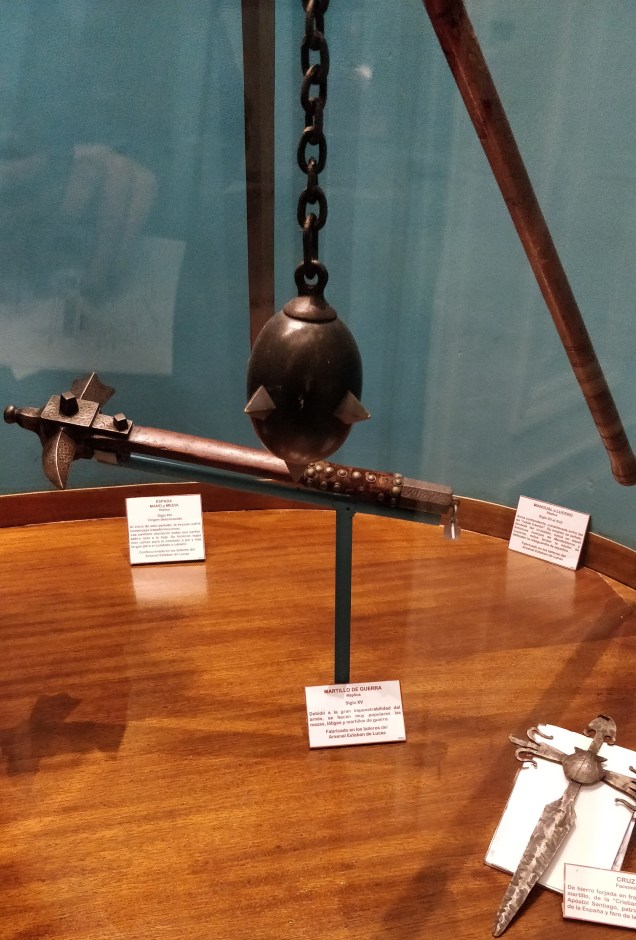
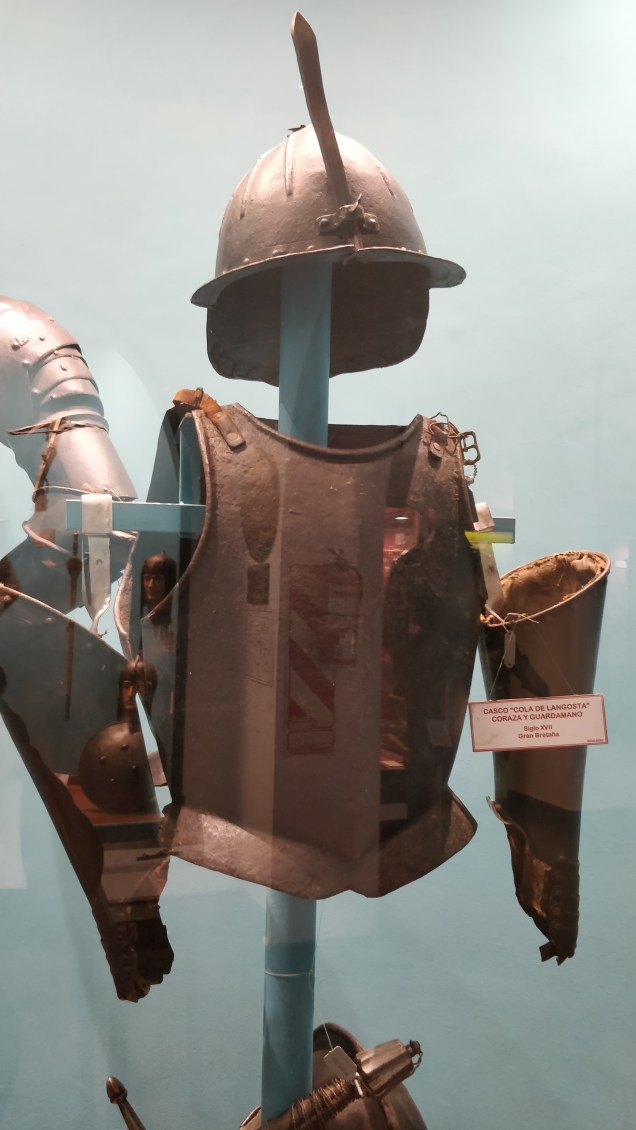
Replicas of a war hammer and a flail, my favorite medieval weapons.Lobster tail helmet from Great Britain, 1600s.
A great variety of pointy things is available for examination, though without much of anything in the way of information–just the sort of label you see above.
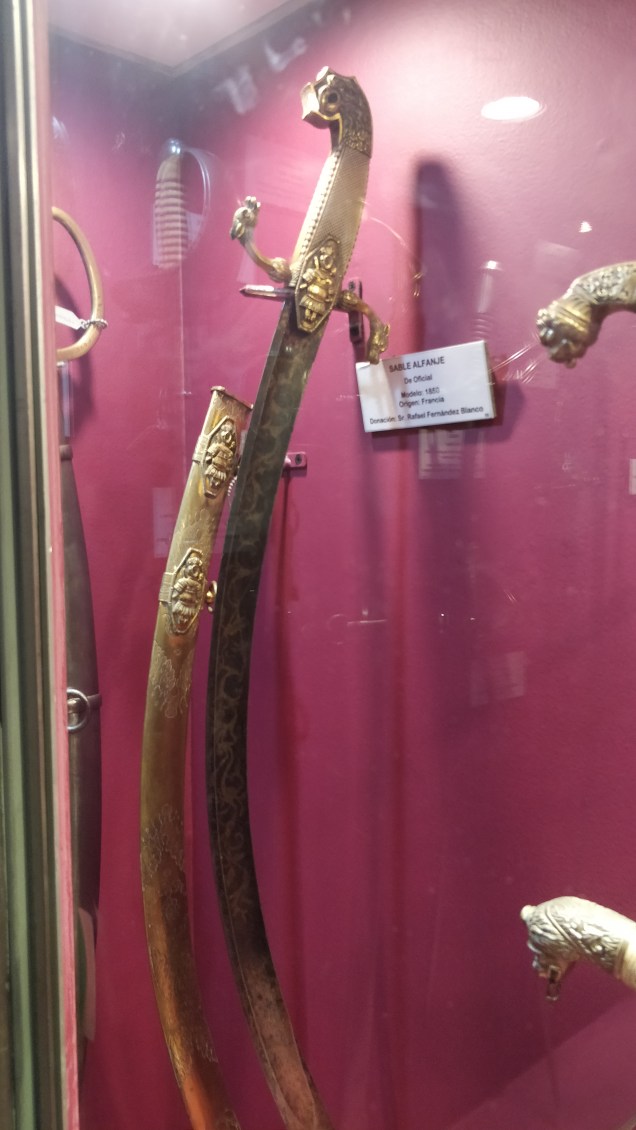
Fancy shmancy French saber.Spanish-made saber for the Argentine Army.
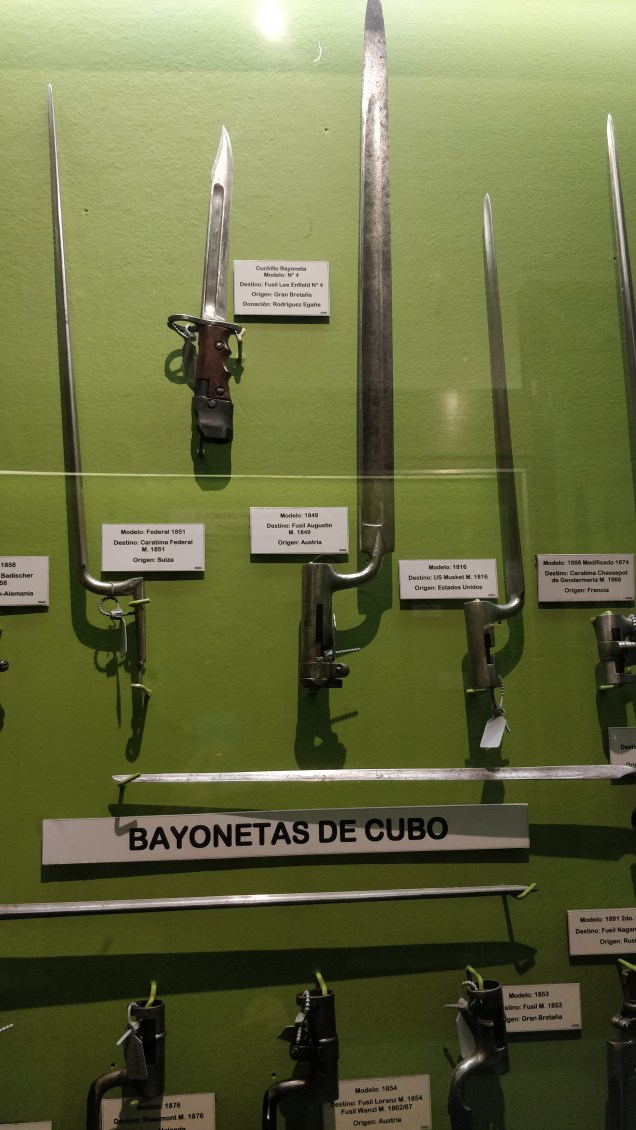
Firearms were of course already a thing by the time these swords were made, but the museum also has some artifacts from those more transitional times, when one might still find a rifle’s effectiveness reduced to that of a spear.
Bayonets have always creeped me out; something about the desperation that must attend having to use one.
Artistry wasn’t limited to swords in the 1800s; this is a hunting rifle that belonged to President Victorino de la Plaza.
Prettier and less bayonet-y, for sure.
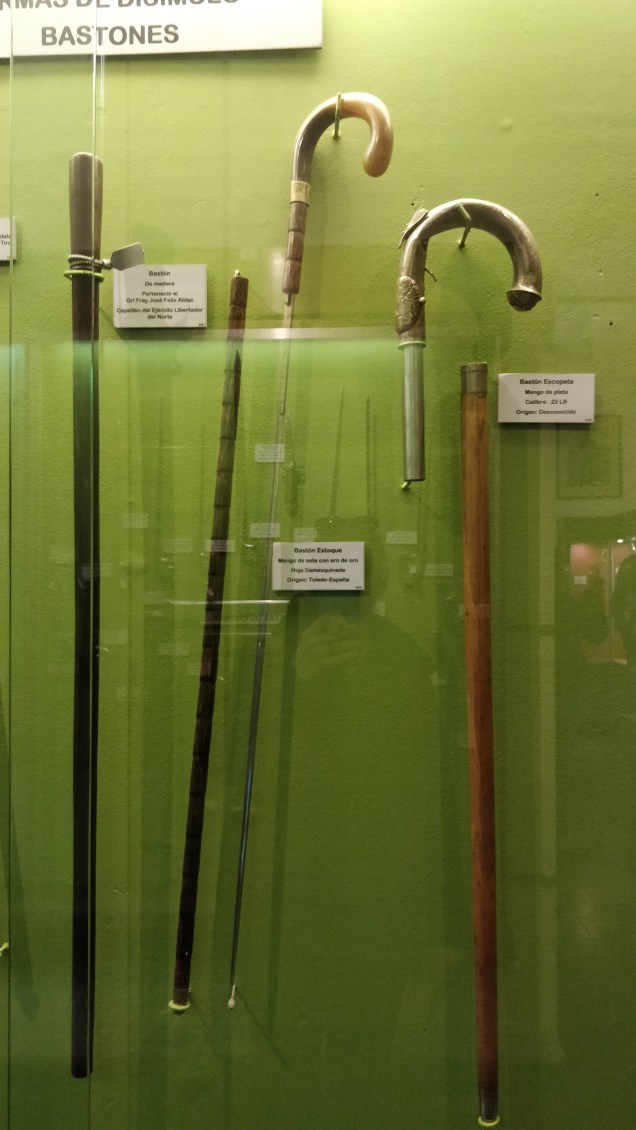
But you know what is even cooler than fancy sabers with official ovals and detailed German hunting rifles? Bonkers cane weapons.
Debonair, dashing, DANGEROUS
Cane swords AND cane pistols. Wonder if there’s a safety on that thing.
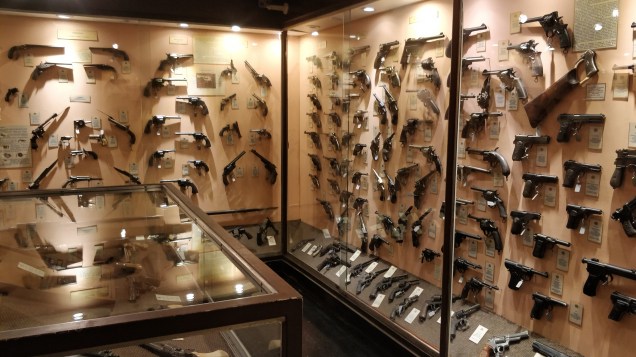
Of course, there’s plenty of more modern kill stuff.
*yawn*
But there’s also a few box sets of dueling pistols–including this one, which says it was used in the duel between Pantaleón Gómez and Lucio Victorio Mansilla on Feb. 7, 1880. Both men were former soldiers, politicians, and journalists, but Gómez ended up the dead one in a story that the Wikipedia entry made sound kind of insane. Dudes gonna dude, I guess.
I can’t even.
As weaponry is always pretty closely tied to the military, the museum also has several minifigs that illustrate the history of the uniforms.
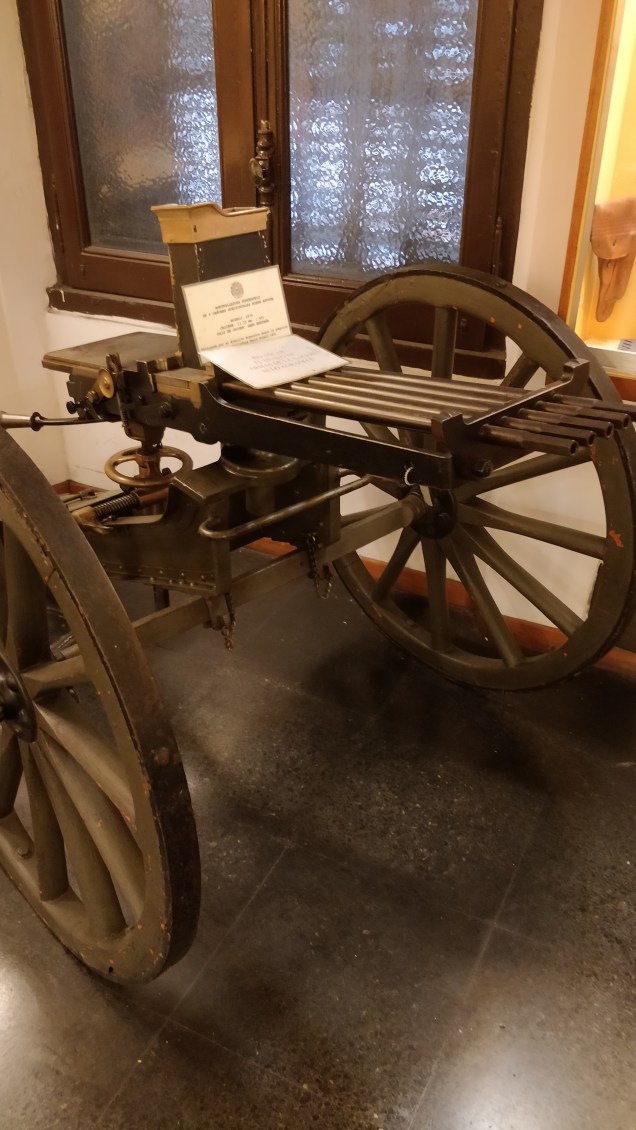
The items on display aren’t limited to melee combat and small caliber things, of course.
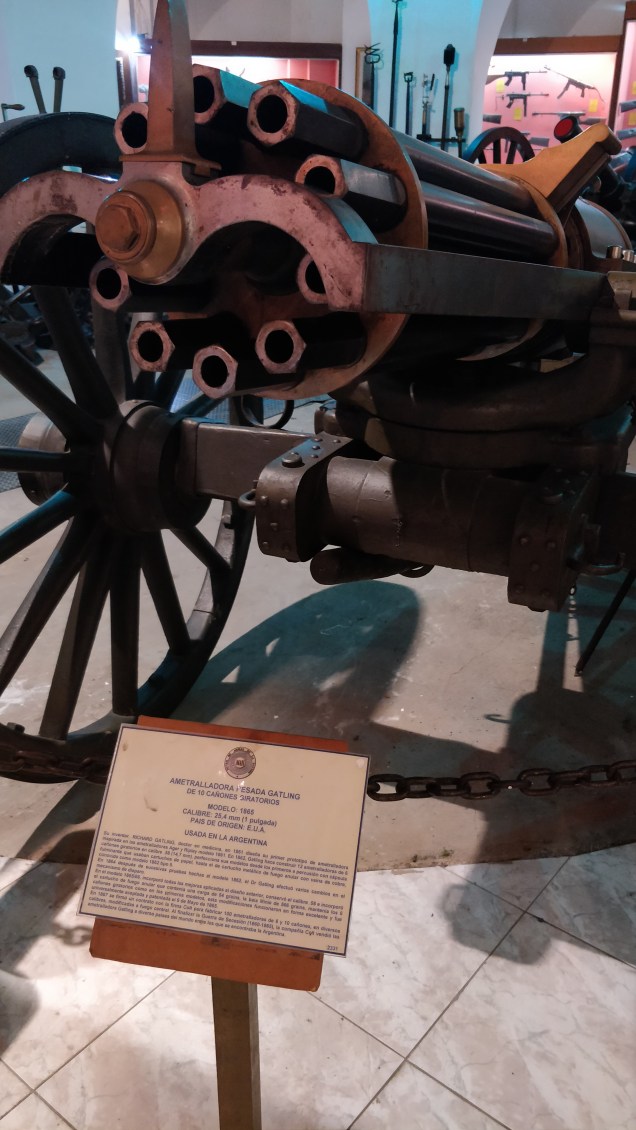
Both of these are mid-19th century, the bottom one being a Gatling design, Gatling having been a medical doctor who rather blew off that whole Hippocratic Oath thing.
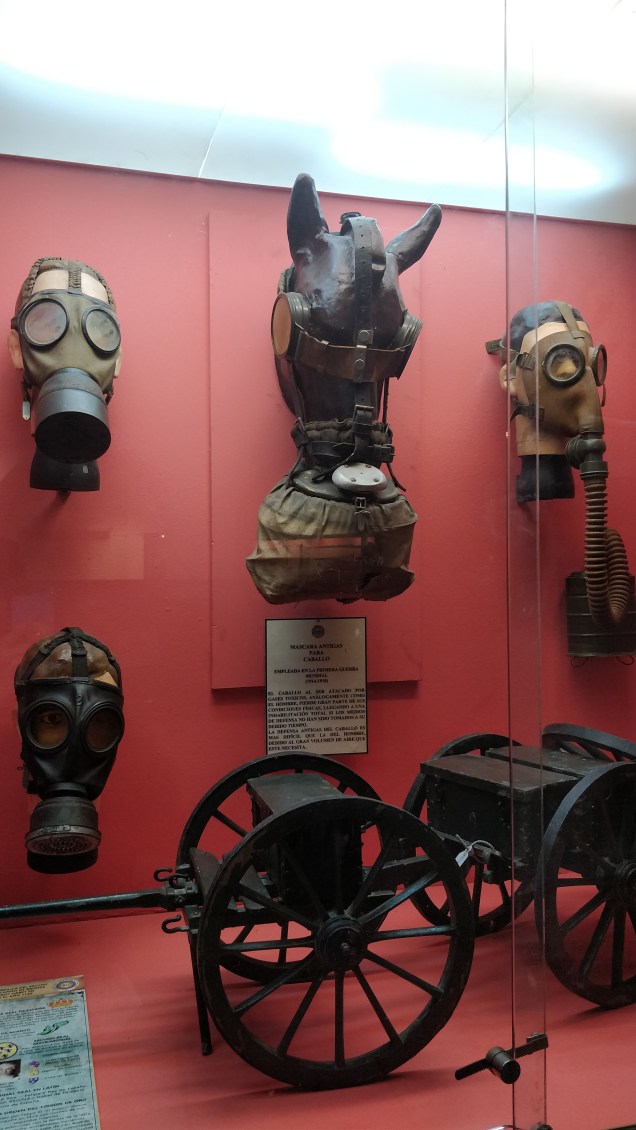
Remember what an absolute, unique horror show World War I was, with its meeting of traditional cavalry and horse-drawn supply wagons and mechanized death and chemical warfare?
Imagine putting a gas mask on a horse, or, hell, being a horse that had to wear a gas mask.
Look, an anti-tank mine. It’s smaller than my backpack.
That circle to its left is the size of my palm and designed to blow up a human being.
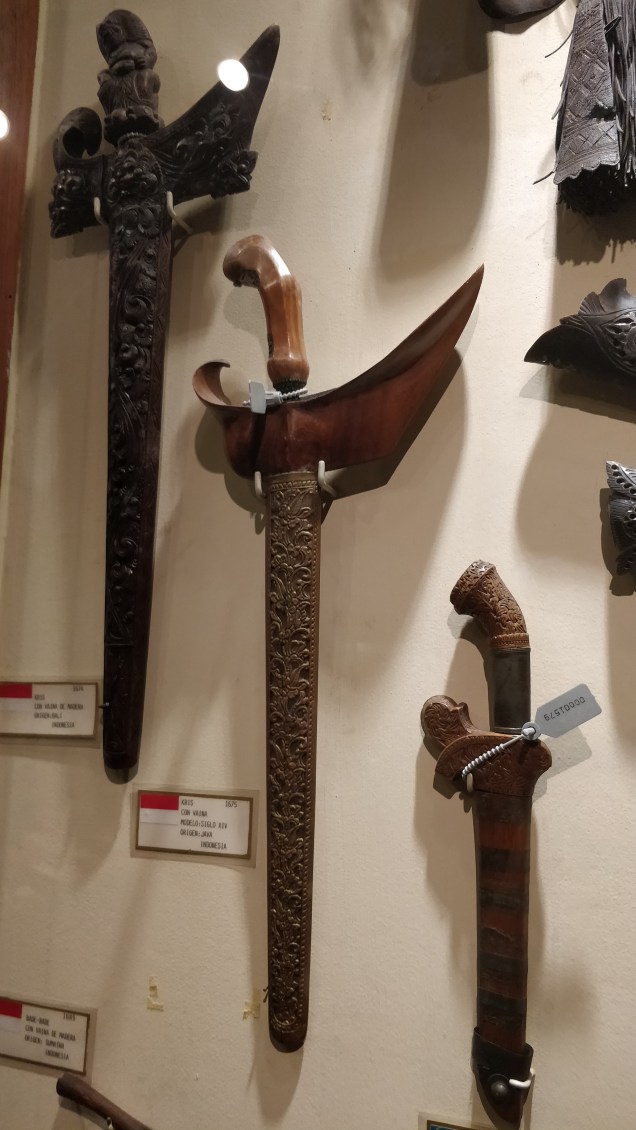
There’s also a room that’s full of weapons from all over Asia, which at least can restore the more comfortable feeling of looking at museum pieces with some artistry to them instead of just efficient kill boxes used within living memory.
So there you have it! Certainly a very interesting collection of early firearms, fancy swords and Argentine military history. Not much on the informational side of things, but certainly more interesting than I thought it would be for me. The Museo de Armas de la Nación is located in Retiro at Santa Fe 702, right across from the Plaza, and very near other sights, like the Kavanagh building and the Basílica Santísimo Sacramento. It’s easy to get to from the C and E subway lines and Retiro train station. As of this post, the entry fee is 100 pesos (about US$2).









 The Exhibitist