Museo Nacional del Hombre [National Museum of Man]

Sooner or later, I’m going to get to some of the Big Museums of the city, but I must say, I really enjoy poking around the little gems. It doesn’t take long to go through them, but you can just feel the love, ya know? So today, here’s another wee treasure of culture and anthropology.
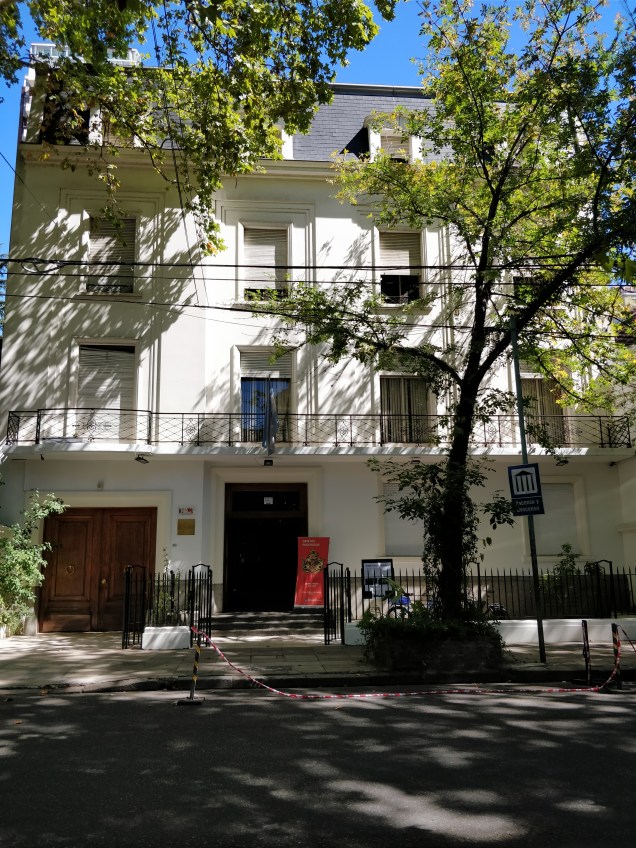
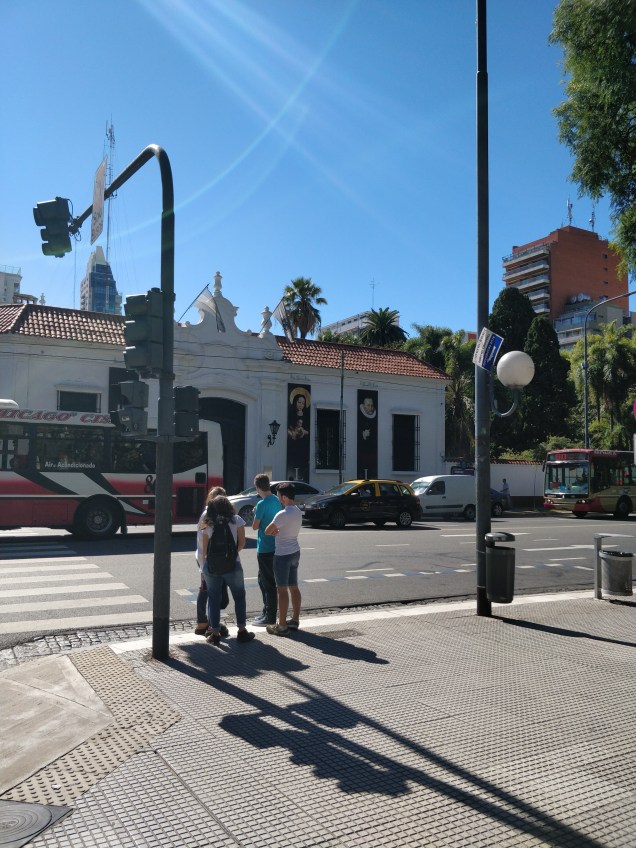
The Museo Nacional del Hombre blends right into the neighborhood:

Helpful little sign on the pole though


And therein you will find some rooms devoted to the native peoples of Argentina. The first room covers historical objects of and information on ancient cultures.


TL;DR: First hunter-gatherers; widely varying geography in northwest Argentina.


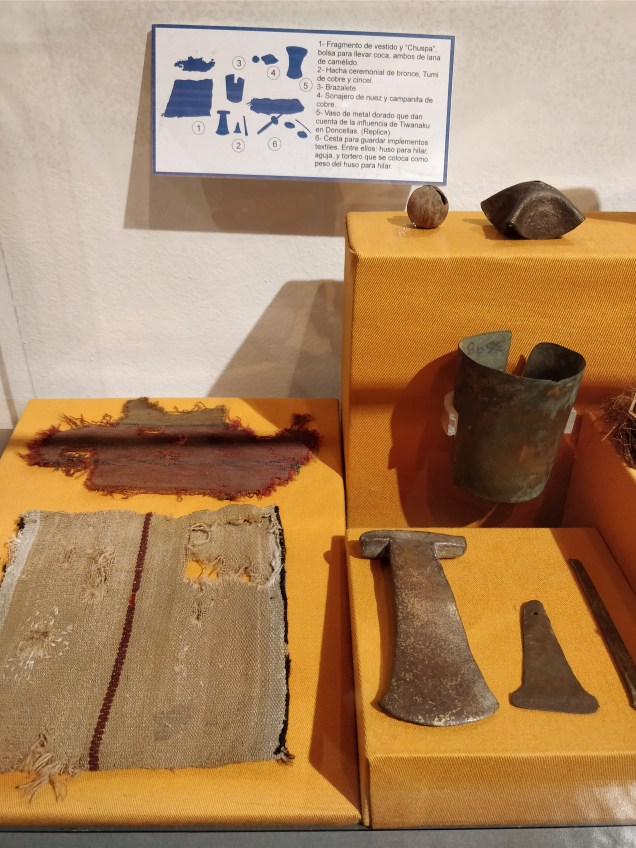
Textile Nerd Photography


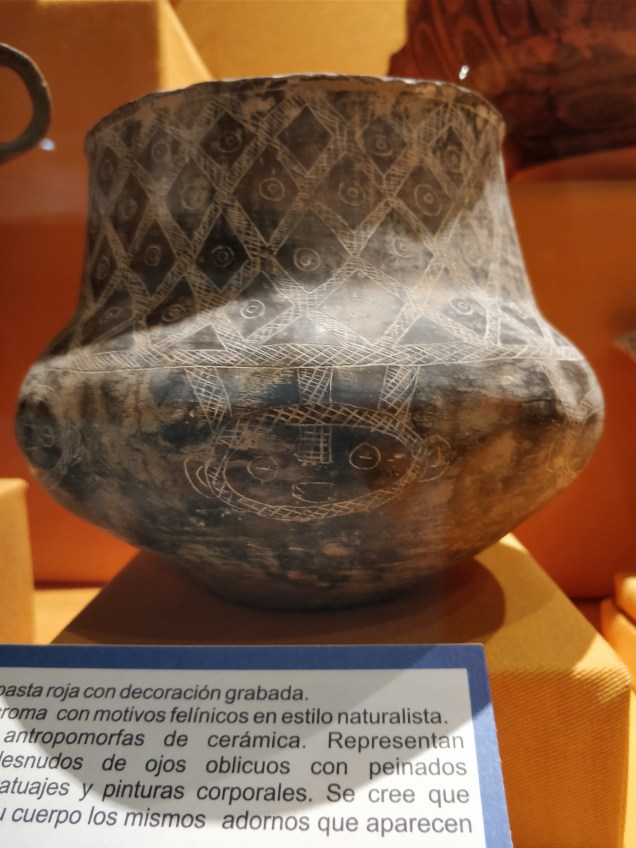
Feline motifs were a big deal and I approve.


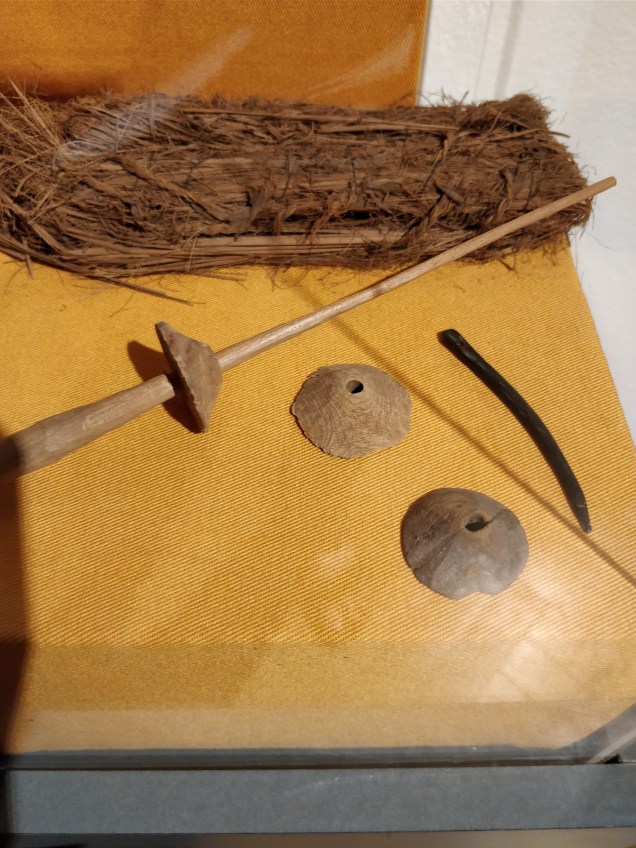
Drop spindle, remarkably similar to my own.


LLAMA


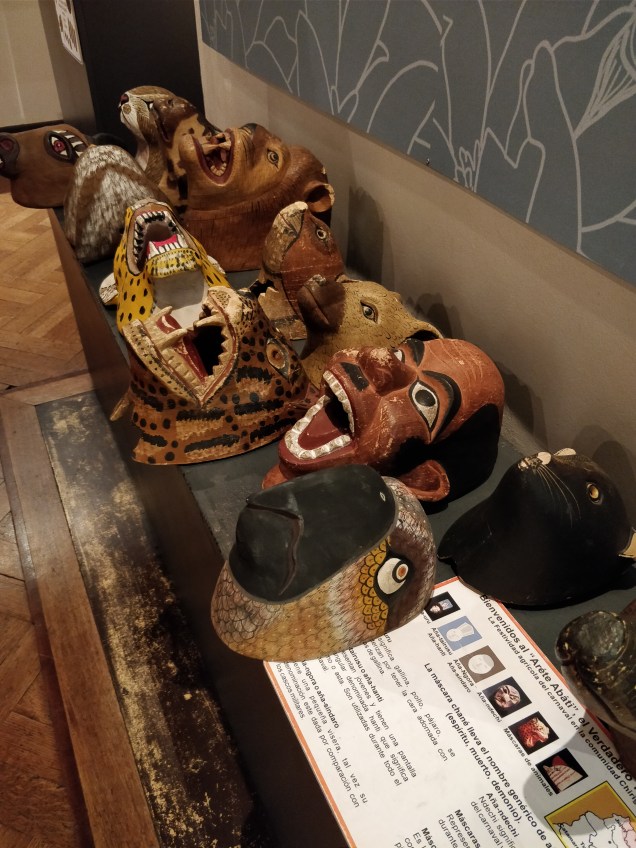
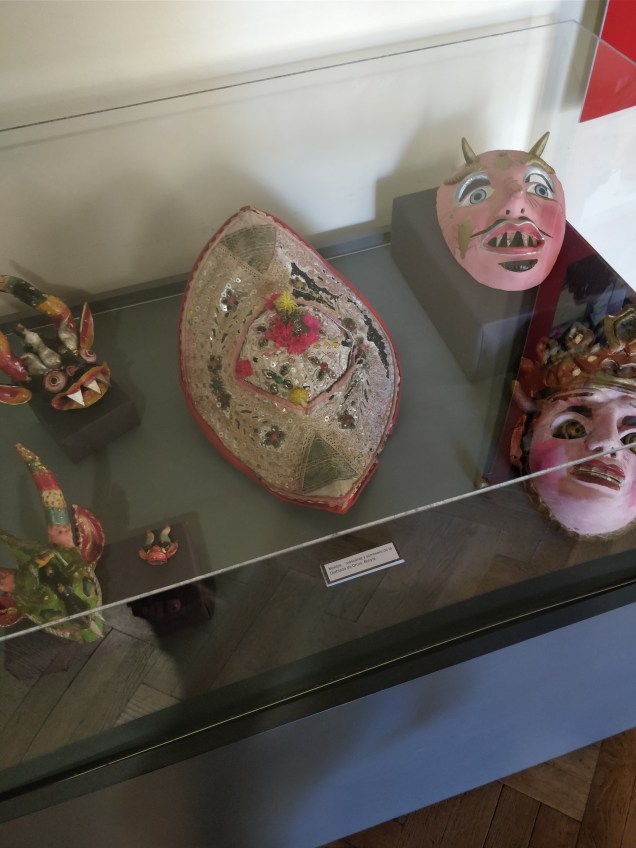
The exhibits then move into the contemporary culture and works of different peoples, which I am not going to try to get into too much because this has been a five-day weekend and my brain has melted. This includes the festival of Aréte Abáti, a harvest festival in the Chiriguano Chané community of Jujuy and Salta.

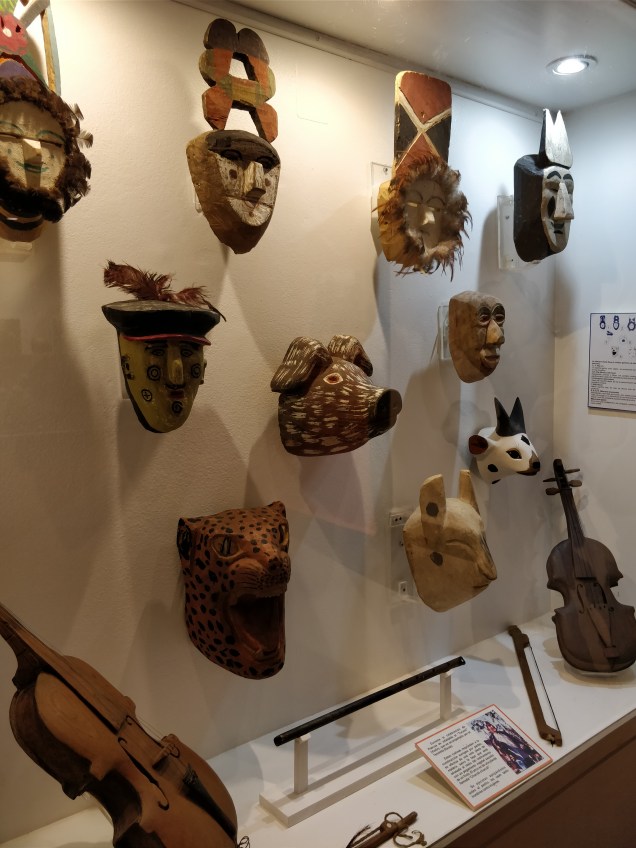
The masks are part of that festival, and, ever the fan of interactive museum exhibits, I was pleased to see a selection of masks available for handling.

Being a textile nerd, I also enjoyed the display and information on the weaving of the Wichí people (Jujuy and Formosa). A plant called chaguar is gathered (not cultivated) and its fibers are woven into a number of goods:

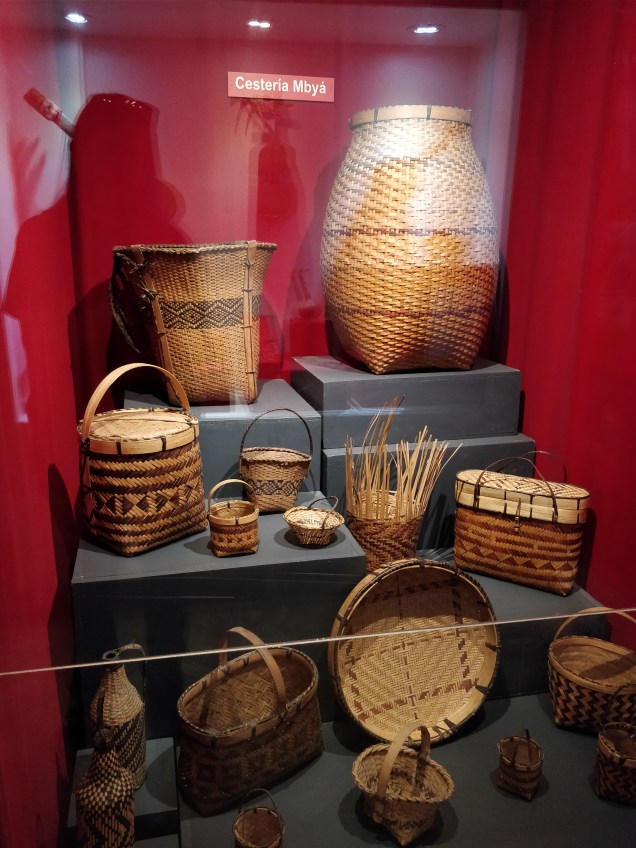
Representative crafts are also displayed from the Mbyá (Misiones region):


I have always been a little nonplussed at the use of “basketweaving 101” as a joke for an easy class, because you cannot do this.


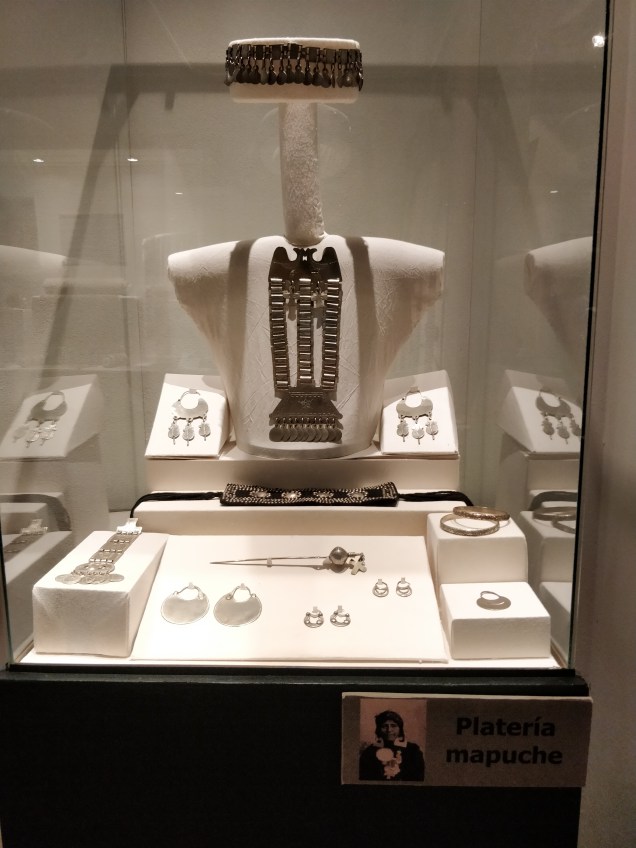
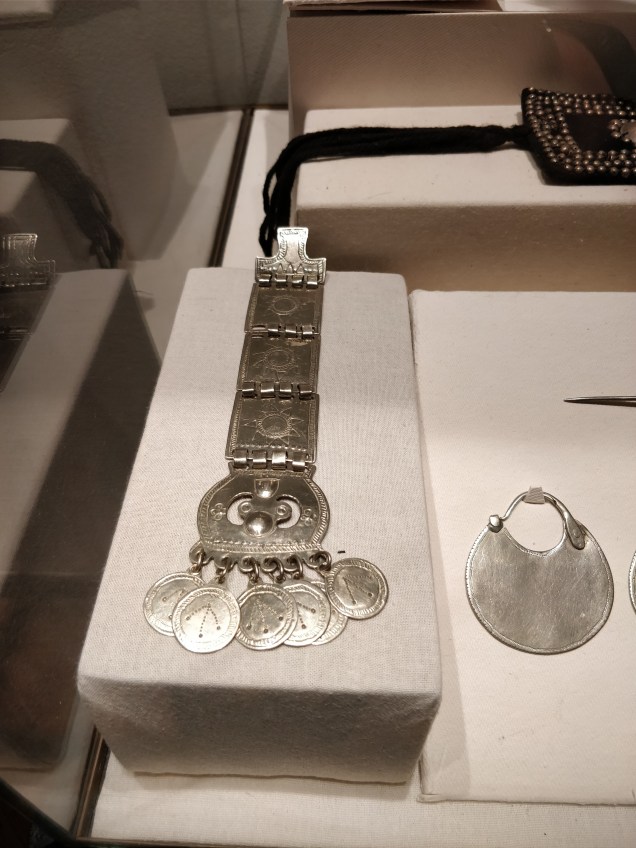
And the incredible silverwork and textiles of the Mapuche (southwestern Argentina):


Look at the textiles, y’all. Dang.


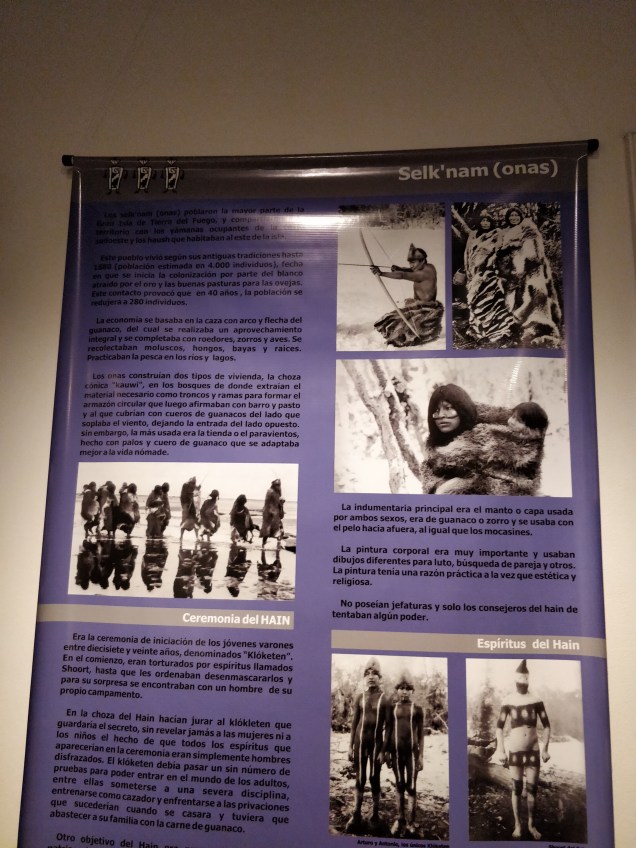
There is also an exhibit on a culture that did not survive its contact with European settlement, the Selk’nam, who lived in the southernmost part of the country.


During the hain ceremony, male children were initiated into adulthood and shown that the spirits they’ve been taught to fear as children as just adults in masks. The women, in theory, were never taught this, and so I imagine a lot of subtle eye-rolling also happened.


The upstairs portion of the museum currently houses a temporary exhibit (although it’s been in place since last year and has no closing date) called Objetos Poderosos:


Enjoy all the reflections of my Birkenstocks.


This exhibit includes contemporary objects created for traditional celebrations and observances in Latin America:


Carnaval de Oruro, Bolivia


Afro-American religious figure from Brazil (I think it’s Oya, but I’m not 100% sure).


San La Muerte figures, Corrientes.


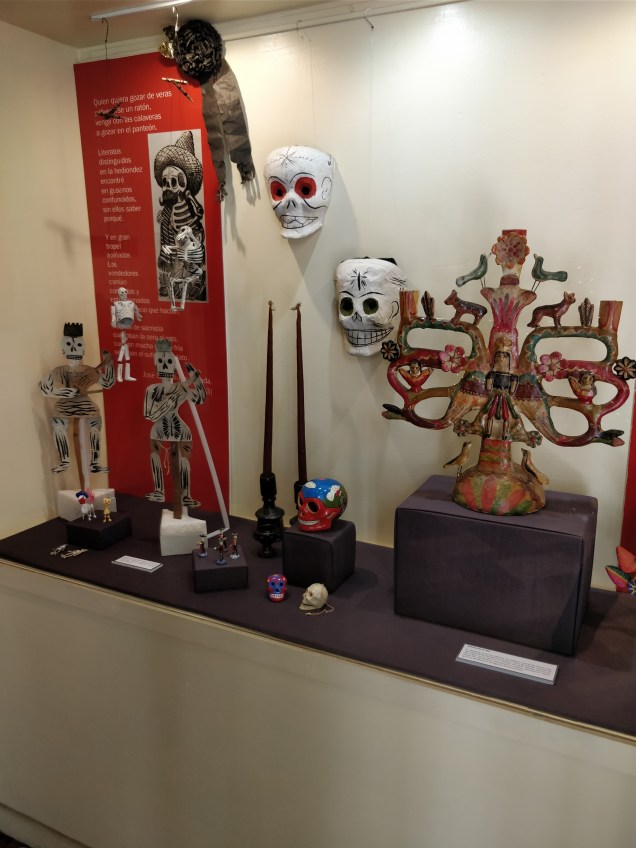
Dia de Los Muertos, Mexico.


And a small display of very neat works by Graciela Henríquez, including this kinetic piece of awesome:

And once again, a mask-themed interactive photo opportunity:


And now, the deets:

LOCATION: 3 de Febrero 1378, Belgrano neighborhood

COST: It’s FREE, BABY

HOURS: Monday-Friday, 10-7

CLOSED DAY: Weekends and holidays

TIME: About an hour

LANGUAGES: All Spanish. The Microsoft translator app is best here.

TOURS: Yes, by arrangement, mostly in workshop form–it’s an education-focused institution. Not a casual tour kind of thing.

SWAG: Hey yeah there is! The entry hall has a couple of museum-branded bags as well as pieces of indigenous craft. There’s also a selection of (Spanish-language) books available.

HOW TO GET THERE: Close to the Olleros station of the D line of the subway.

KIDS: Sure! School visits are their jam, so they have tried to make the place kid-friendly.

FOOD IN THE AREA: Lots of cafes within a few blocks.


Museo de Arte Español Enrique Larreta [Enrique Larreta Museum of Spanish Art]

Among the many small but charming museums in Buenos Aires is Museo Larreta. Bearing in mind that my Spanish is, let’s say, “raw,” my translations aren’t super awesome and might be corrected as I, you know, learn more stuff.

The museum is in the home of Argentine writer Enrique Larreta, and the collection is principally his own, because when super rich people spend time abroad they often return with a lot of Renaissance-era tchotchkes. Larreta was born in 1875 to a wealthy family, wrote a book I understand to be an important piece of Argentine Hispanic modernism called La Gloria de Don Ramiro set in 1500s Spain, was ambassador to France from 1910-1919, and wrote some other stuff that does not get near the play that Don Ramiro gets. It might be charming-sized for a museum, but for a house in the middle of the biggest city in South America (when it was built), it’s damn near palatial.

Incidentally, this is one-third of Larreta's homes.
How palatial? Half-a-city-block palatial.

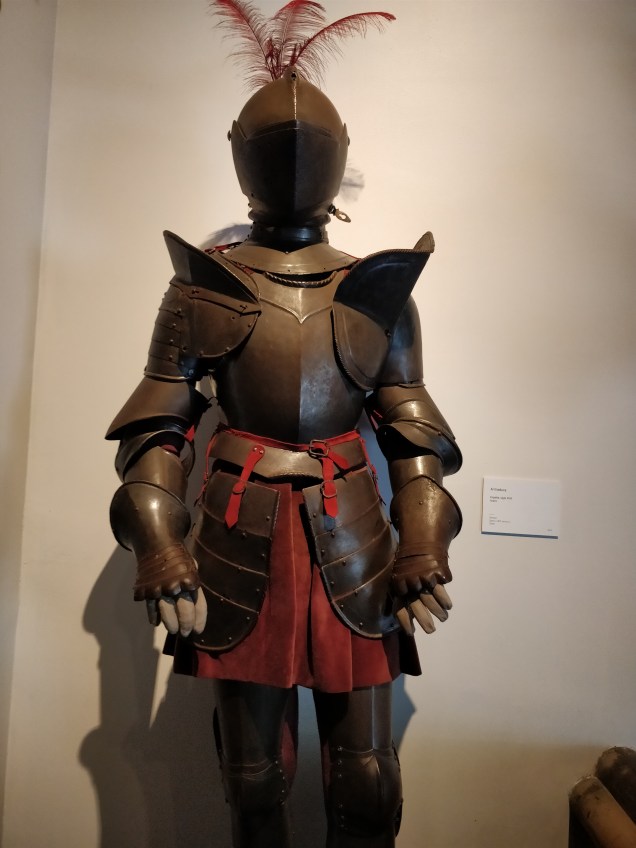
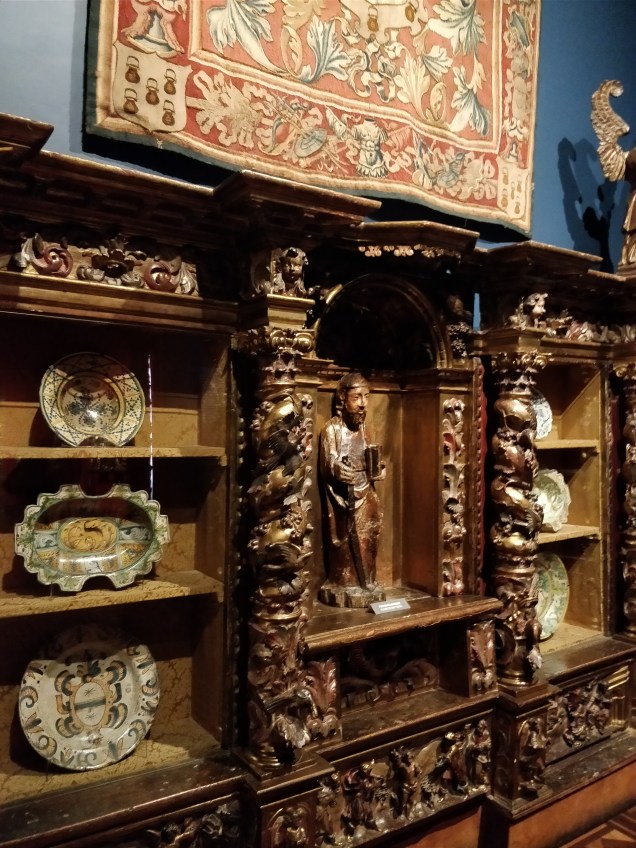
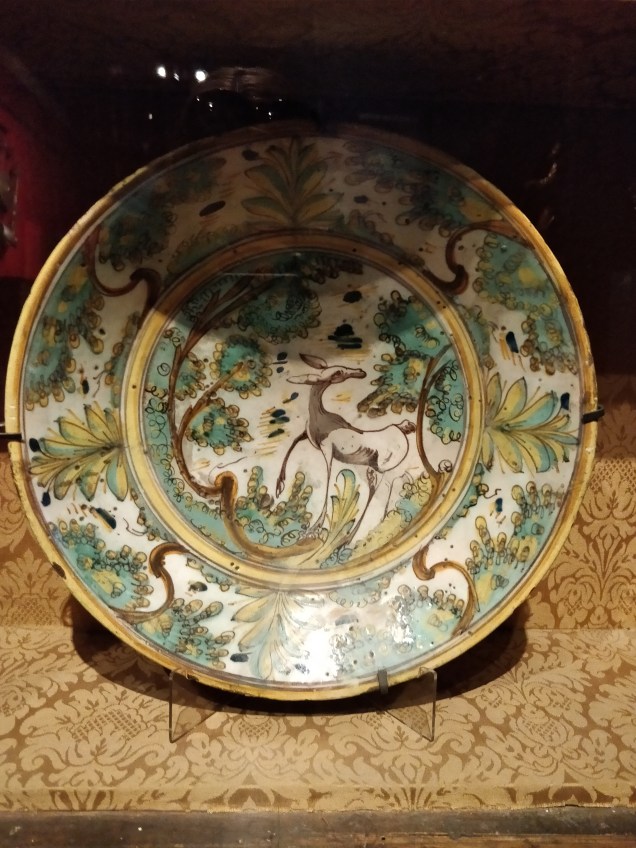
The museum is mostly items from Renaissance and Baroque Spain, as Larreta was really into the Spanish Golden Age. He brought back furniture, paintings, carvings, and even curtains.

He’s at the door, reminding you not to touch anything.
How do you even buy Baroque cathedral curtains? Are there cathedral rummage sales?
Curtains from Jaca Cathedral, 17th-century Spain. Velvet, silk, and metallic threads. How do you even buy 17th-century cathedral curtains? Are there cathedral rummage sales?


Oh this old thing?
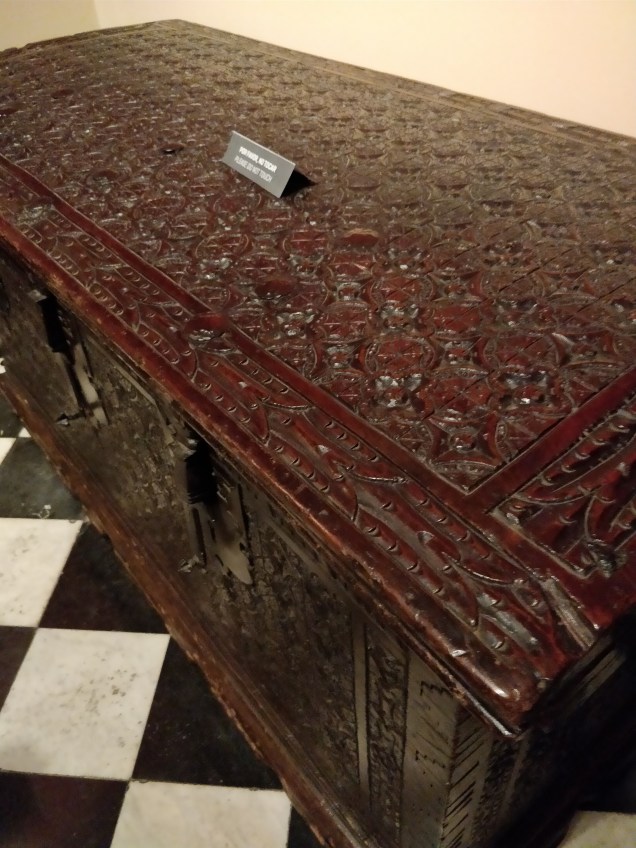
Arcón [chest], 16th-century Spain, wood and iron, definitely not a coffin.


The museum includes rooms devoted to Larreta and his life, as well. The family’s chapel room, the dining room (where those curtains are located), and the writer’s study are set up for visitor perusal.

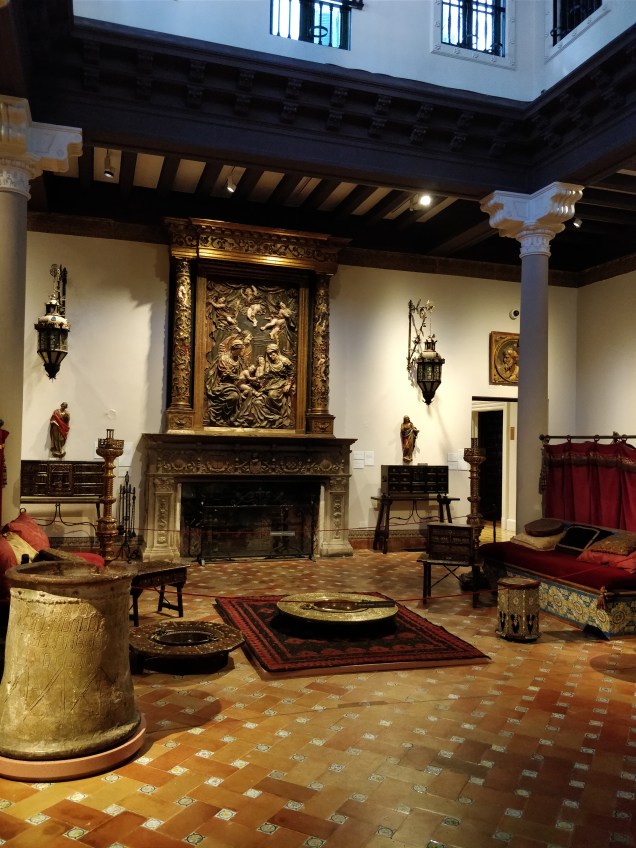
The main room of the house. Cozy!


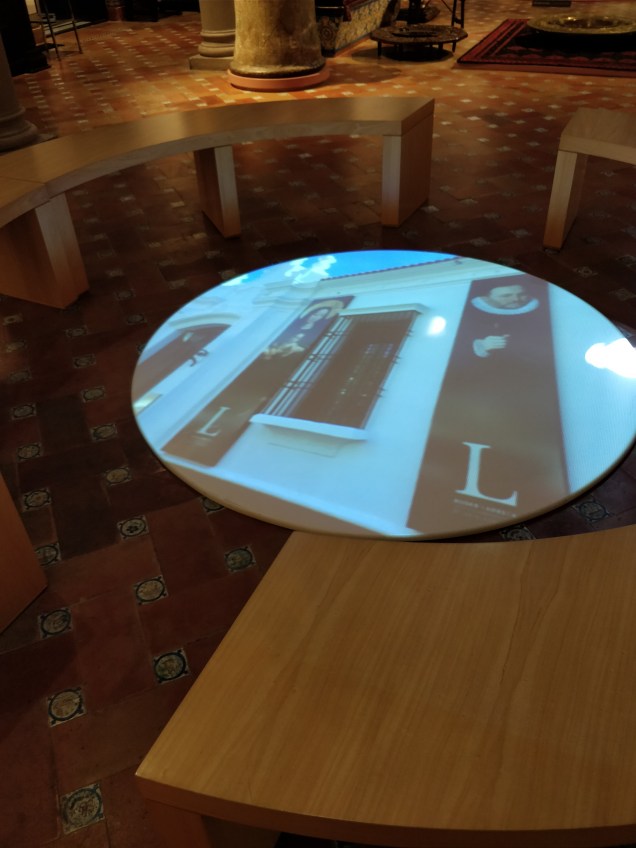
Projection show of the museum’s history.


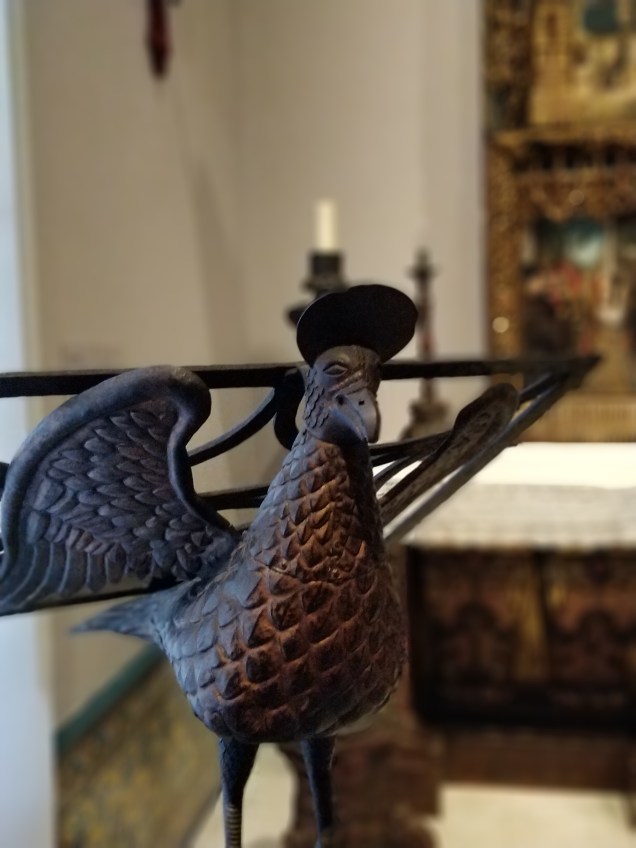
Look at this glorious chapel lectern.


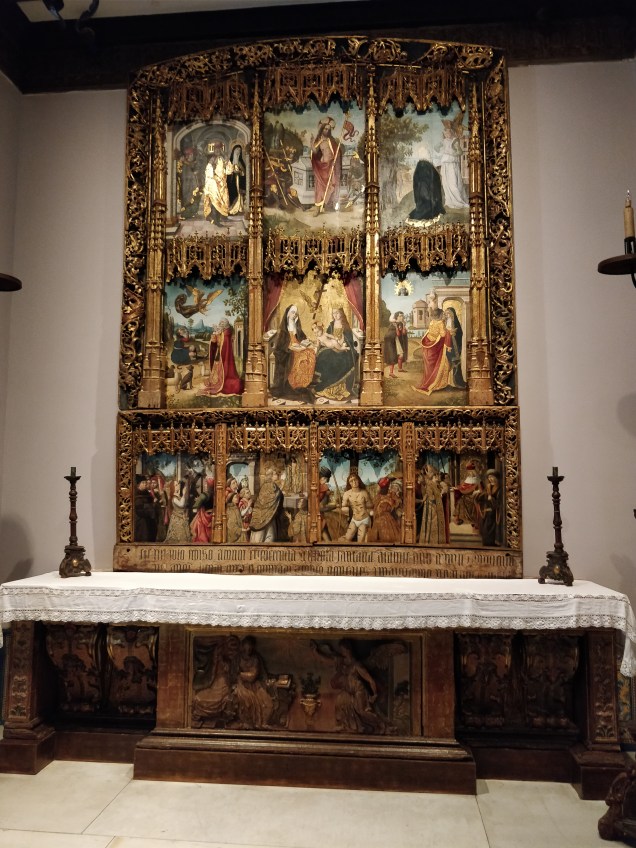
This chapel room, a common feature in ritzier houses, could host weddings, baptisms, and masses. Here’s the very understated altar.


It was Professor Plum in the study with the candlestick!


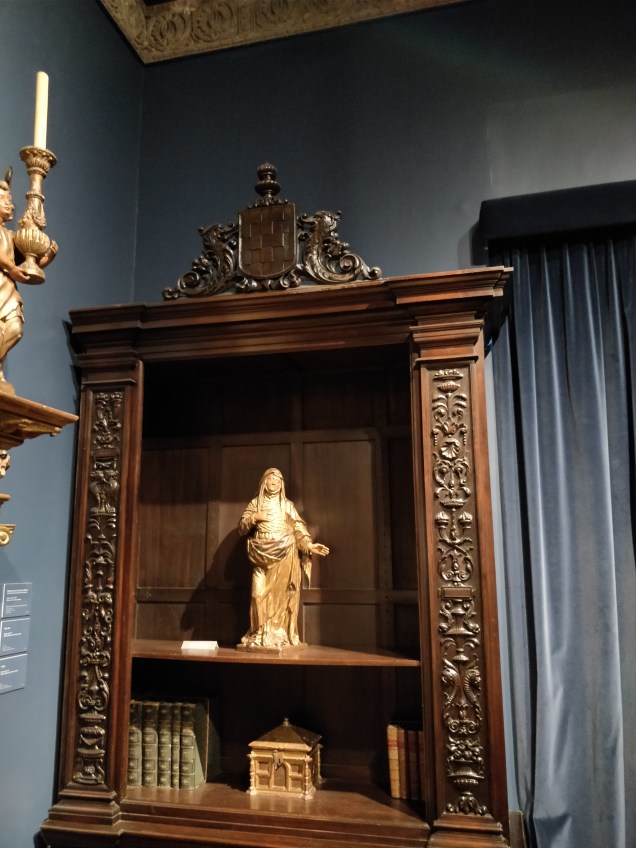
The study bookshelves have the Larreta and Anchorena family crests carved on them.


If Larreta never used these as snack bowls while working, I don’t even know what we’re doing here.


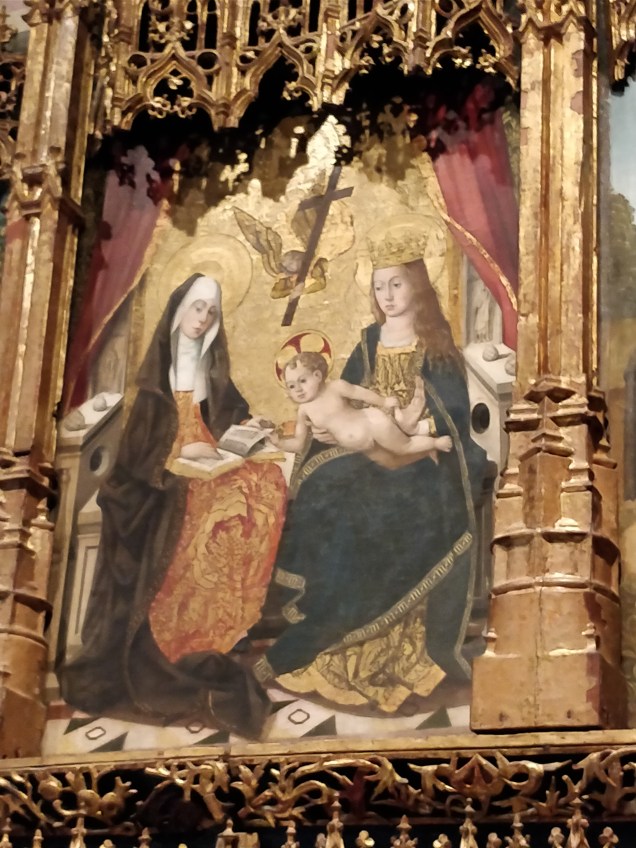
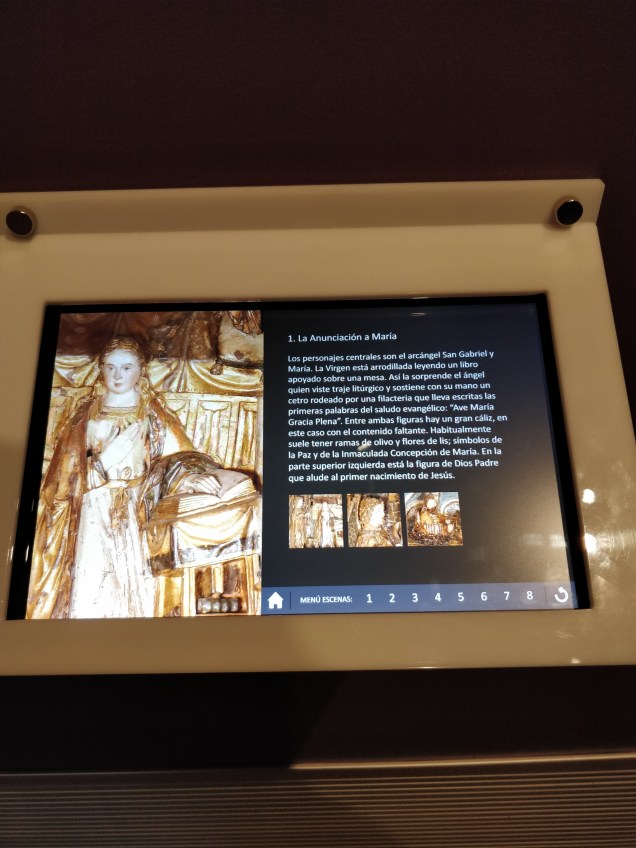
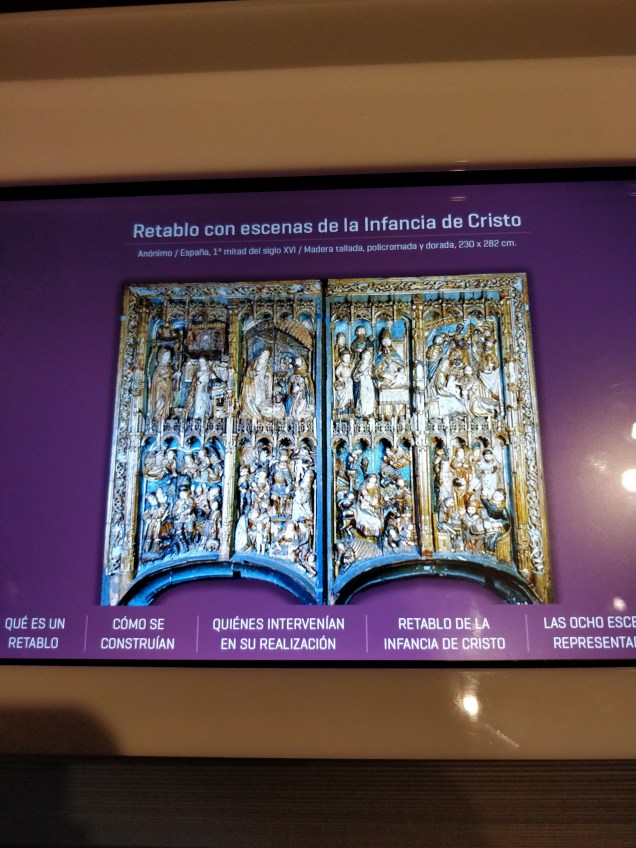
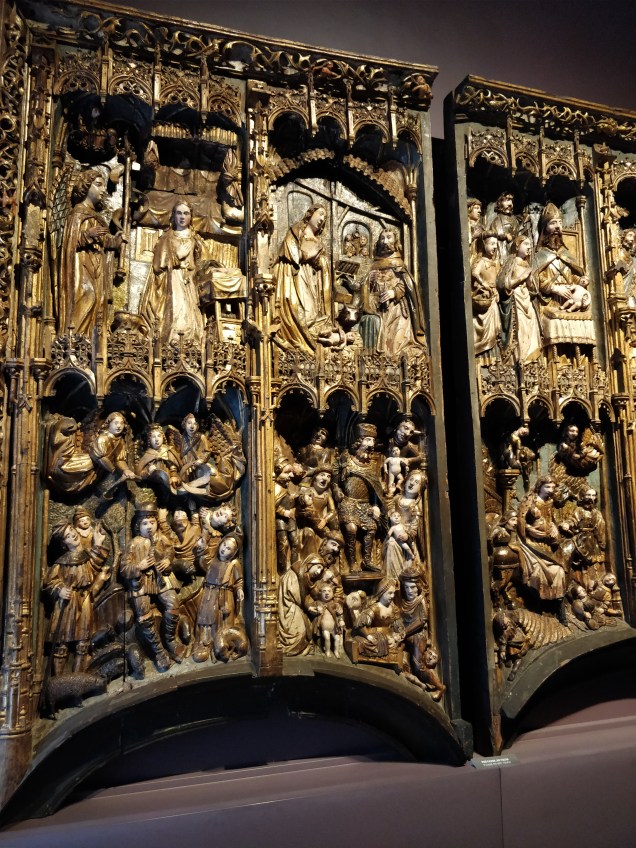
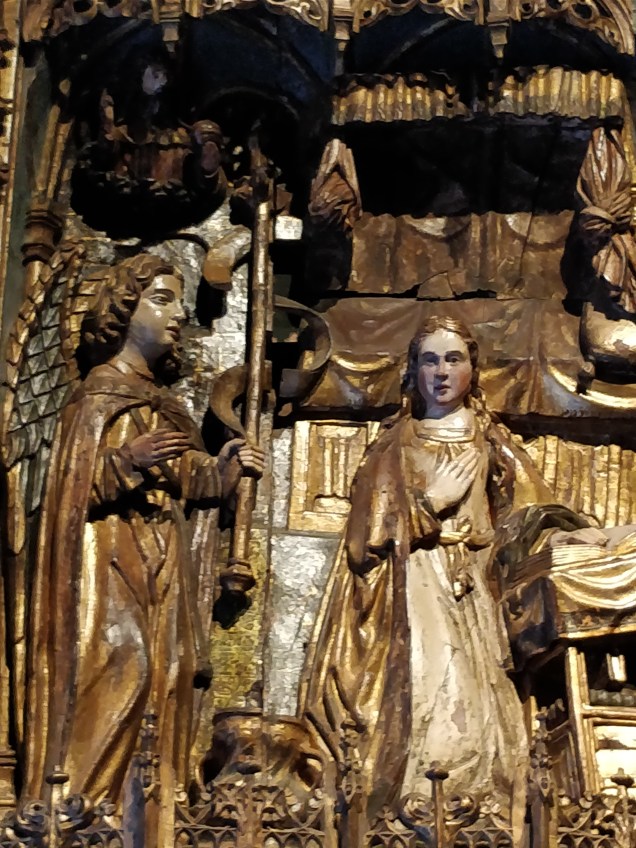
The museum has incorporated some multimedia elements, including the floor show pictured above in the main room. The best use of multimedia is the touchscreen information display for a large altarpiece in the Sala de Infancia de Cristo.

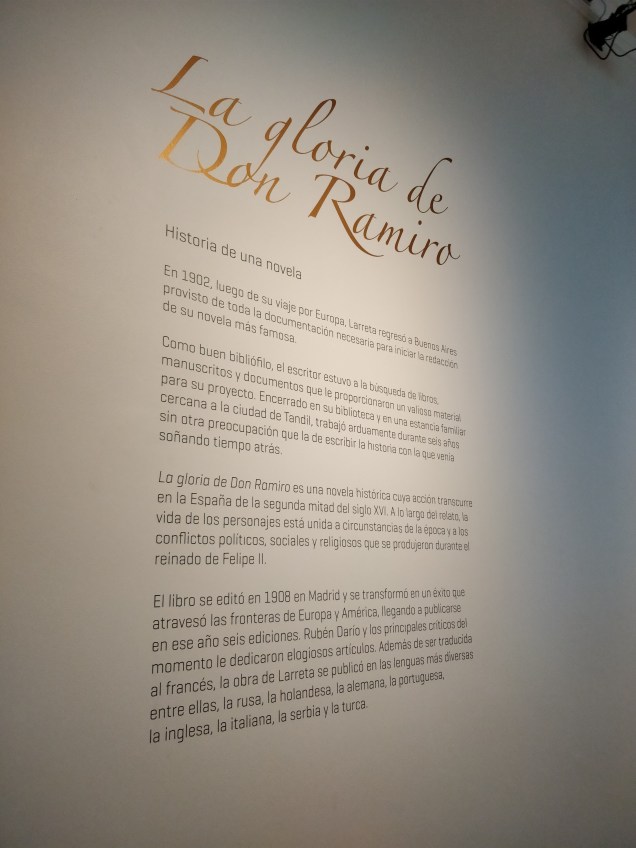
The room dedicated to Larreta’s most famous work also includes a decorative media element.


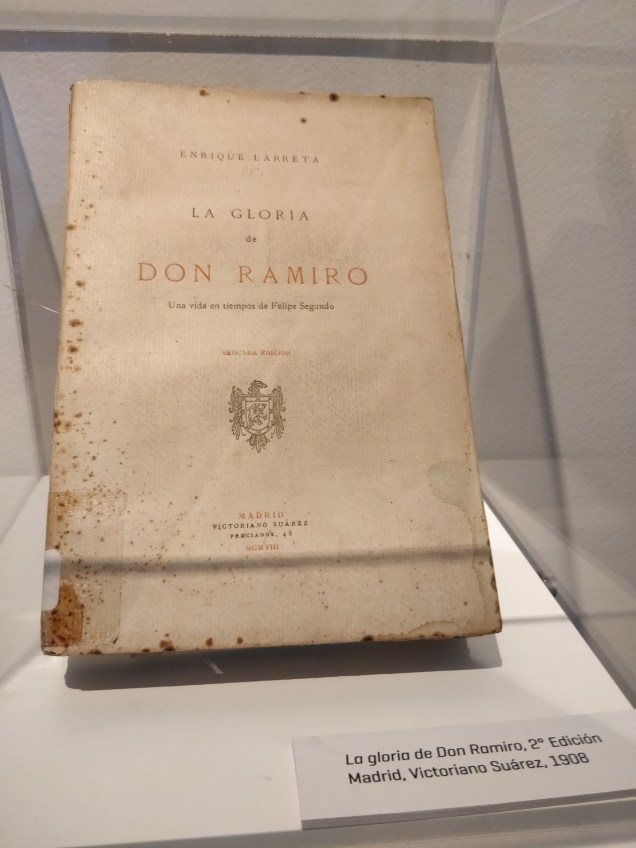
First editions must be pretty scarce if the dude’s own museum couldn’t score one.


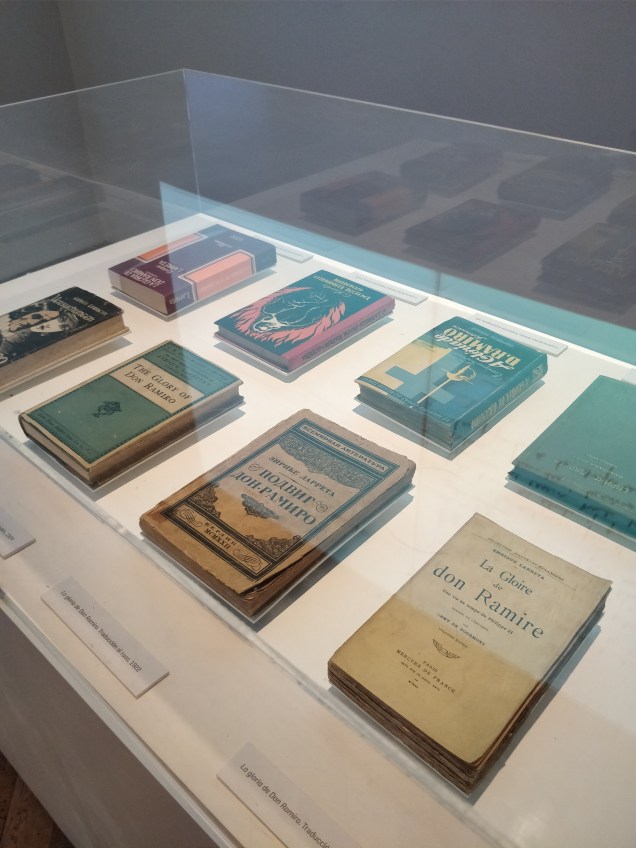
The novel was widely translated at the time, but it’s not easy to find an English copy these days. You can download the 1924 English edition here.


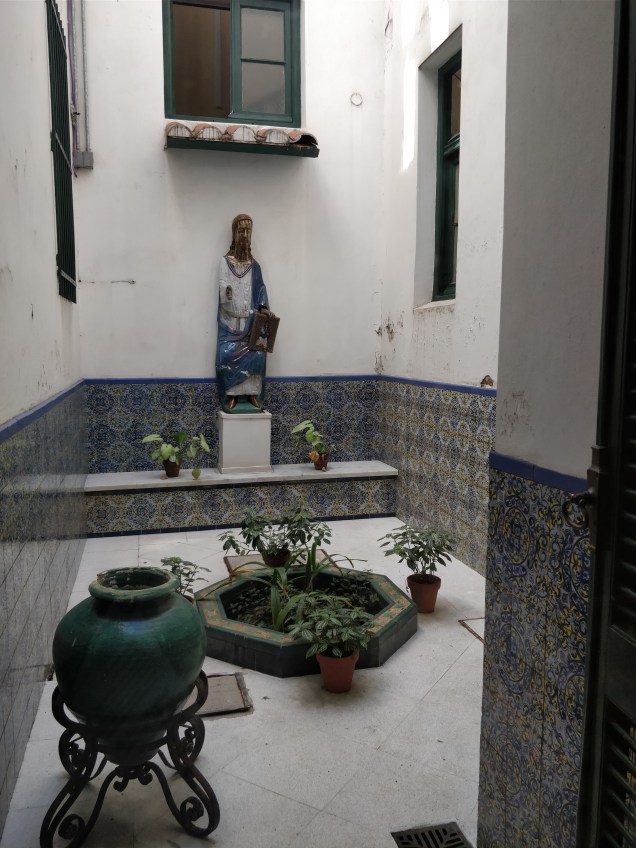
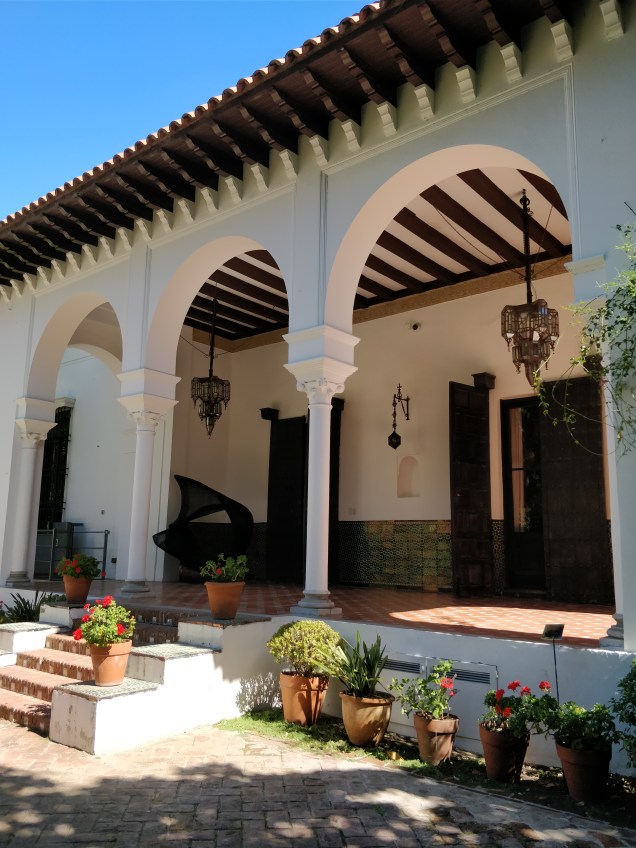
Other notable views for looky loos are the amazing Andulsian patio:


You can’t go out there, just take a peek.


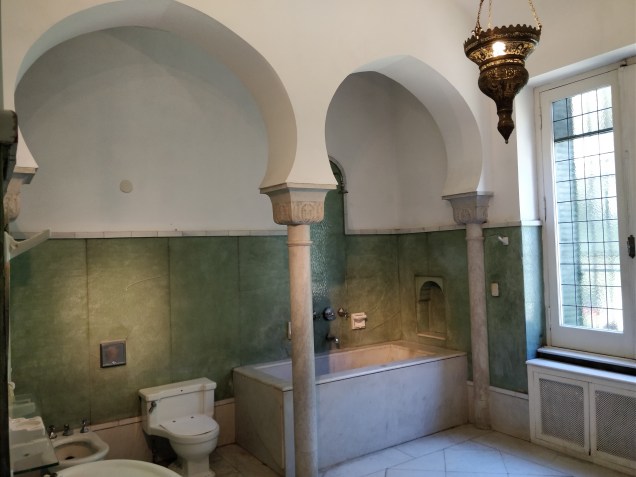
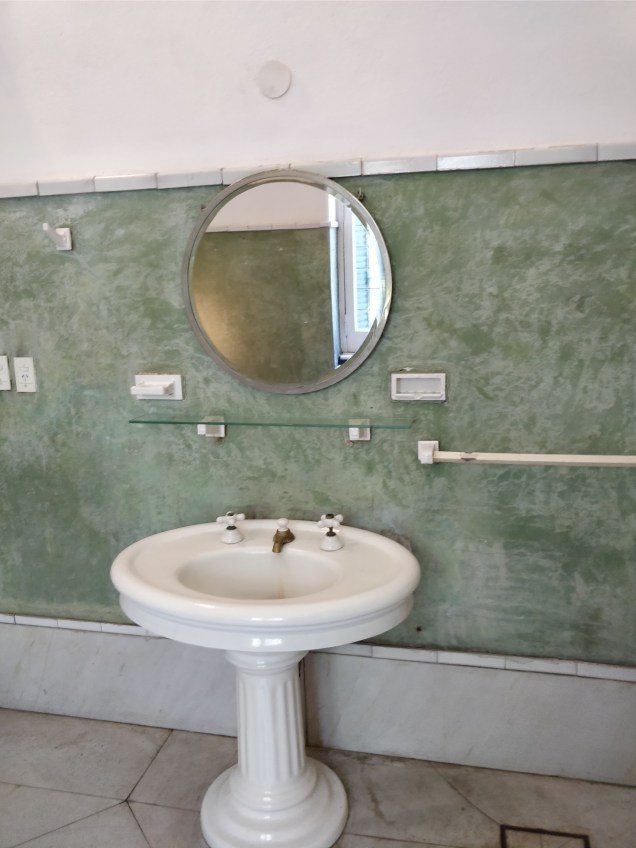
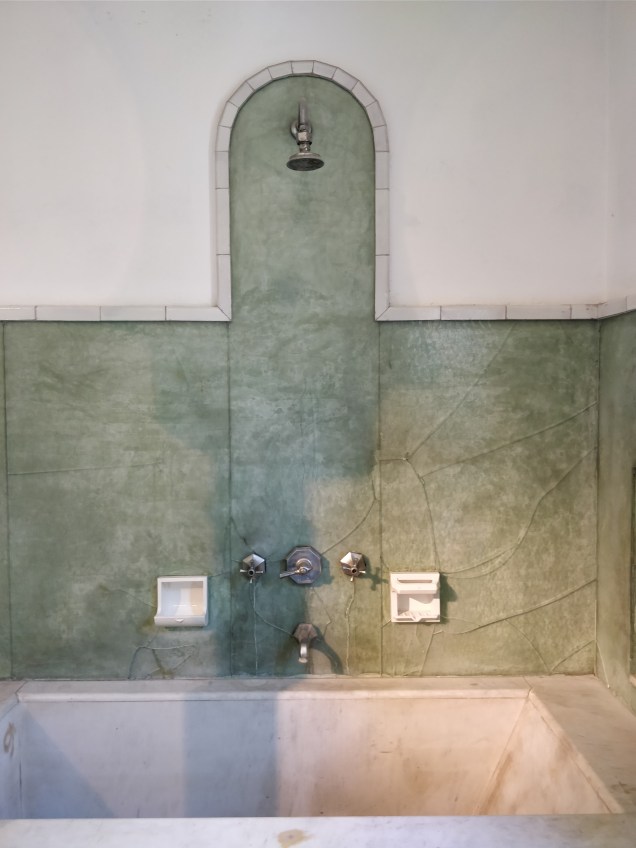
And the impressive, Moorish-influenced bathroom:


Check out that light fixture.


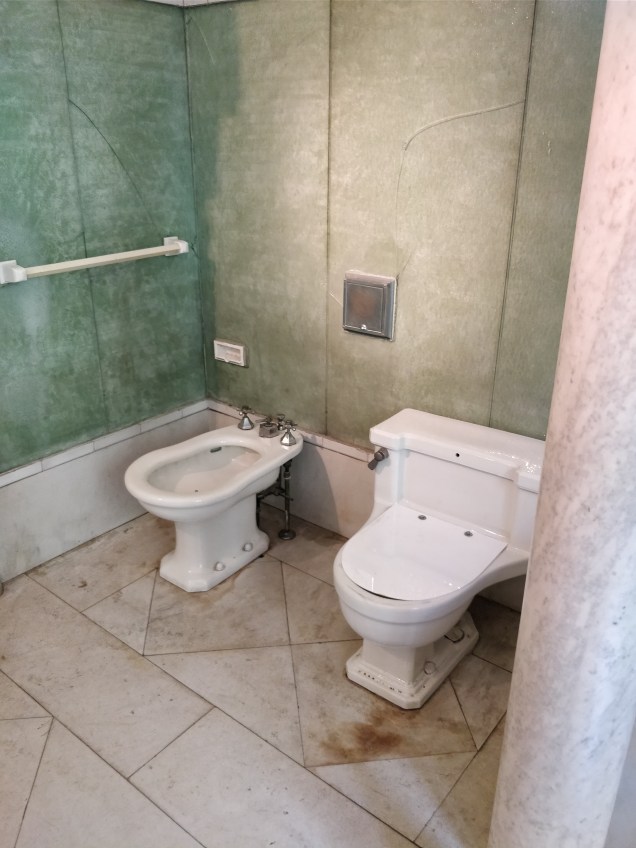
Bidet on the left, and yes, they are totally normal bathroom equipment in Argentina today.


Deep, yet narrow.


All that space, and it’s still a tub-shower combo.


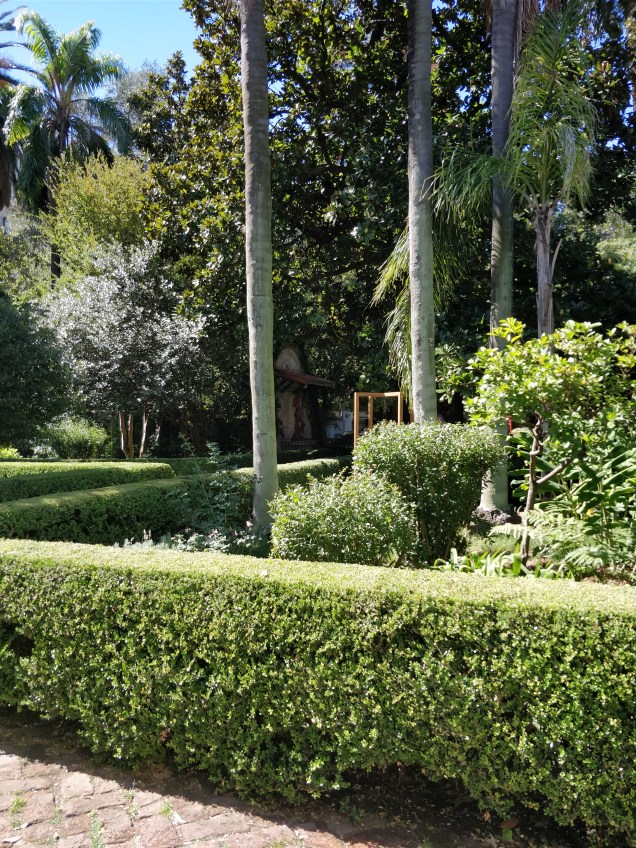
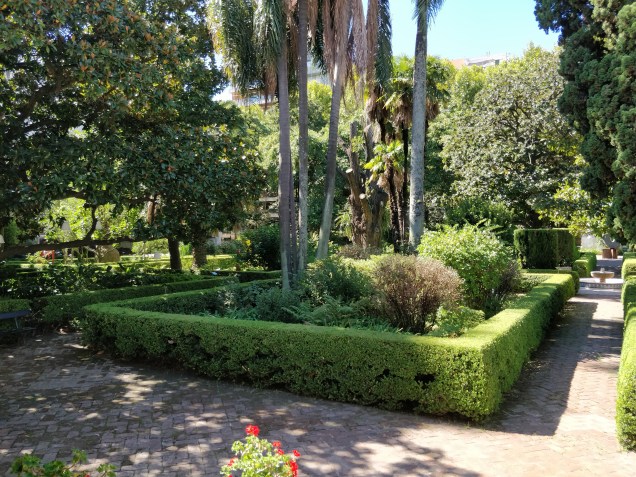
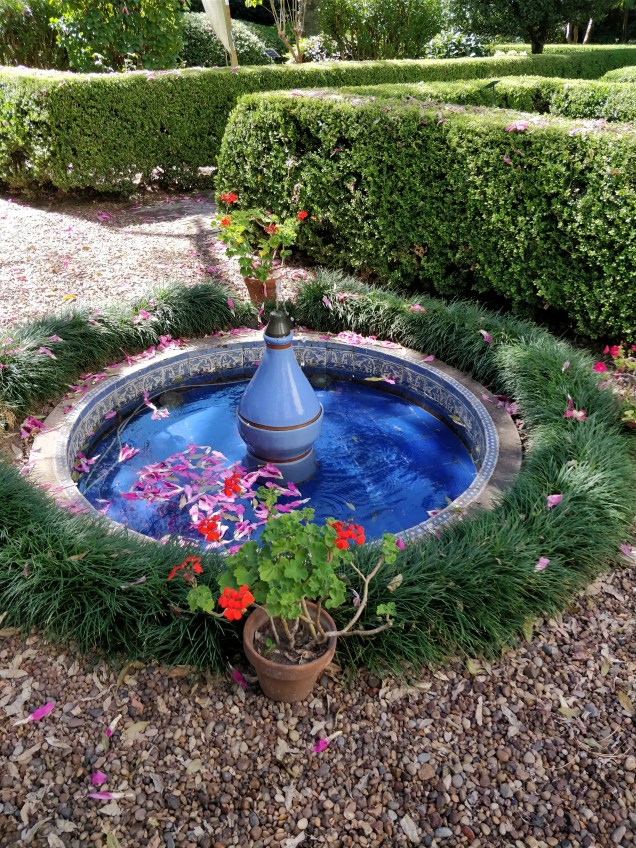
My favorite part of the whole shebang, though, is the garden. Full of paths and lovely features and also cats, it’s great for meandering.


The dark blotch in the middle is a cat.


The garden views inspire reflections, such as: How much money did these people have? Was it all the money?


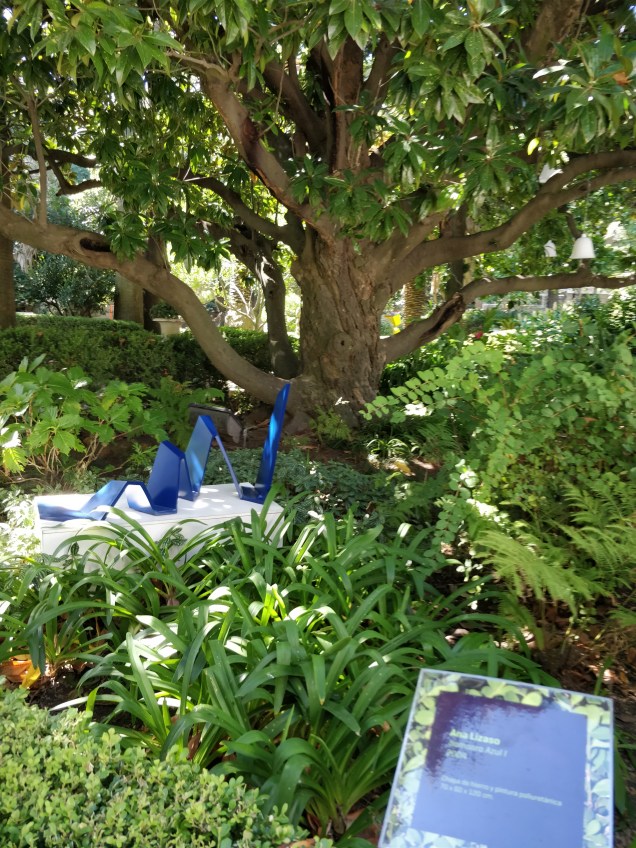
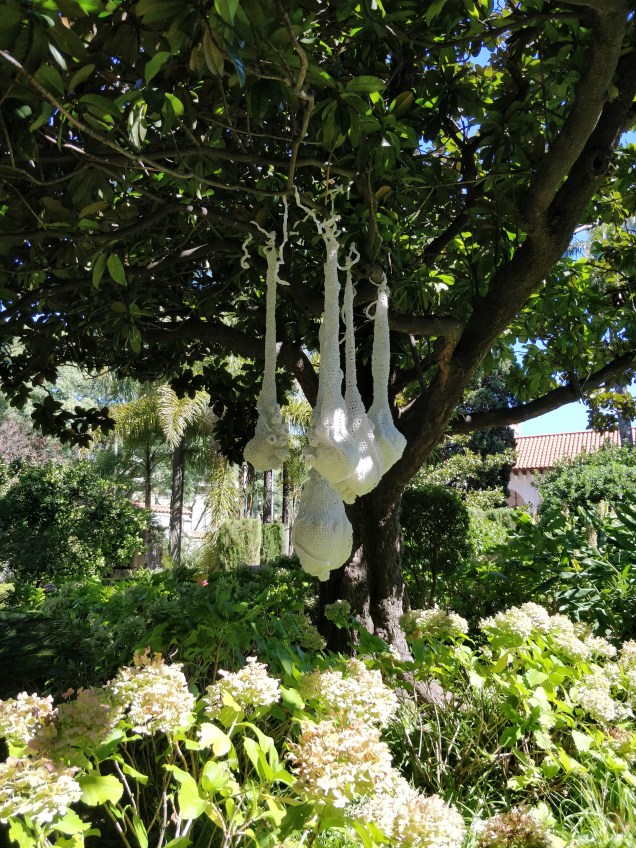
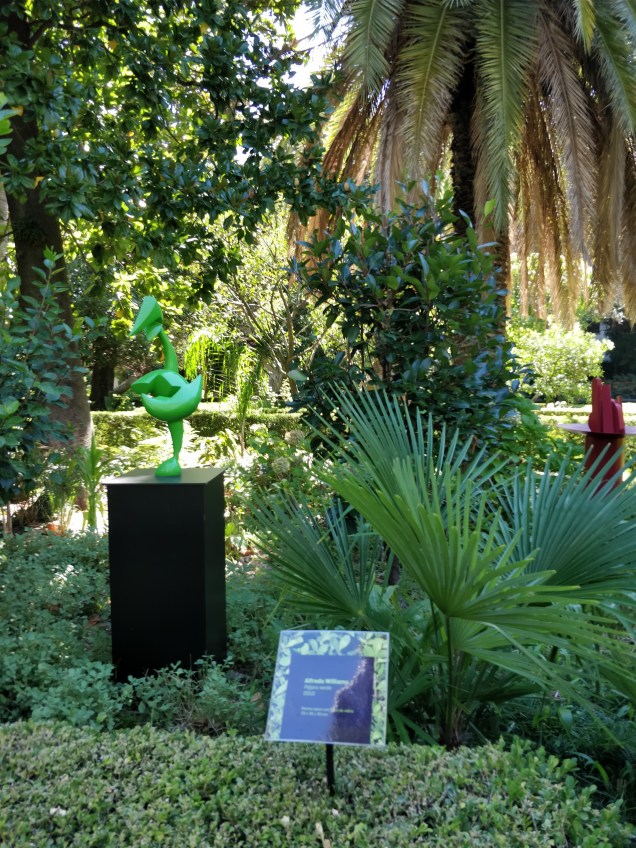
The garden has a contemporary sculpture exhibit throughout, often incorporating living elements of the garden:

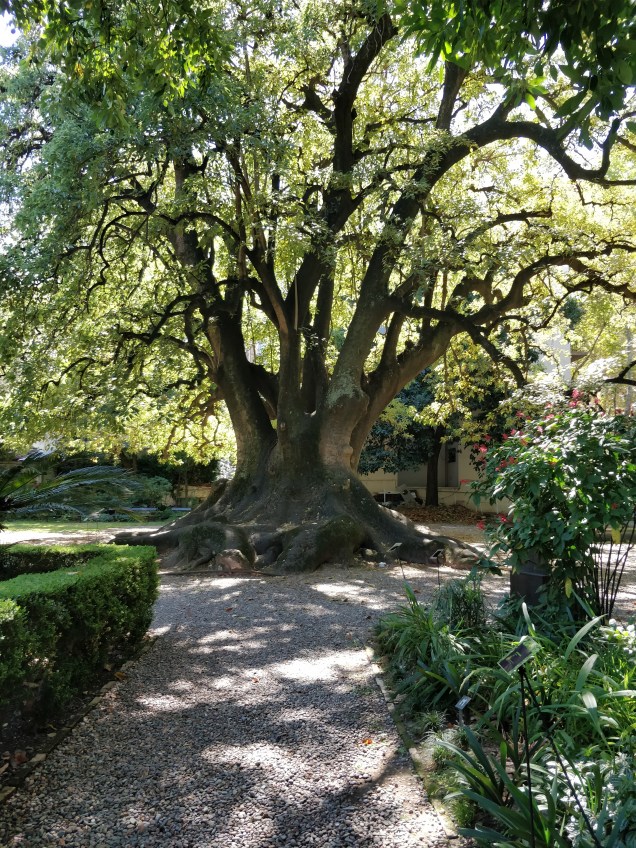
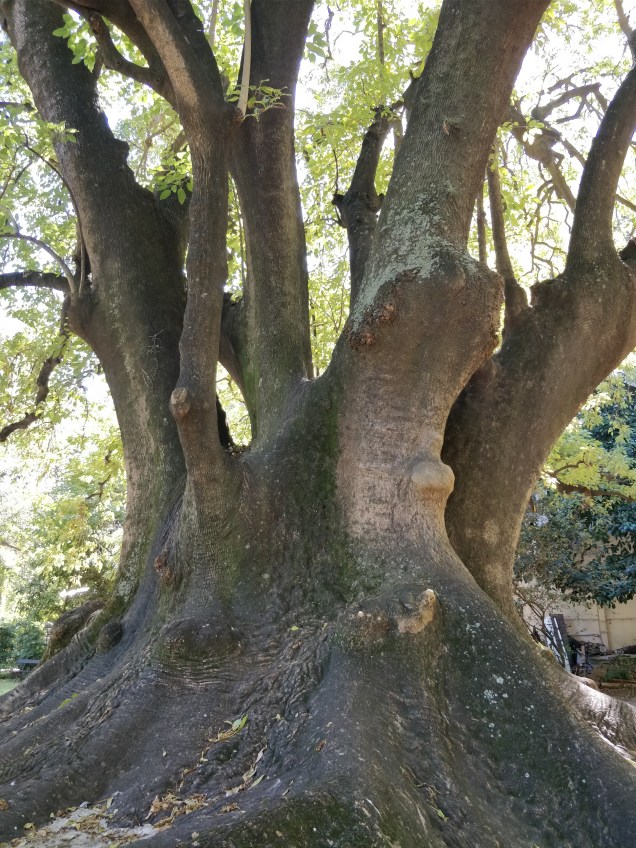
The best part of the garden is the ombú tree. Planted about 100 years ago by Larreta’s son, the ombú is enormous. It’s hard to get a sense of its scale from a photo.

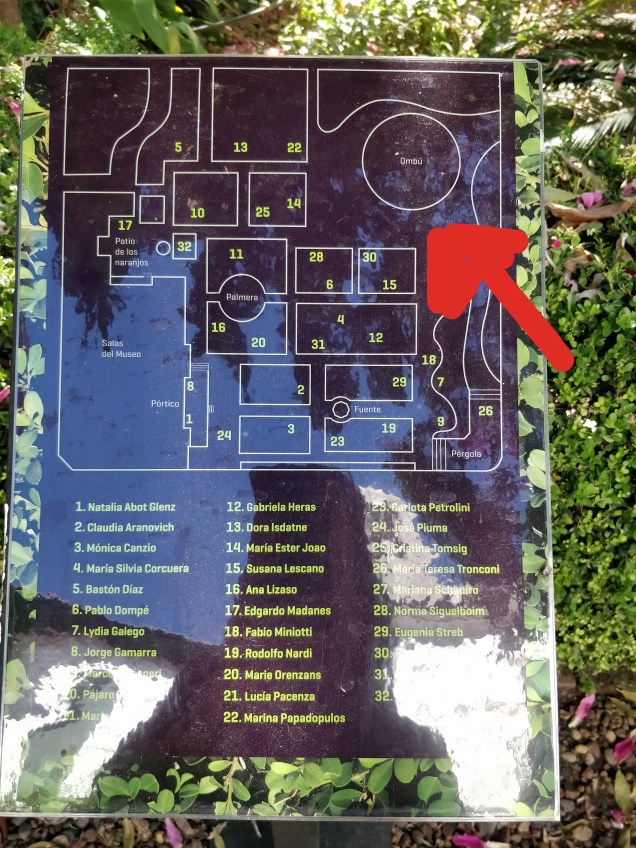
So here’s the garden map, to give you an idea of its size.

So let’s get down to brass tacks:

LOCATION: Juramento 2291, Belgrano neighborhood

COST: 30 pesos ($1.50 USD), free for students, seniors, kids under 12, people with disabilities; general admission is free on Thursdays

HOURS: Tuesday-Friday, 12-7; Saturday and Sunday, 10-8

CLOSED DAY: Monday

TIME: 1-2 hours

LANGUAGES: Only the bare minimum of the signage includes an English translation, but the photo function of the free Google translator app or the Microsoft translator app work pretty well; you will definitely get the gist.

TOURS: There are scheduled guided tours of the museum and garden in Spanish.

SHOP: There is no shop, but you can purchase a nice booklet of the museum for 80 pesos ($4.00 USD) or a fancy edition of La Gloria de Don Ramiro (for much more than that).

HOW TO GET THERE: The museum is very close to the Juramento stop of the D line of the subway and a yellow tourist bus stop.

KIDS: Not recommended for little kids. There’s nothing particularly interesting for them, pieces are out and easy to reach, and if they’re short and run off in the garden, you’re gonna lose sight of them.

FOOD IN THE AREA: There’s a nice cafe attached to the museum and several types of cafes and restaurants within a few blocks.