Museo de Patología de la Universidad de Buenos Aires [Pathology Museum of the University of Buenos Aires]

The Museo de Patología was the first museum established within the University of Buenos Aires, in 1887.  The first specimens came from the medical school hospital, and later, small collections from other hospitals were incorporated, making the museum an interesting piece of heritage for the medical school.
Sooooooooo…..

This museum is really a collection of specimens in jars.  Like, body parts. There were so many fetuses, you guys.

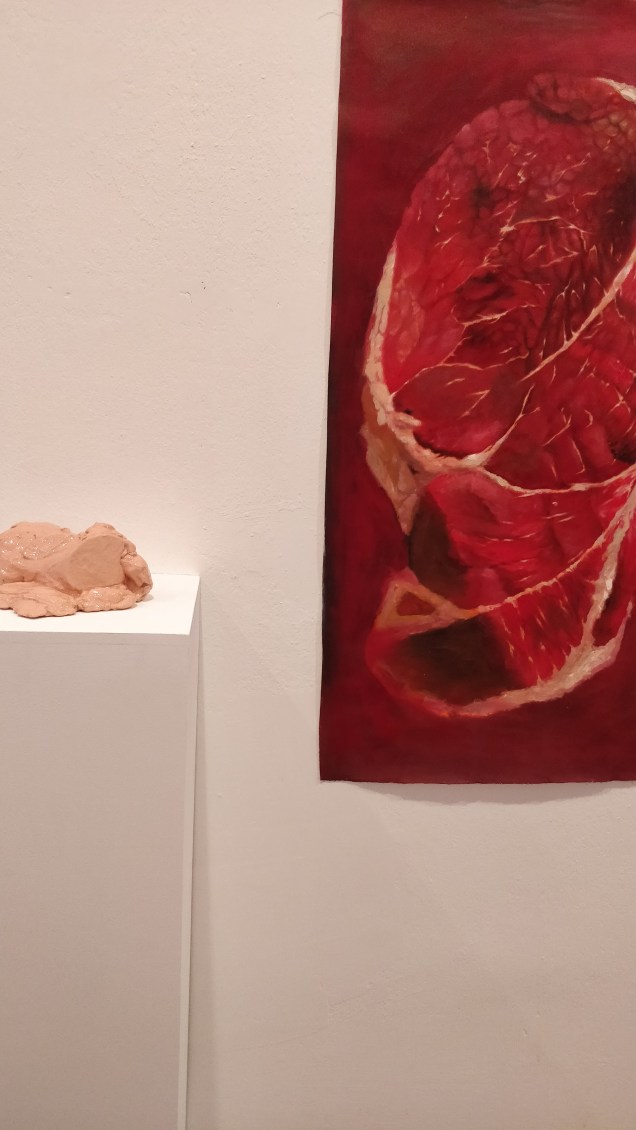
As you might imagine, the museum has a notice posted admonishing visitors to consider the collection a place of learning and reflection and not a freak show gawk fest. Understandably then, photographing the specimens within is not permitted, and I did respect that. But holy shit there are people who did not and so there are photos available on Google Maps. They don’t include what were grimmest for me personally, so yay?

IMG_20180810_144514.jpg

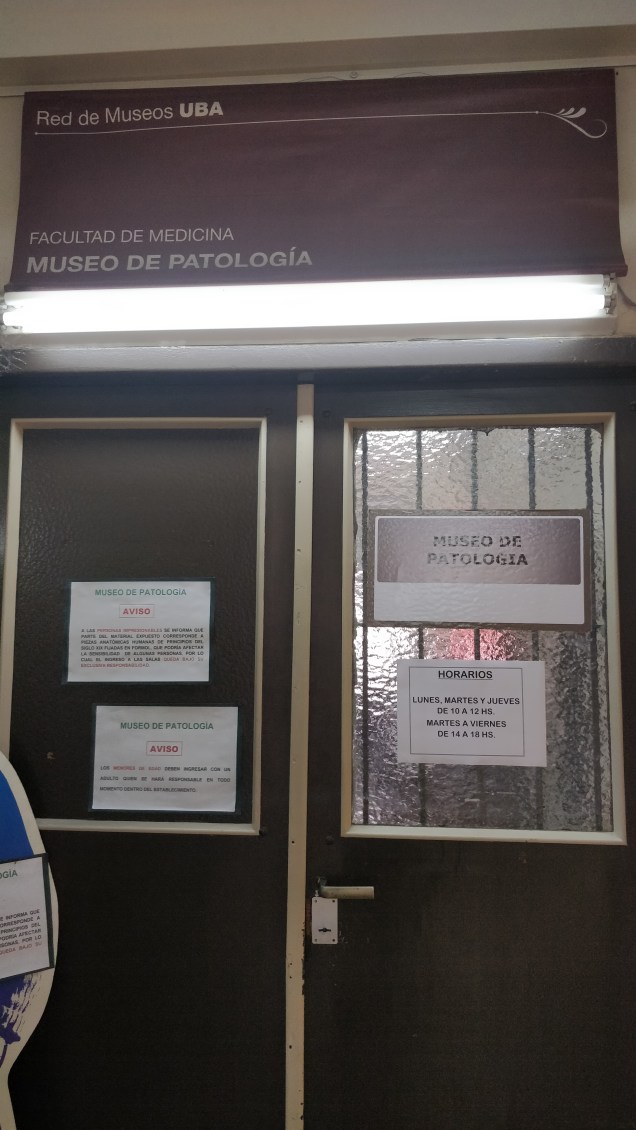
The museum is tucked away on the third floor of one of the UBA’s medical school buildings. You can just walk in, sign in, deposit any backpack you might be carrying in a locker and continue to the collection. Before you enter the actual zone, you might take a look at the exhibits they have outside the door.

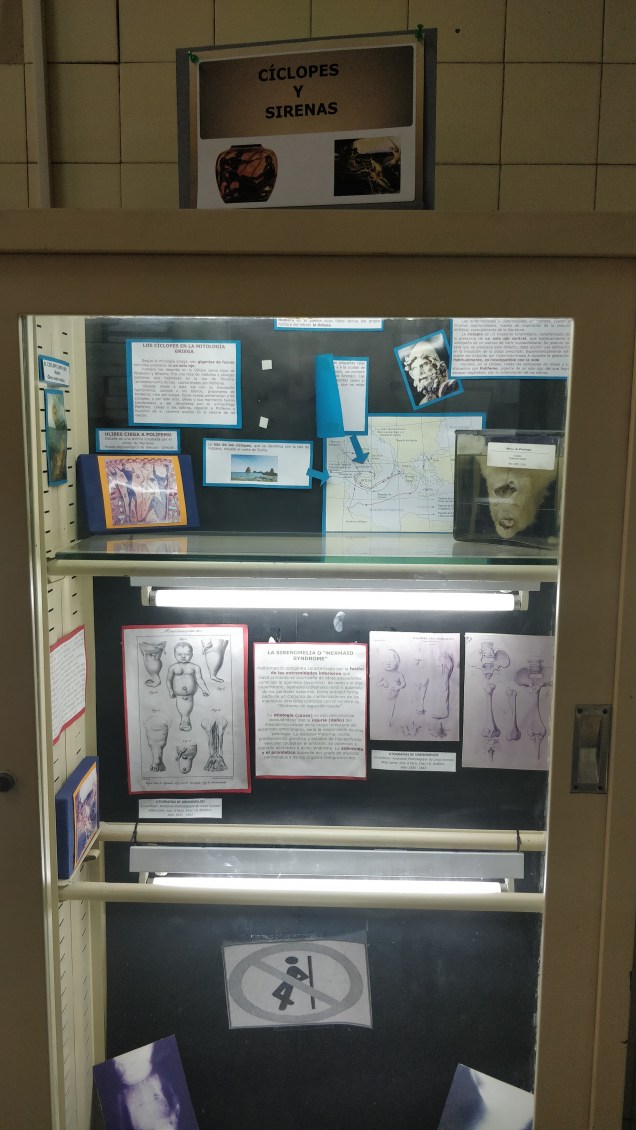
Stock-photo cool guys are prohibited.

These exhibits have a few of the milder specimens, and give some information about the pathologies involved.  If you’re disappointed by the lack of a human specimen example for mermaid syndrome, don’t worry–you can find one inside, you absolute lunatic.

IMG_20180810_141324.jpg
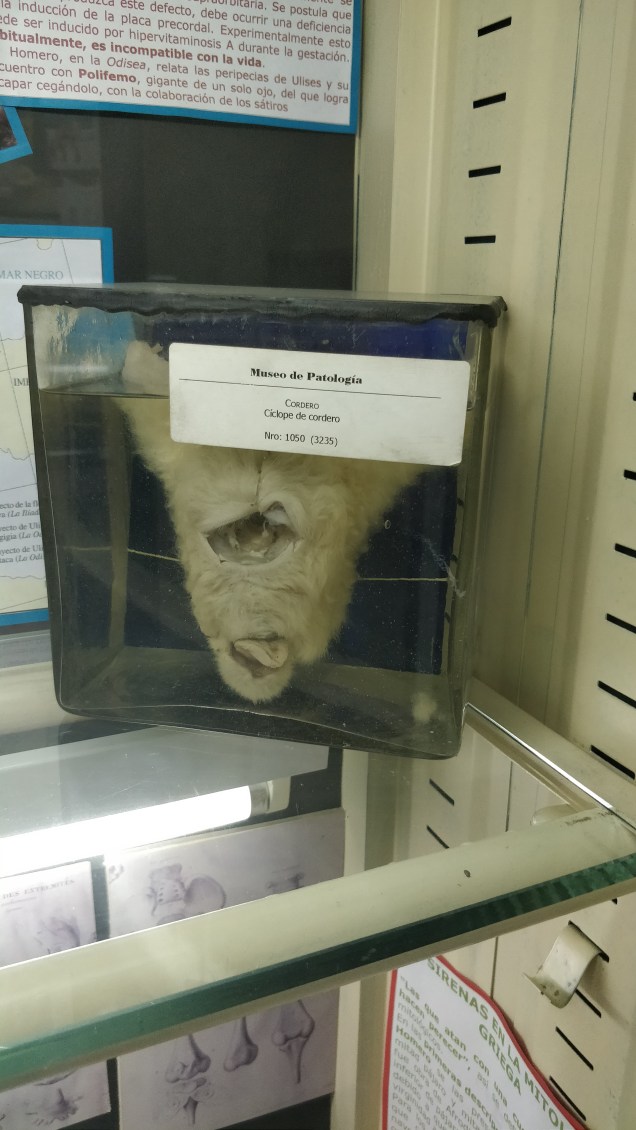
This is the head of a sheep with cyclopia. There is a human specimen inside. There’s a lot of sad stuff inside.

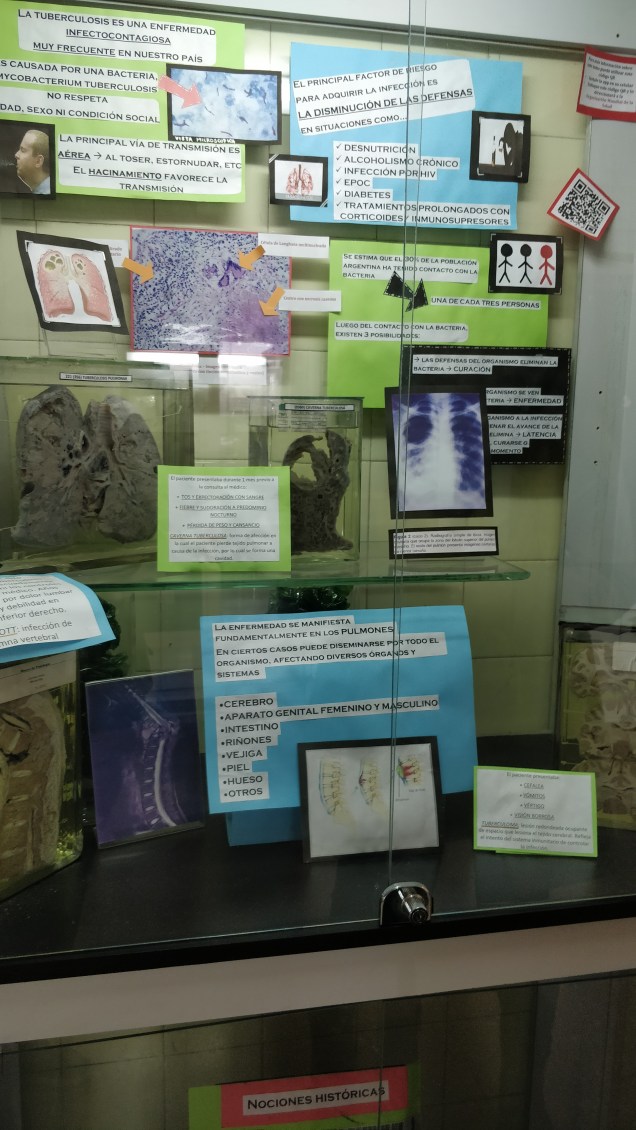
Ever wonder what the effects of tuberculosis look like on the inside?  You are in luck, buddy.


IMG_20180810_141147.jpg
Lung holes. It looks like lung holes. Although it can also mess up  literally everything.

This case explains that tuberculosis is a common infection in Argentina; one in three people have come into contact with the bacteria. There are three possibilities in case of contact: the body fights it off completely (ya good), the body doesn’t fight it off (ya sick), or the body fights it off just enough to prevent symptoms but not eliminate the bacteria (ya latent). It lays out the risk factors for developing the disease, and now you can lie awake at night, contemplating the fragility of the human condition.

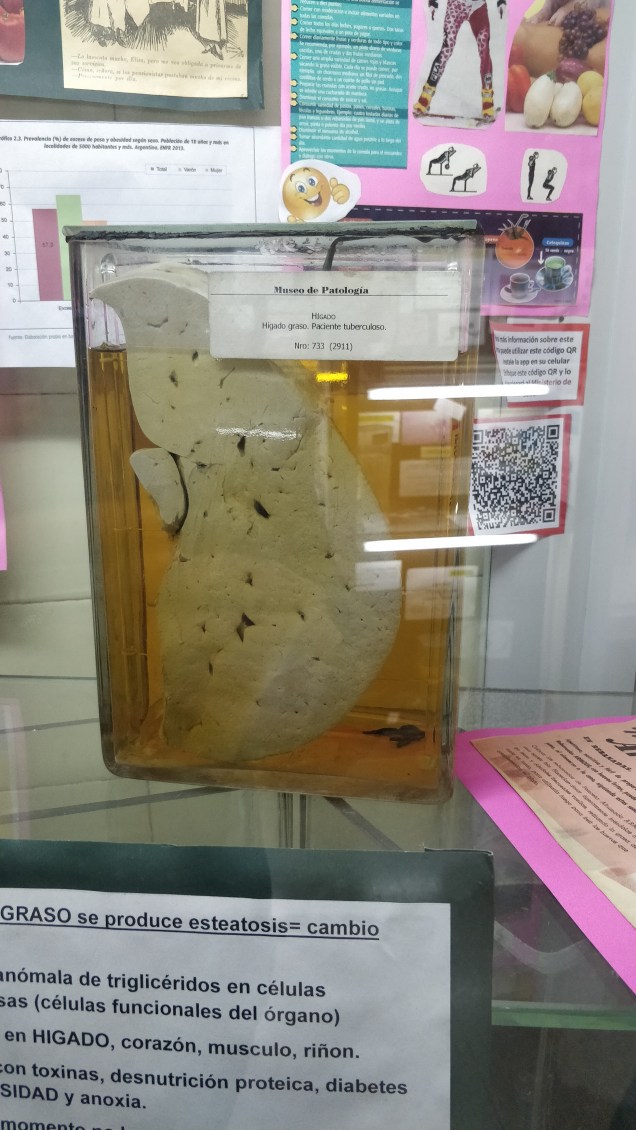
This here is a fatty liver.

IMG_20180810_140549.jpg
Also from a tuberculosis patient, incidentally. I would like to note that the Wikipedia entry for “fatty liver” begins with “Not to be confused with foie gras,” which makes this my favorite “not to be confused with” label ever.

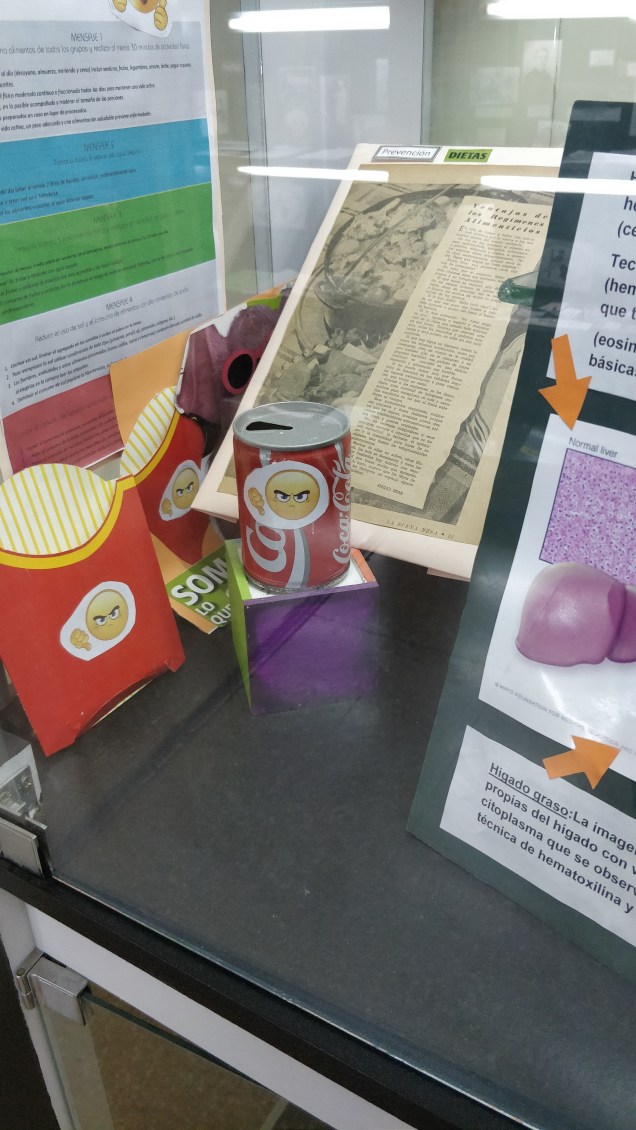
The display on liver health includes very helpful emojis.  While that might seem a bit jarring juxtaposed with actual diseased human organs, I actually appreciate the effort made to communicate the information visually and clearly.  Science museum exhibits are introductions, not text books.

IMG_20180810_140545.jpg
If actual french fry cartons came like this, I might be successfully guilted into ordering the smallest size.

Inside, the museum is apparently undergoing a bit of a renovation, although what that entails isn’t clear; presumably the jugs of formaldehyde on the floor will at least get a cabinet during visiting hours.  The whole museum is two large rooms, one upstairs and one downstairs, crowded with shelves and shelves of specimen jars grouped by pathology.  The labeling is minimal, and includes no context information.  This didn’t really bother me–aside from making it a collection for a highly specific audience that does not include me, museum-going boob Jo Public–until the tattoos.  There are several pieces of skin (and one entire hand) displayed specifically for their tattoos.  My exceedingly-chill-about-going-to-see-corpse-pieces friend and I estimated, based solely on a couple of dates included in the tattoos themselves, that they were probably around 100-125 years old.  We also assumed they came from indigent patients at the medical school hospital.  However, there is nothing to really confirm this in the labeling.  There were a couple that seemed to have belonged to a sailor (sailors?) that had an anchor and the USA and Norwegian flags.  There were a couple of examples of basic line drawings of circus performers, like a trapeze girl (boobs out) and a strong man.  The subject matters also seemed to bear out our extremely rough idea of their age and origin.  Tattoos are not a pathology, so the lack of context here was galling.  I really, really wanted to know how old they were, who they belonged to, how they came to be preserved.  This was easily the most interesting part of the collection, for me.  As a museum that specifically includes the public in its mission, it would be nice for it to have more explanatory and educational displays.  A cohesive exhibit about the history of the museum would be very cool, too.
Aside from all the jars, the museum also includes a historical library of pathology books in various languages as well as historical laboratory equipment.  It is, as I mentioned, open to the public, but if you’re bothered by preserved body parts (think torsos and heads, not just organs and tissue), it’s best to give it miss.  There is no signage in English, and since using your translation app is easily mistaken for photography, you’re on your own if your Spanish is terrible. The museum is located in a medical school building a couple blocks from the D subway line.  It’s open Monday through Friday from 2pm to 6 pm, and it is free.

Museo Casa Carlos Gardel [Carlos Gardel House Museum]

Tango, as you might have deduced if you’ve spent 15 seconds in Buenos Aires, is kind of a big deal here.  There are tango street dancers, tiny stages for performers at touristy restaurants, and ample opportunities to be tutored.  There are big, flashy tango shows, small tango shows, tango shows at historic tango bars/restaurants.  Tango postcards, tango art, tango CDs, tango souvenirs.  Hand to god, I have seen a wooden statue of Jesus playing a bandoneon for sale in San Telmo.  I totally should have bought it.

But the tango isn’t just for the tourists.  The dance and the music are very real and integral parts of the Buenos Aires cultural identity.  There are milongas of all sorts, where people go to dance.  The two parks closest to my place roll out temporary dance floors on Sunday evenings in the summer.  Tango music is everywhere.

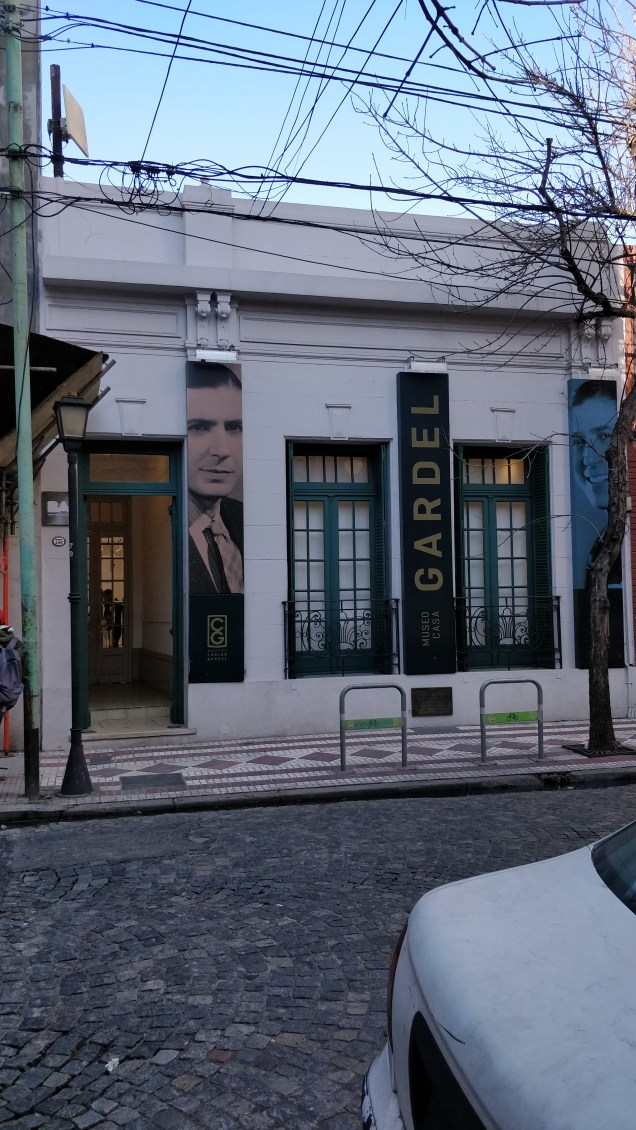
Which brings us to Carlos Gardel.

IMG_20180730_152425.jpg

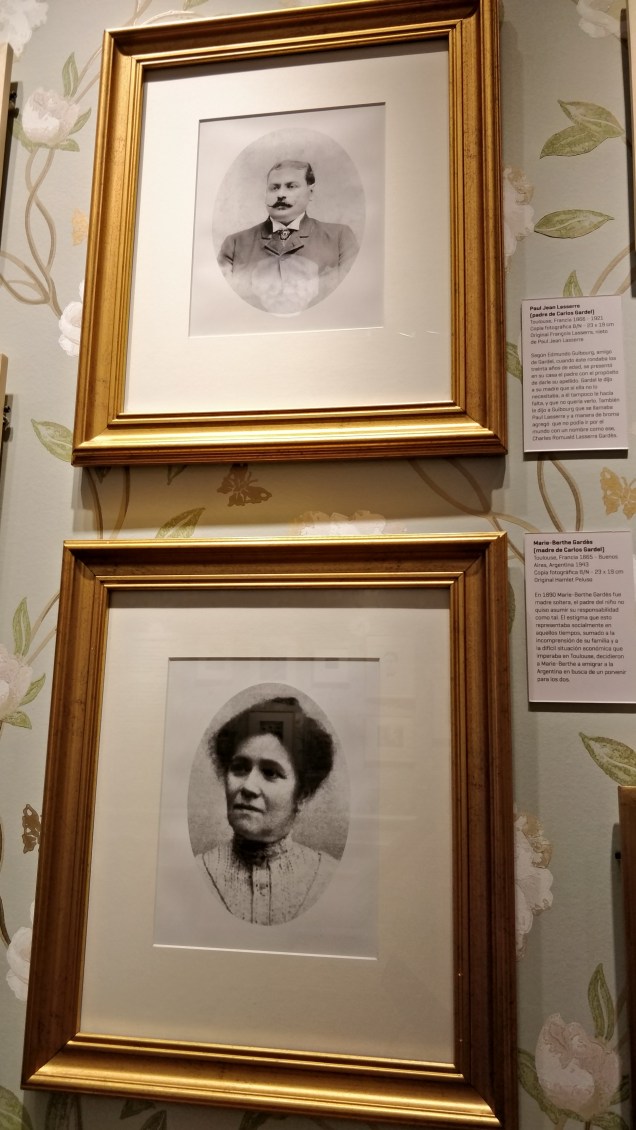
Gardel was born Charles Gardès  in 1890 in Toulouse, France, to a young laundress and a dude who was married to someone else.  Berthe Gardès did officially call out her baby-daddy, but we know how these things go for women, and when little Charles was two, Berthe moved them to Buenos Aires to begin a new life as a “widow.”  There, they would be called by the Spanish version of their names, Berta and Carlos Gardel.

IMG_20180730_150407.jpg
Berthe, called Berta in her new homeland, [bottom] and the sperm donor [top]
Incidentally, Paul Laserre would show up in Buenos Aires to ask Berta to marry him and “legitimize” Carlos when Carlos was around 30 years old and had conveniently released his first hit record.  Carlos told his mom that if she could live without the guy, so could he, and didn’t see him.  WELL PLAYED.

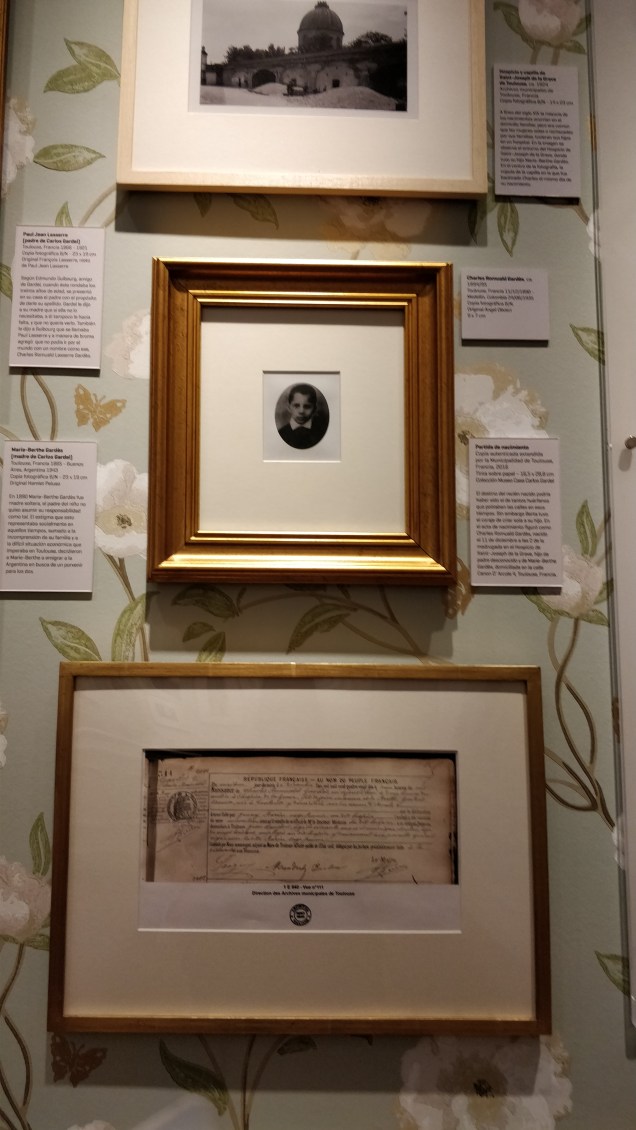
Carlos himself would muddy the facts of his birthplace by claiming Uruguayan citizenship, stating he was born in Tacuarembó, Uruguay (he then acquired Argentine citizenship).  This was probably done to smooth over an upcoming tour of France, has he had never registered for military service, as required of French citizens.  This paper trail has led to different early biographies and native son claims, but look the museum has a copy of his French birth certificate so Uruguay should pipe down.

IMG_20180730_150403.jpg
I took a particularly poor photograph of it.

The museum is inside a house in Abasto that Gardel bought for his mom (he lived there for awhile, as well), and consists of four rooms.  The first room is dedicated to his early life.  In a museum dedicated to a musician, the multimedia experience is pretty important, and the Museo Carlos Gardel does a pretty credible job providing it, including the rather touching addition of the sort of song Berta would have sung for little Carlos.

IMG_20180730_150421.jpg

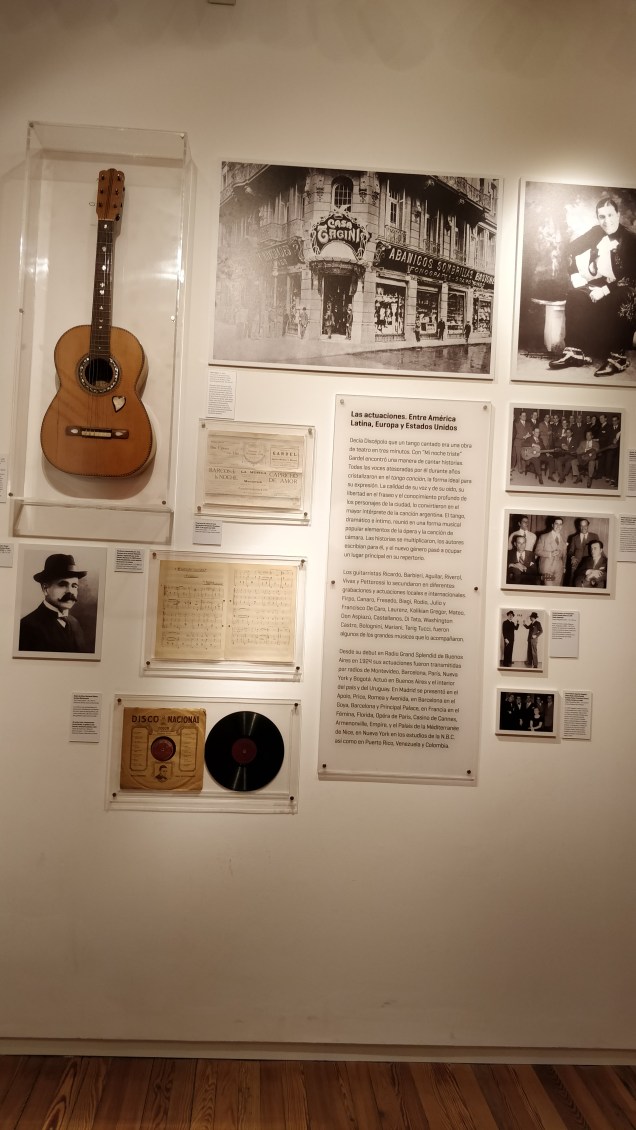
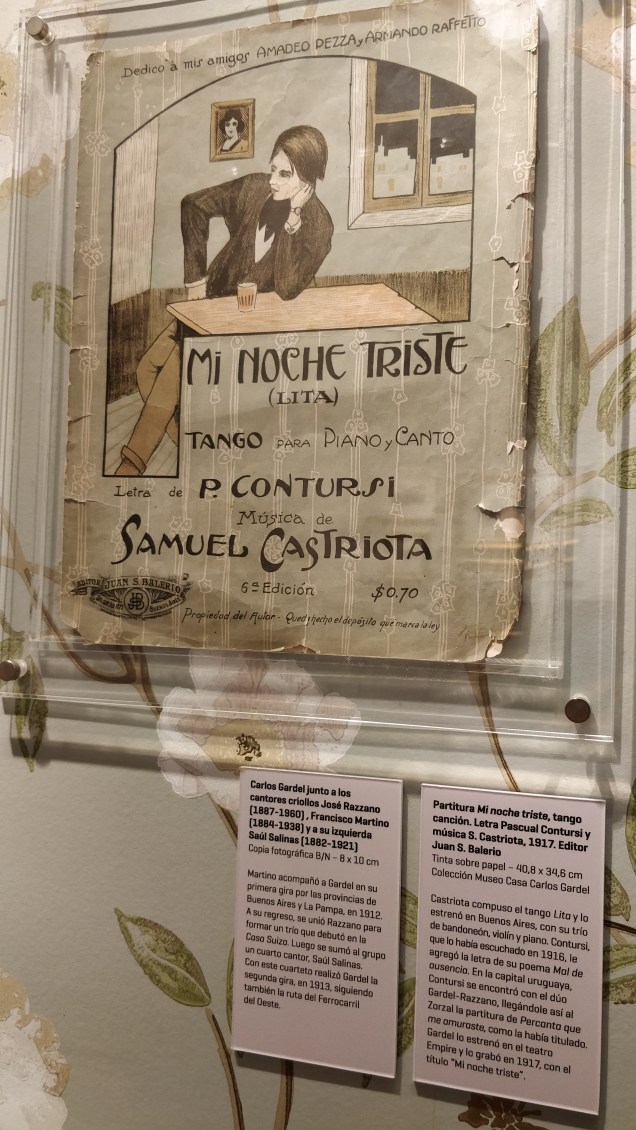
Gardel would develop as a musician, and in 1917 create the “tango canción,” the form of tango vocals that united the voice with the musical and dance themes of tango, when he recorded Mi Noche Triste (listen to it here).  This style became an enormous part of tango, and tango became an enormous part of Gardel’s life.

IMG_20180730_150624.jpg
The sheet music for Mi Noche Triste from 1917.

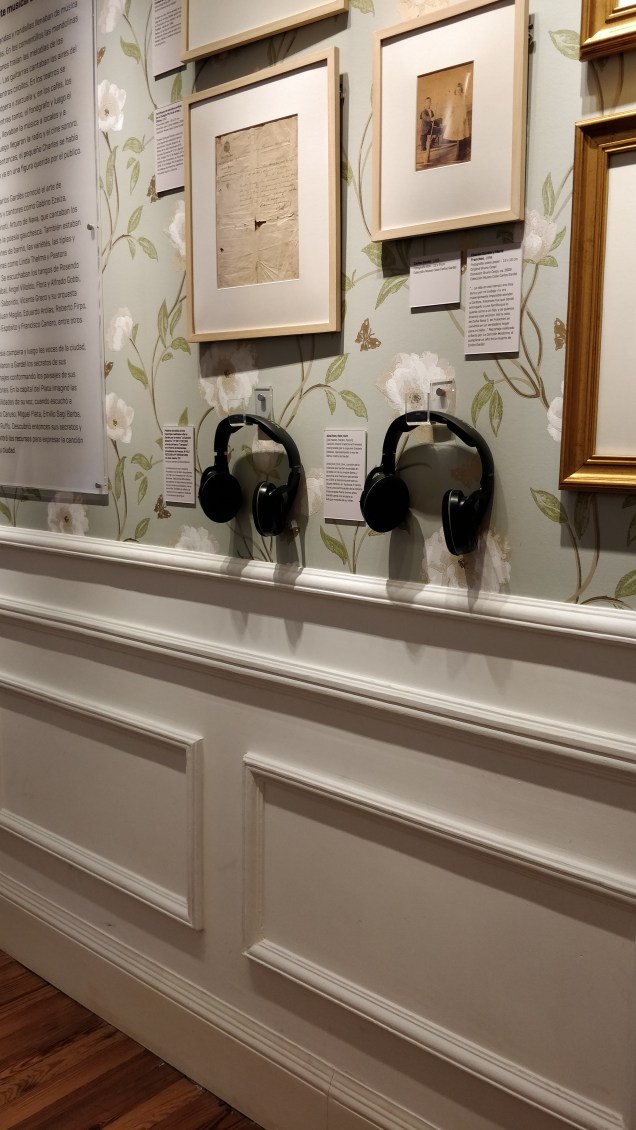
The next room of the museum is the recording room.  It’s quite small, but here you can see artifacts from his music career and select from over 300 recordings made by Gardel to listen to at the listening stations.

IMG_20180730_151110.jpg
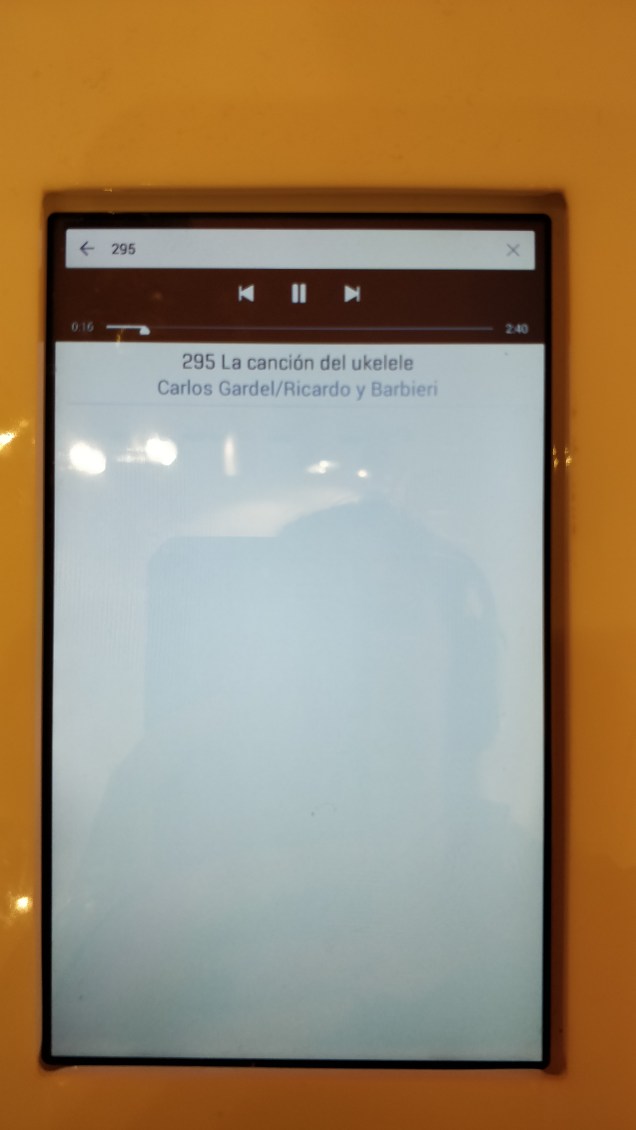
As a nacent ukelele player, I immediately spotted what had to be his greatest work.

IMG_20180730_150834.jpg

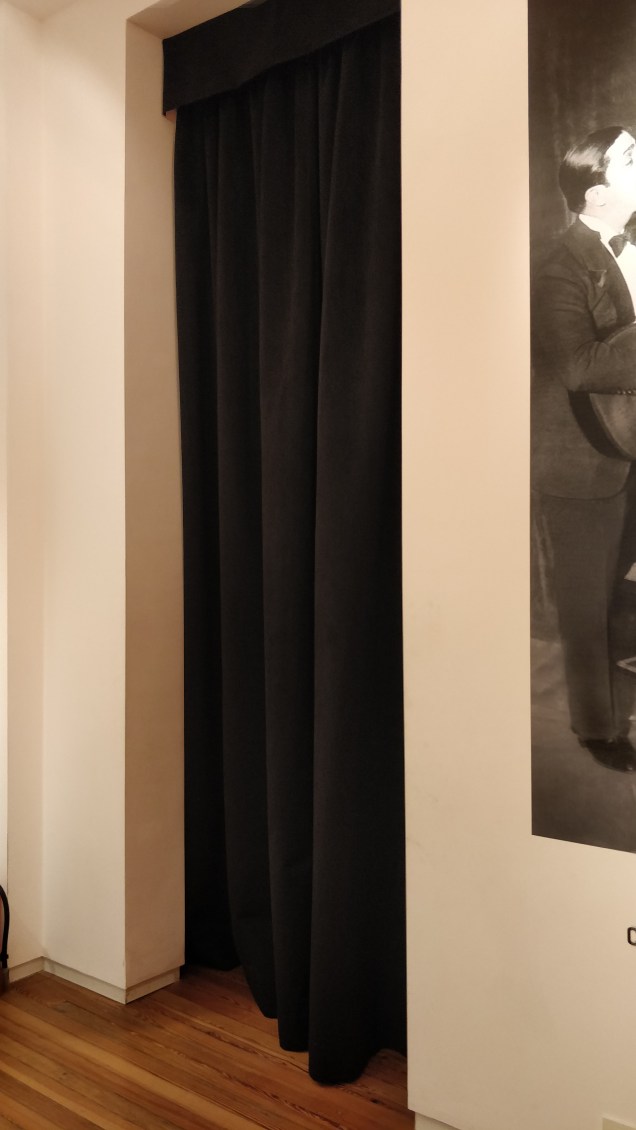
To continue on from the record room, you go through this doorway:

IMG_20180730_151231.jpg
It’s a particularly ominous doorway, and thanks to the museum design, even if you know nothing of Carlos Gardel, you know that good news is not on the other side.

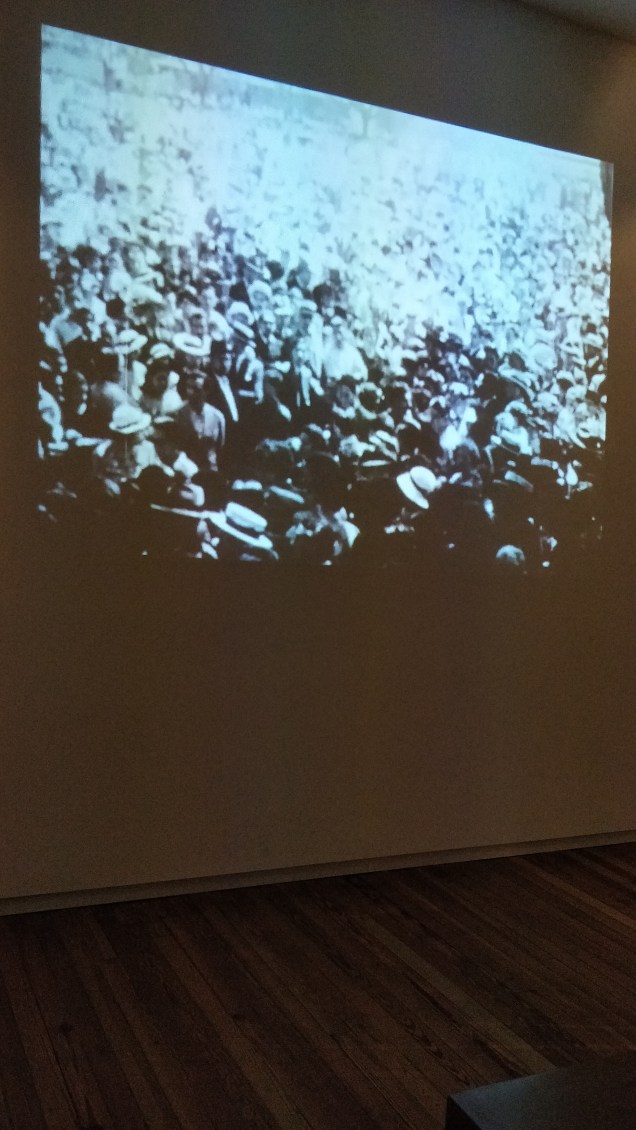
The room on the other side of the heavy curtain is the funeral room. Gardel died at the age of 44, at the height of his music and film career, in a plane crash in Colombia.

IMG_20180730_151630.jpg
The room includes film from the funeral, the scene of an outpouring of national and international grief. His mom, heartbroken, would shortly thereafter follow her son in death.
IMG_20180730_151410.jpg
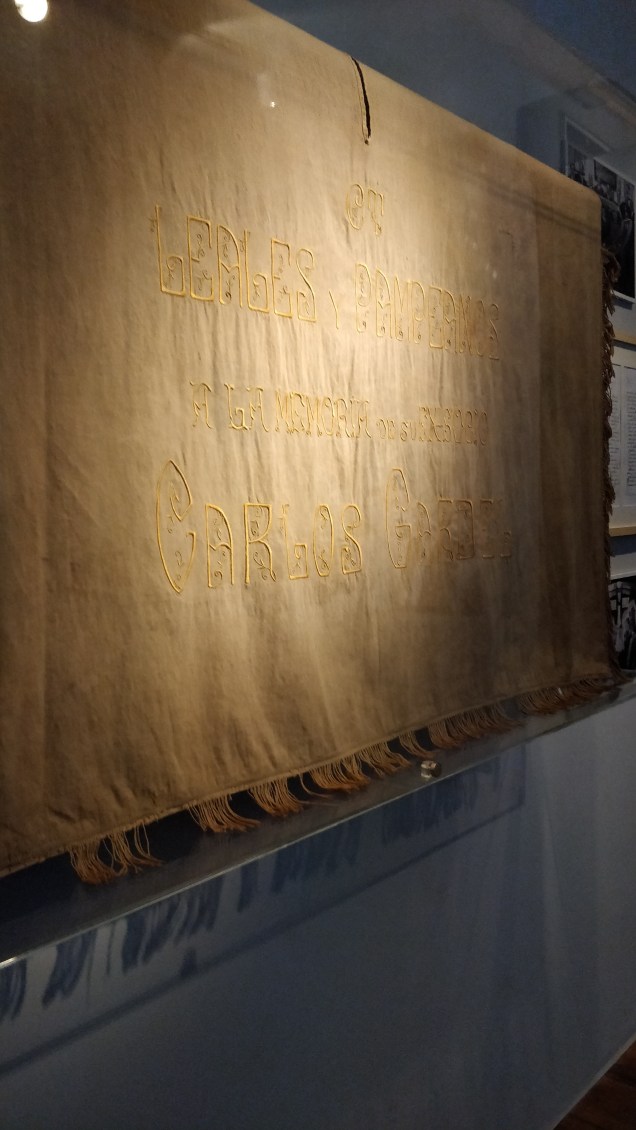
I can tell you the group that made this memorial poncho asked a pilot to throw it out of her plane before it was placed on his coffin; what I cannot tell you is why.

The final room is the cinema room, which I think is a fitting way to end the museum, not only in terms of floor plan, but also in terms of image.  After all, Berta would continue watching Carlos’s movies to see him again, and this is a lasting legacy for a performer.

IMG_20180730_151825.jpg

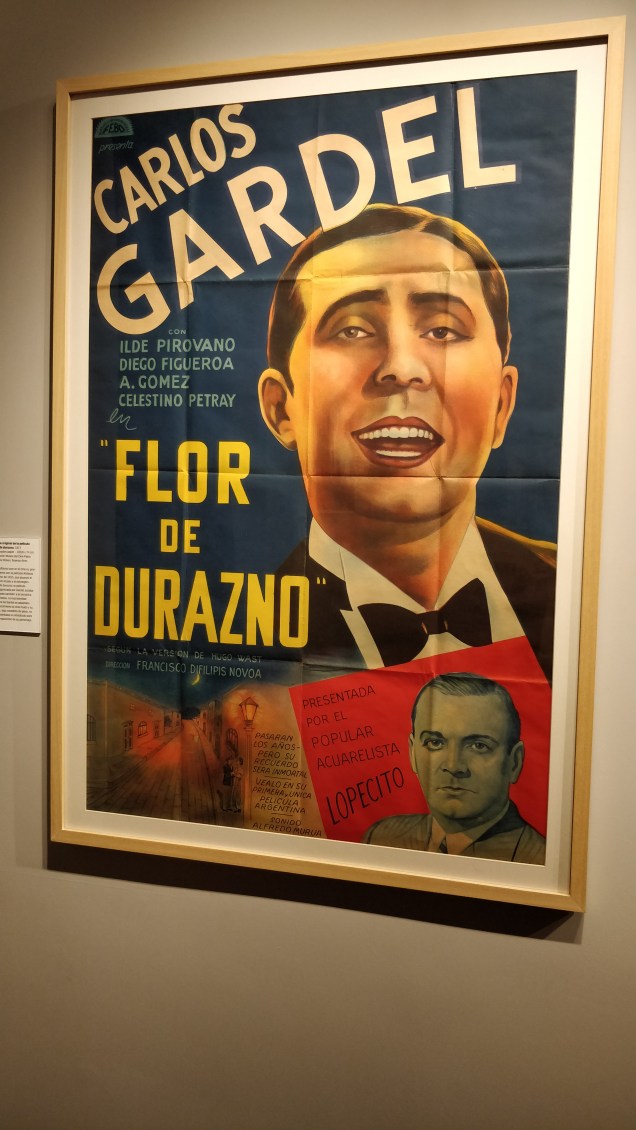
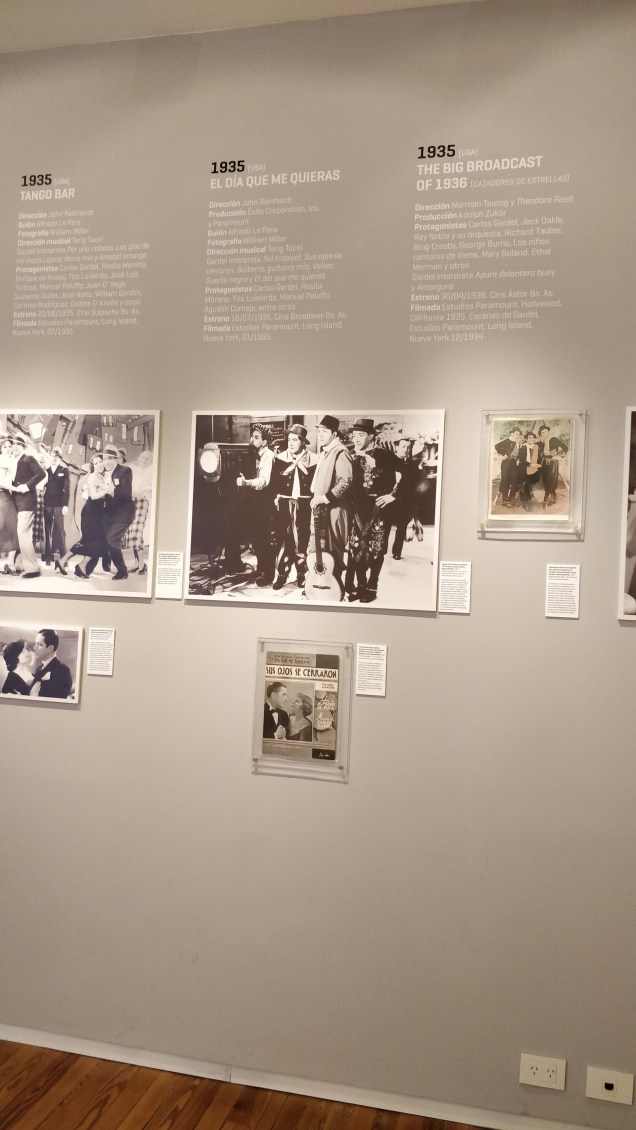
The room includes a timeline of his movies, photos from the production, and posters.

IMG_20180730_152030.jpg
Terrifying posters!

IMG_20180730_151841.jpg

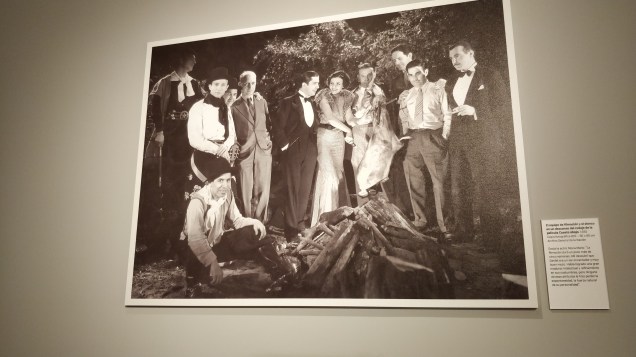
IMG_20180730_151917.jpg
A totally normal asado, which are often attended by pristinely dressed gauchos and men in tuxedos while the hostess cuts meat over the fire wearing an evening gown.

So, if you’re super into the history of tango, 1930s cinema, or turn of the century music, Museo Casa Carlos Gardel is worth a visit (not to be confused with the Gardel museum outside of Tacuarembó because Uruguay just cannot let it go).   The signage is all in Spanish, but they do have an English language handout that will walk you through the rooms.

The museum is located at Jean Jaurés 735, close to the H and B subway lines, in Abasto. As always, check their website for current information, but as of this writing, the entry is 30 pesos (about US$1 right now), free on Wednesdays and generally for students, school groups, retirees, disabled visitors and their attendants and those under 12. It’s closed on Tuesdays.  It’s a residential area, so there are some places to eat here and there.  There’s also some pretty nice fileteado-style murals across from the museum.

Museo Monte Piedad (Banco Ciudad)

Your intrepid museum enthusiast is laid up with a heckin bad headache today, owing largely to sinus pain. As it is a cold, rainy day, fabulous conditions for staying in with fuzzy socks and hot chocolate, I’m going to write this one up anyway.

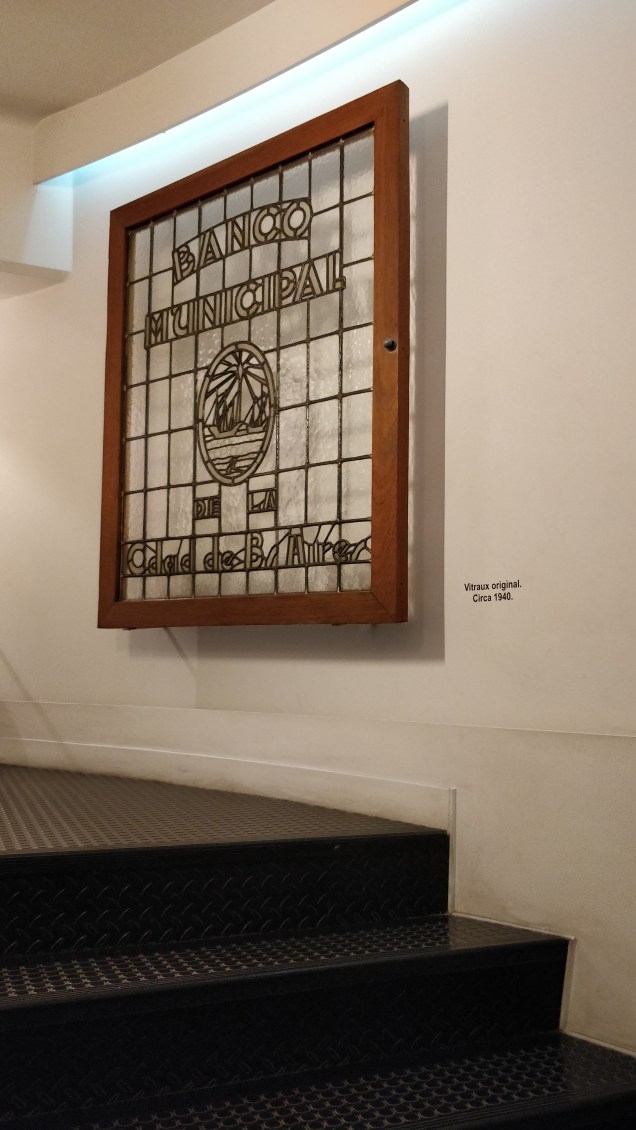
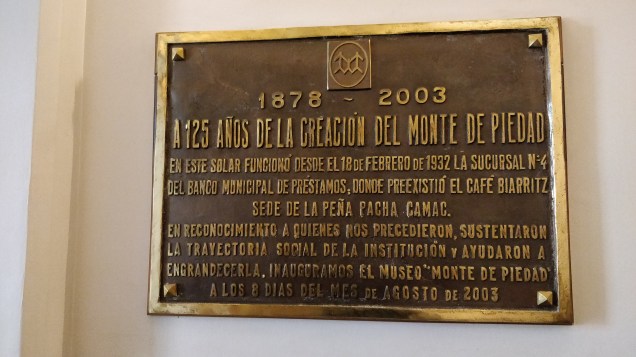
Finding myself in the barrio of Boedo earlier this week, I checked Google Maps for a museum I might burn a little spare time in. I stumbled upon Museo Monte Piedad, which is the museum of Banco Ciudad, or City Bank, which, if I am remembering the tour correctly, has been in continuous operation for 140 years. The museum is in a very small space, and has been curated with great care. I was the only visitor.

As I have mentioned before, my Spanish is shaky, at best. The docent/staff member/could-have-been-the-actual-curator-I-did-not-catch-her-name did not speak English. But I gathered that I had wandered in at roughly the time for guided tours, and she was game for taking a shot at educating me. The only available English material was pretty bare, and since I was on a tour, I did much more attending to what I was hearing than reading, so please forgive my shoddy memory.

The guide is a credit to her profession as an educator. I understood that school children are the primary visitors, and they must be well-served. She was a very competent communicator, able to convey the meanings of important words not yet in my vocabulary through examples. Top notch.

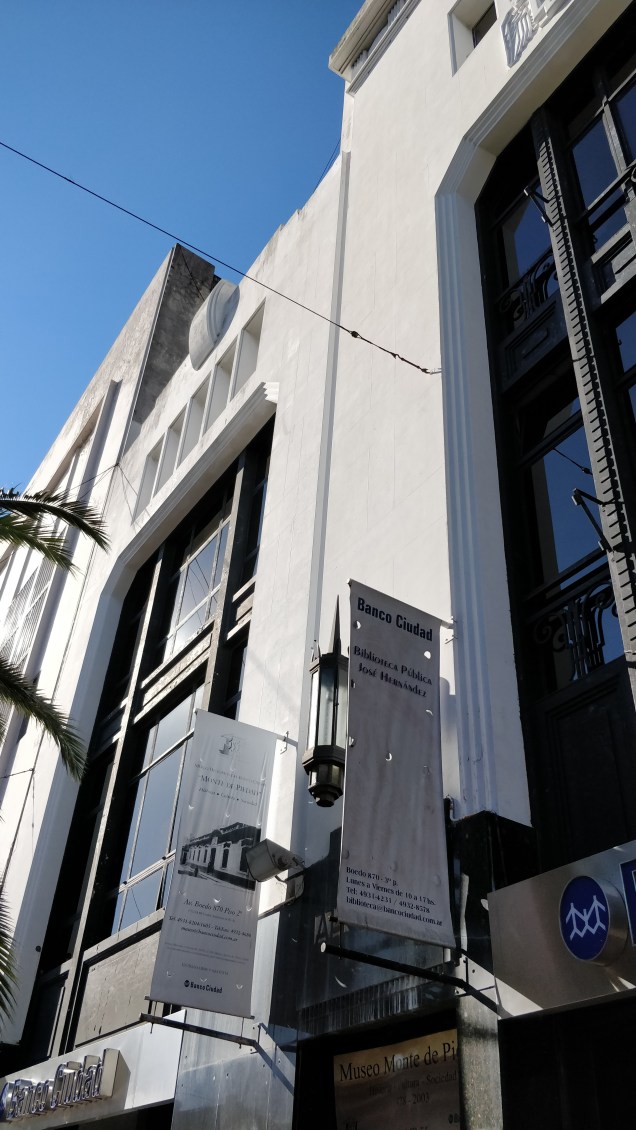
The museum is located on the 2nd floor (3rd by US reckoning) of this building:

IMG_20180723_143323.jpg

IMG_20180723_134731.jpg

IMG_20180723_134653.jpg

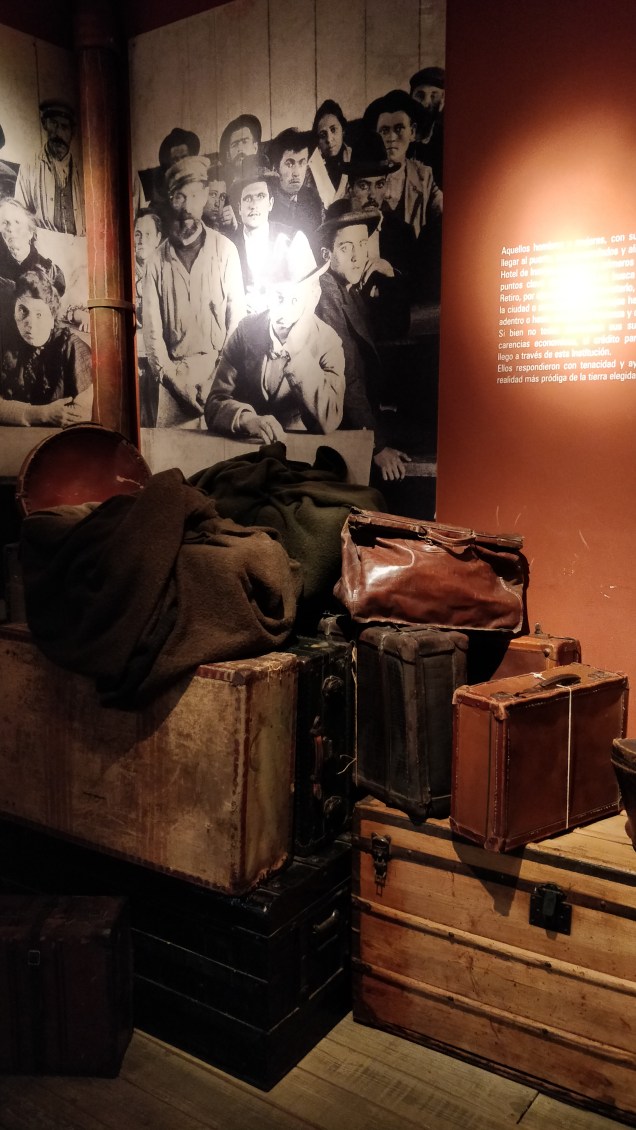
The museum, to borrow a phrase from La Nacion, tells the story of the bank and its relationship with the community, and its exhibits are given historical context. The history of the bank starts with an influx of immigrants in the last half of the 19th century.

IMG_20180723_135223.jpg

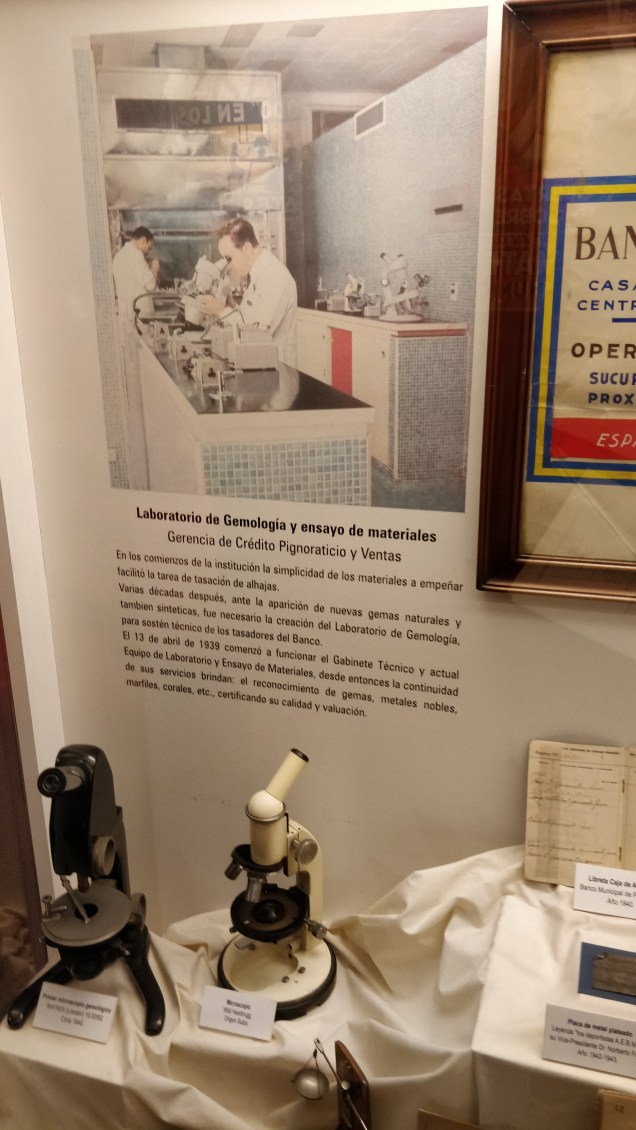
The poor who came to Buenos Aires frequently found themselves victims of usury and other predatory financial practices, and Banco Ciudad was founded to help combat these practices and serve the vulnerable population. The bank gave loans secured by any items of value the borrower had with minimal interest. Today, the bank still makes these sorts of loans, but only with two types of items: fine art and precious metals/gems. Two gemologists are still on staff, in fact.

IMG_20180723_141418.jpg
The gem lab was founded in 1939

The museum hall includes some of the city history in the late 19th/early 20th century, as the bank was beginning its development–the movement of the population following the yellow fever epidemic, the conditions working class families lived in, and the political and labor movements of the time.

IMG_20180723_140912.jpg
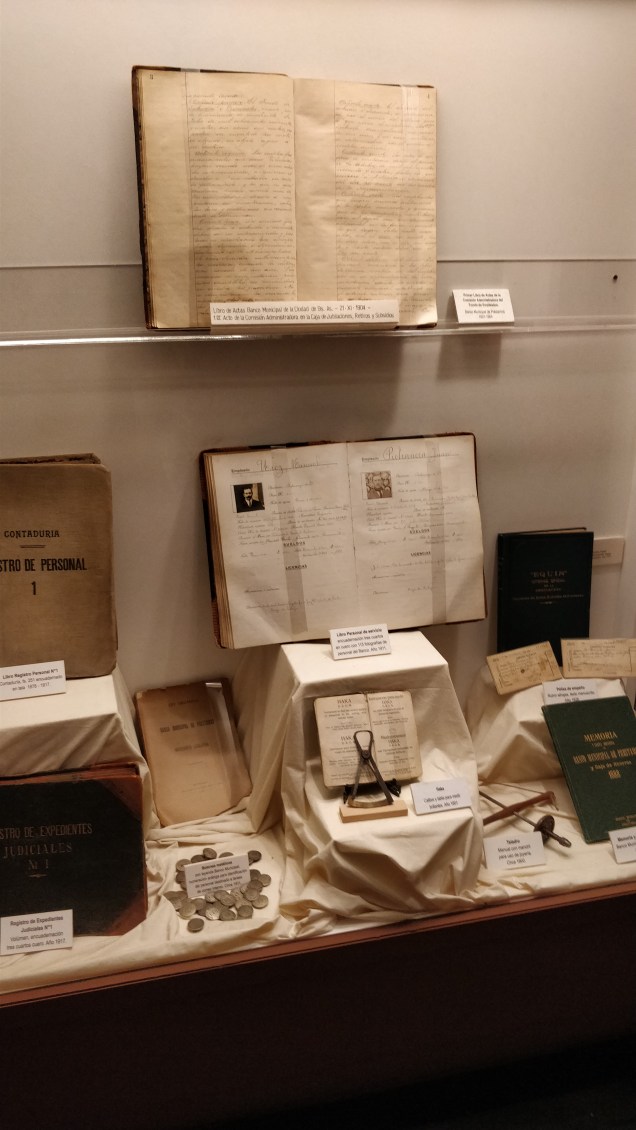
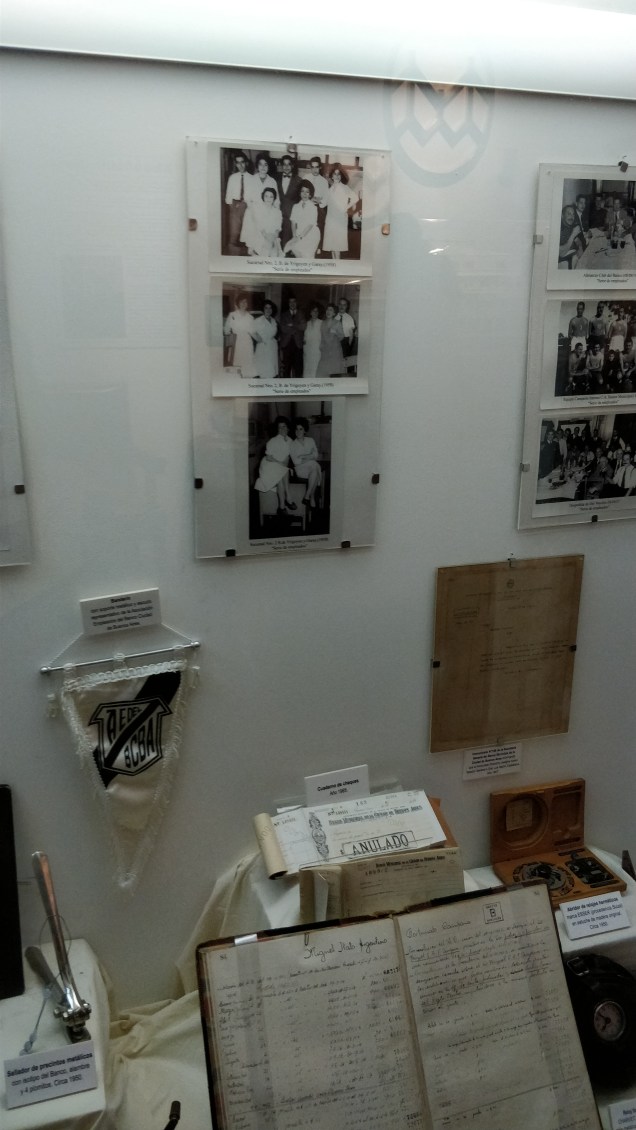
Artifacts from the old days, including a book of early employees.

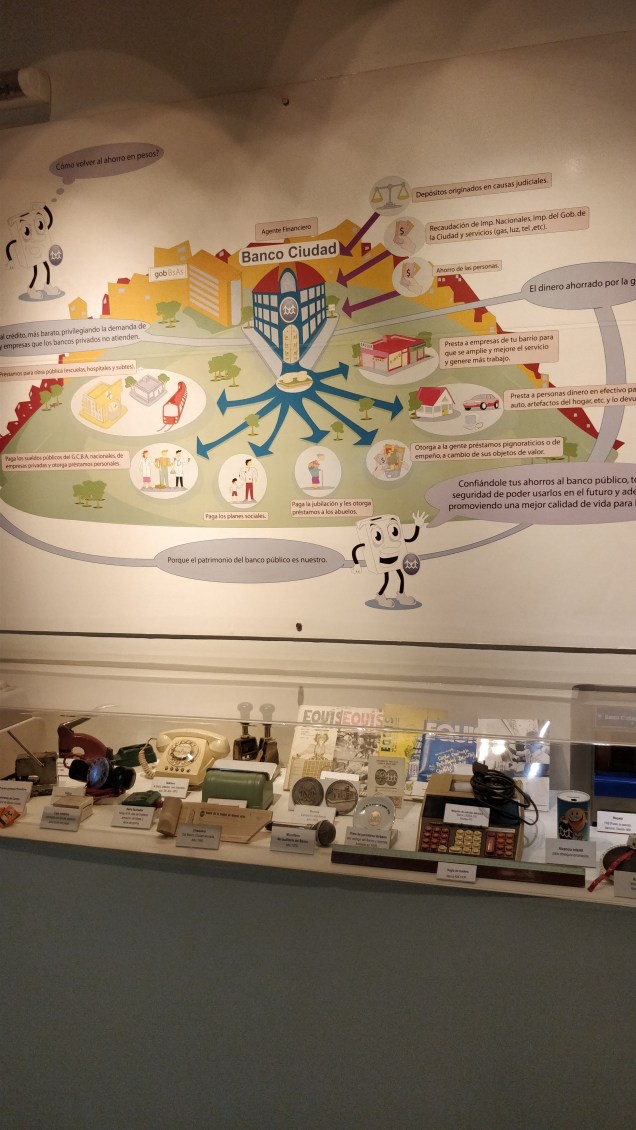
Next, there is a neat collection of work-related items from the 1910-1930s. As Argentina didn’t really do any manufacturing, this stuff came from abroad.

IMG_20180723_141007.jpg
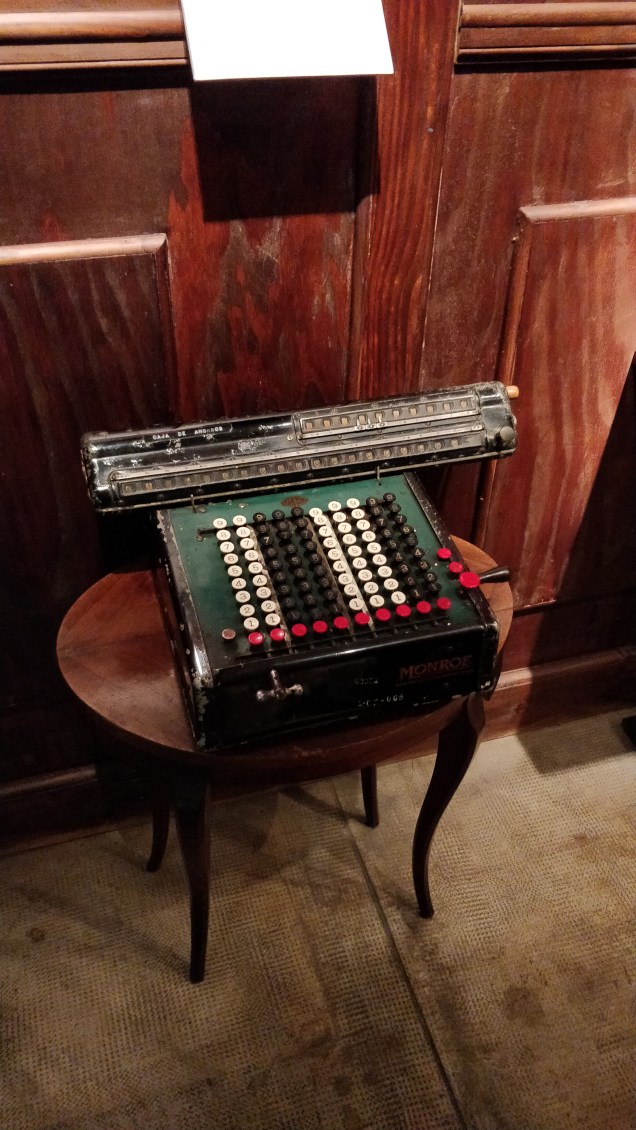
This beast of a US-made machine is a calculator, which could perform FOUR WHOLE FUNCTIONS. If you were ever bothered by the bulk of your graphing calculator, at least it didn’t require its own table.
IMG_20180723_141118.jpg
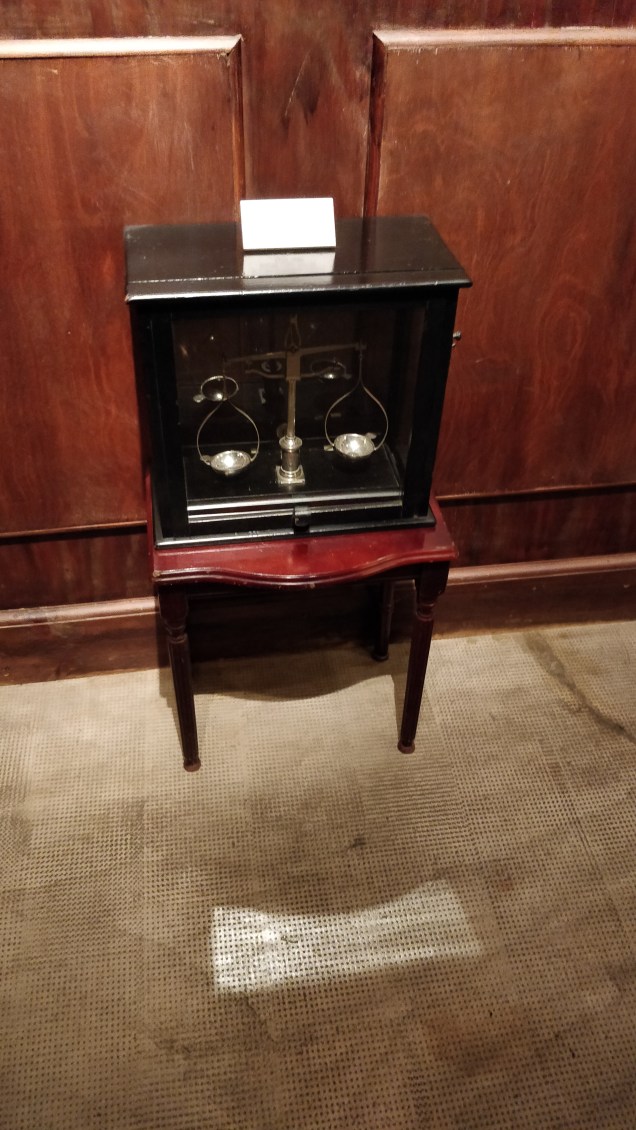
English scale.
IMG_20180723_141125.jpg
The somewhat shapelier French model.

There is an area of the museum dedicated to the cafe Biarritz, which used to occupy the space the museum building takes up now. That cafe was a center of art in the working class neighborhood (la peña Pacha Camac, an artistic club in the 30s that I really need to learn more about), an important part of the history of Boedo.

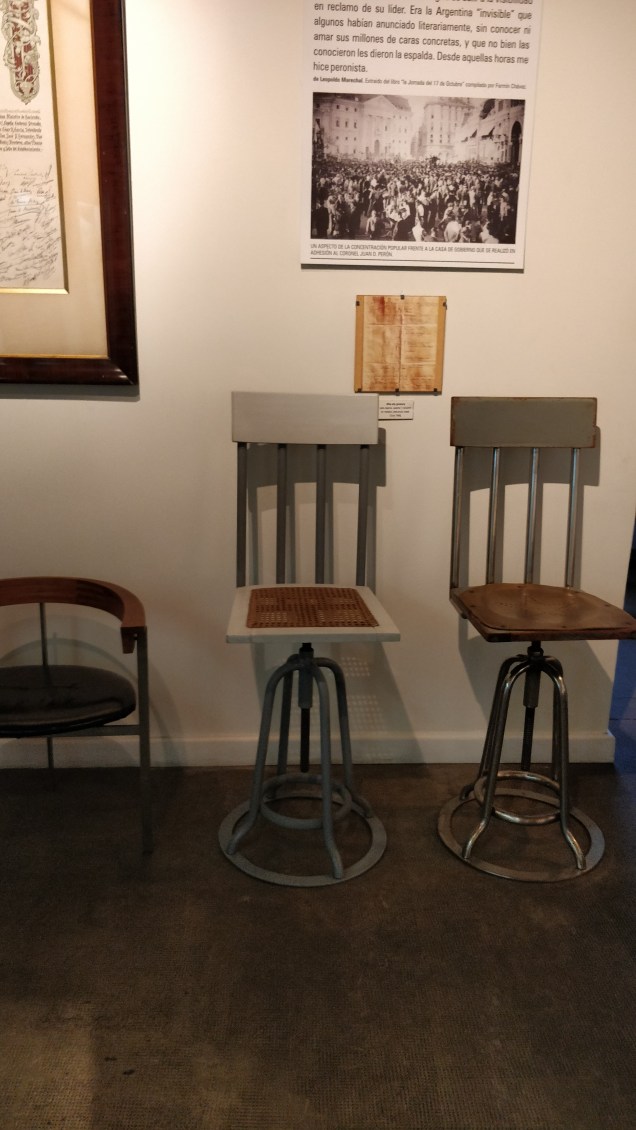
Next up, the bank in the 1940s! The tellers actually got chairs for the first time.

IMG_20180723_142028.jpg
But not comfy ones.

Reforms during the Peron era led to the employment of the ladies.

IMG_20180723_142025.jpg

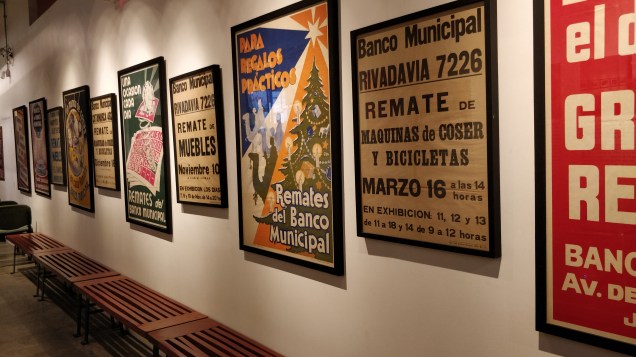
There’s also a lot of advertisements for auctions held at the bank:

IMG_20180723_142554.jpg

The displays moving into the 60s include examples of uniforms:

IMG_20180723_142031.jpg
I dig the belt.

IMG_20180723_142204.jpg

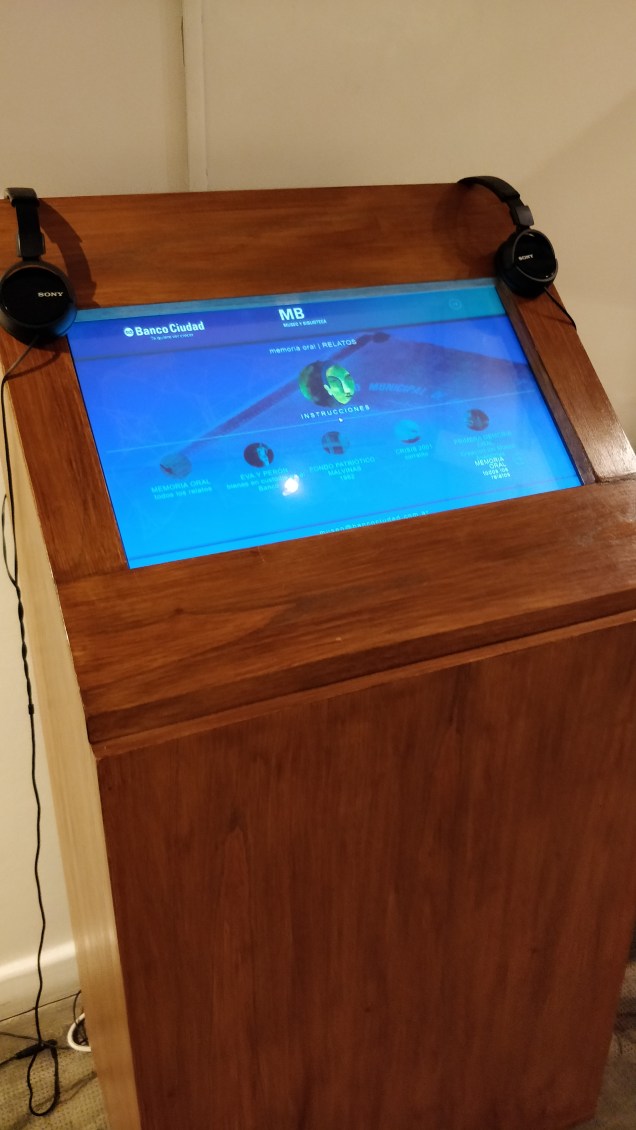
Ever the fan of incorporating multimedia presentations/interactive exhibits in museums, I was pleased to see (although too unskilled to use) an oral history archive, given by former bank employees:

IMG_20180723_142725.jpg

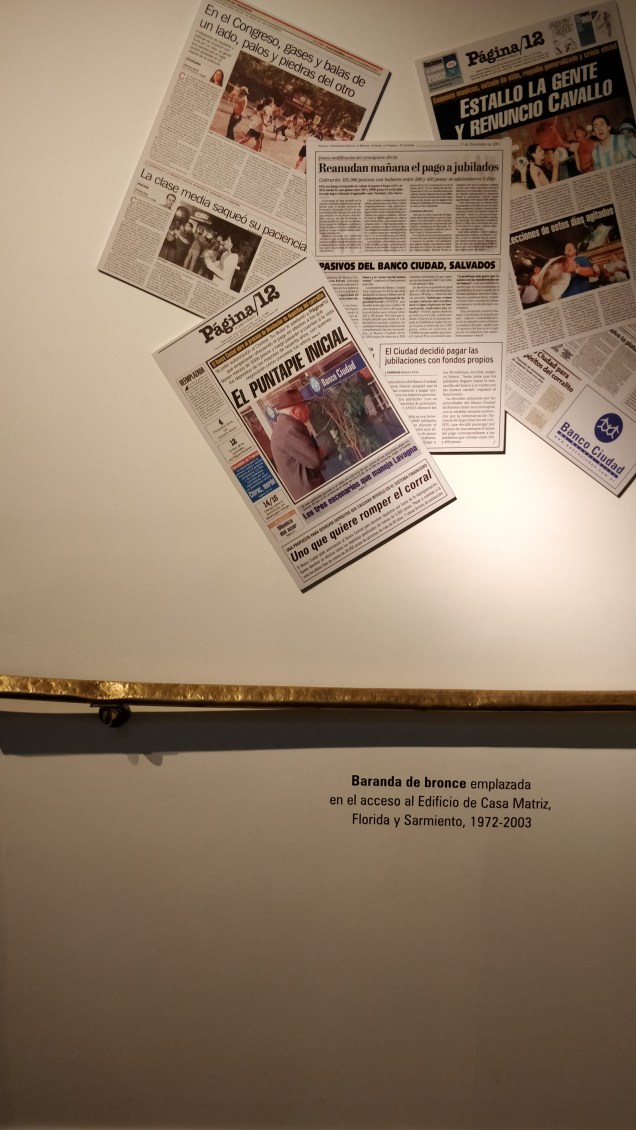
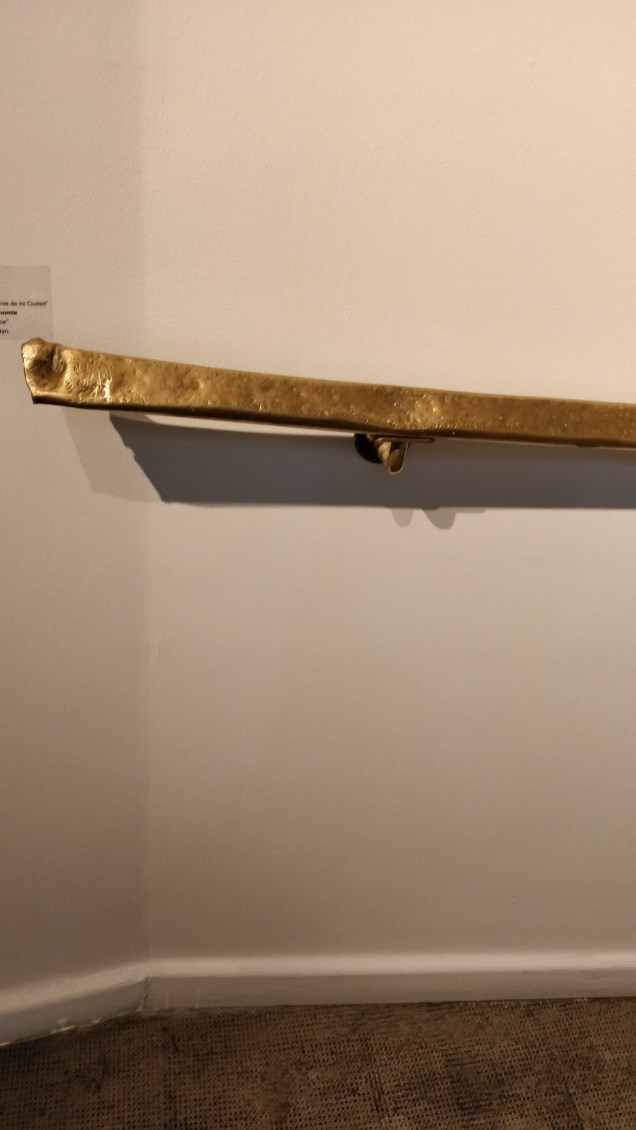
There is also a very interesting artifact and display from the bank’s more recent history: the 2001 economic crisis. The government collapsed and panicked bank customers beat the bronze door railing, which is here:

IMG_20180723_142411.jpg

IMG_20180723_142450.jpg
It was not a calm time, understandably.

On the whole, it was a fascinating museum! My deep appreciation to my guide, who was fantastic. If you understand zero Spanish, this museum won’t be able to offer you much, but if you can at least get by, and have an interest in local history, it is worth a visit.

The museum is at Boedo 870, a couple of blocks from the Boedo stop on the E subway line. It’s open Monday-Friday from 10am to 5pm. Guided tours are at 1030 and 230 during the school year. Plenty of places to eat or have a coffee right around it, including the Notable Café Margot and Esquina Homero Manzi.

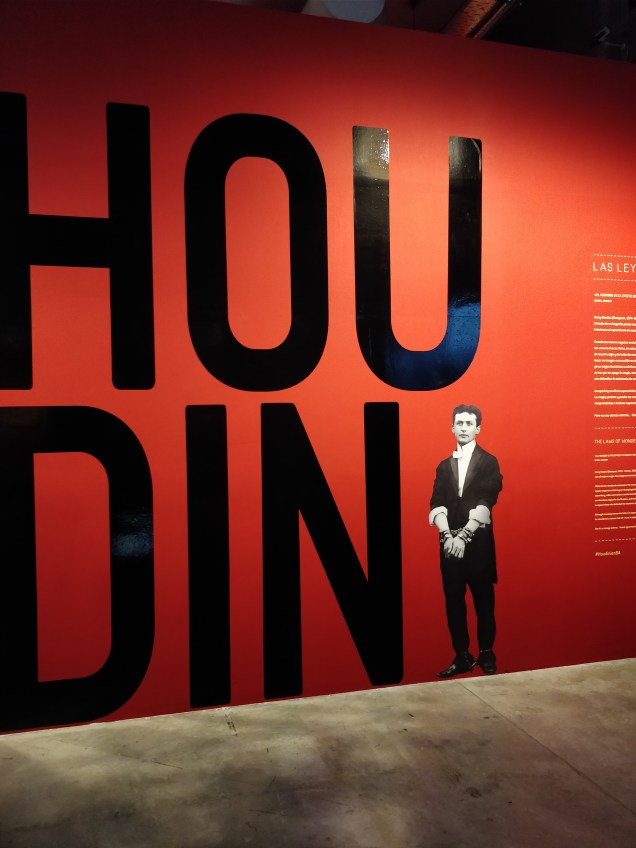
Espacio Fundación Telefónica: Houdini. Las Leyes del Asombro [Telefónica Foundation Center: Houdini, Laws of Astonishment]

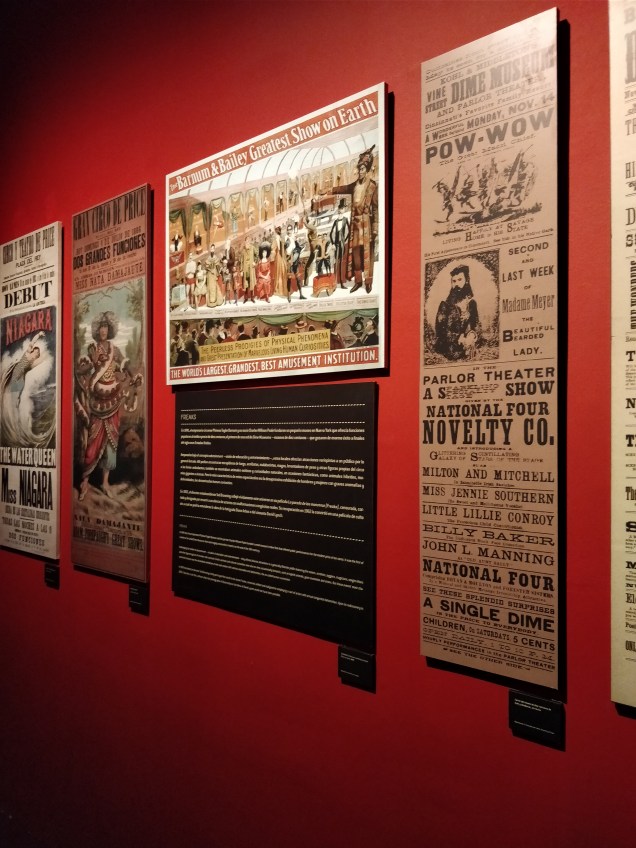
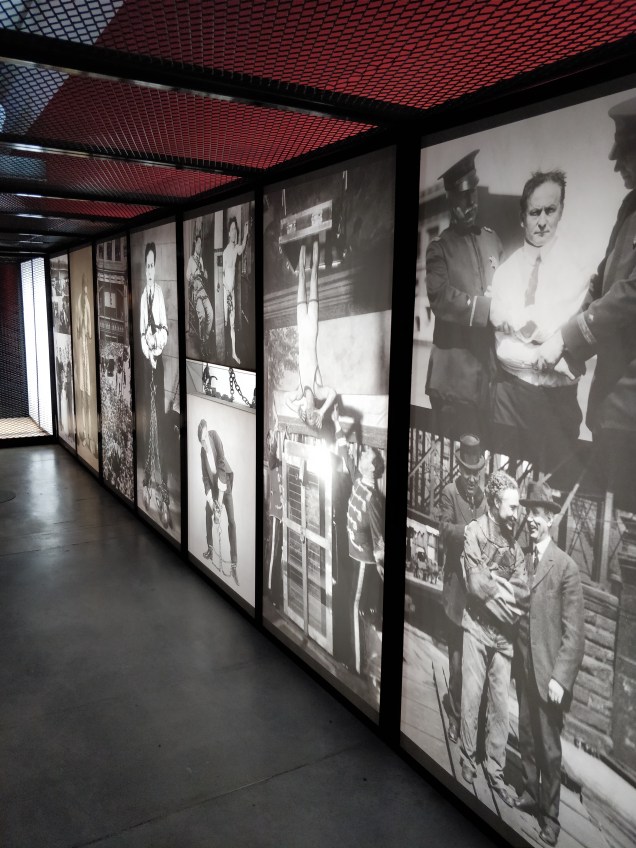
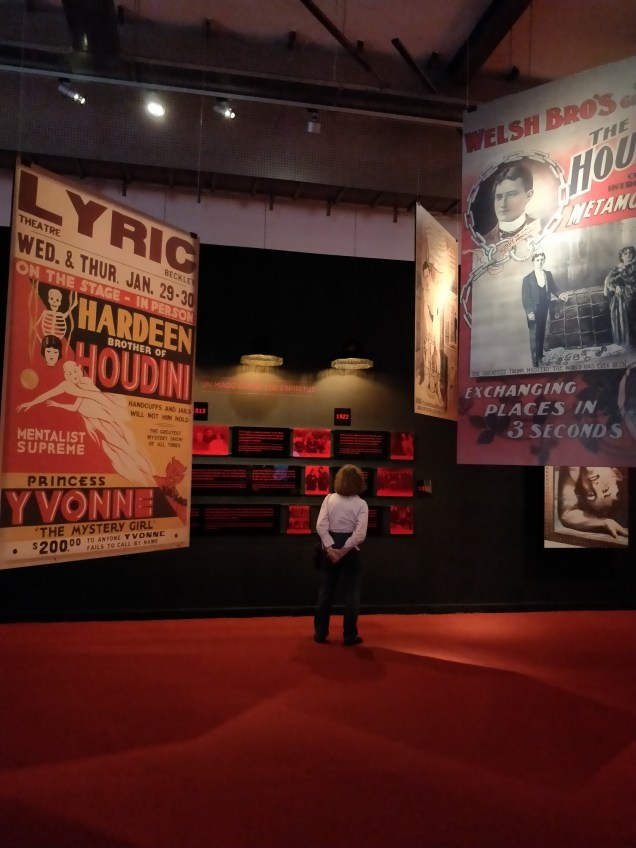
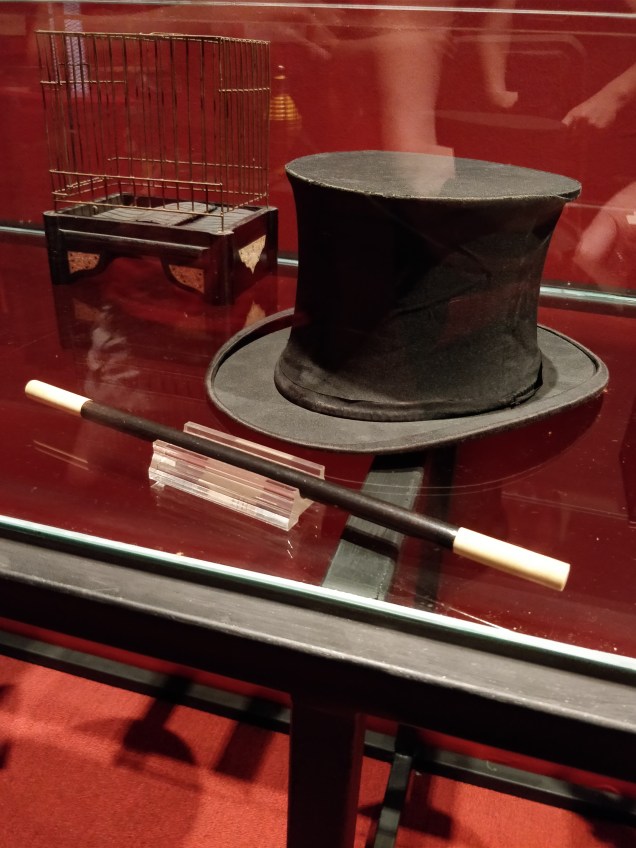
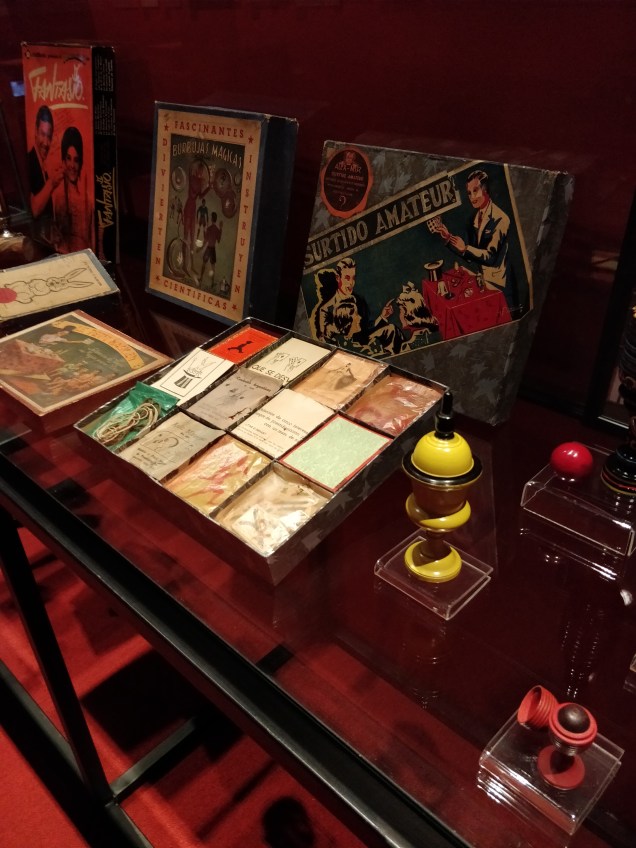
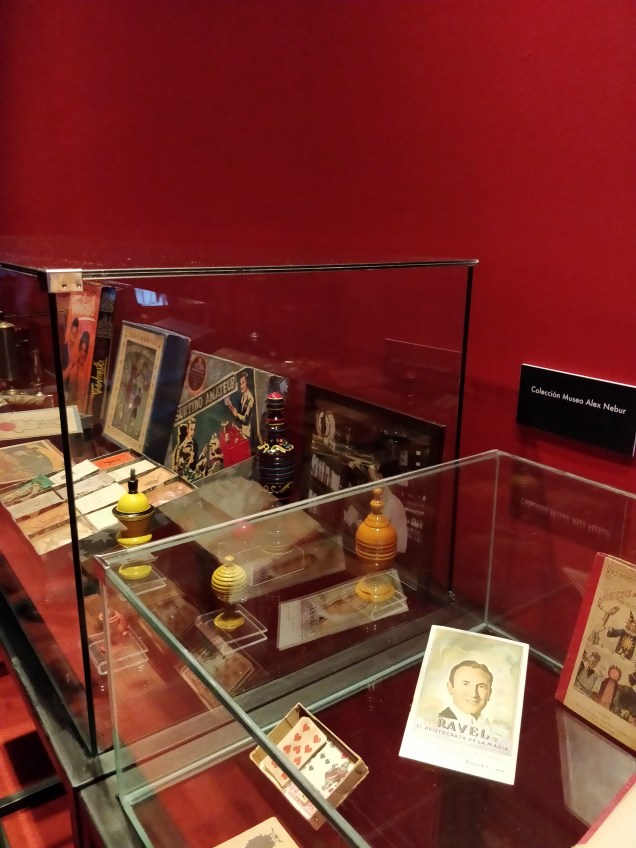
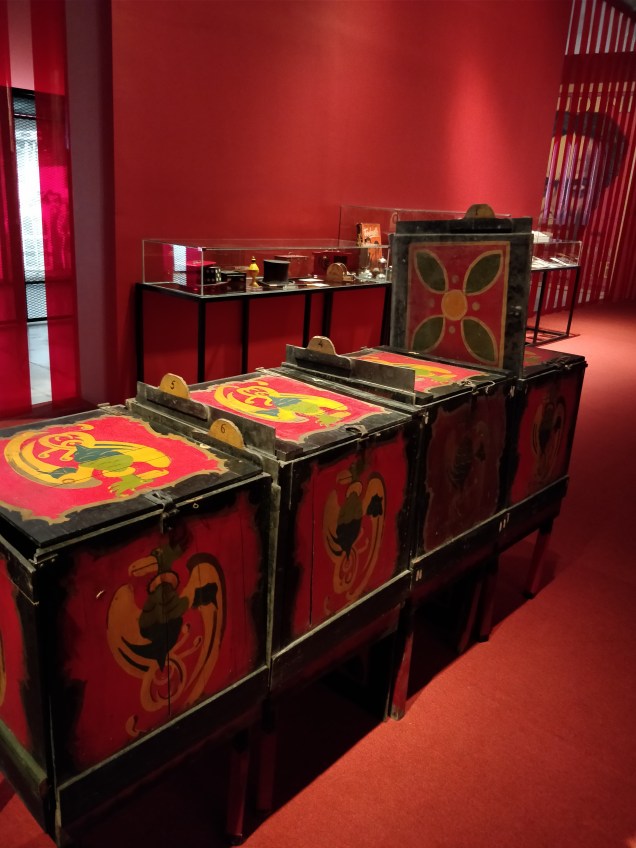
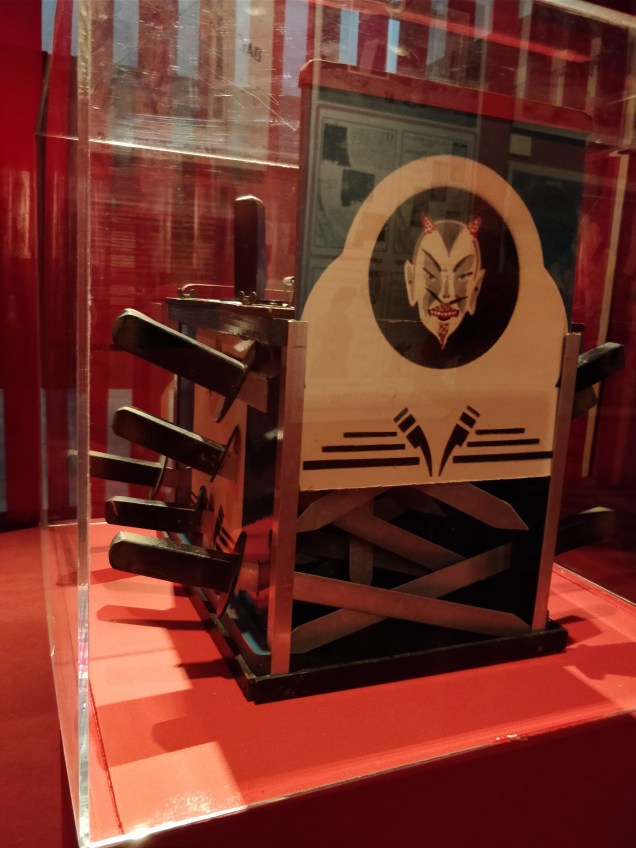
The Espacio Fundación Telefónica is the community cultural center for a multinational communications company, Telefónica.  It hosts workshops and small but nicely curated exhibits, such as this Houdini one, which recently finished its run.  It only took about 45 minutes to see everything, and while it was light on Houdini-related artifacts, it did have some pretty cool vintage magic and illusion objects, as well as a good layout and use of its small space.  Houdini’s biography was presented and given some contemporary context, and the signs were in both Spanish and English.  It was free, fun, and interesting.  Here’s my photos.  Sorry this is so short, but I need a nap.

IMG_20180411_155548.jpgIMG_20180411_155821.jpgIMG_20180411_160712.jpgIMG_20180411_161206.jpgIMG_20180411_160336.jpgIMG_20180411_160313.jpgIMG_20180411_160303.jpgIMG_20180411_155607.jpgIMG_20180411_160409.jpgIMG_20180411_160242.jpg