Tiny Tour: The Sydney Opera House

Let’s do a teeny tiny tour!

Meet Sydney landmark and worldwide architectural icon, the Sydney Opera House.
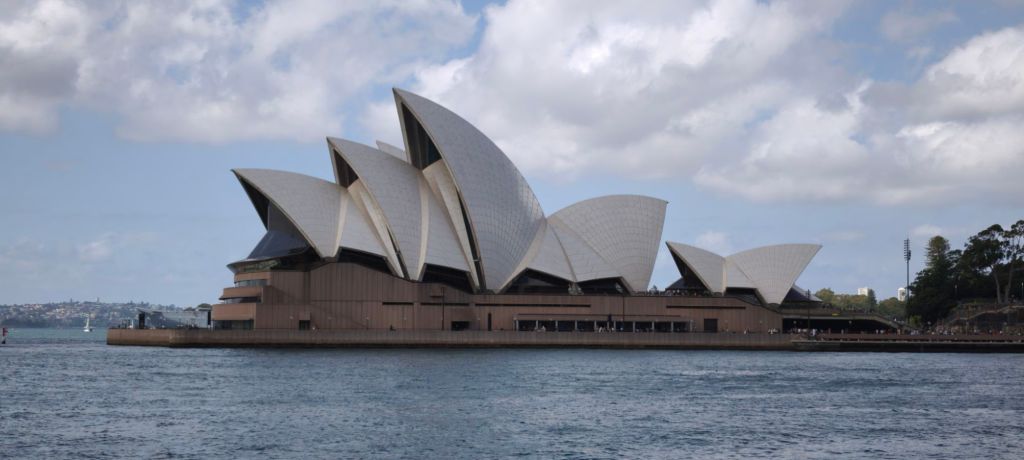
It looks weirder and weirder the longer you stare at it.

The story of the Opera House begins with Bennelong Point’s history as a place of gathering and abundance for the Gadigal people for generations upon generations, who called it Tubowgule. Yes of course the English are about to show up and do something awful. Its current name comes from a Wangal man who was kidnapped in 1789 to facilitate communication between the locals and the English, because that’s what passed for diplomatic relations when Europeans hit a coastline that was rather inconveniently occupied already. You can read more about Bennelong’s life here. And further reading on the colonial impact on the people of the region is here. It’s, you know….yeah.

Colonial Bummers, Vol 1

The Point has been a cow pasture, a lime processing site, a fort. Finally, in 1955 it was designated as the future location of a dedicated performing arts venue. Advocates of the idea felt Sydney, basking in a post-war boom and influx of immigration, needed a place for the public to enjoy fine music. Thus, an international competition was launched, and in 1957, Danish architect Jørn Utzon was announced as the winner.
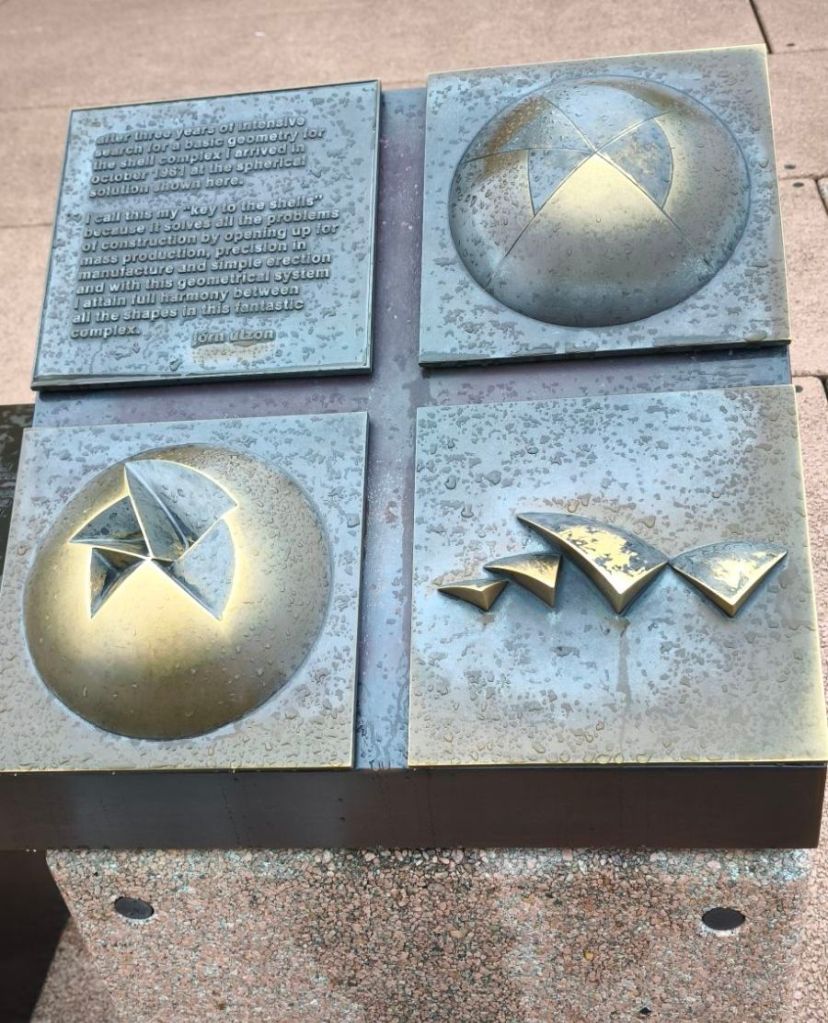
Architecture seems to require a spatial intelligence that I, an absolute doofus, lack entirely.

The widely traveled Utzon brought many influences into the concept and prioritized the site’s landscape. The design was sculptural, unique and harmonious with its setting. Like all innovative undertakings, everything went smoothly.

Hahahahaha.
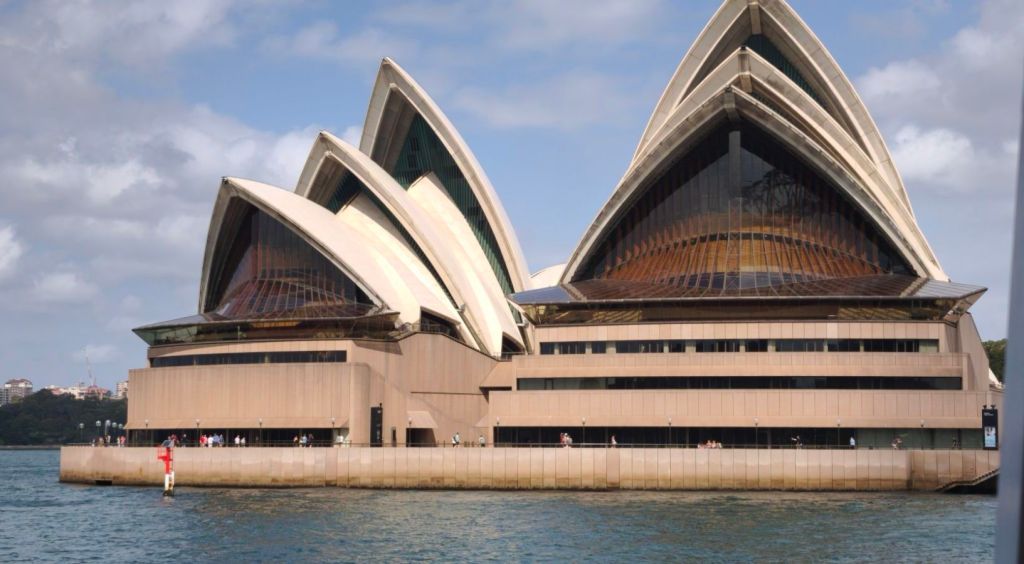
“So from one side it’s gonna look like a three-lidded, triangle-eyed crab surfacing from the depths.”

Now, I don’t know anything about architecture or architectural design competitions, but between the Opera House history plaques and Grand Designs, it seems to me that architects will just sketch out whatever and leave details such as feasibility in God’s hands. Just my impression. Anyway, the problems started with an inaccurate assumption about the Point’s geology, and they did not end there. Premier Joseph Cahill, who had expended considerable time and energy defending Utzon’s design, was not inclined to iron out the kinks in things like structural integrity. He (probably rightly, to be fair) feared the project would die of bureaucracy, and he moved ahead with starting construction, because nothing maintains long-term momentum like the sunk cost fallacy.
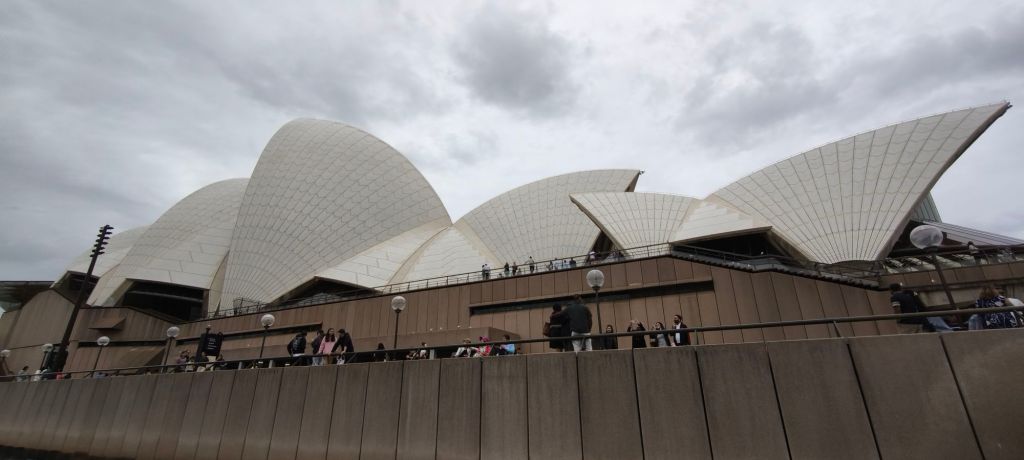
I’m no expert but “Let go and let God” doesn’t seem like a sound project management strategy.

Plans were altered, reformed and redesigned. Once again, if you’ve ever watched Grand Designs, you know what happens. Timeline milestones and budget limits go whizzing by and now everyone is tired, stressed, angry, and washing dishes in the bathtub. Except in this case the starting budget projection was 7 million AUS (the equivalent to about 135 million today) with a four year timeframe. It was completed after 14 years at a final cost of 102 million (1.8 billion today).
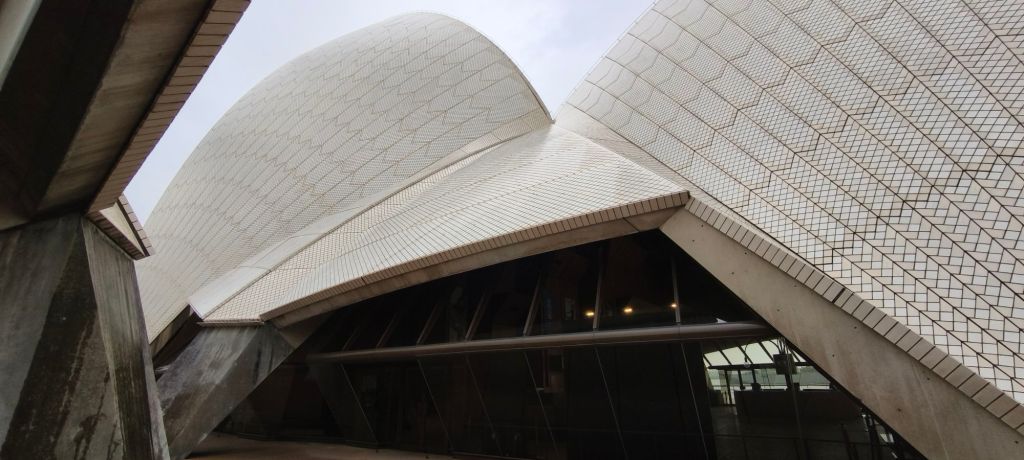
“And it’s gonna be scaly. Like a lizard.”

At the risk of yadda-yaddaing a tale of uncompromising artistic integrity meeting political opposition and the brutal realities of physics, Utzon left the project years before its completion, resulting in a lot of bad blood, wounded feelings and unrealized dreams.
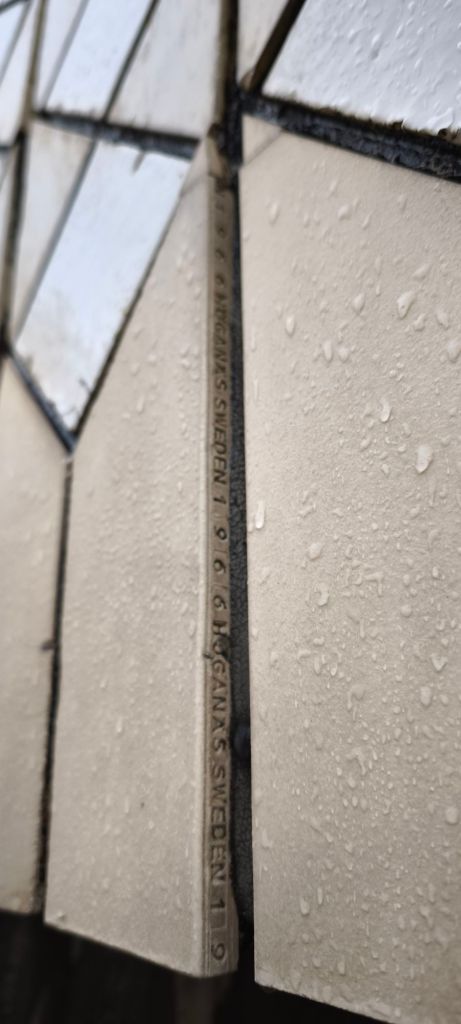
But not before he commissioned a Swedish firm to create the million+ self-cleaning tiles. The development alone took three years.

The Opera House was finally opened in 1973 (Utzon was neither present nor mentioned), and the rest is history. So let’s take a look at what you see on a tour of the Sydney Opera House.

There are seven performance spaces, two of which are on the (at least, on mine) tour itinerary. This is the Studio:
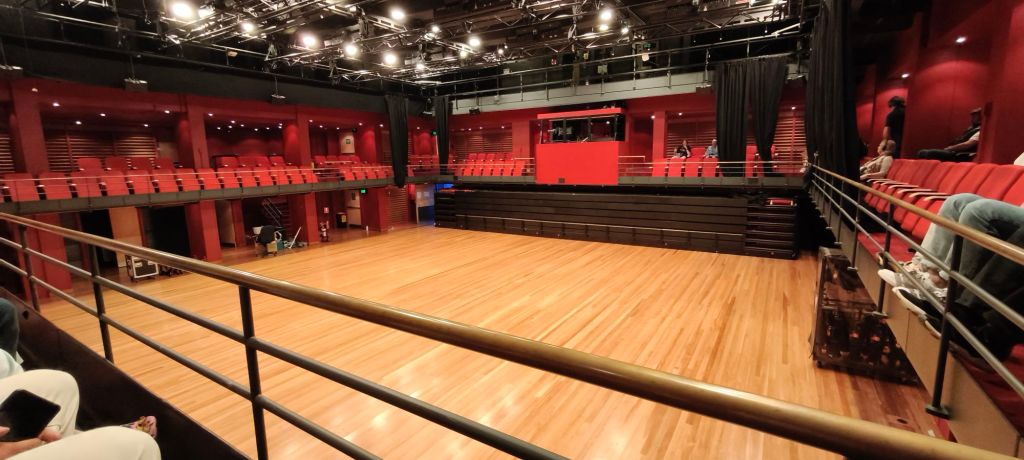
It is a flexible space, with different seating configurations available depending on production needs.

On the way to the Concert Hall, we were able to admire the concrete ribs that form the skeletal structure of those iconic shells, a solution that took four years to develop. The Institute of Civil Engineering seems to tacitly suggest that engineering get the assist for the building, and I will gladly grant it.
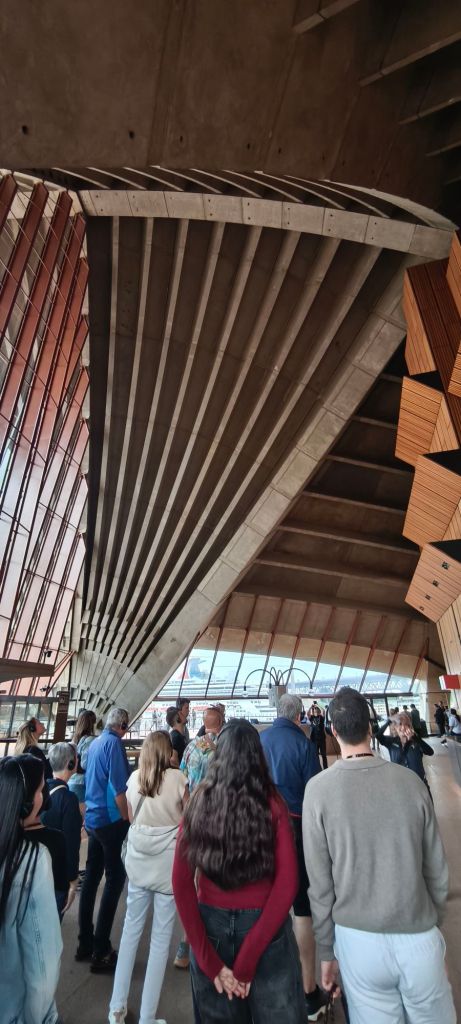
Can’t tickle these ribs.

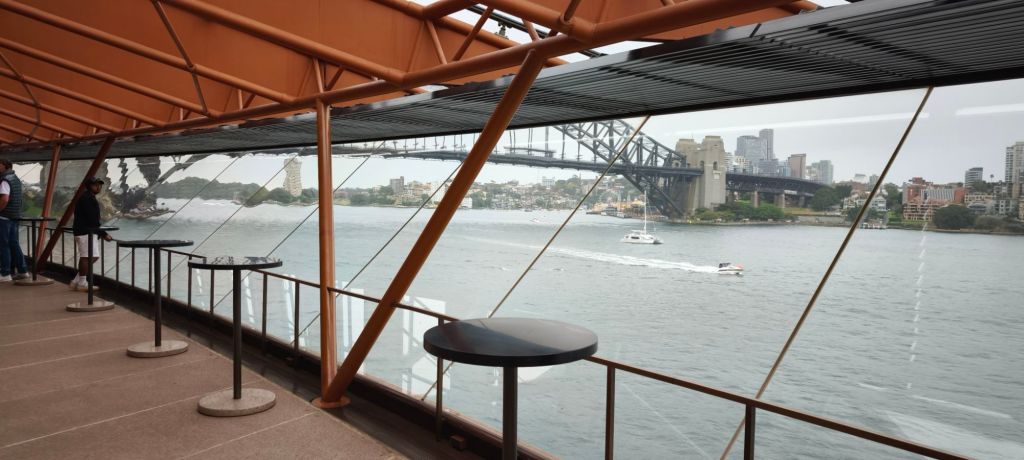
The views of the Harbour make intermissions enjoyable, with glass windows designed to be looked out of no matter the time of day.
If you’re on a tour, the guide does emphasize that the Opera House is not a museum but an operating performance venue, and therefore sometimes tours aren’t allowed in booked halls, or if they are, photography is forbidden by the performers for privacy and/or copyright purposes. I mention this here because The Pogues were playing the Concert Hall that night, and they forbade photography in the hall because their backdrop was already up. So here’s my sketchy memory of it:
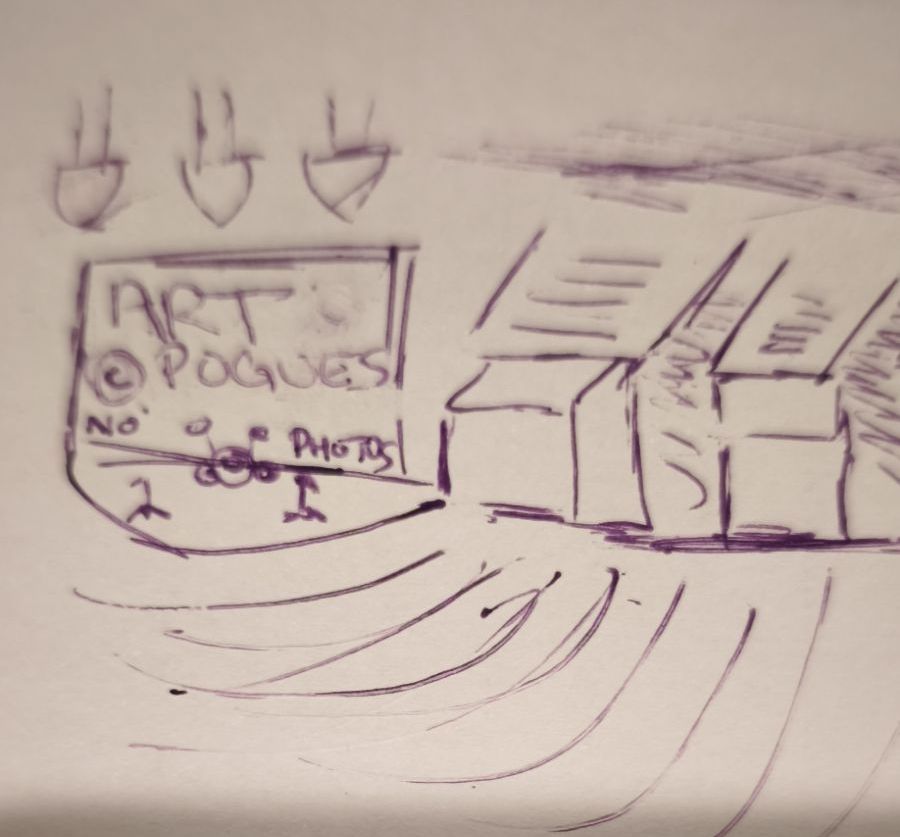
FINE, The Pogues. I guess obeying copyright law is the punkest thing of all.

You can read more about the design and interior details here, and The Pogues cannot stop you.
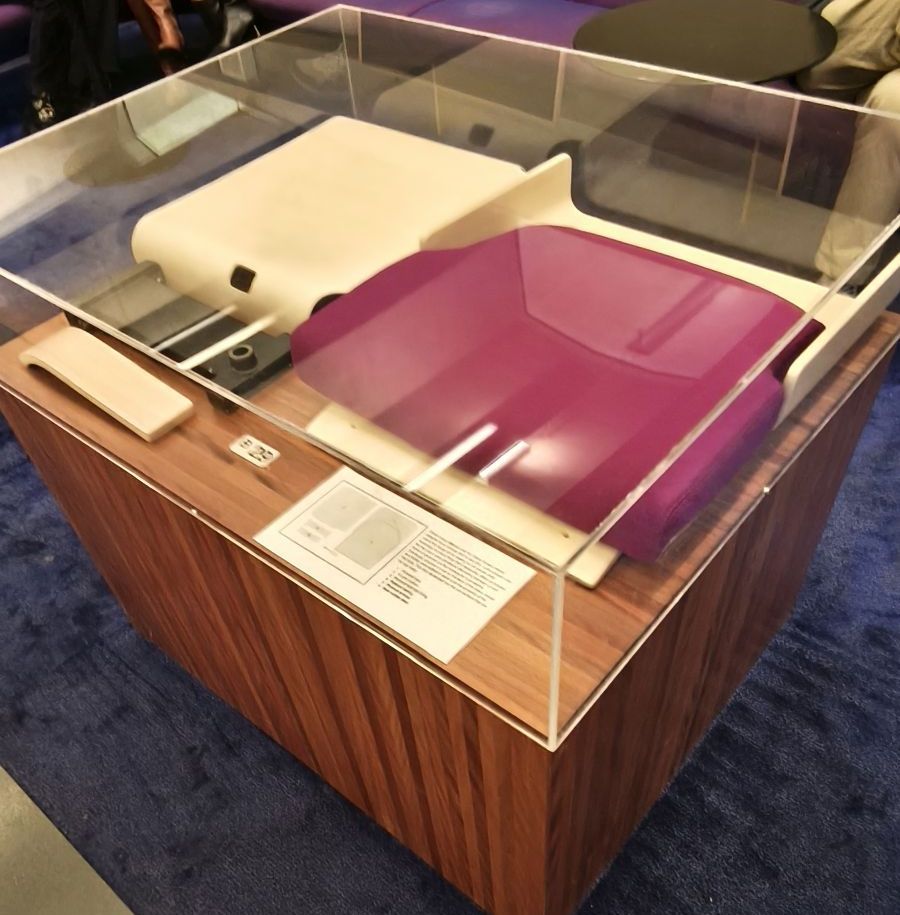
And here’s one of the seats displayed in the foyer.

This is pretty long for a tiny tour, so I’ll end by noting that Jørn Utzon never returned to see how his building was completed, although he was reconciled with the powers that be eventually and was still living when the Opera House was declared a World Heritage Site, only the second person to have his work recognized as such while alive. It’s the kind of vindication the rest of us can only dream of. So go ahead and blow that project budget to kingdom come; maybe you’ll end up with one of the most iconic structures in history.

Tours of the Sydney Opera House run daily, except Christmas Day and New Year’s Eve. If you’d rather wander around the public places and hit the gift shop, you can do that for free.
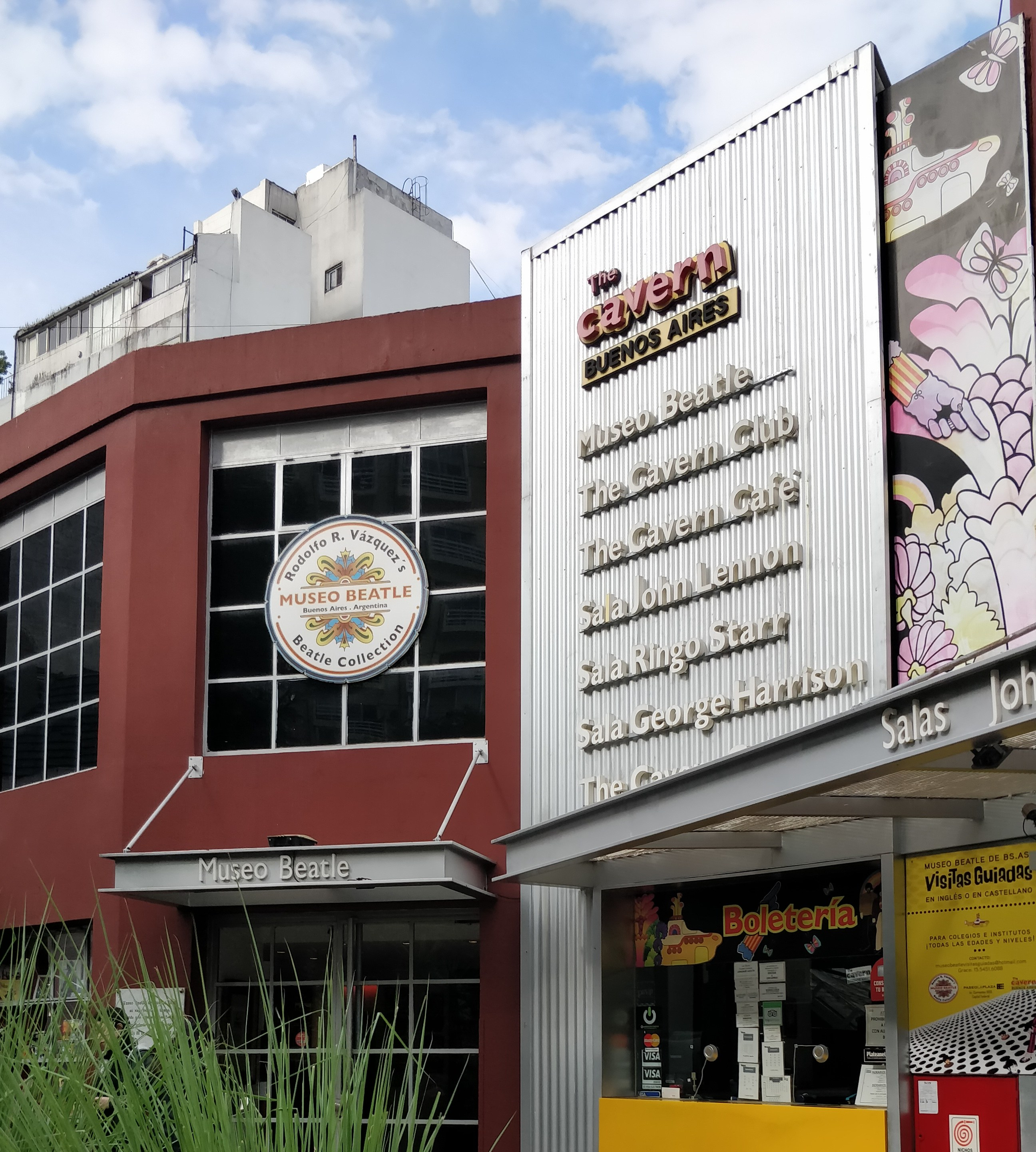
Museo Beatle [Beatle Museum]

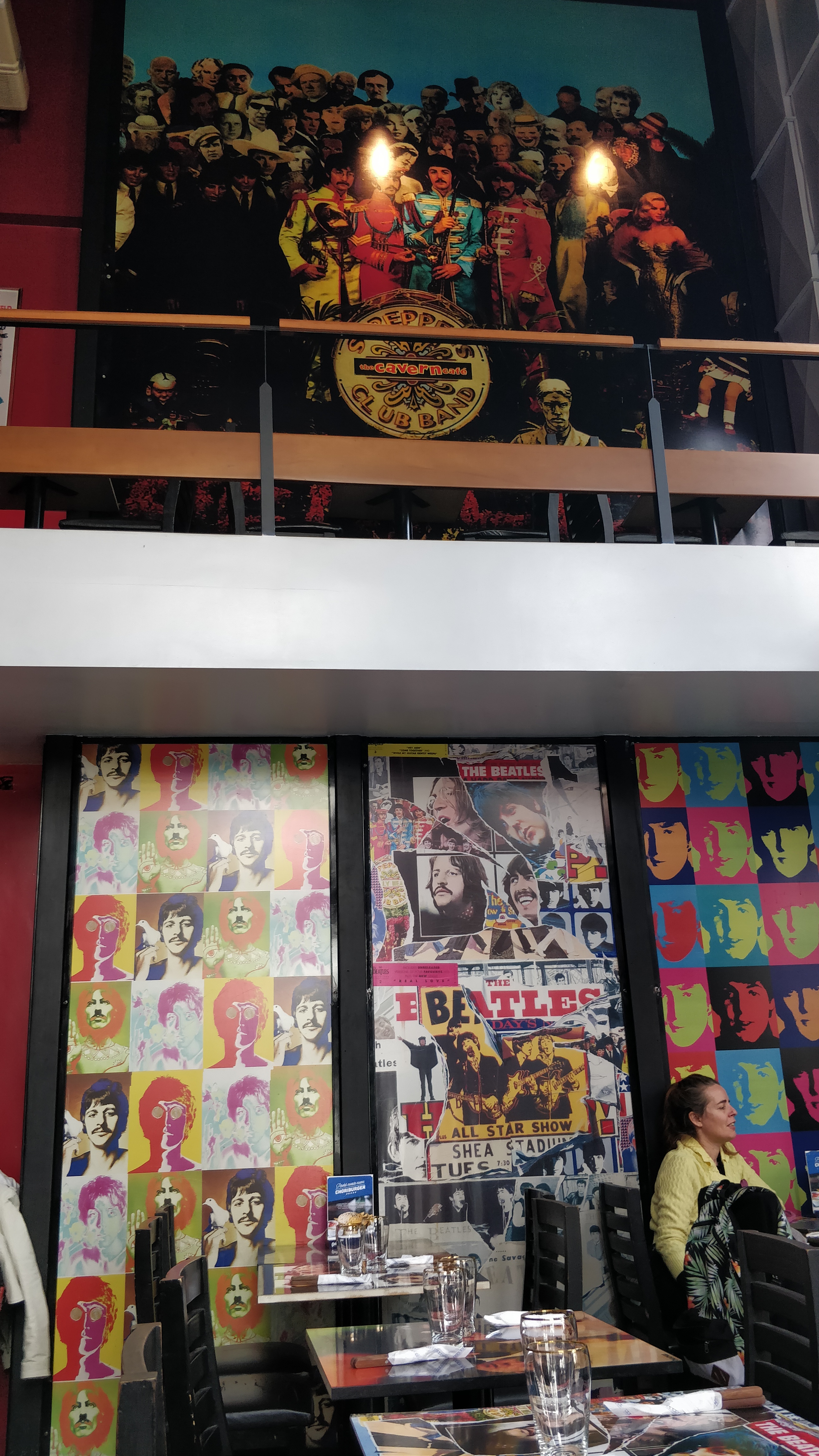
Tucked in the Paseo La Plaza on Corrientes Ave, the “street that never sleeps” and a center of theater and tango, is the Cavern.


img_20190606_122033.jpg
Can’t buy me love, but can buy me a ticket to ride if by “ride” you mean “go into the museum”

Named for the Beatles’ frequent venue, it’s a Beatles-themed complex that includes a cafe, a club, a theater, performance spaces, and a museum.

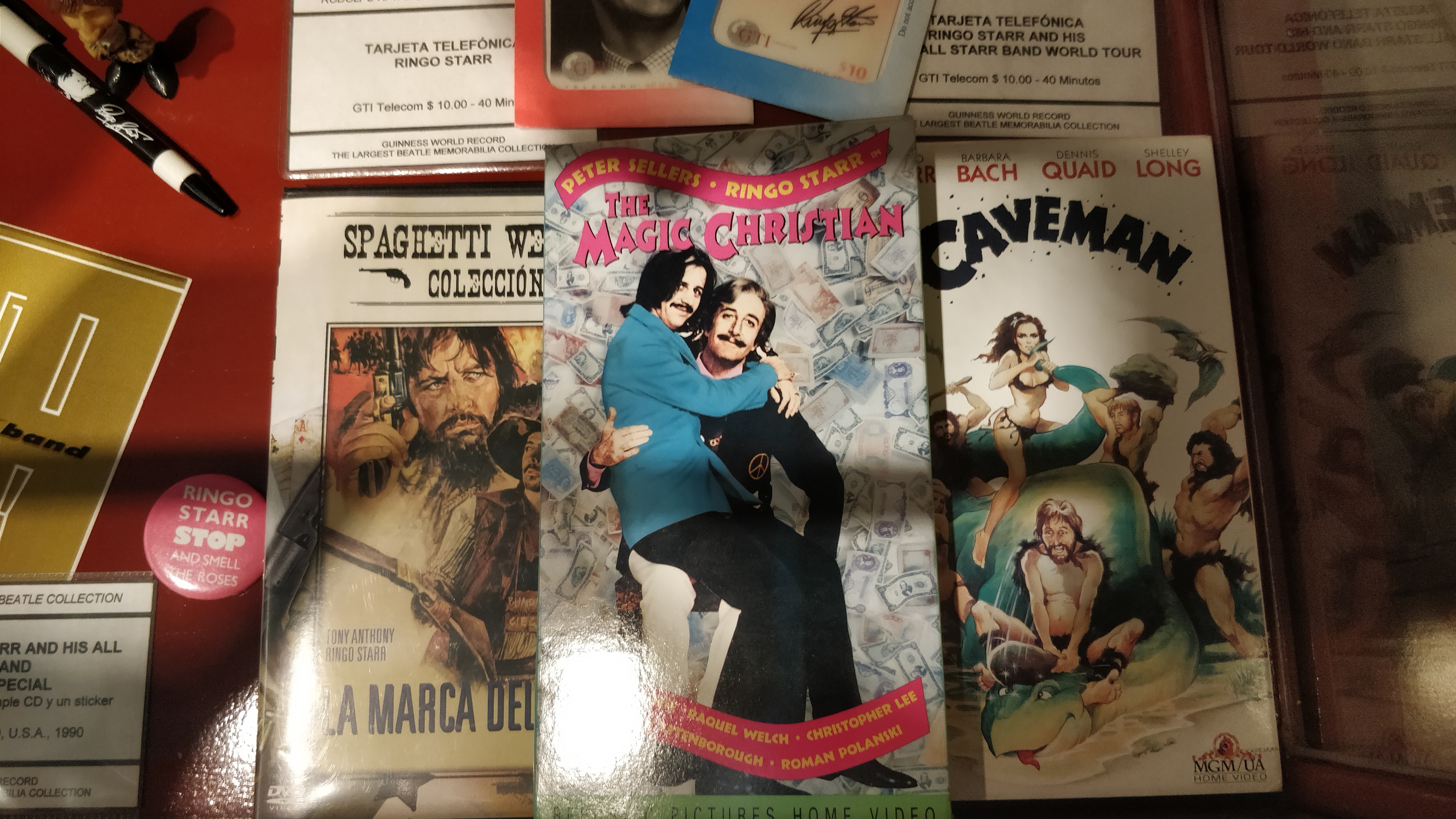
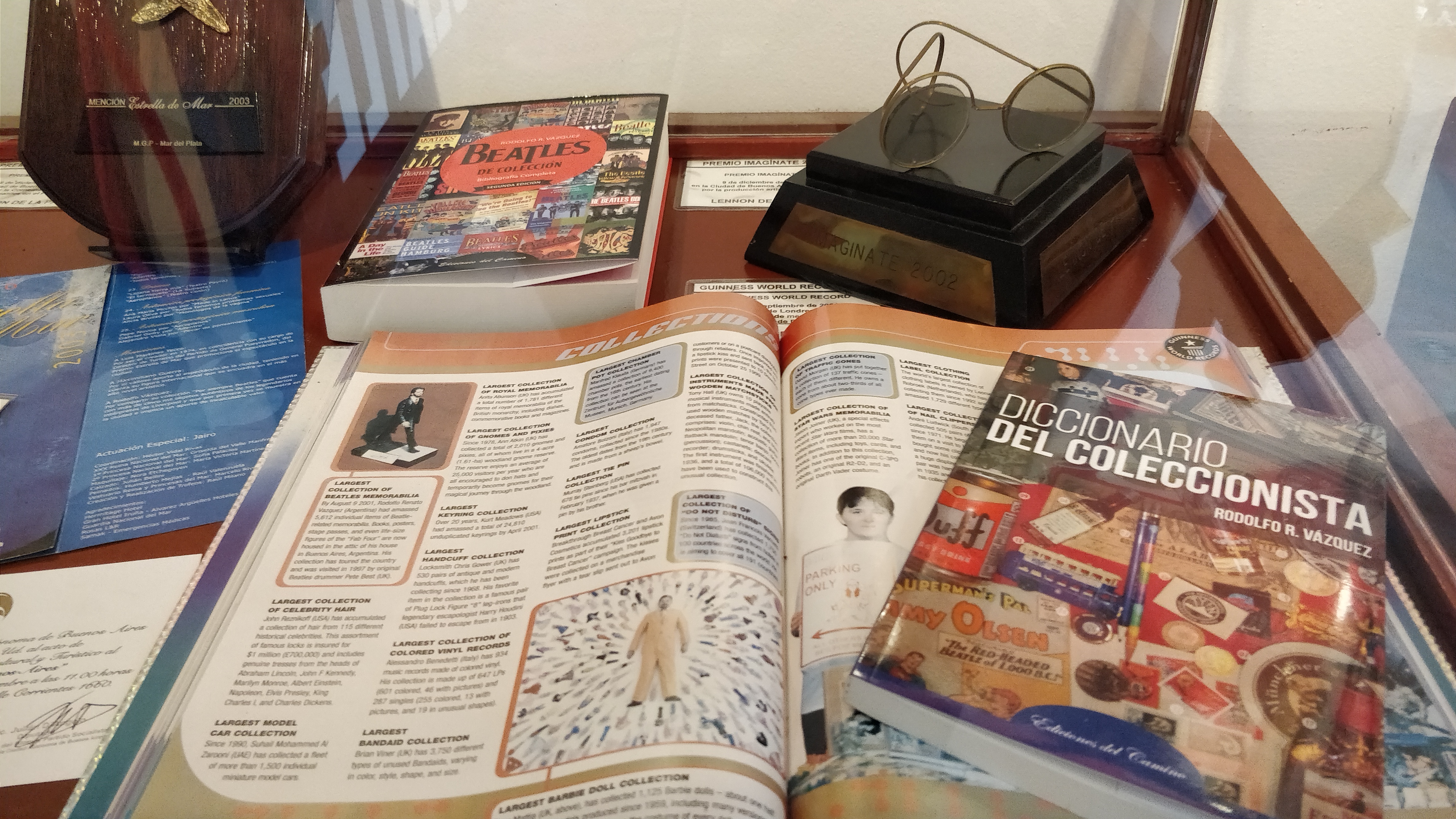
The Museo Beatle belongs to one of the most charming categories of museum, “personal collection that got way out of hand.”  In this case, Rodolfo Vázquez began collecting Beatles stuff at the age of 10, and by 2001, he had the Guinness Book of World Records certified biggest damn Beatles collection (re-certified in 2011 by Guinness as having 7,700 items).

IMG_20190606_122657.jpg
Can’t buy me love, but can buy me the catalog in the gift shop

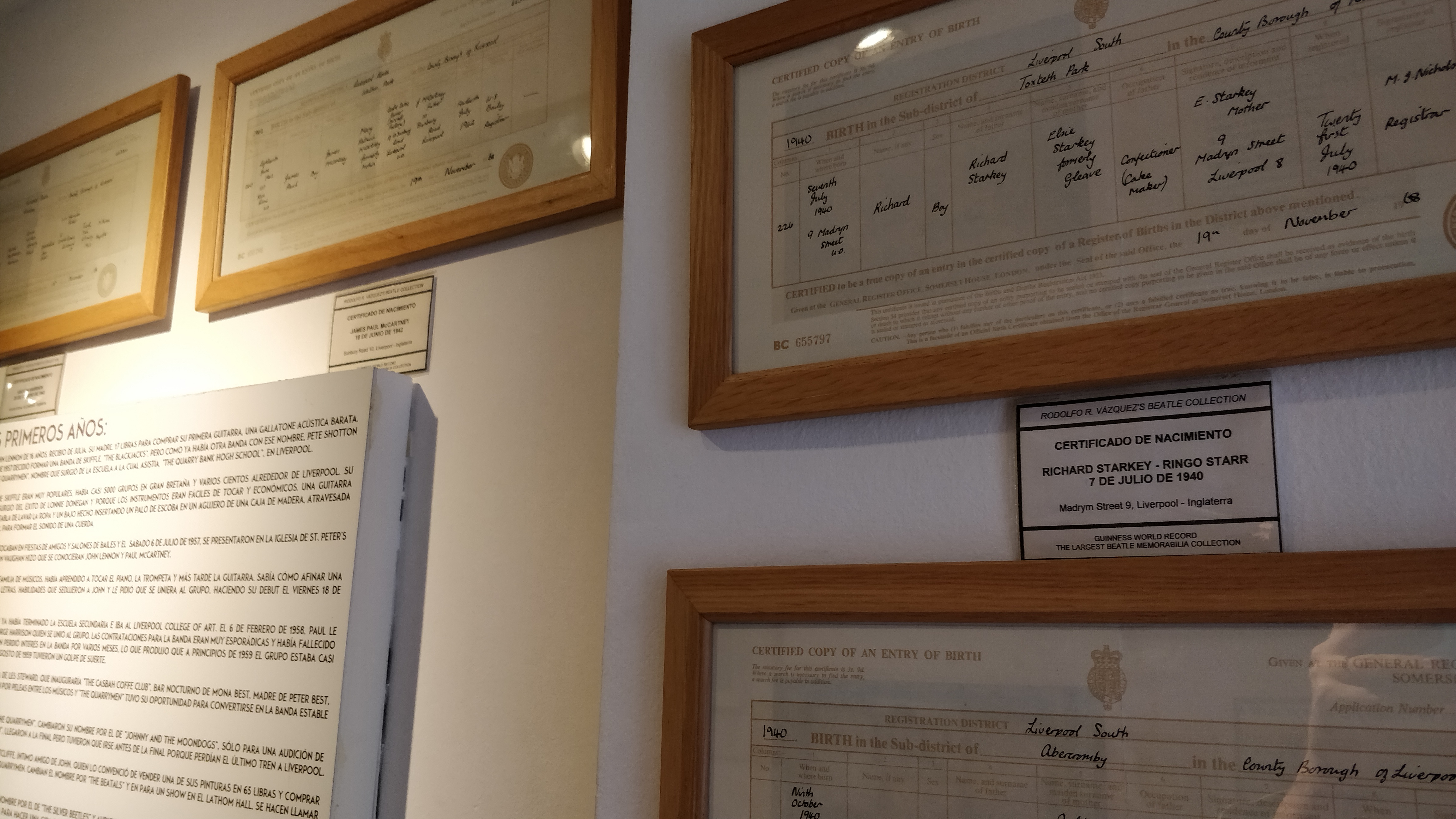
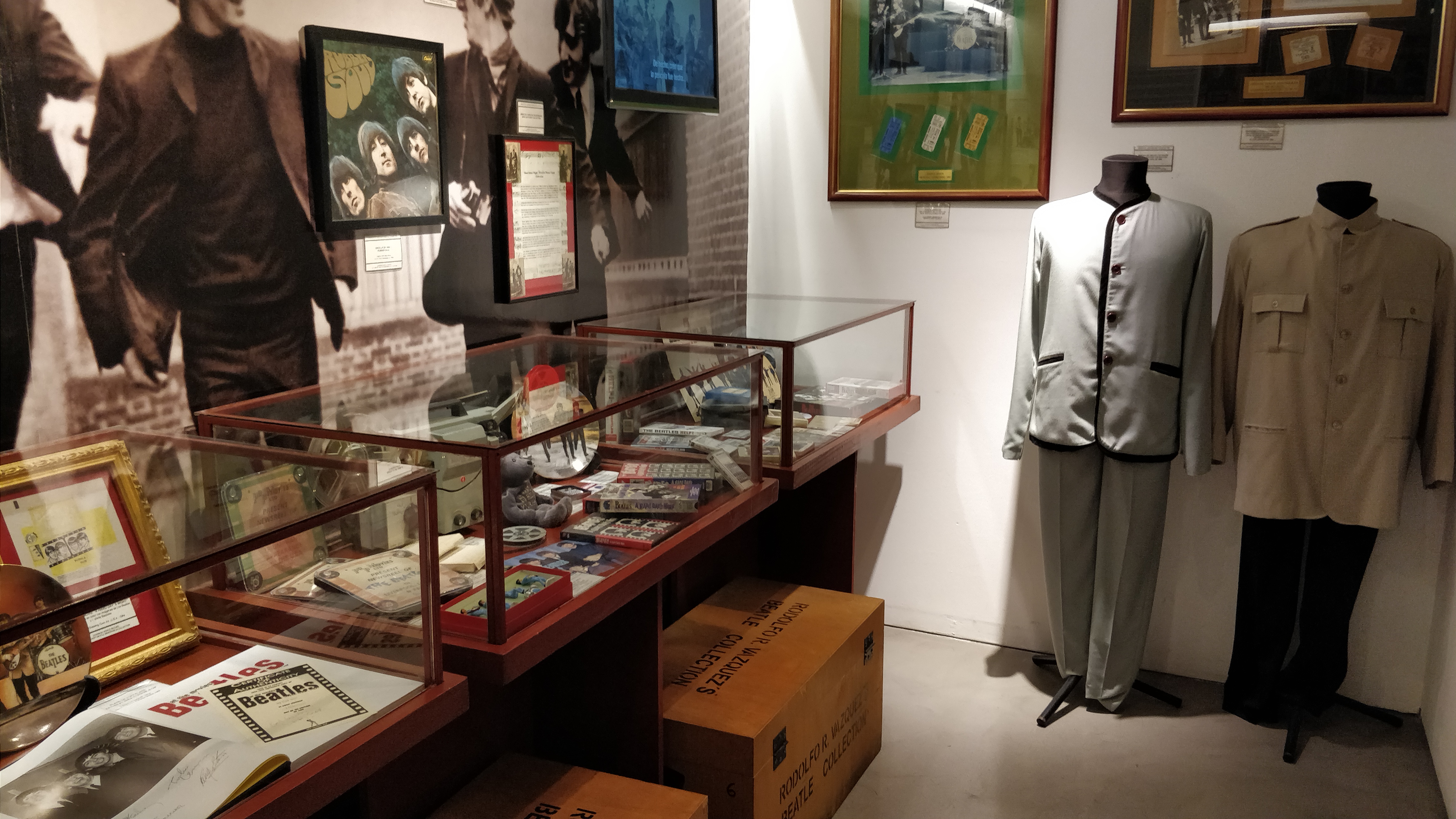
The museum is organized chronologically, and how else would you start, but with the Fab Four’s frickin’ births?

IMG_20190606_122712.jpg
Original birth certificates, I was told

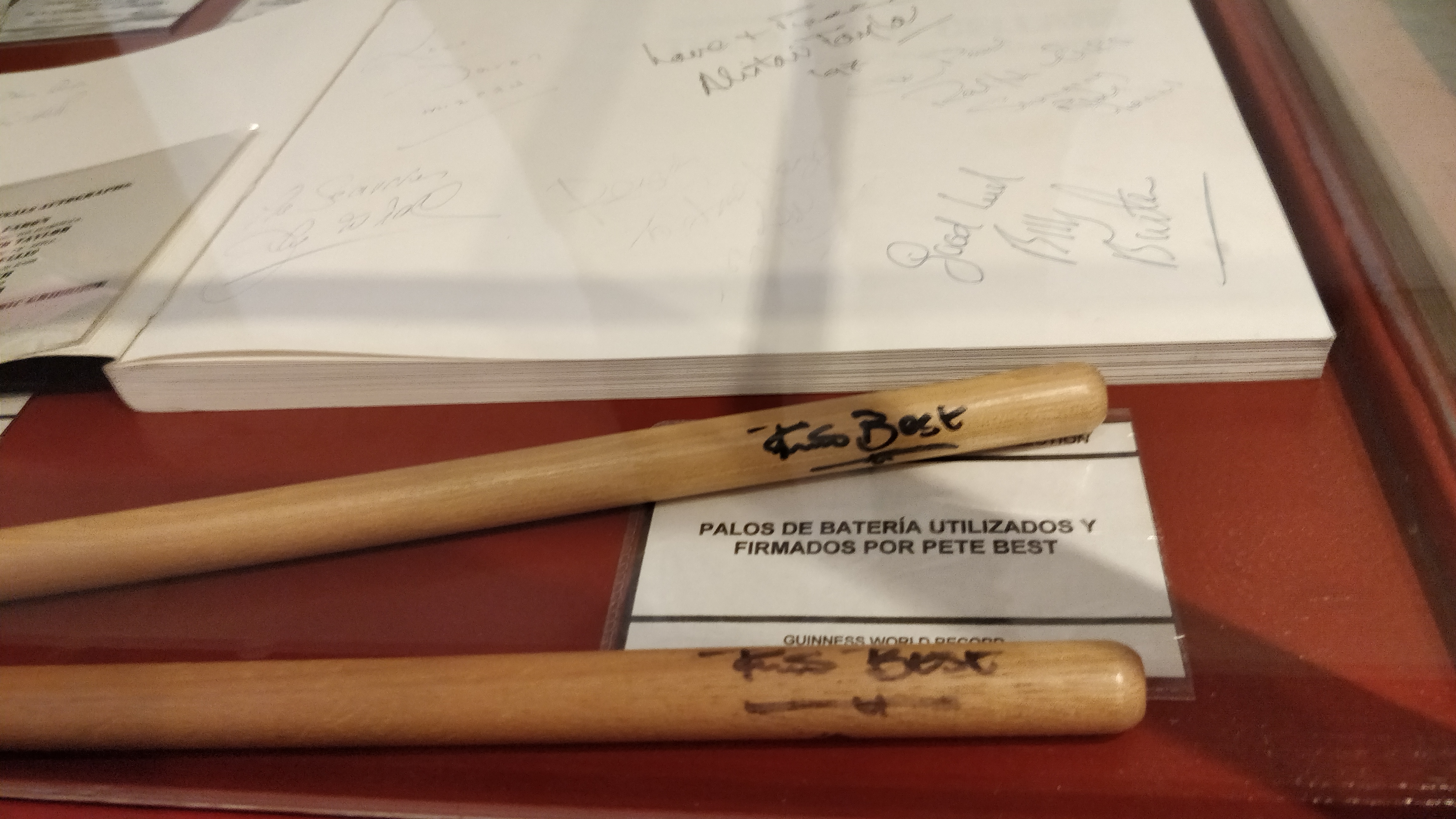
Don’t worry, Pete Best fans, the museum’s got you covered.

IMG_20190606_122923.jpg

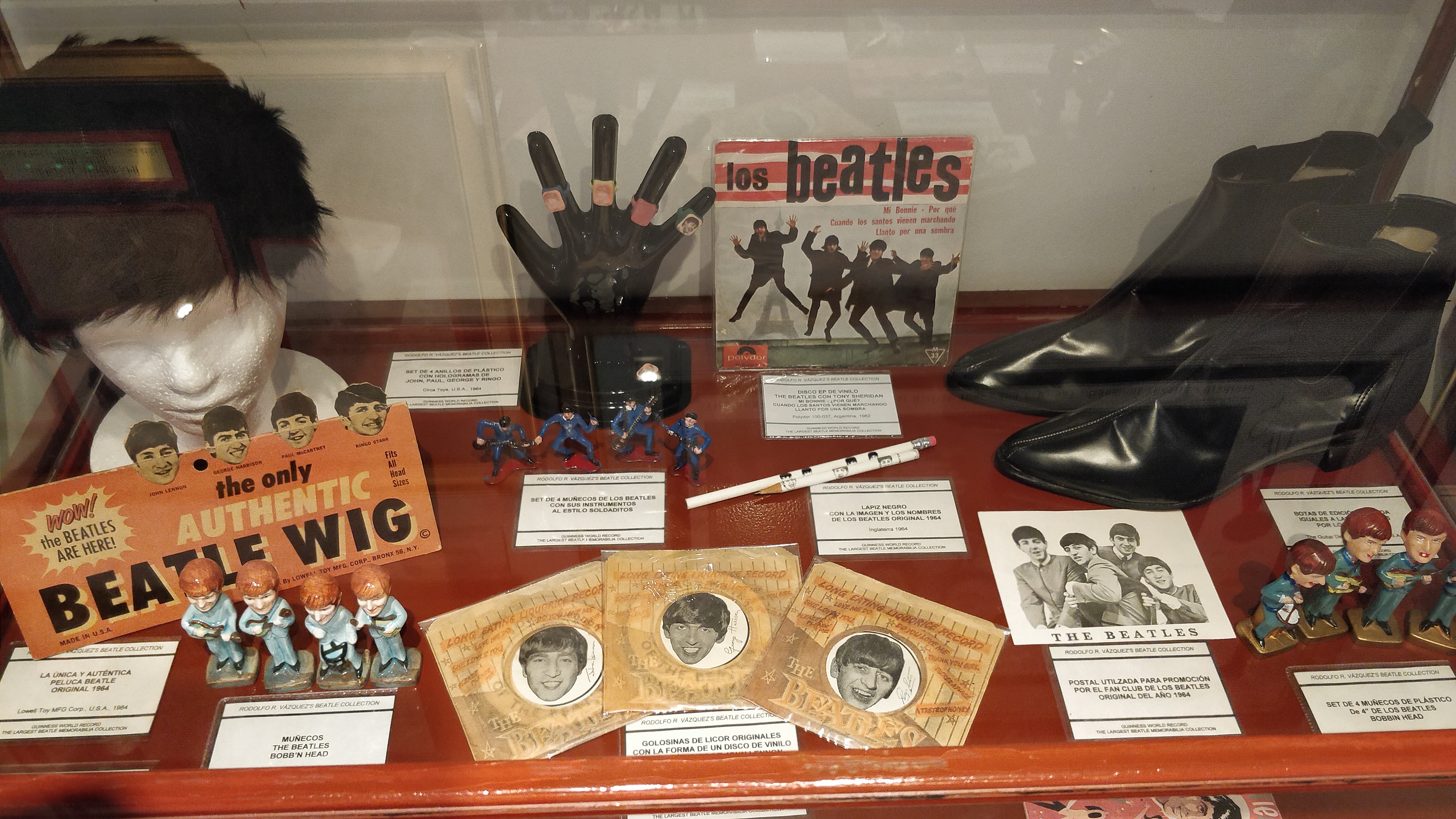
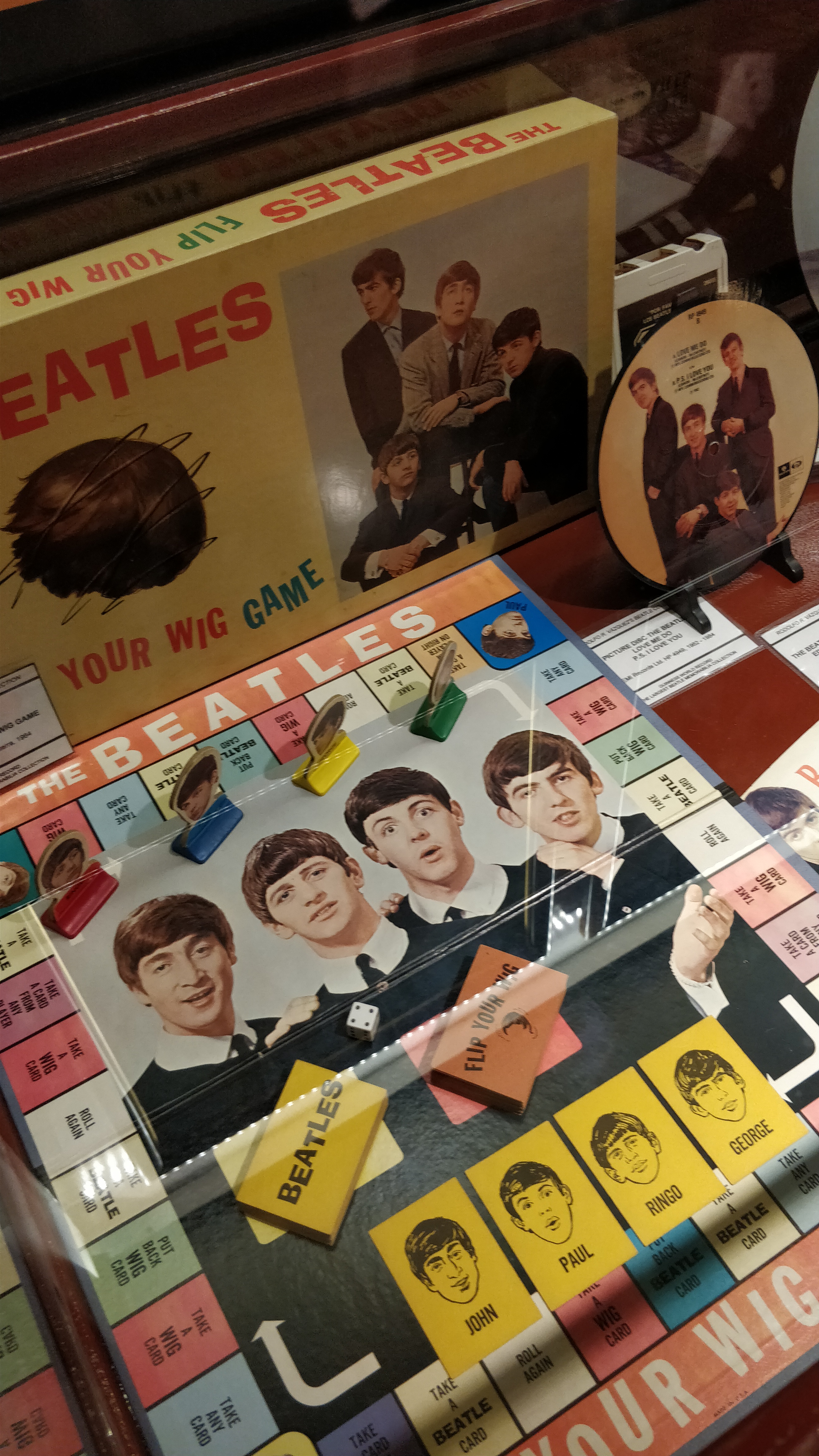
I’m not actually a big Beatles fan; I don’t know much about them.  I was surprised by how meteoric their rise really was.  They added Ringo and recorded their first album in 1962, released it in 1963, and by 1964, the merch production was insane.

IMG_20190606_123108.jpg
Authentic Beatle wig, and those squares at the bottom are candy. Licorice candy.


IMG_20190606_123337.jpg
Sure, sounds fun.


IMG_20190606_123257.jpg
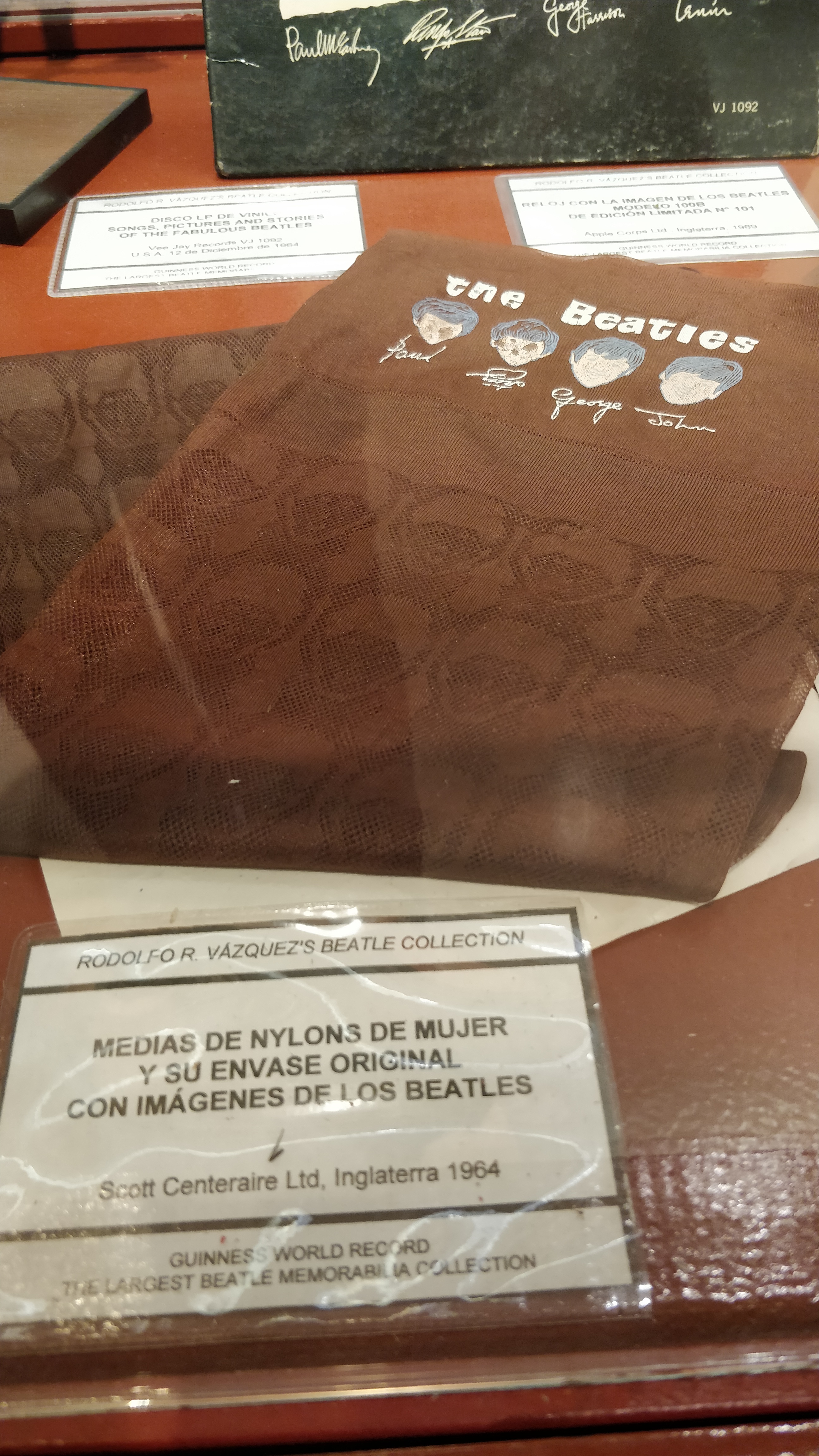
That is PANTYHOSE, with their FACES ON IT.

Continuing on through Beatlemania…

IMG_20190606_123348.jpg
Several videos available throughout the timeline.

…and on to Sgt Pepper’s something something.

IMG_20190606_124010.jpg
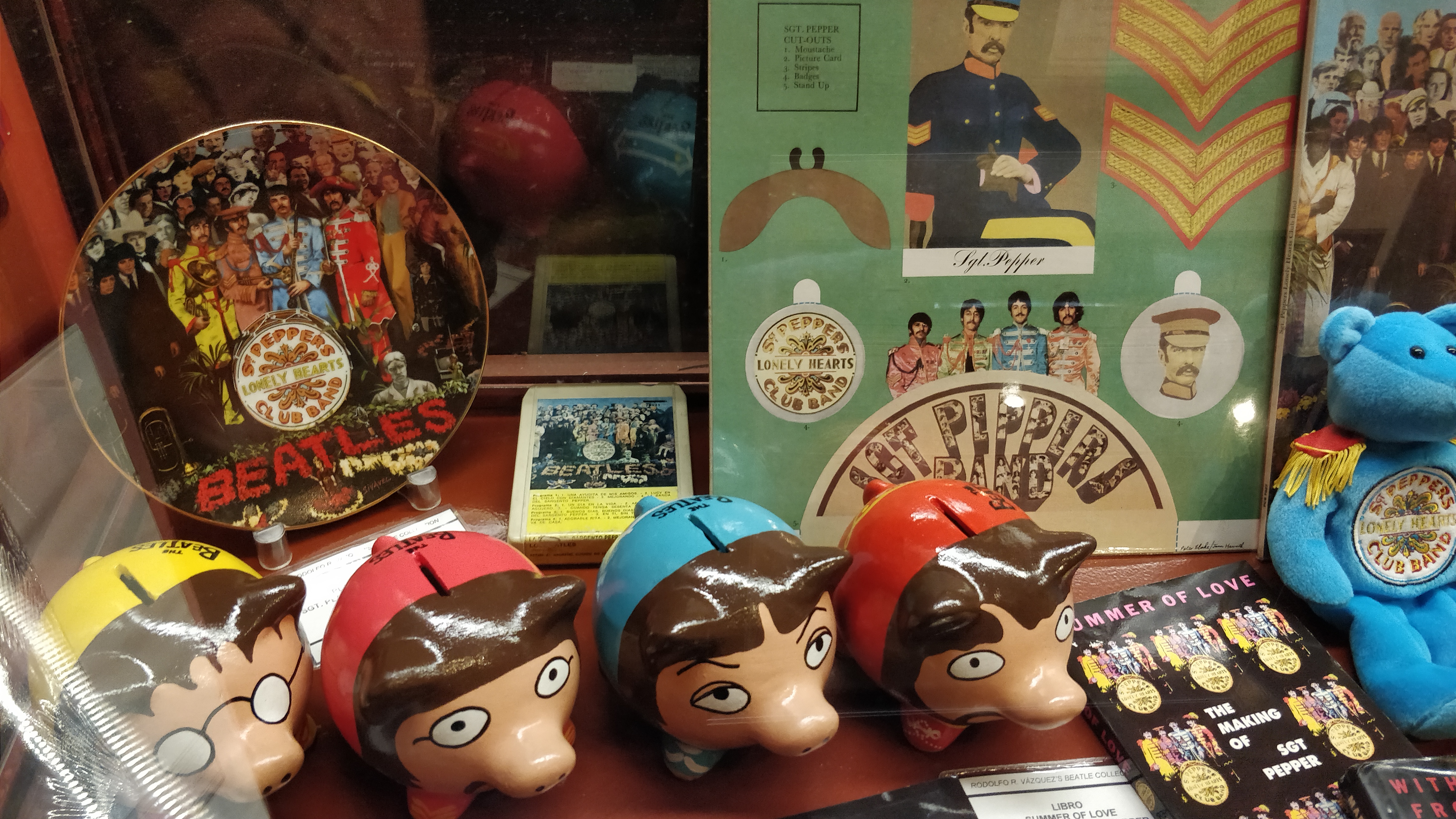
Pig Ringo’s eyeliner wings on point.

I understand Beatles memorabilia, not unlike their aesthetic, gets weirder from here.

IMG_20190606_124301.jpg
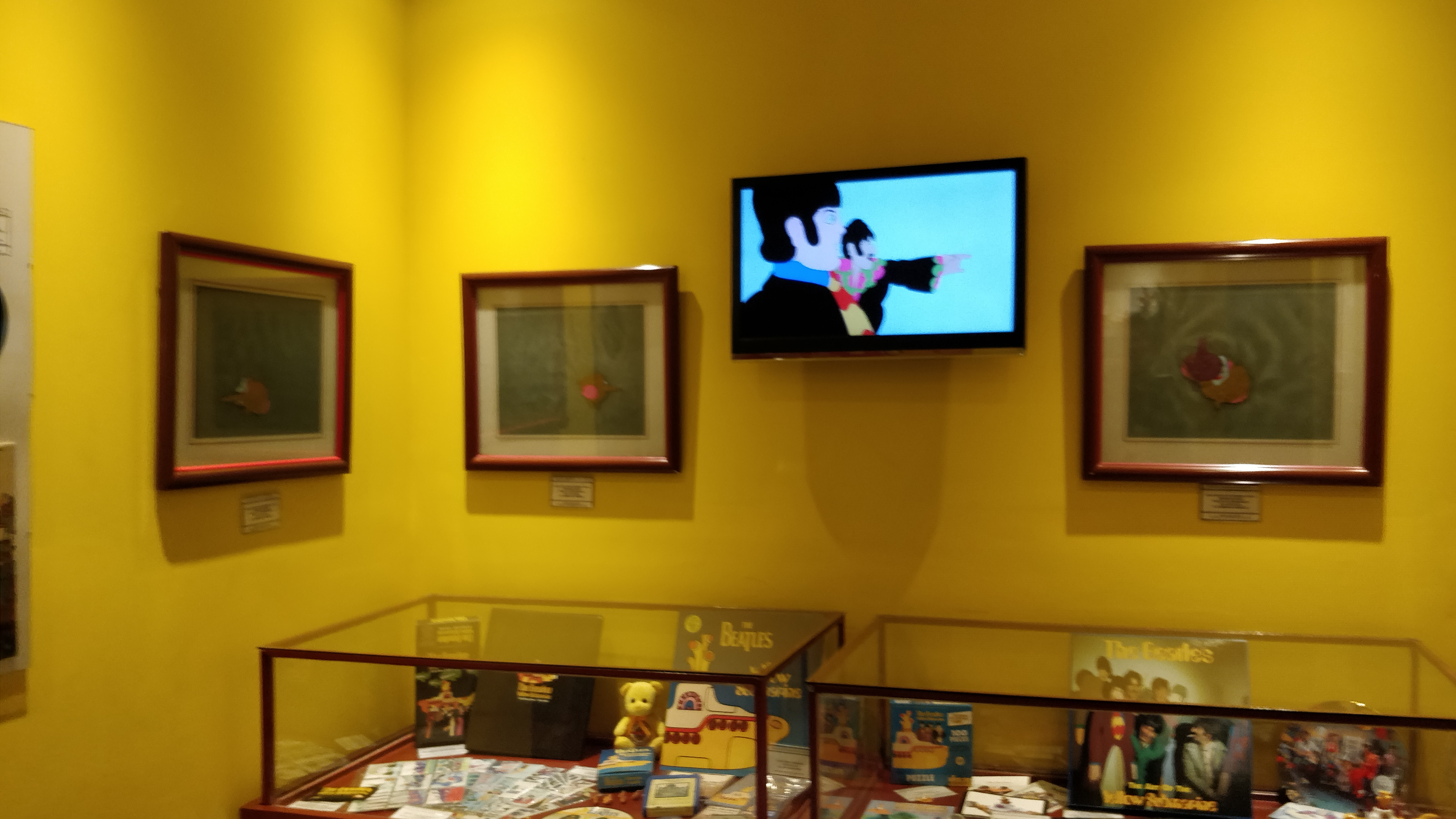
All of us cohabitate in a lemon-hued submersible.

IMG_20190606_124135.jpg
And we are clean and sober as the day is long.

There are various records, advertisements, and autographs of anyone even tangentially related to the band throughout the museum.  All that is well and good, but you want a photo op.  Of course you do.

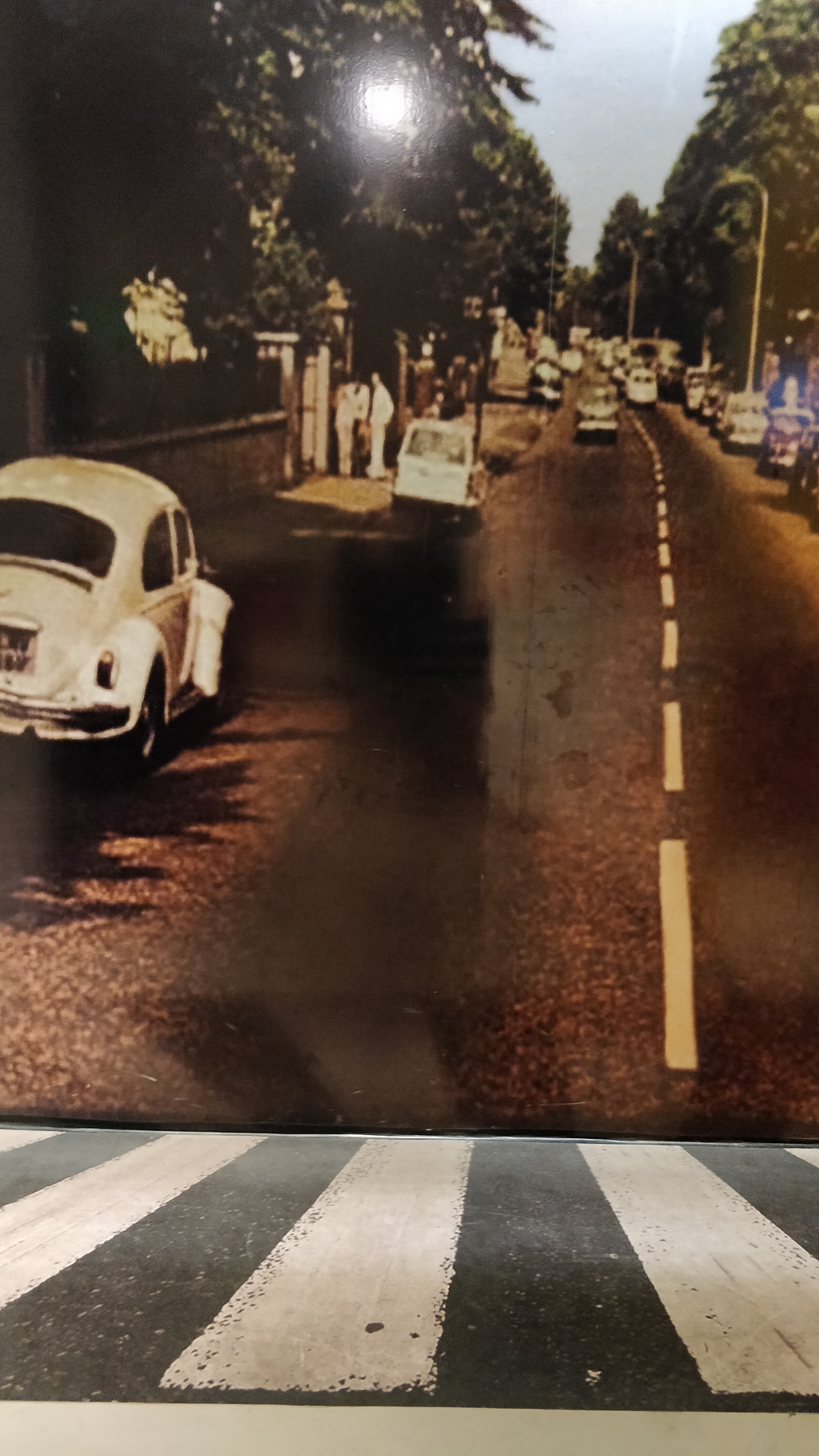
IMG_20190606_124405.jpg
The only true Beatles photo op.

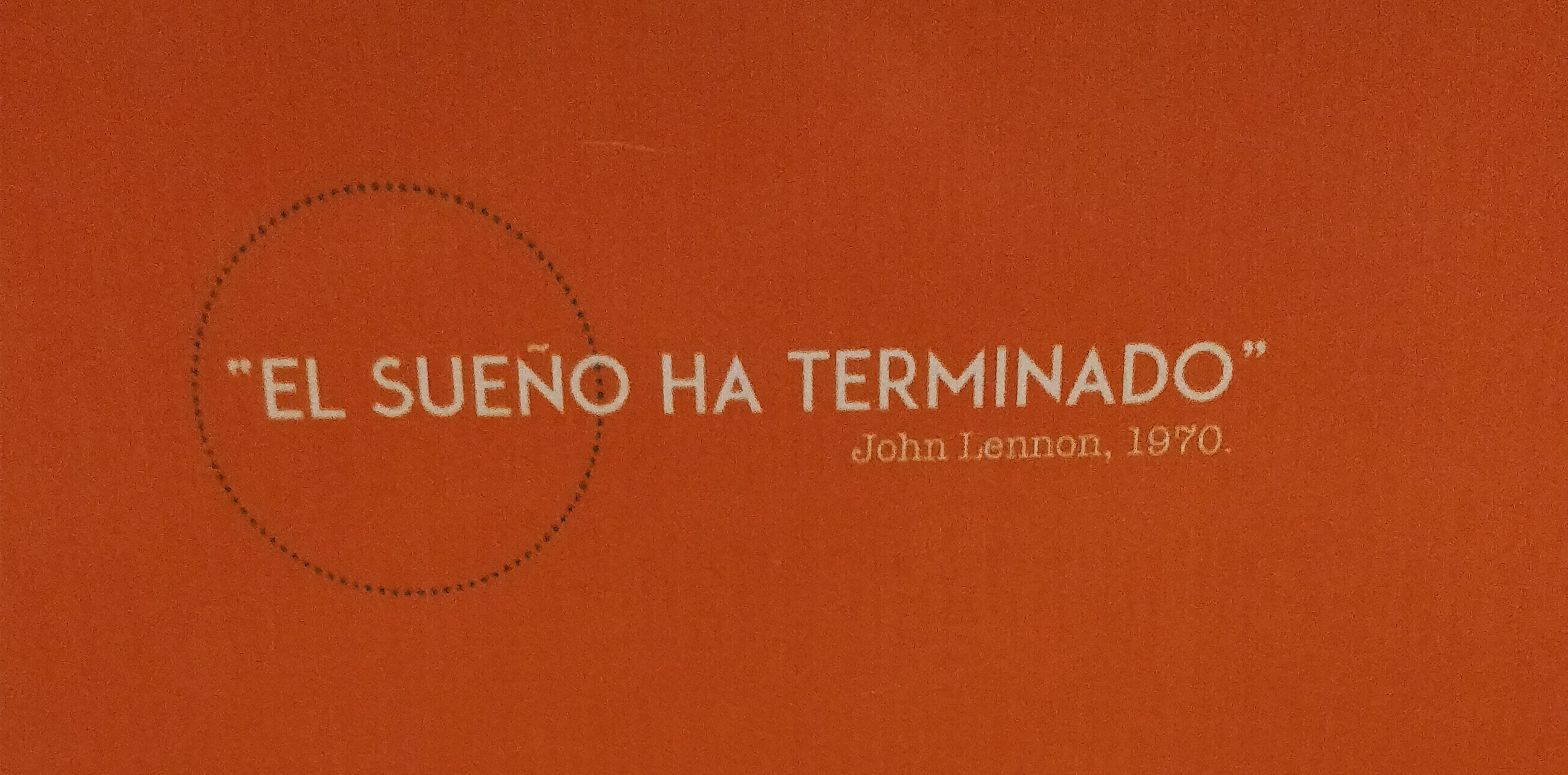
You do, eventually, come to that point on the timeline when things, as all good things do, come to an end.

IMG_20190606_124455.jpg
Bummer.

But as I’m sure every other person on the planet knows, because I know this, the Beatles didn’t just vanish in 1970.  They all had solo careers!

Visitors will find nooks dedicated to each man’s solo efforts and life decisions.

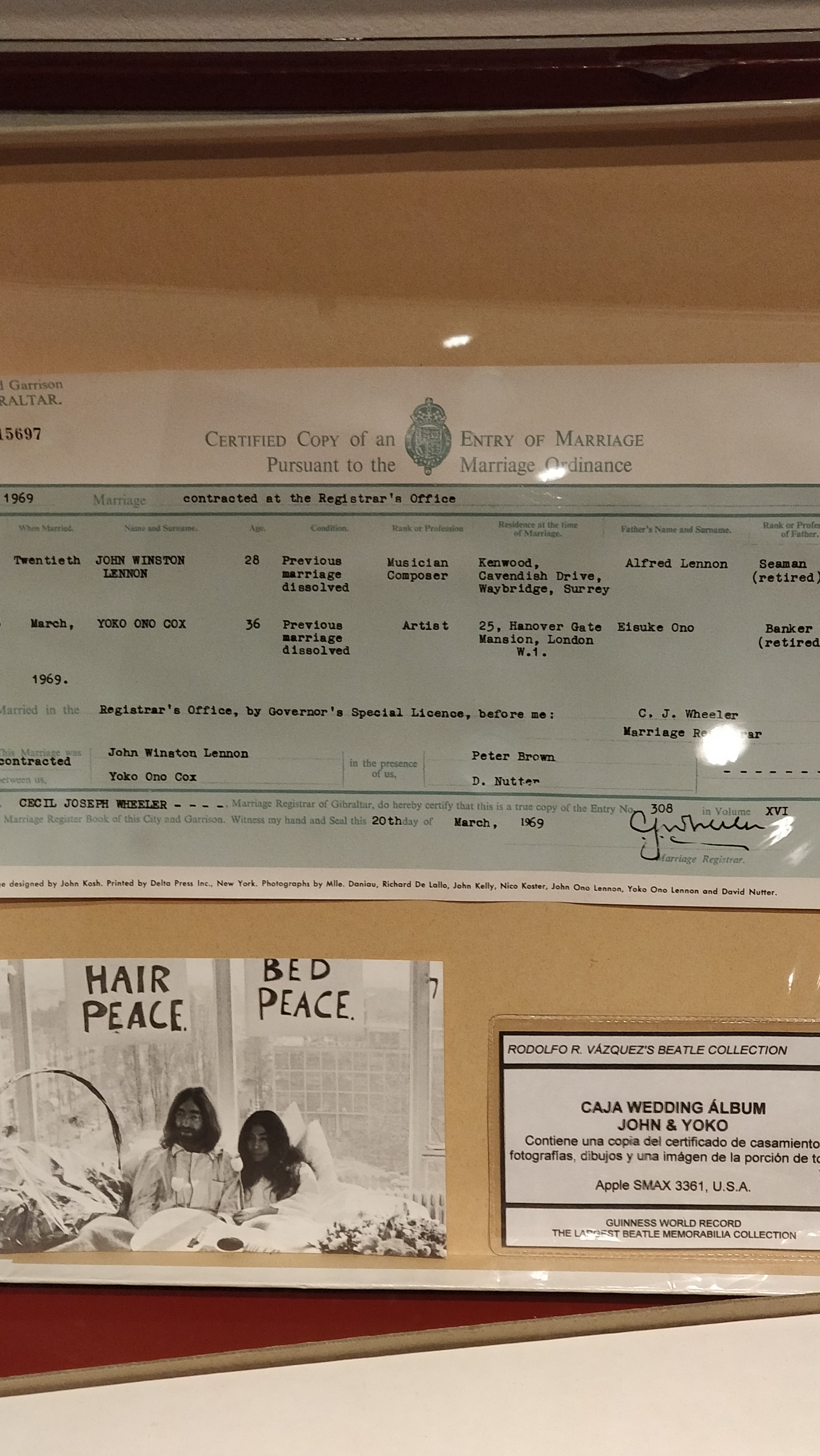
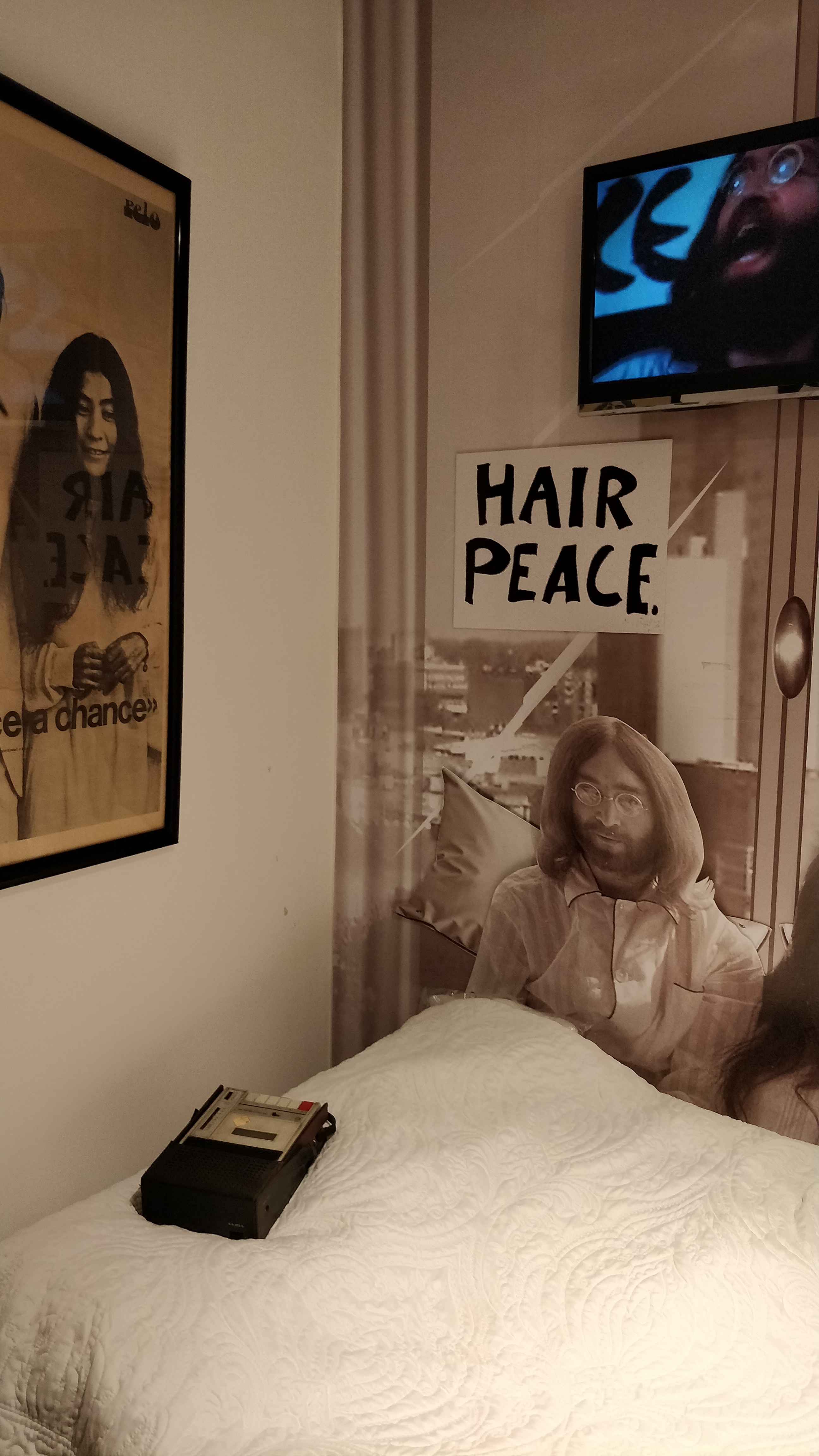
IMG_20190606_124731.jpg
I heard John remarried.

IMG_20190606_125602.jpg


Ringo…well Ringo did some things I was entirely unaware of until five seconds before I took this photo.

IMG_20190606_125114.jpg

After visiting the museum, you can walk across the courtyard to the cafe and have a typical and filling Argentine lunch for 250 pesos (about US$5.50).

IMG_20190606_130727.jpg

If you’re a Beatles fan or just want to see a bunch of Beatles stuff, you’ll find The Cavern in the San Nicolás barrio at Av Corrientes 1660, inside the Paseo La Plaza, which is a actually a really lovely complex of shops, restaurants, performance spaces, and trees in the middle of a busy place.  It’s close to the D line and B line of the subway, Congress, the Obelisk–a thousand ways to get there.  The museum entries are 250 pesos (about US$5.50) for foreigners, 200 pesos for Argentines and residents, and free for kids 10 and under.  Check the website for the hours.

Museo Casa Carlos Gardel [Carlos Gardel House Museum]

Tango, as you might have deduced if you’ve spent 15 seconds in Buenos Aires, is kind of a big deal here.  There are tango street dancers, tiny stages for performers at touristy restaurants, and ample opportunities to be tutored.  There are big, flashy tango shows, small tango shows, tango shows at historic tango bars/restaurants.  Tango postcards, tango art, tango CDs, tango souvenirs.  Hand to god, I have seen a wooden statue of Jesus playing a bandoneon for sale in San Telmo.  I totally should have bought it.

But the tango isn’t just for the tourists.  The dance and the music are very real and integral parts of the Buenos Aires cultural identity.  There are milongas of all sorts, where people go to dance.  The two parks closest to my place roll out temporary dance floors on Sunday evenings in the summer.  Tango music is everywhere.

Which brings us to Carlos Gardel.

IMG_20180730_152425.jpg

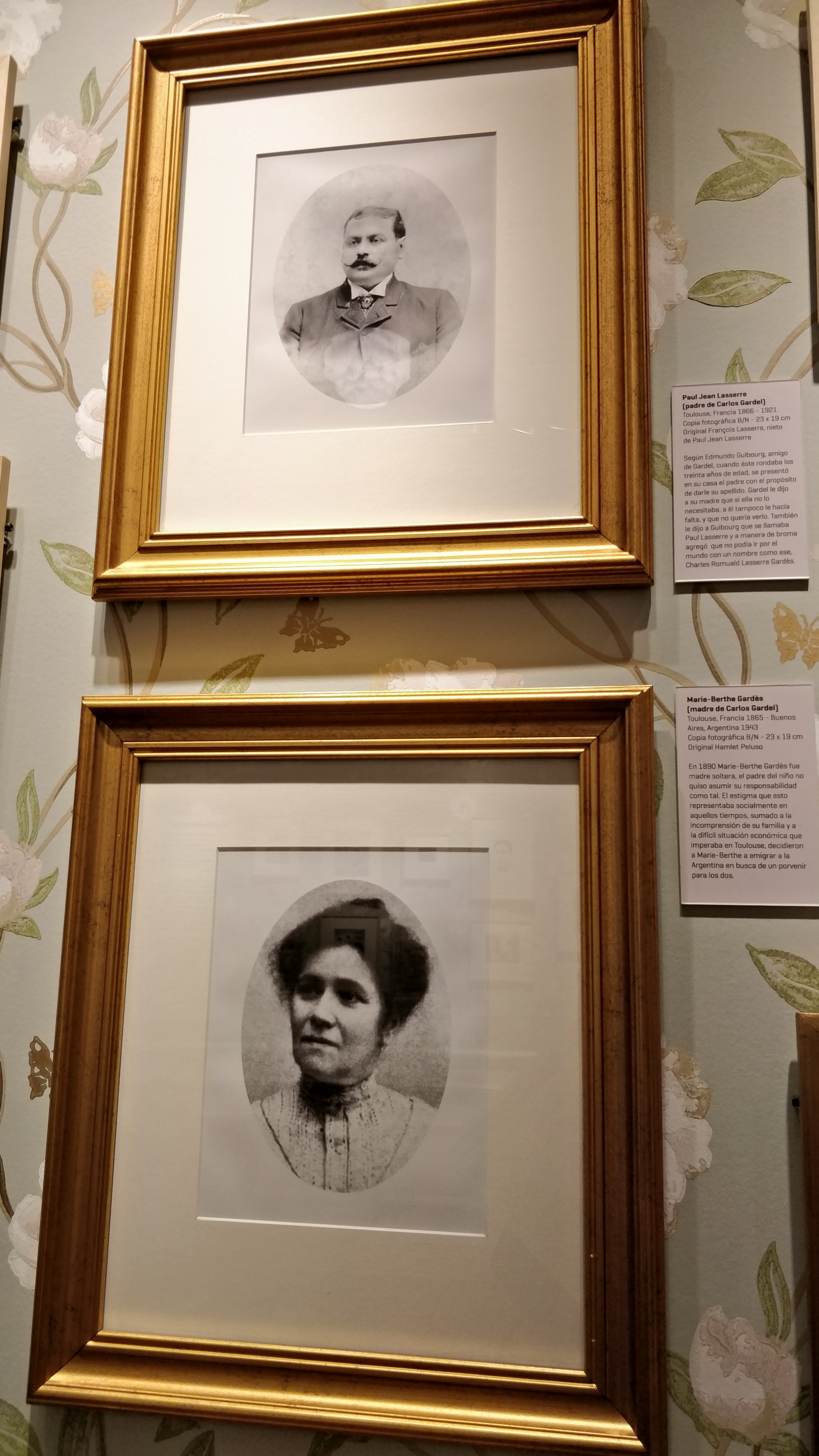
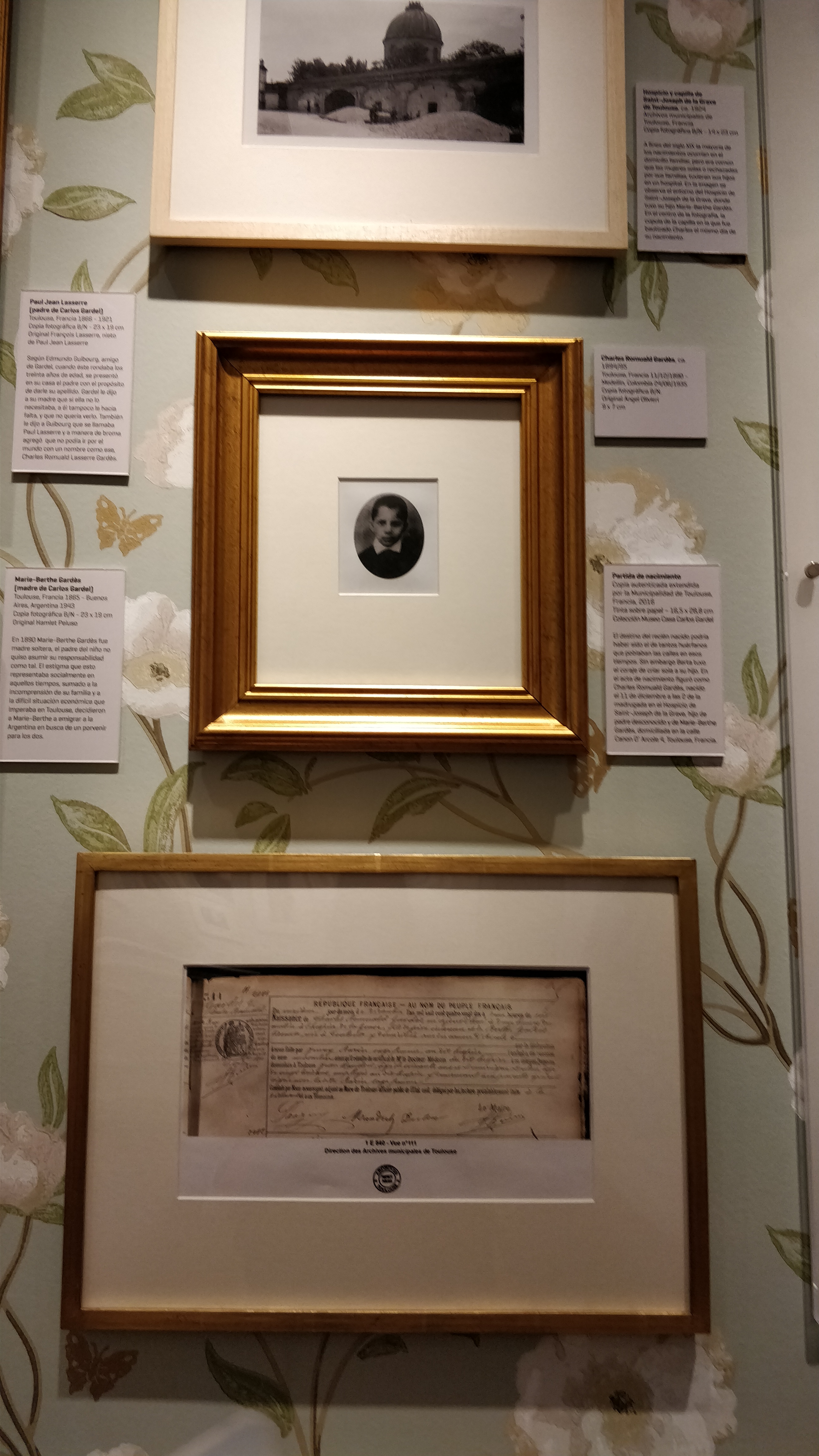
Gardel was born Charles Gardès  in 1890 in Toulouse, France, to a young laundress and a dude who was married to someone else.  Berthe Gardès did officially call out her baby-daddy, but we know how these things go for women, and when little Charles was two, Berthe moved them to Buenos Aires to begin a new life as a “widow.”  There, they would be called by the Spanish version of their names, Berta and Carlos Gardel.

IMG_20180730_150407.jpg
Berthe, called Berta in her new homeland, [bottom] and the sperm donor [top]
Incidentally, Paul Laserre would show up in Buenos Aires to ask Berta to marry him and “legitimize” Carlos when Carlos was around 30 years old and had conveniently released his first hit record.  Carlos told his mom that if she could live without the guy, so could he, and didn’t see him.  WELL PLAYED.

Carlos himself would muddy the facts of his birthplace by claiming Uruguayan citizenship, stating he was born in Tacuarembó, Uruguay (he then acquired Argentine citizenship).  This was probably done to smooth over an upcoming tour of France, has he had never registered for military service, as required of French citizens.  This paper trail has led to different early biographies and native son claims, but look the museum has a copy of his French birth certificate so Uruguay should pipe down.

IMG_20180730_150403.jpg
I took a particularly poor photograph of it.

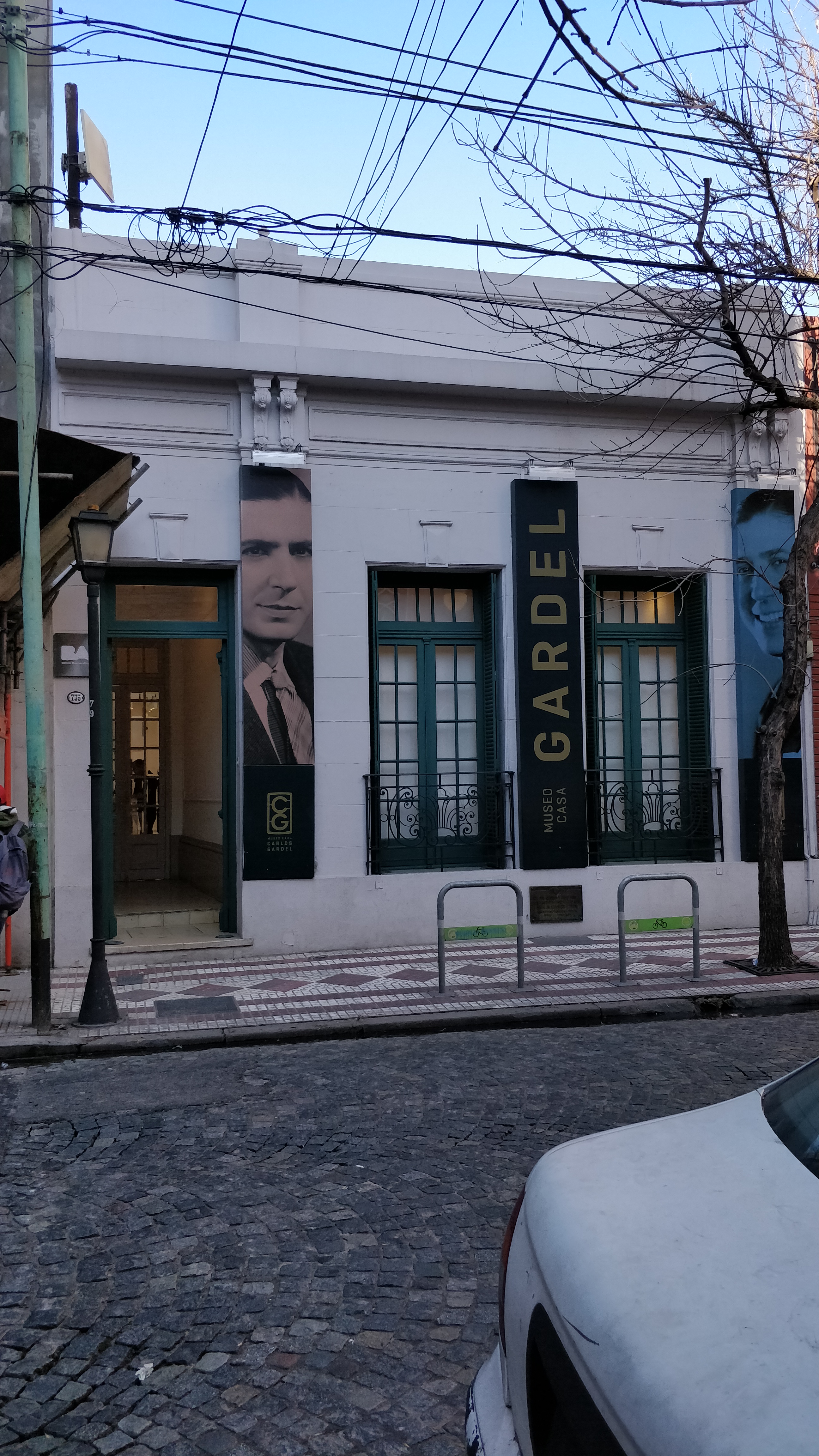
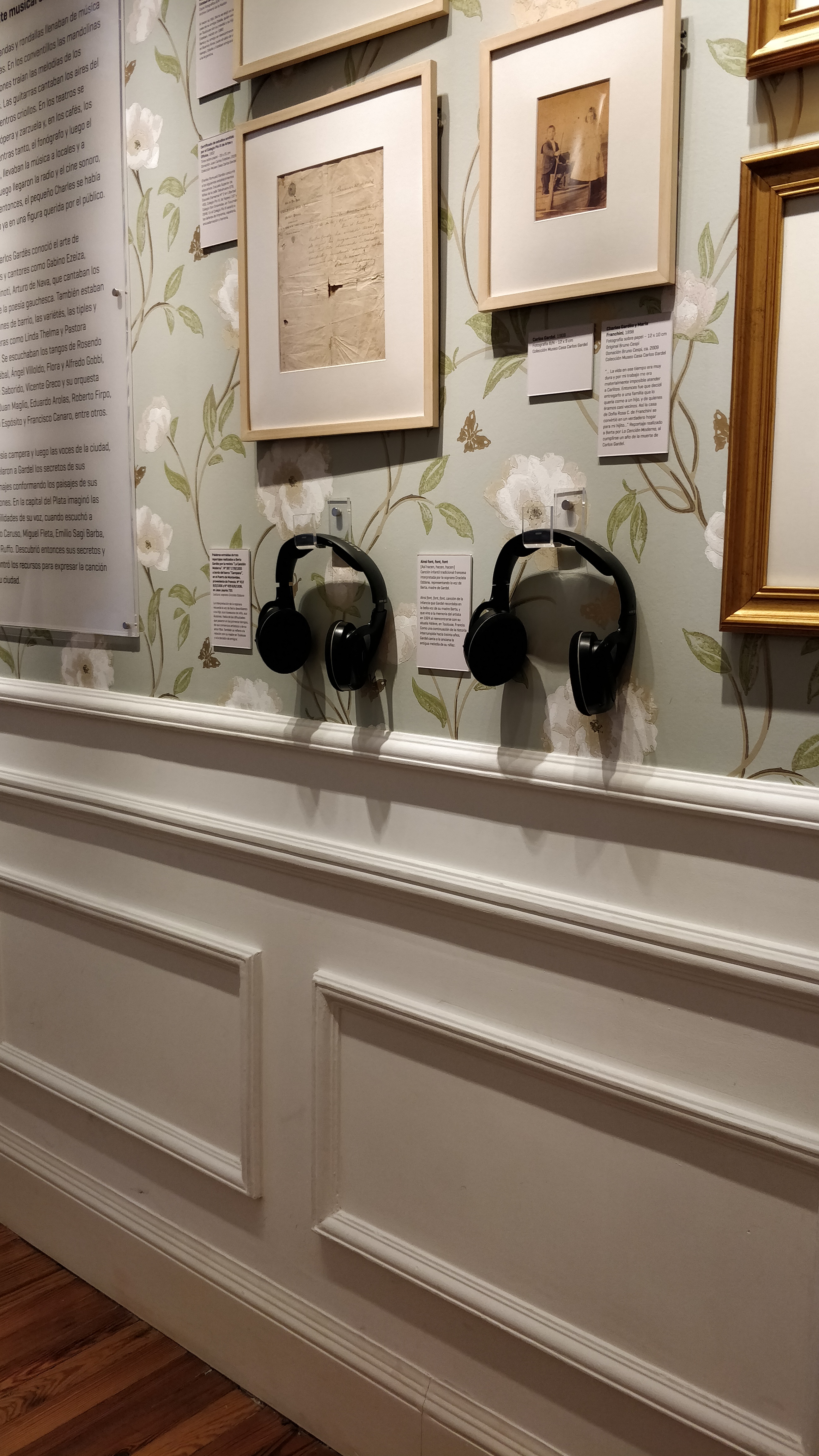
The museum is inside a house in Abasto that Gardel bought for his mom (he lived there for awhile, as well), and consists of four rooms.  The first room is dedicated to his early life.  In a museum dedicated to a musician, the multimedia experience is pretty important, and the Museo Carlos Gardel does a pretty credible job providing it, including the rather touching addition of the sort of song Berta would have sung for little Carlos.

IMG_20180730_150421.jpg

Gardel would develop as a musician, and in 1917 create the “tango canción,” the form of tango vocals that united the voice with the musical and dance themes of tango, when he recorded Mi Noche Triste (listen to it here).  This style became an enormous part of tango, and tango became an enormous part of Gardel’s life.

IMG_20180730_150624.jpg
The sheet music for Mi Noche Triste from 1917.

The next room of the museum is the recording room.  It’s quite small, but here you can see artifacts from his music career and select from over 300 recordings made by Gardel to listen to at the listening stations.

IMG_20180730_151110.jpg
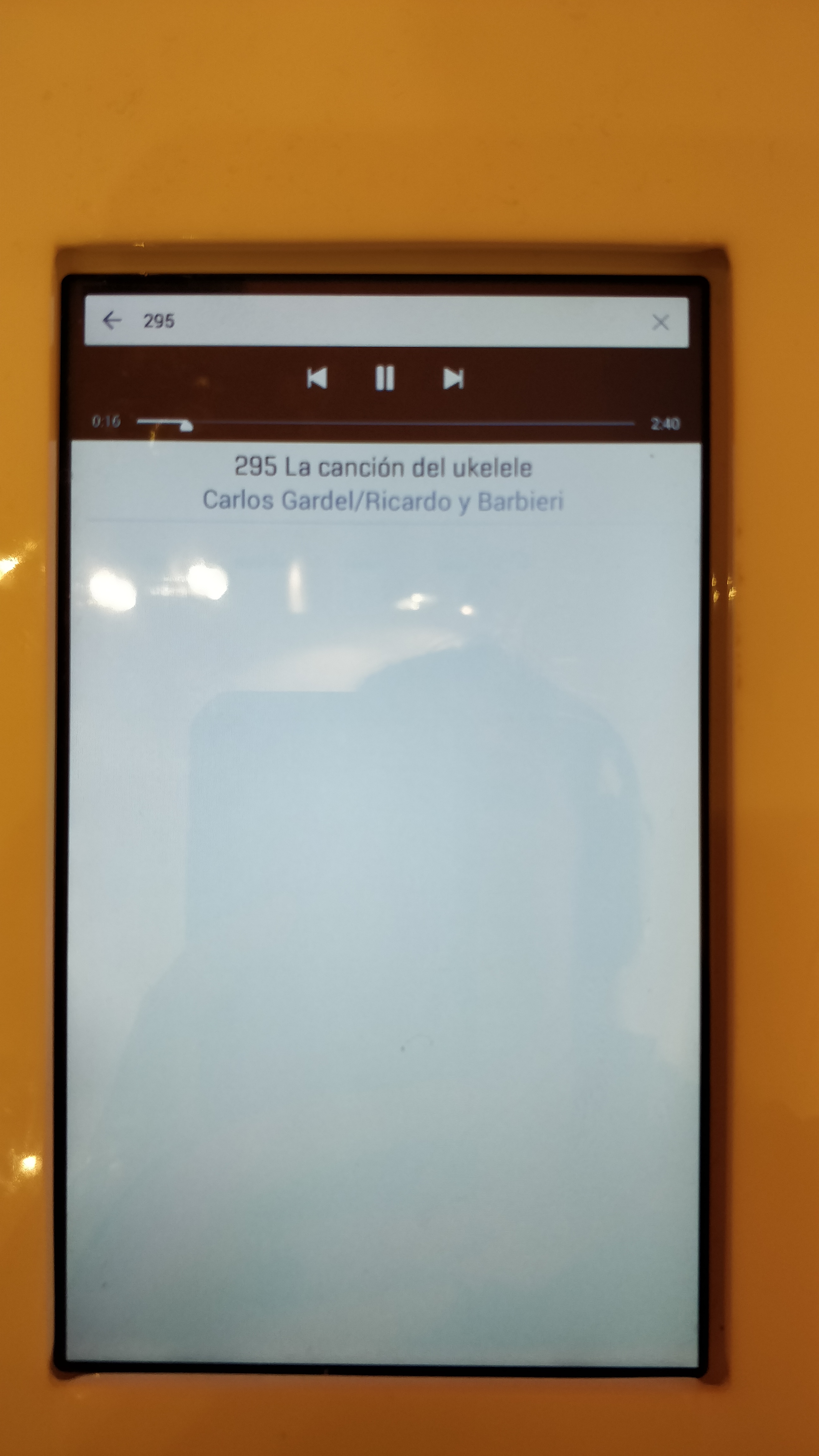
As a nacent ukelele player, I immediately spotted what had to be his greatest work.

IMG_20180730_150834.jpg

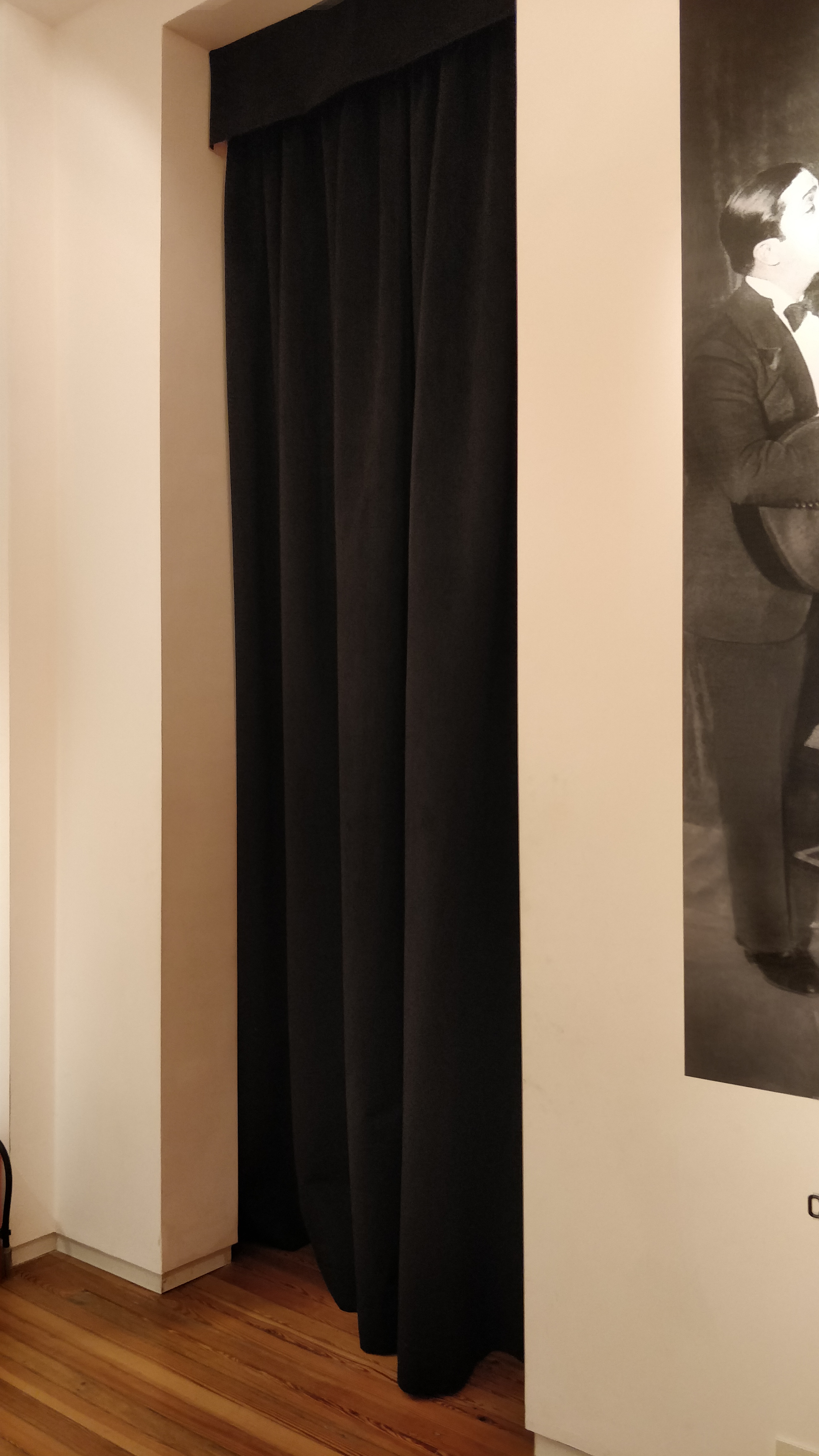
To continue on from the record room, you go through this doorway:

IMG_20180730_151231.jpg
It’s a particularly ominous doorway, and thanks to the museum design, even if you know nothing of Carlos Gardel, you know that good news is not on the other side.

The room on the other side of the heavy curtain is the funeral room. Gardel died at the age of 44, at the height of his music and film career, in a plane crash in Colombia.

IMG_20180730_151630.jpg
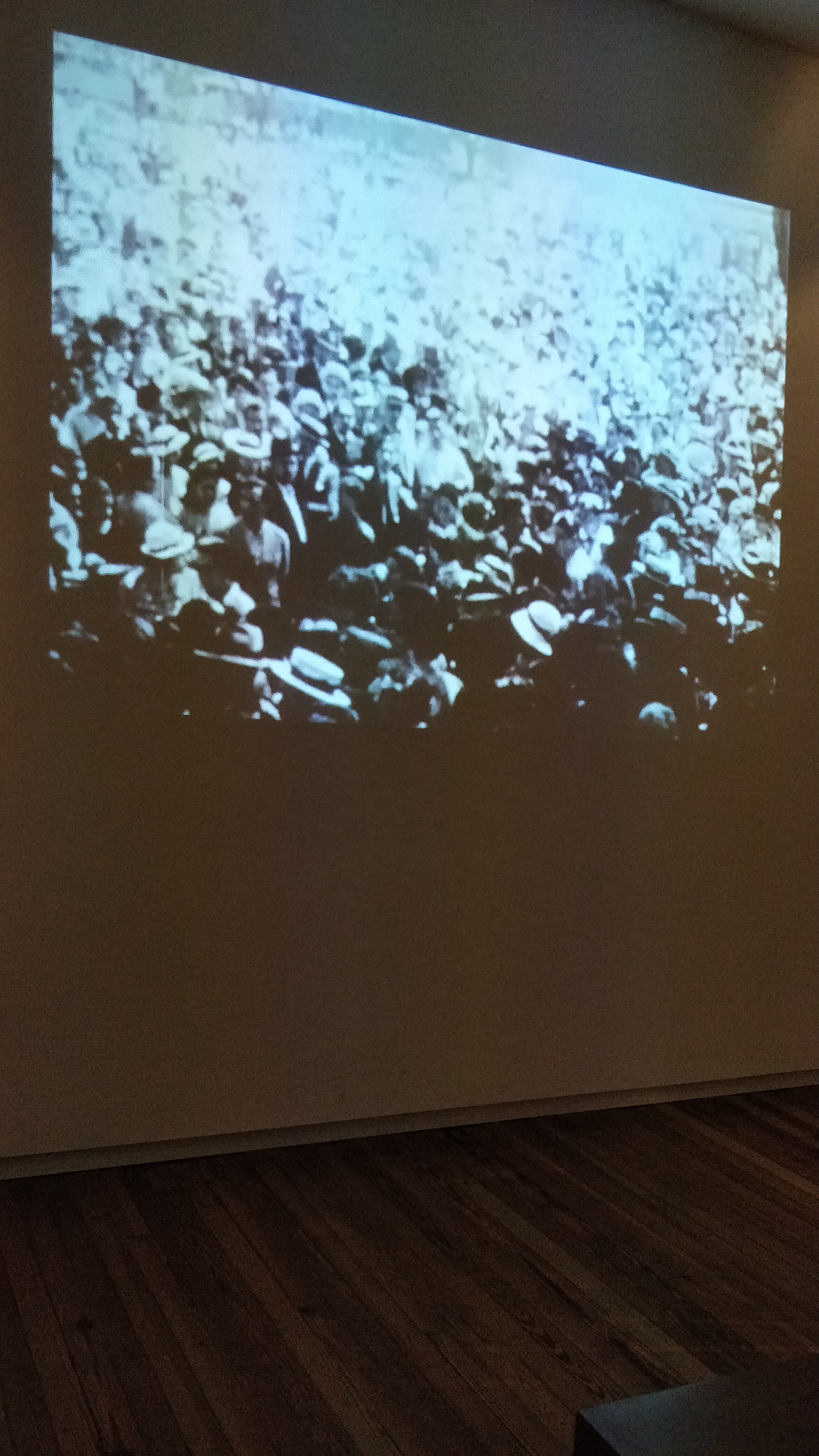
The room includes film from the funeral, the scene of an outpouring of national and international grief. His mom, heartbroken, would shortly thereafter follow her son in death.

IMG_20180730_151410.jpg
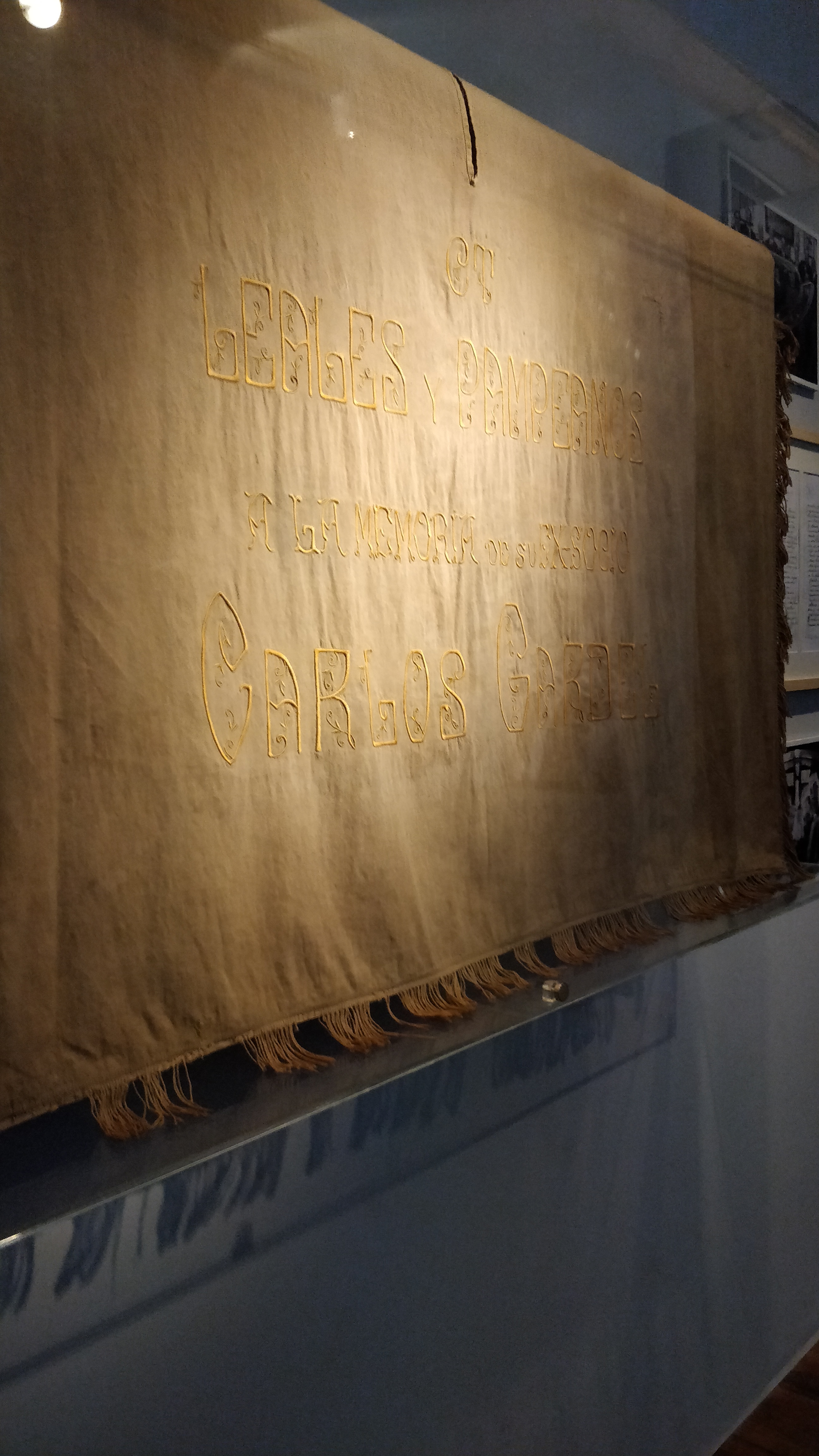
I can tell you the group that made this memorial poncho asked a pilot to throw it out of her plane before it was placed on his coffin; what I cannot tell you is why.

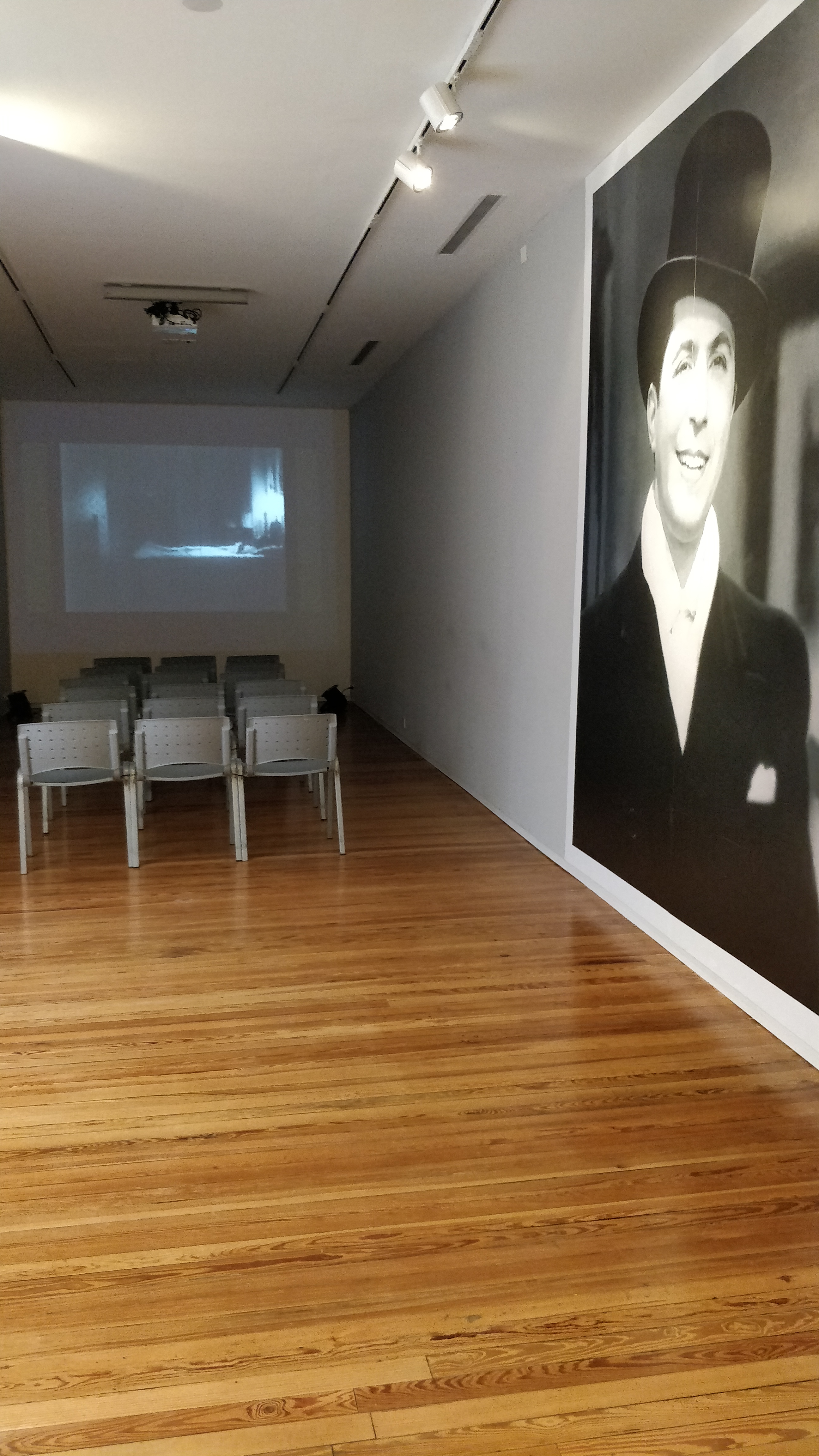
The final room is the cinema room, which I think is a fitting way to end the museum, not only in terms of floor plan, but also in terms of image.  After all, Berta would continue watching Carlos’s movies to see him again, and this is a lasting legacy for a performer.

IMG_20180730_151825.jpg

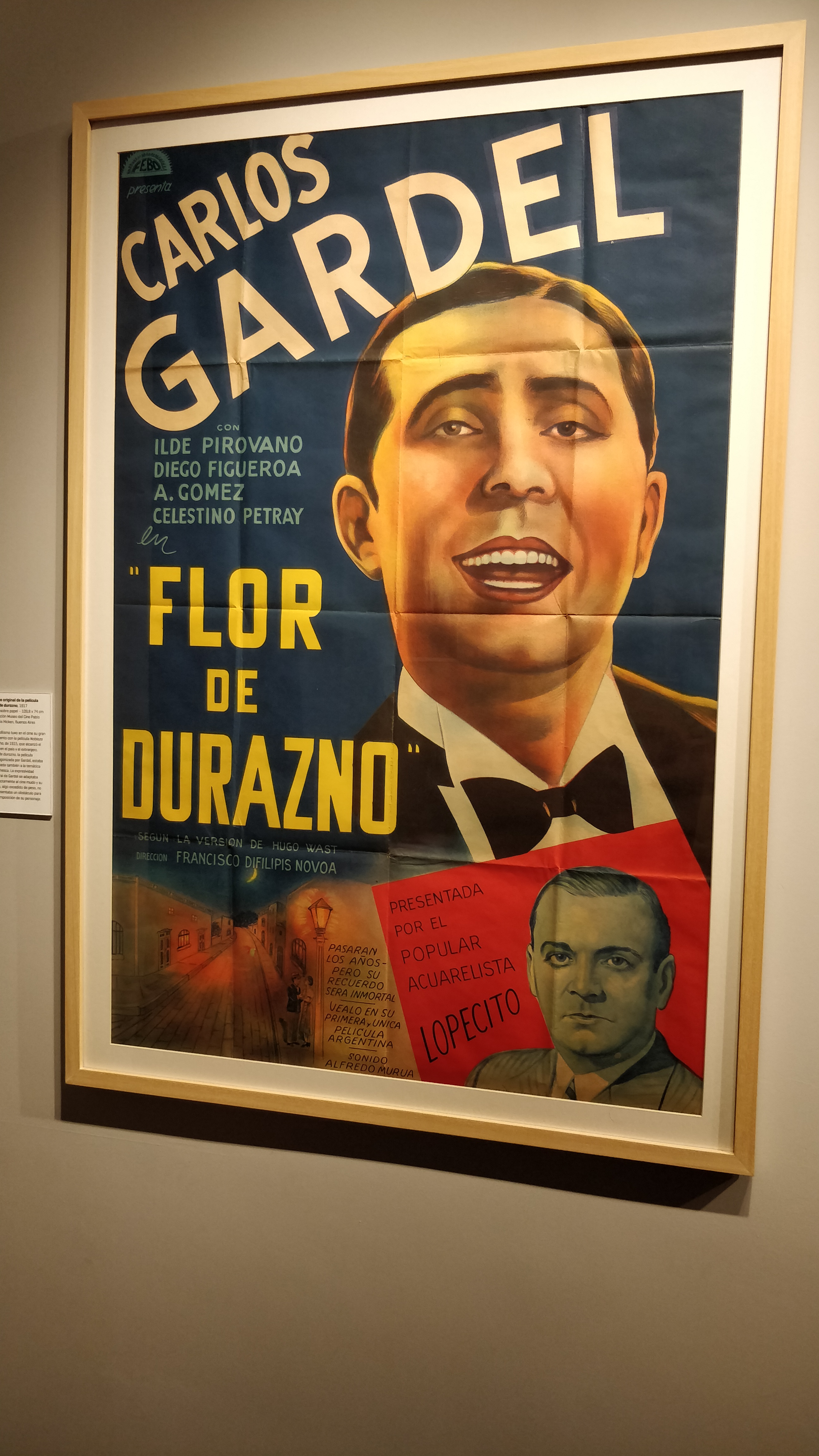
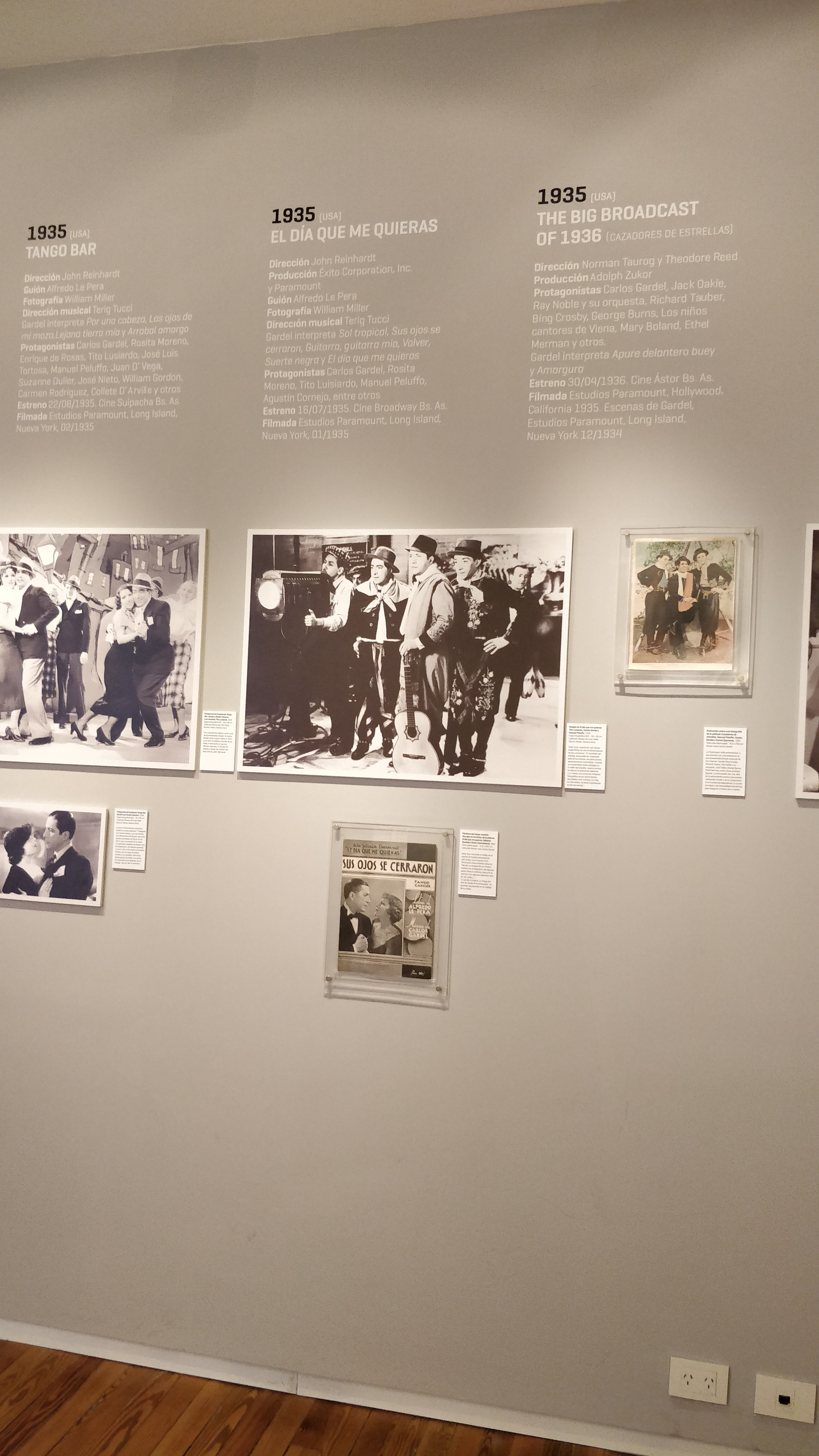
The room includes a timeline of his movies, photos from the production, and posters.

IMG_20180730_152030.jpg
Terrifying posters!

IMG_20180730_151841.jpg

IMG_20180730_151917.jpg
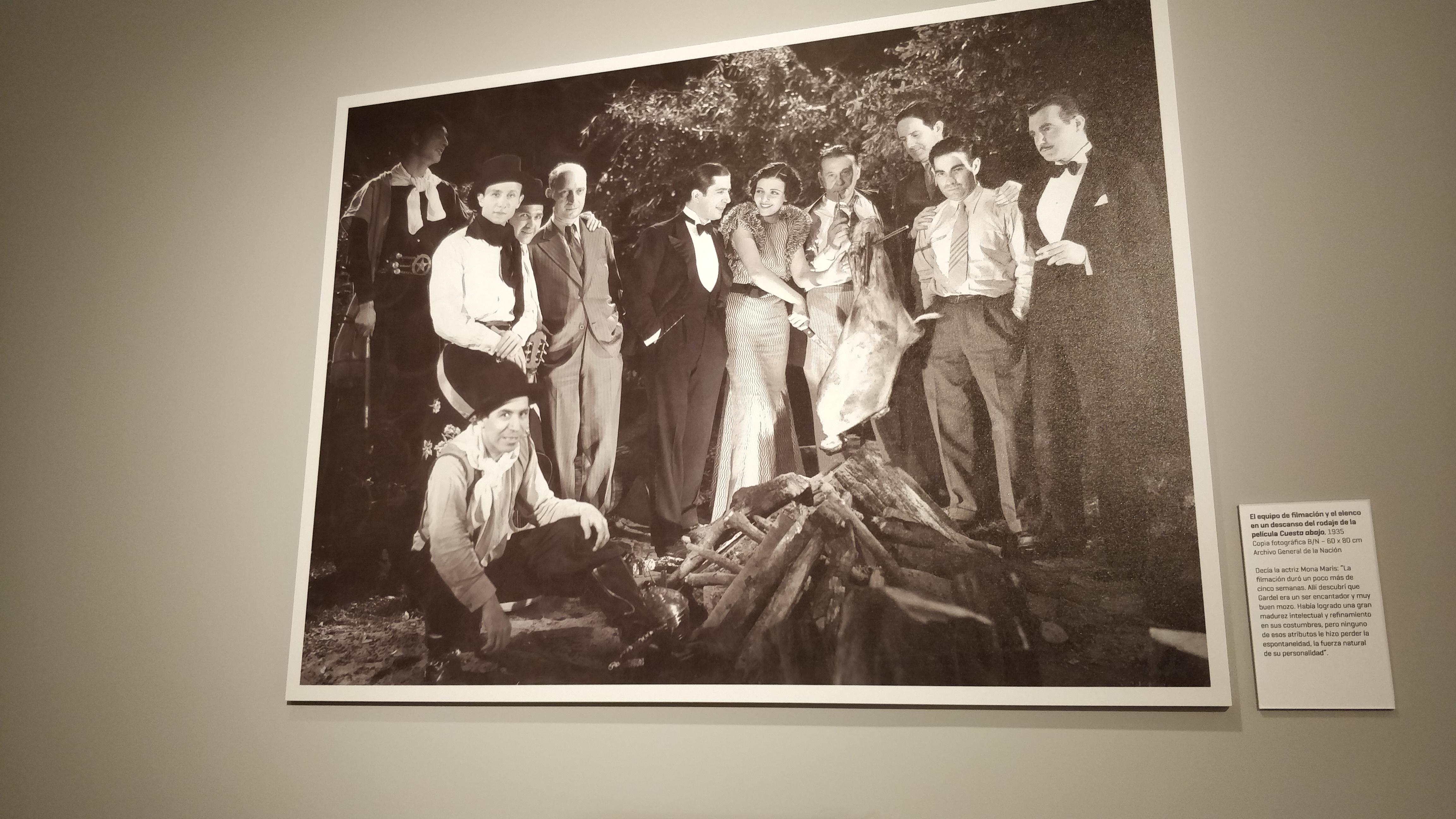
A totally normal asado, which are often attended by pristinely dressed gauchos and men in tuxedos while the hostess cuts meat over the fire wearing an evening gown.

So, if you’re super into the history of tango, 1930s cinema, or turn of the century music, Museo Casa Carlos Gardel is worth a visit (not to be confused with the Gardel museum outside of Tacuarembó because Uruguay just cannot let it go).   The signage is all in Spanish, but they do have an English language handout that will walk you through the rooms.

The museum is located at Jean Jaurés 735, close to the H and B subway lines, in Abasto. As always, check their website for current information, but as of this writing, the entry is 30 pesos (about US$1 right now), free on Wednesdays and generally for students, school groups, retirees, disabled visitors and their attendants and those under 12. It’s closed on Tuesdays.  It’s a residential area, so there are some places to eat here and there.  There’s also some pretty nice fileteado-style murals across from the museum.