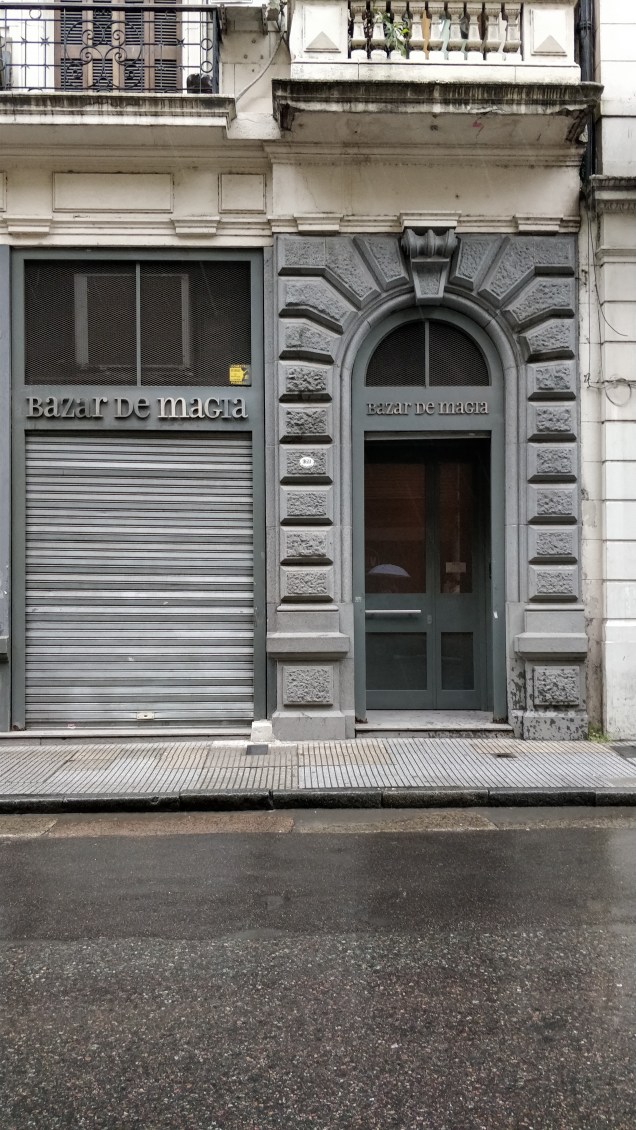
The Bazar de Magia, a shop that houses the Argentine Museum of Magic, is not particularly ostentatious.
It’s more classy and confident.
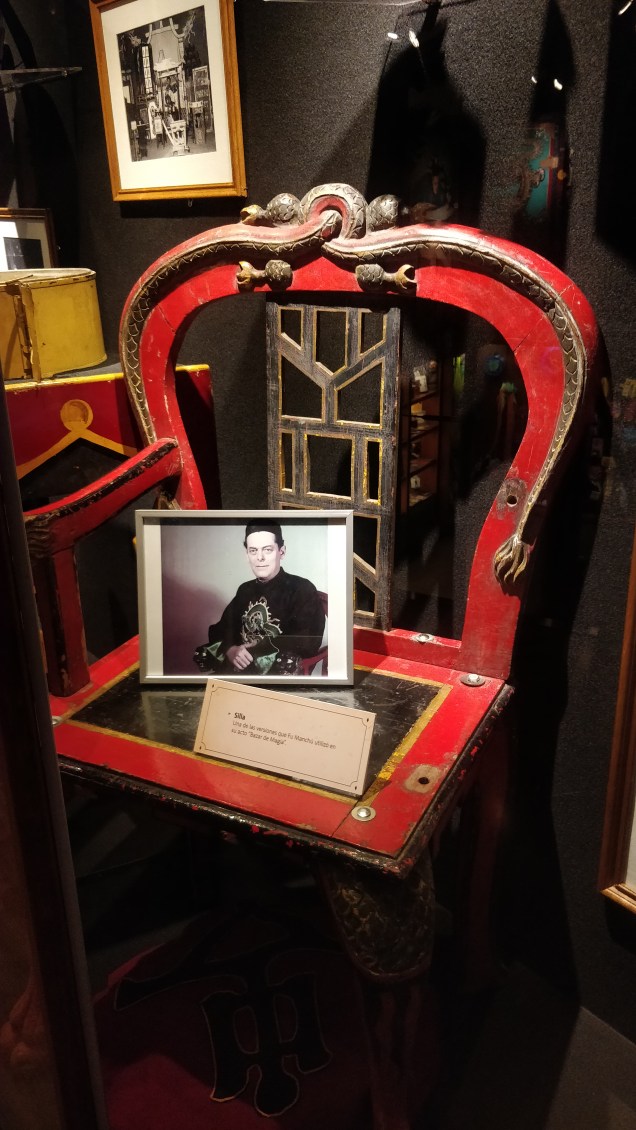
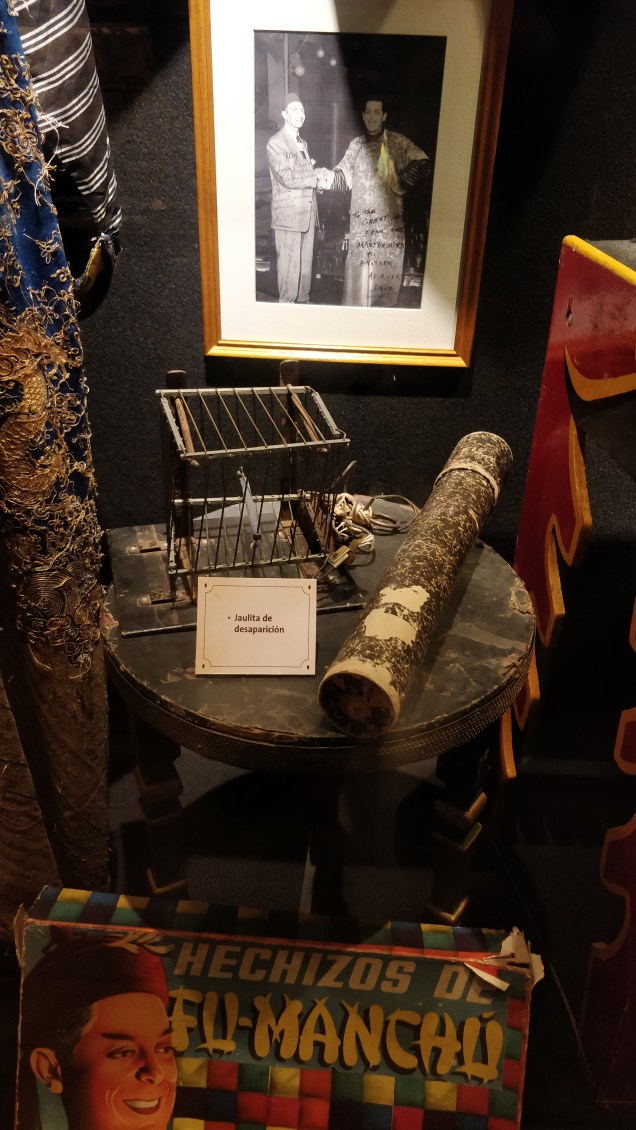
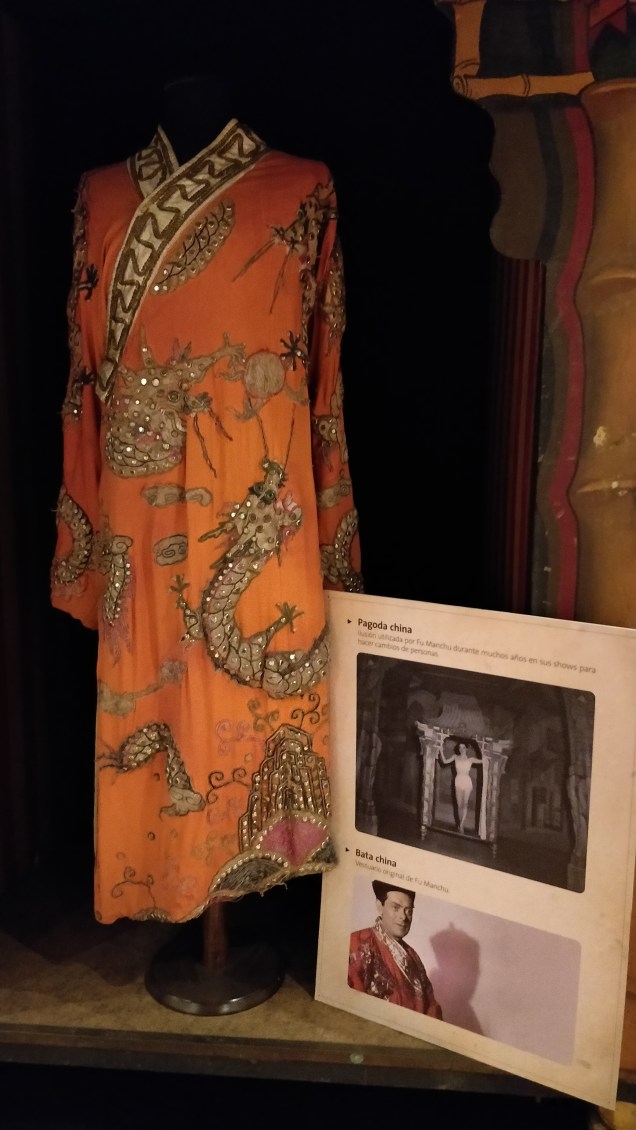
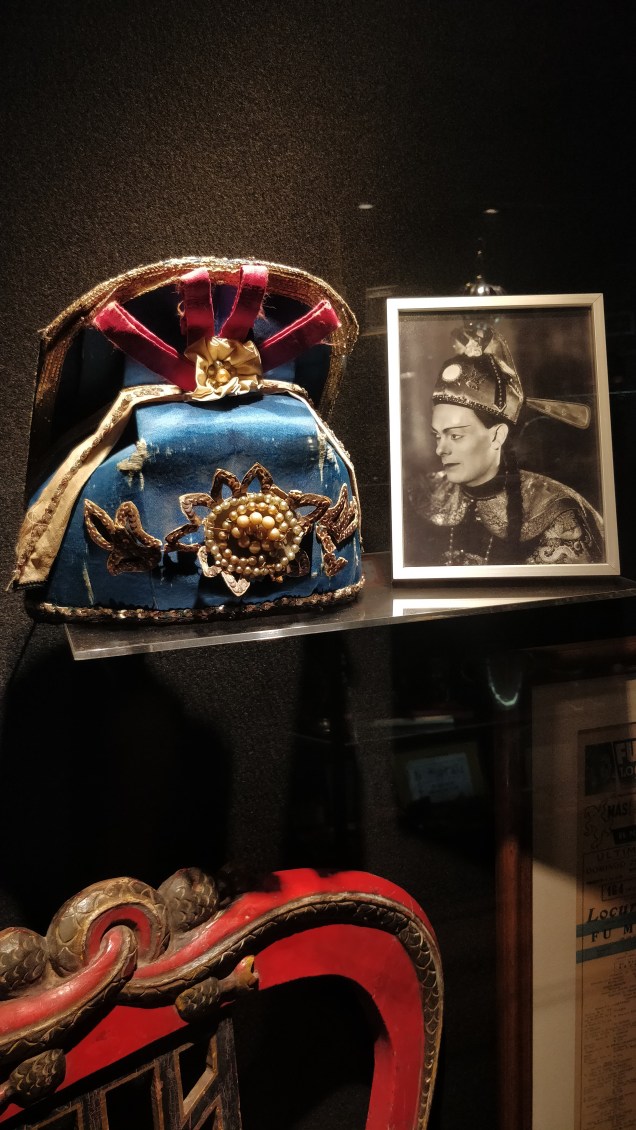
Stepping inside, however, reveals a slick space of vibrant color, from the enormous performance posters to the magic, clown, and practical joke props for sale. Visiting during normal shop hours will also grant you a look at a (small for museum but large for personal, which it is) collection of magic artifacts, including original posters from the 19th and 20th centuries, props, photos, and books. Most of it centers on one stage magician in particular.
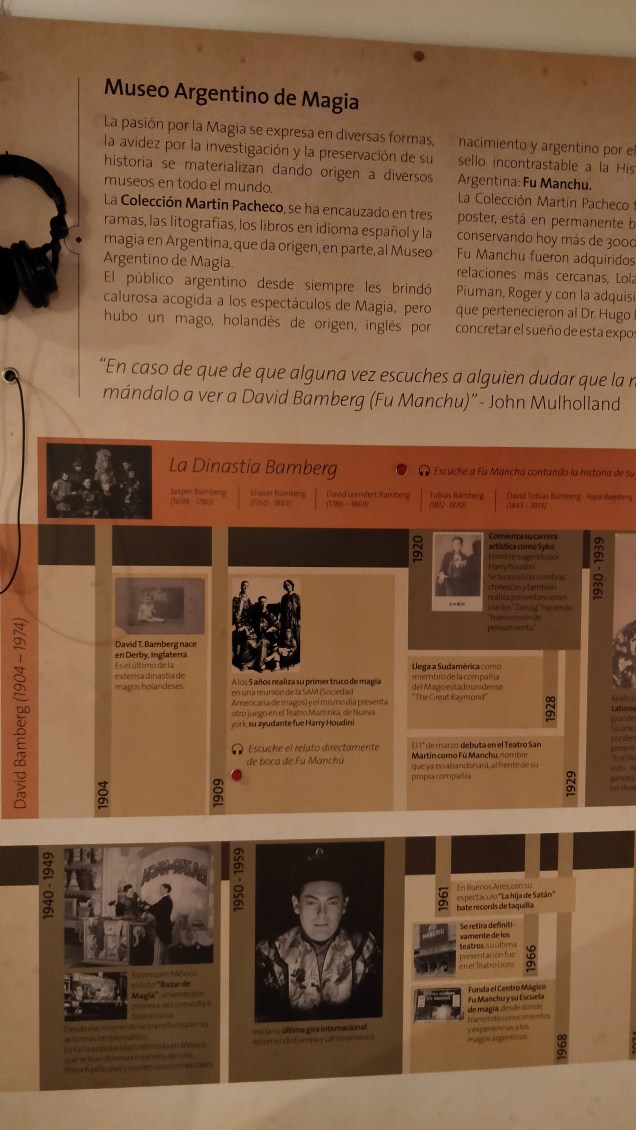
There was once a famous magician named David Bamberg, who was the seventh, and final, member of the Bamberg dynasty of Dutch magicians. During the first half of the 20th century, he performed in Chinese-style clothing under the fakey Chinese and remarkably racist name Fu Manchu.
A thing started by his dad.
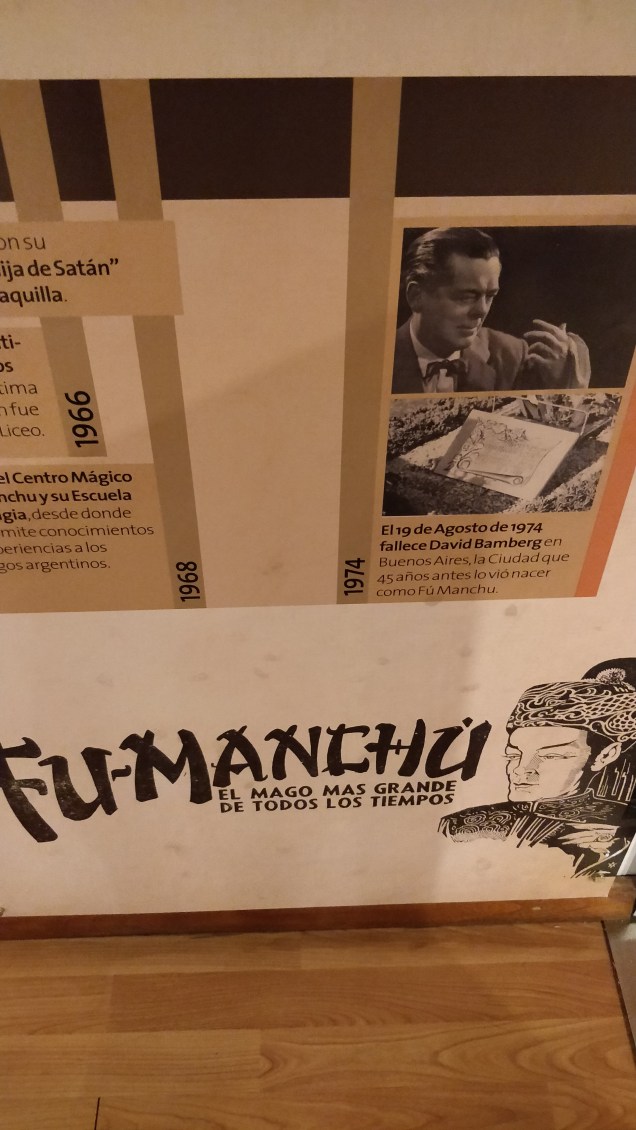
Odd place for a lot of the stuff belonging to a UK-born itinerant magician of Dutch extraction to end up, right? Well, David Bamberg started using the stage name “Fu Manchu” in Buenos Aires, and eventually retired here and opened a magic school. He died in the city in 1974.
The Spock ears, the finger nails…just…wow.
The museum is a small room, so it only takes a few minutes to look around, but if you’re interested in vintage magic stuff in general or David Bamberg in particular, you’re going to like it.
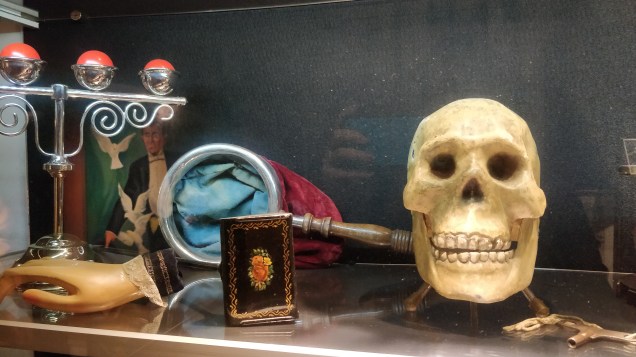
There is also a cabinet of mid-century Argentine magic props. The sign says the staff will not tell you how they work.
Although disembodied hands are pretty self-explanatory.
Visit the Argentine Museum of Magic in the Bazar de Magia during store hours every day but Sunday, but they break for lunch–check the website for hours. The store not only has magic props and gags, there’s also books on magic (even some in English). You can walk there from the Plaza de Mayo, and it’s around the corner from the Avienda de Mayo stop on the C line.
I need to get this posted, because I was told that this museum will be closing next month, which sucks, because it’s pretty cool. It has a strong online presence, a good physical space, and a great staff. It will be a loss.
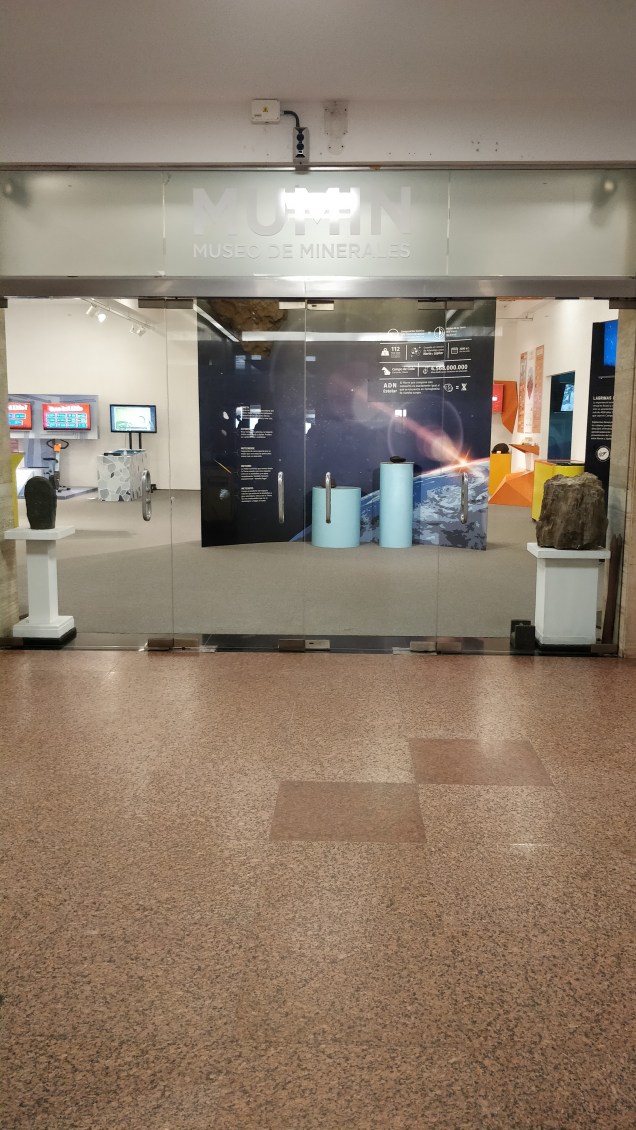
The MUMIN (MUseo de MINerales, get it?) is the educational endeavor of the SEGEMAR, the Servicio Geológico Minero (Argentine Mining Geological Service). It caters mainly to school groups, tasked with making rocks interesting to children. Geology, being perhaps not the sexiest of sciences, could make that a bit difficult to achieve, but they have done an admirable job. Things to touch, demonstrations to look at–there’s a lot of activity for minerals.
If a rock museum could have jazz hands
The museum is located within a government ministry building, the name of which escapes me at the moment–but you do need an ID to get in.
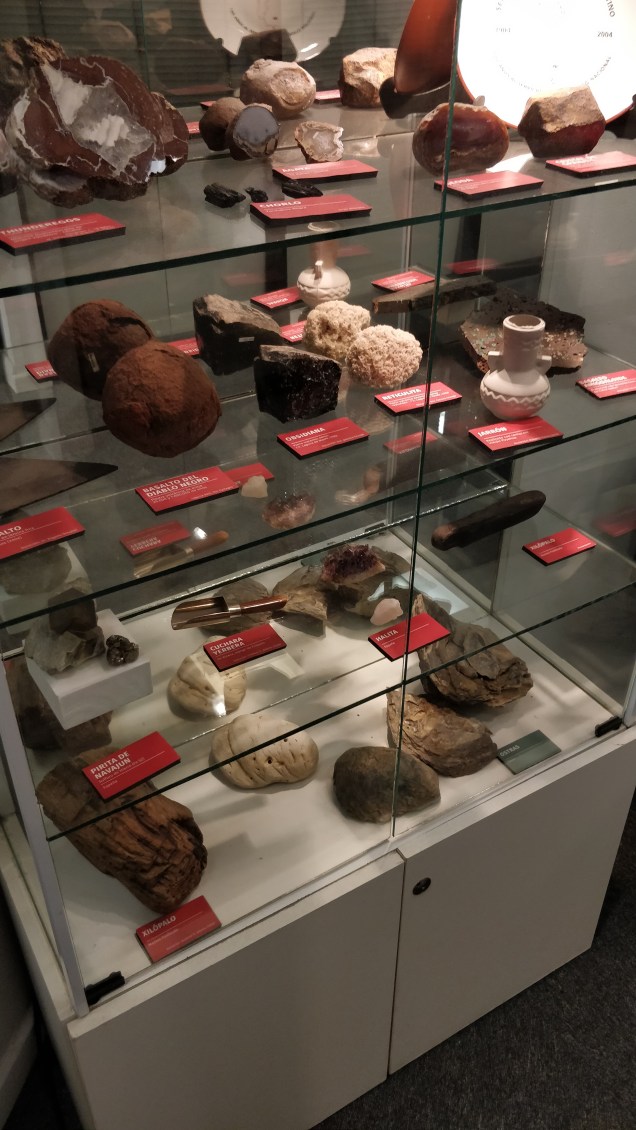
I poked around on my own until a staff member came out, discovered my terrible Spanish, and immediately went back to send out a very patient English-speaking geologist. He showed me around the museum, told me about all the displays, and answered all my questions. Let’s see a little of the collection! Argentina has a lot of mineral-related loot.
So, do you have a favorite kind of fossilized thing? ‘Cause I do.
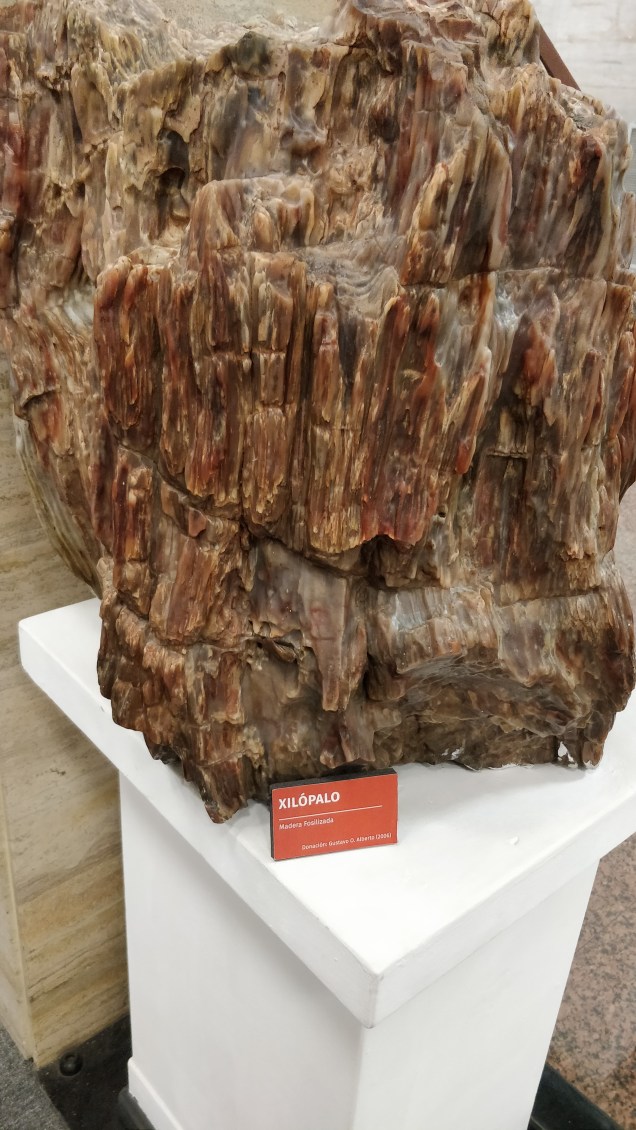
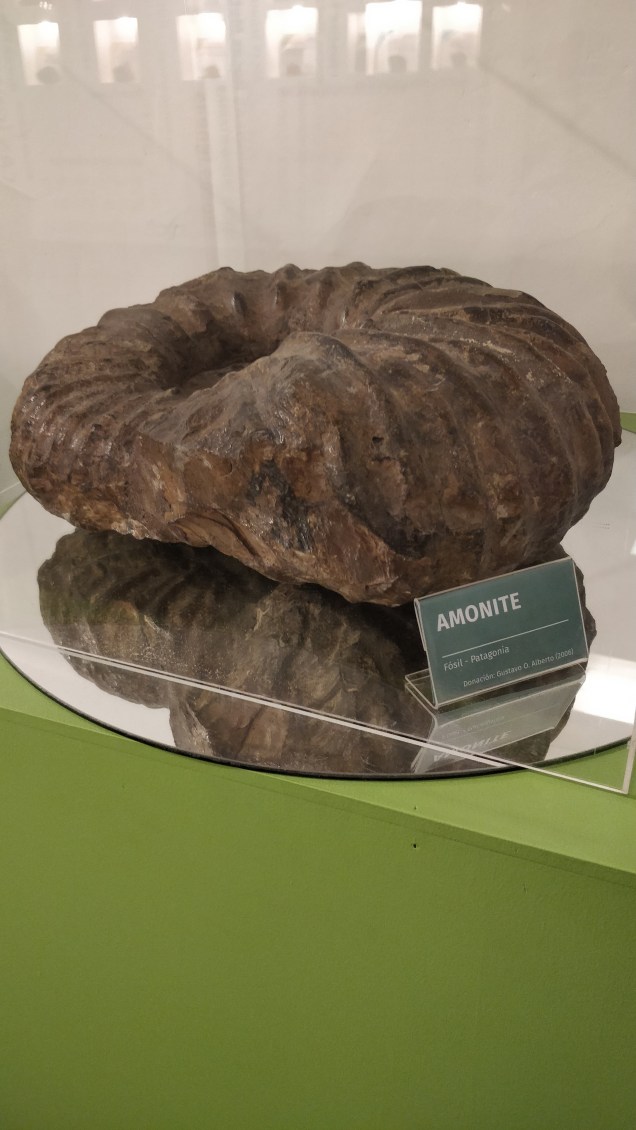
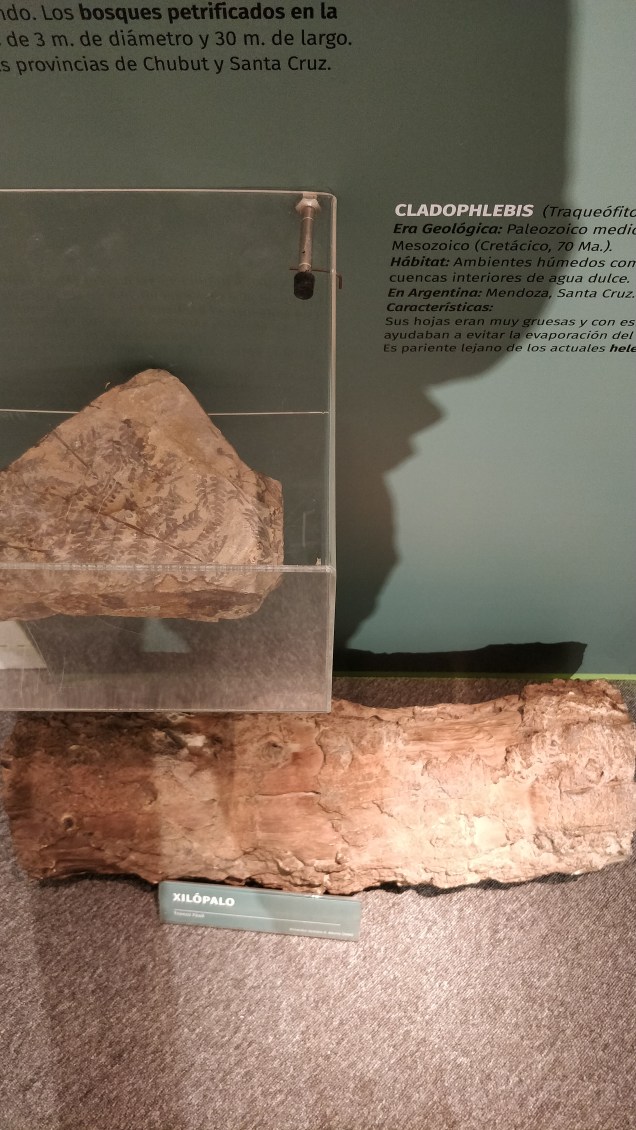
That thing is petrified wood, and the MUMIN has a huge chunk of it. Yaaass.Patagonia’s got some crazy fossil deposits.Up top you can see the impressions of a plant; at the bottom is a sauropod bone fossil.
“That’s cool,” you’re thinking. “BUT ARE THERE PRETTY ROCKS”
Of course!
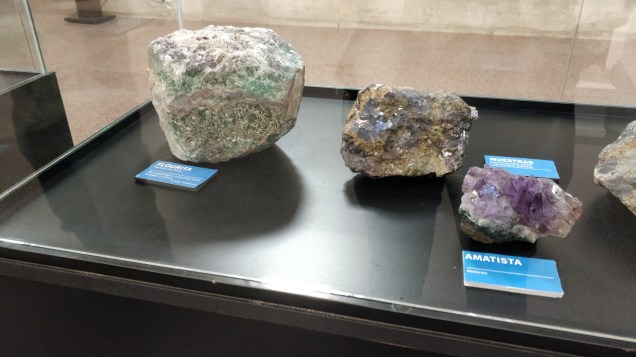
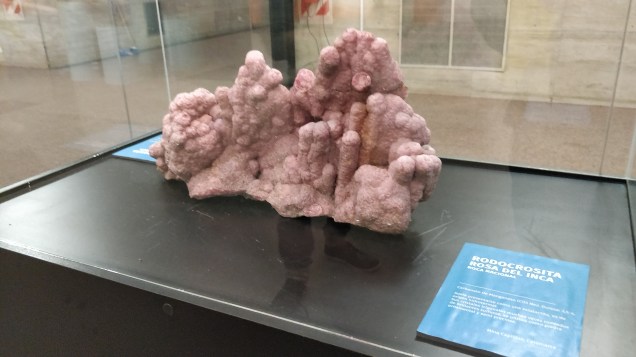
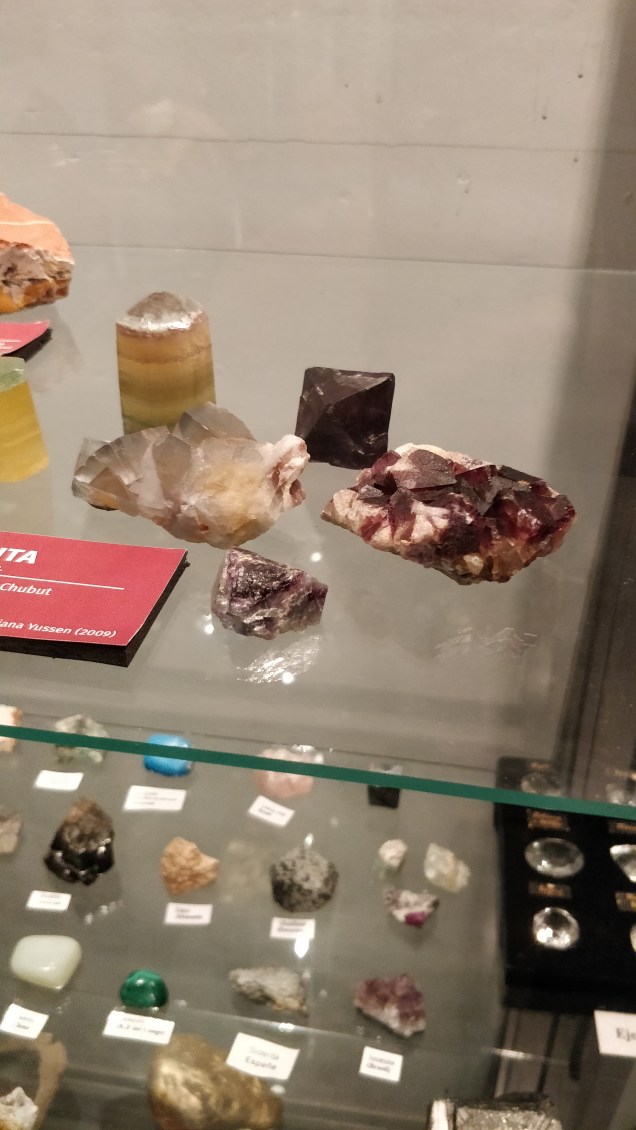
Fluorite! One of my favorite minerals.Big ol’ piece of rhodochrosite, the national stone of Argentina.
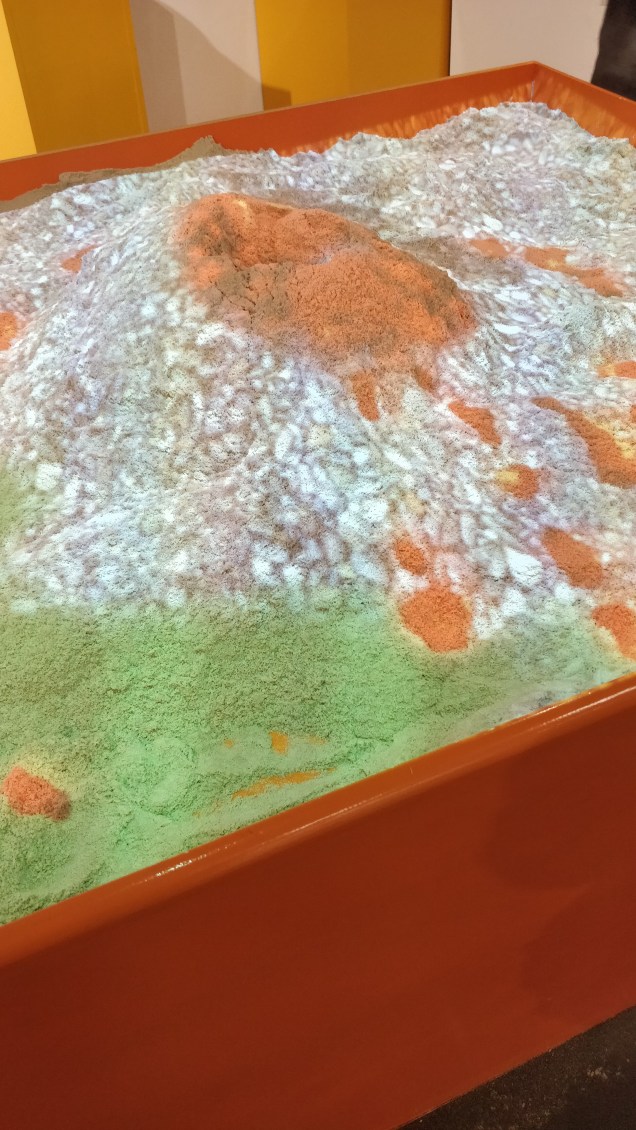
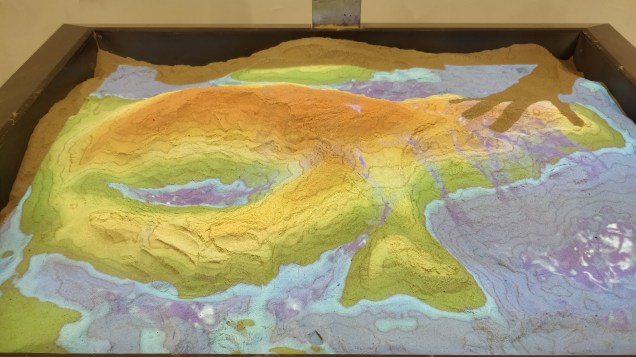
The museum does have an app available on the website that will do AR stuff with a few signs as well as a VR headset with a short meteorite thing to watch; nothing extravagant but fun and memorable. There are a few more hands-on elements to see/do, including some SUPER FUN SAND TABLES:
whaaaaaaaaaaaaat
If you move the sand around, the volcano changes:
There’s another one!
Islands in the stream, that is what we are
In this table, you move the sand around to form the topography of the land. Then you can make it rain by spreading your hand. The idea is to demonstrate how water moves over the topography.
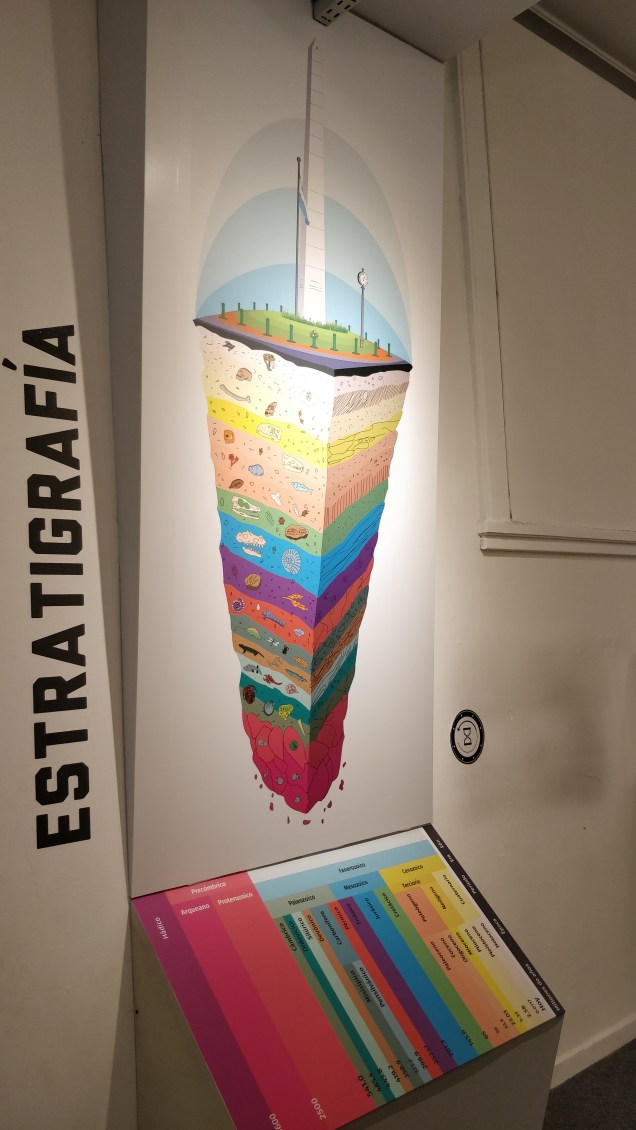
Know what else I liked? This Argentina-specific graphic of geologic time:
Although the geologist explained that it is just illustrative–if you dug beneath the Obelisco, you wouldn’t find a whole lot of the middle layers. You would, however, cause no end of excited reactions on the part of the local government.
Wanna see more minerals?
Good news.
I will never not find it fascinating that some minerals naturally grow in distinctive shapes.
NEVER.
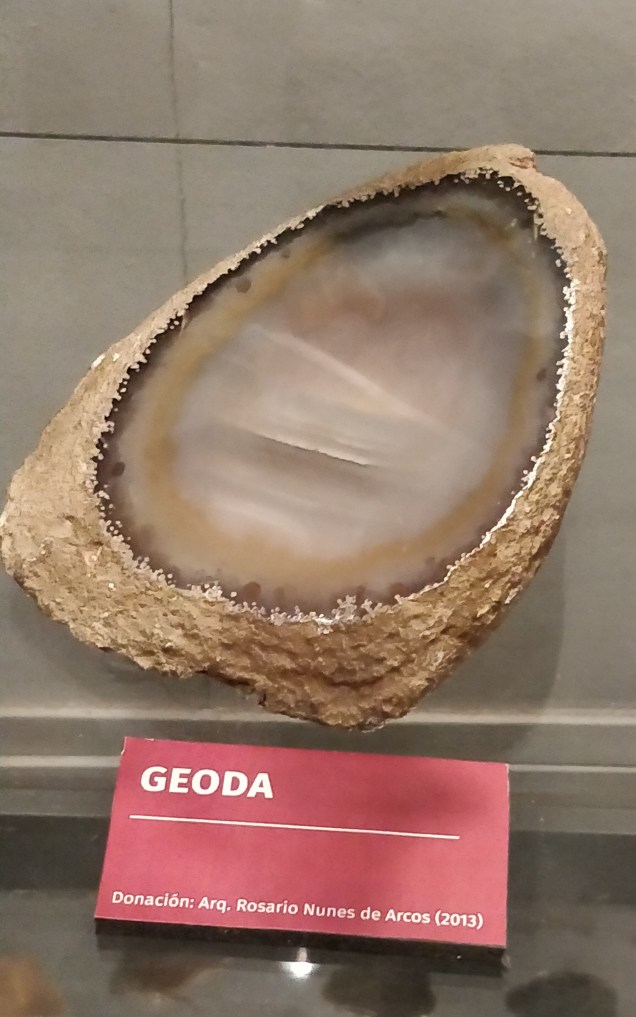
Finally, I will close this out with a geode.
The label doesn’t tell you this but the very nice geologist will, this geode is an enhydro agate–a geode with water inside of it. Did you know that was a thing? I had no idea that was even a thing!
The MUMIN is free and open to the public Monday through Friday from 9am-5pm (closed on holidays). Take your ID though because you need that to get in. It’s very close to the Plaza de Mayo and easily accessible by all the subway lines that go there. Go while you can.
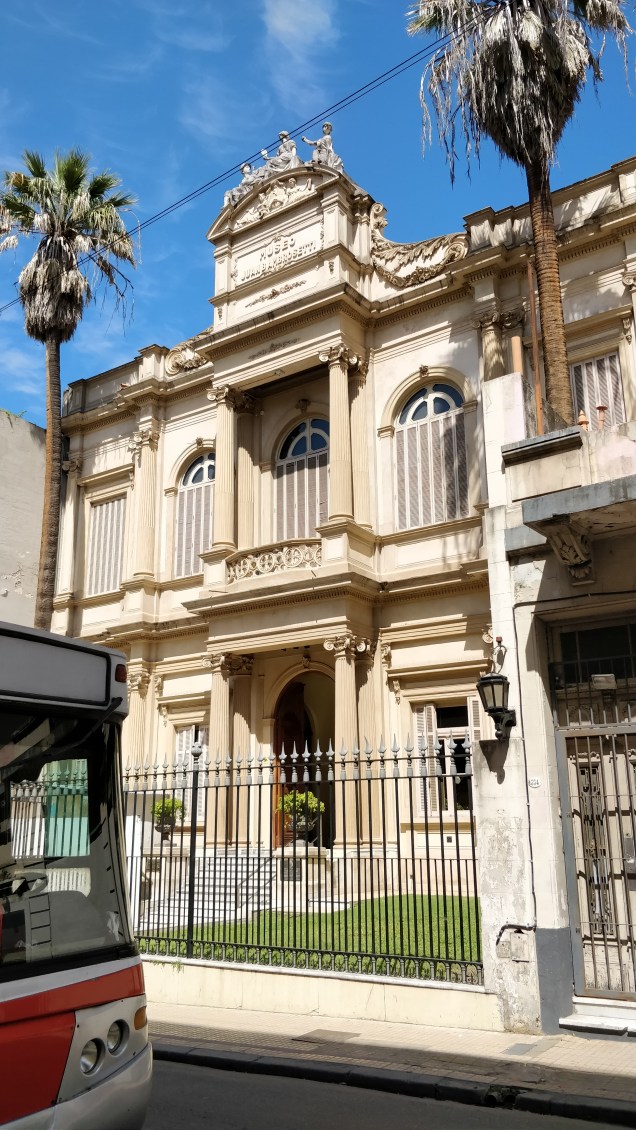
The Ethnographic Museum is under the auspices of the Facultad de Filosofía y Letras of the University of Buenos Aires. It was founded in 1904, and it while it houses collections from other places in the world, it’s focused chiefly on this part of South America. There is a lot of information available on the English-language website.
I dig museums in old, stately houses.
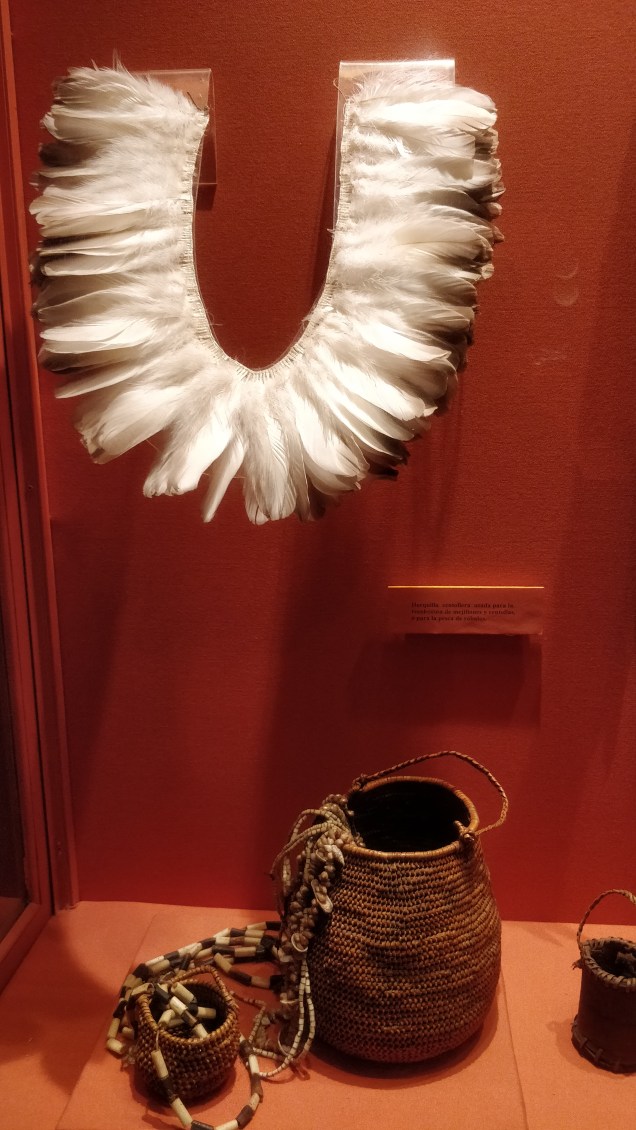
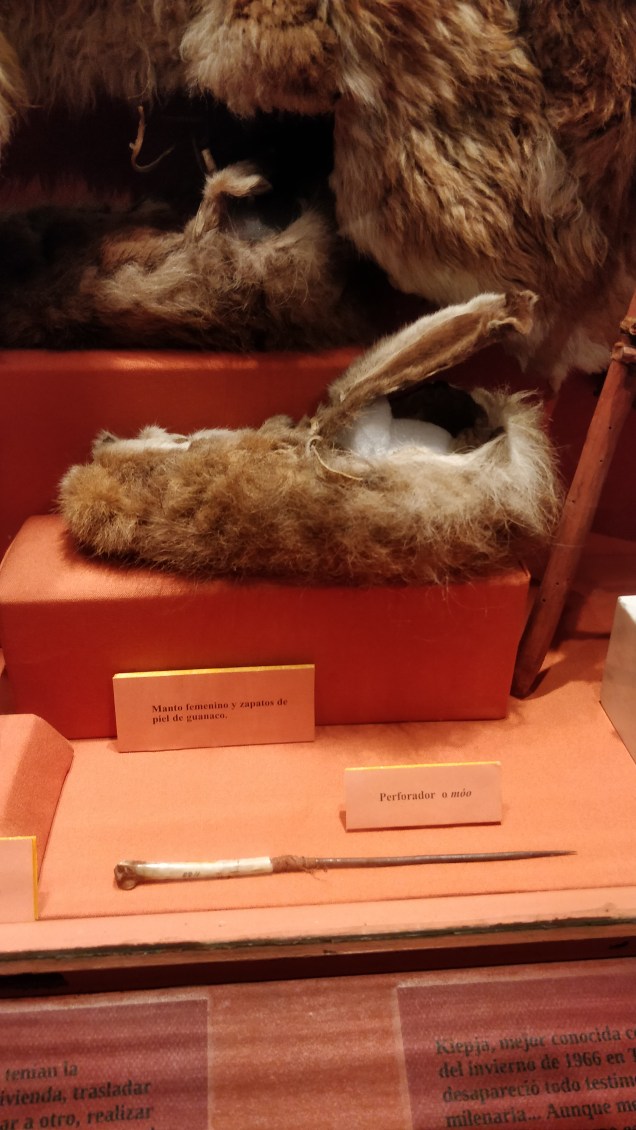
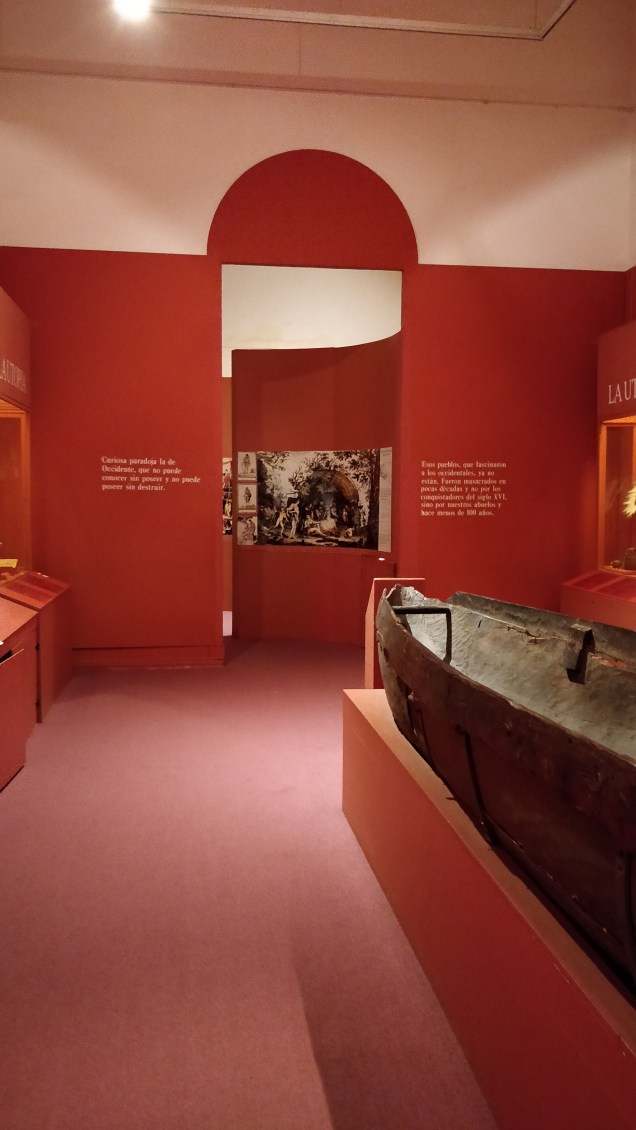
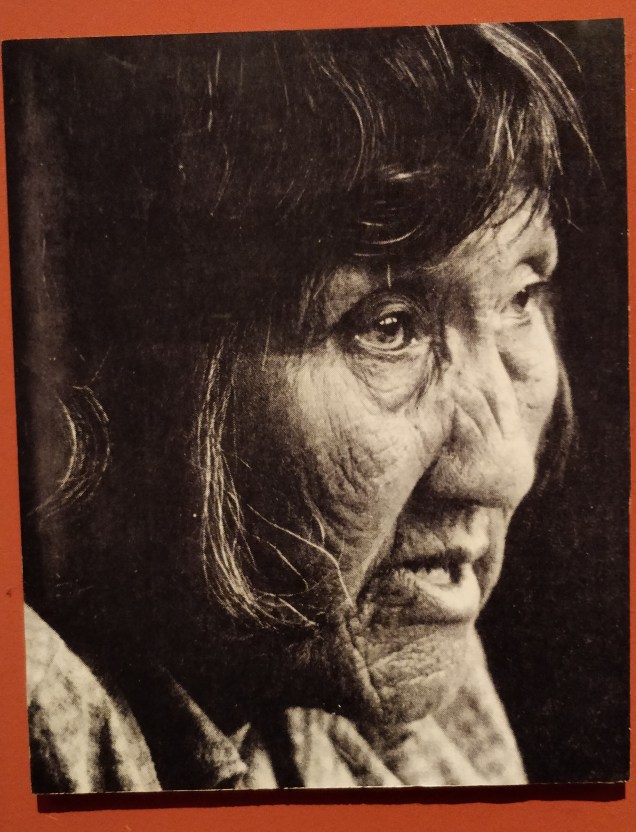
There are several exhibitions, and I’m not going to talk about all of them, because that would be a lot. The first one, The Uttermost Part of the Earth, addresses the native populations of Tierra del Fuego, and what happened to them. It’s not a happy story.
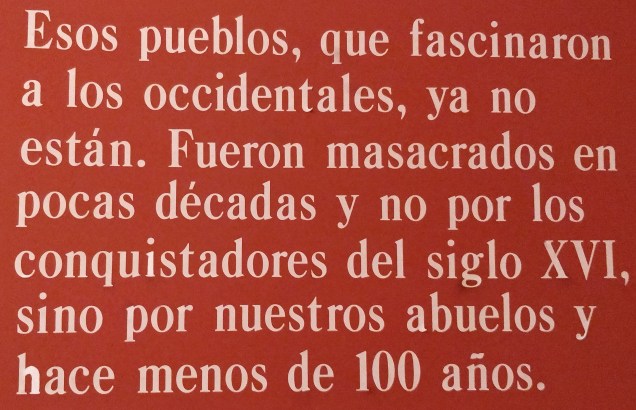
“These people, who fascinated the Western world, are here no more. They were massacred in a few decades and not by the 16th century conquistadors, but by our grandparents less than 100 years ago.”
There were two groups that had lived in the area for thousands of years: sea hunters (Kaweshkar and Yamana) and land hunters (Selk’nam). That went fine for awhile.
*sigh*
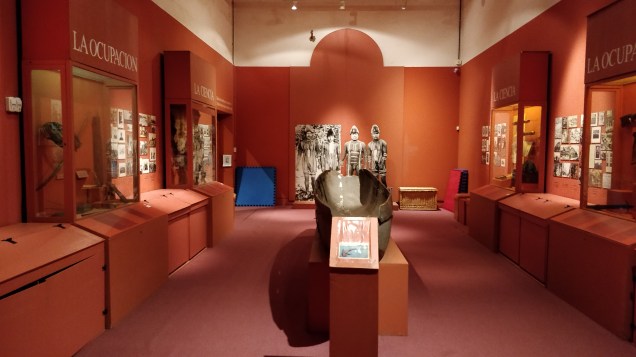
The hall is set up with the items of the Native peoples on the left, and items that would be used by explorers and colonizers on the right. A model of a Yamada-style canoe is in the center. There is a guide at the beginning of the hall that translates all the text into English.
Each side is labeled “utopia,” “occupation,” and “science.”
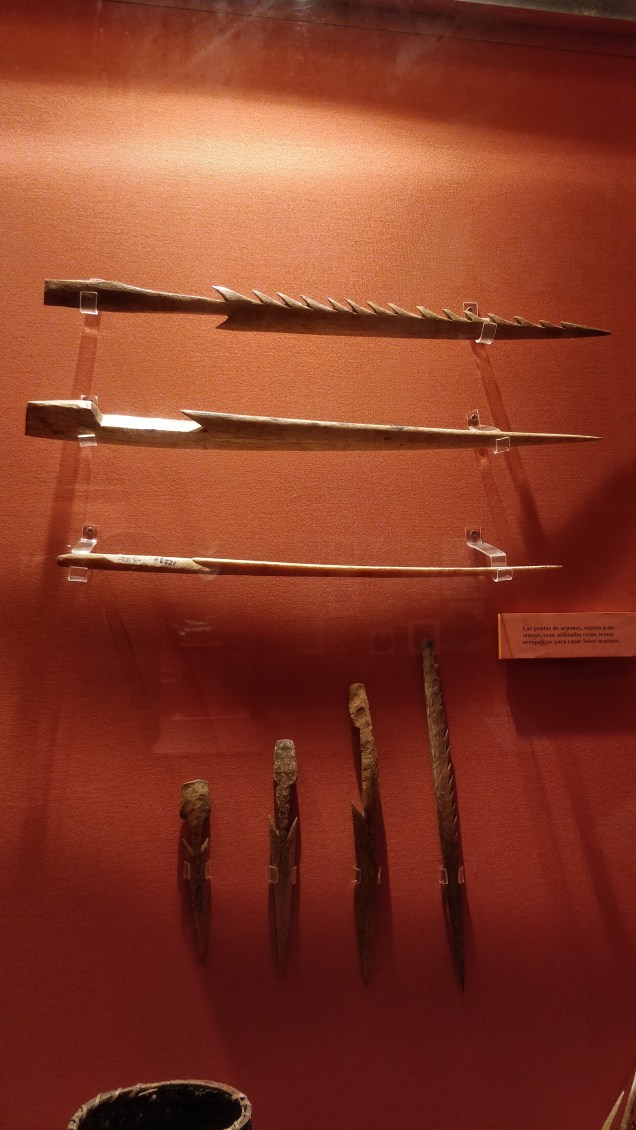
Let’s take a look at the Native artifacts first.
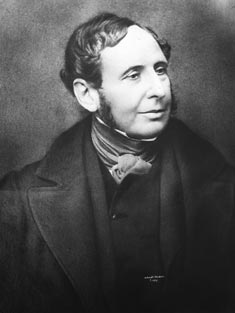
Meet Robert Fitzroy, captain of HMS Beagle, the ship that Charles Darwin sailed around South America on:
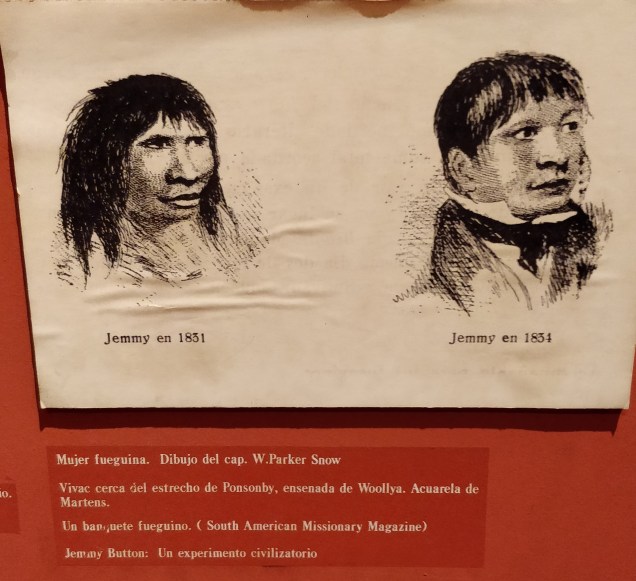
Now meet O’run-del’lico, a Native boy kidnapped by Fitzroy in retaliation for a stolen boat, who was renamed “Jemmy Button” because his family was given a button for him while he was taken back to England for a long time.
No part of this story is okay.
He and three other kidnapping victims, renamed York Minster, Fuegia Basket and Boat Memory, because no indignity was too small to inflict on them apparently, were supposed to be “civilized,” Christianized, and returned to Tierra del Fuego to serve as missionaries and intermediaries. Boat Memory died in England. The other three dropped Europeanism like a hot brick and reintegrated into their tribe immediately on their return.
“Hey,” I can hear you asking, “what other insanely racist things resulted in contact with Natives?” Hahaha.
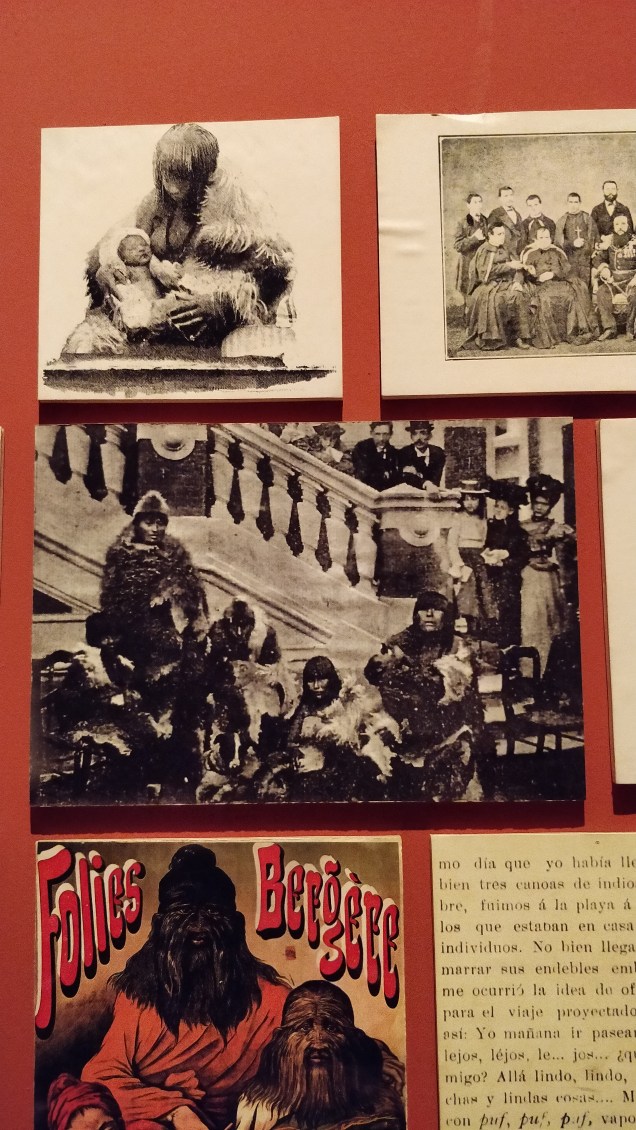
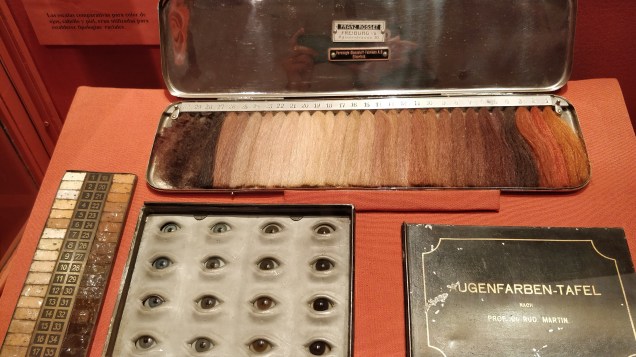
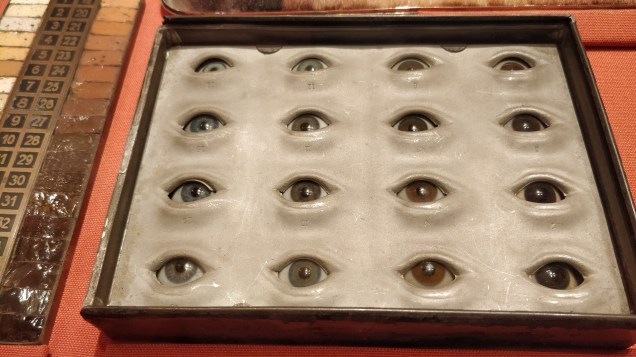
Incidentally, the quote on the right side of the wall says, “A curious paradox of the West, that it cannot know without possessing, and it cannot possess without destroying.”So human zoos were a thing that happened.And there was stuff to help color-code people.YEEAAAAAAGH WHY DO THEY ALL HAVE EYELIDS
The Selk’nam didn’t long survive sustained contact with non-Natives, which would come to include actual contract murder. The very last died in the 1970s. I’ll end this part with a song, included in the museum’s English guide and I believe from Anne Chapman’s book The End of a World, of the last shaman, Lola Kiepja (recordings available at that link):
“Here I am singing, the wind carries me; I am following the steps of those who are gone. I have been allowed to come to the mountain of power, reaching the great mountain range of heaven, the way to the house in heaven. The power of those who are gone comes back to me. I step into the house in the great mountain range of heaven. Those from infinity have spoken to me.”
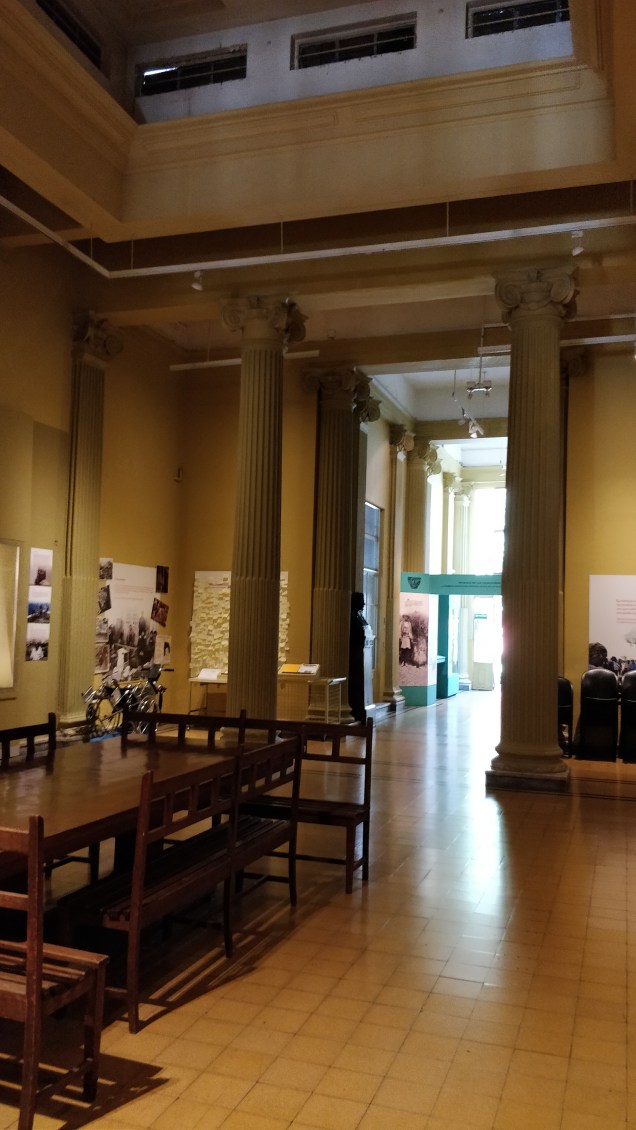
The next exhibition is “Challenging the Silence: Indigenous People and the Dictatorship,” so the reading isn’t going to get any lighter here.
Main hall/exhibit space.
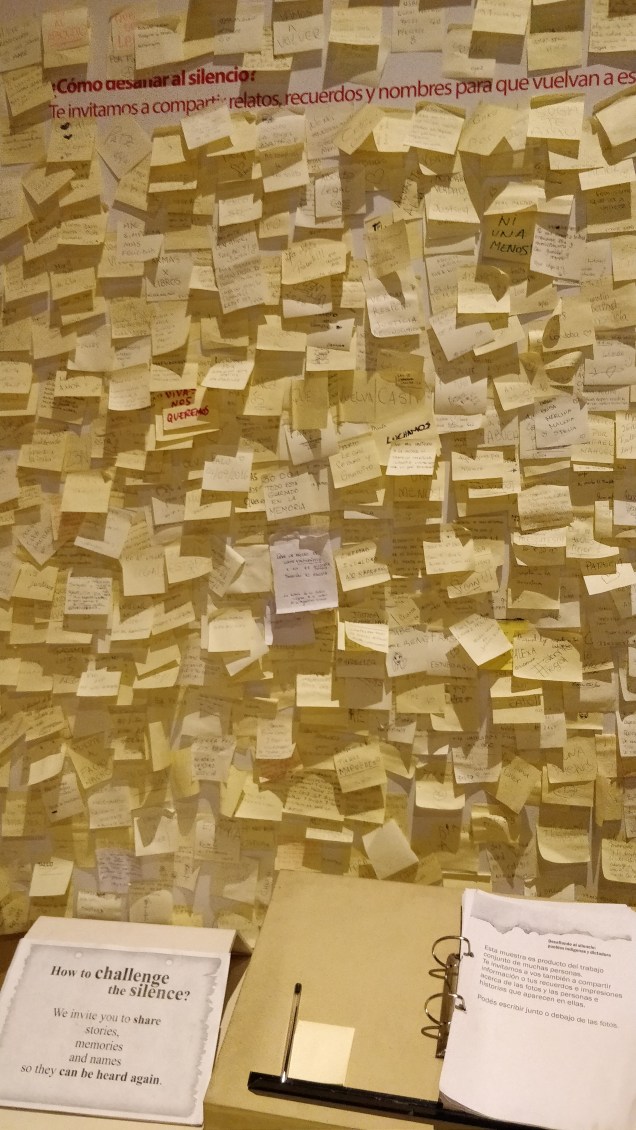
The last military dictatorship (supported by the US, I might add), as I’m sure you’re aware, is still very much in living memory here. Visitors are encouraged to leave a Post-It on the wall, which says, “How to challenge the silence?”
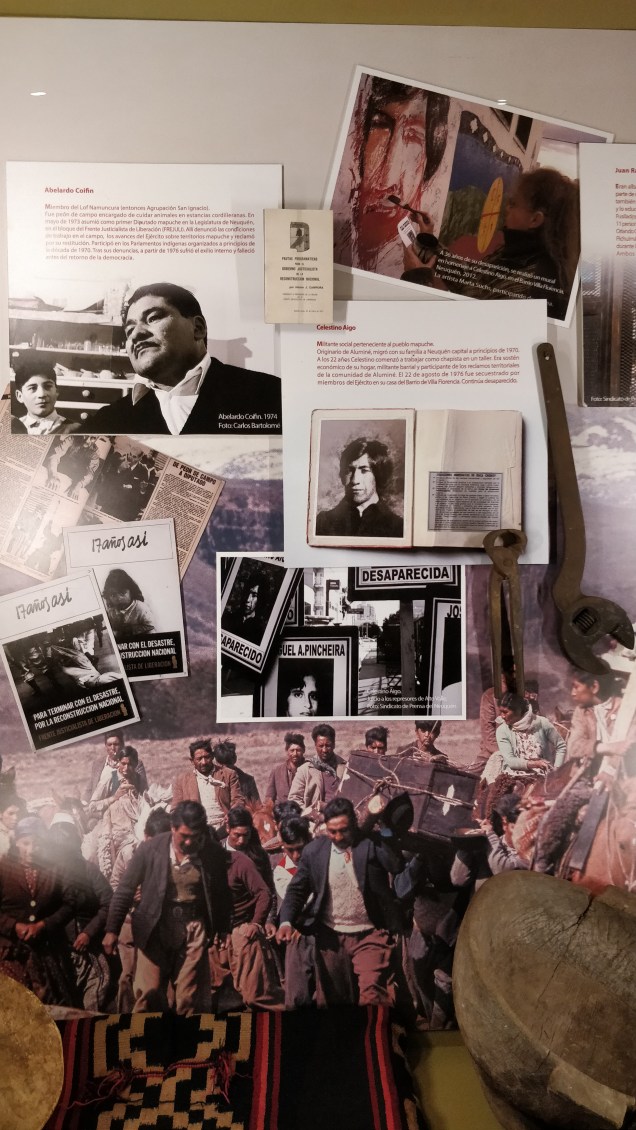
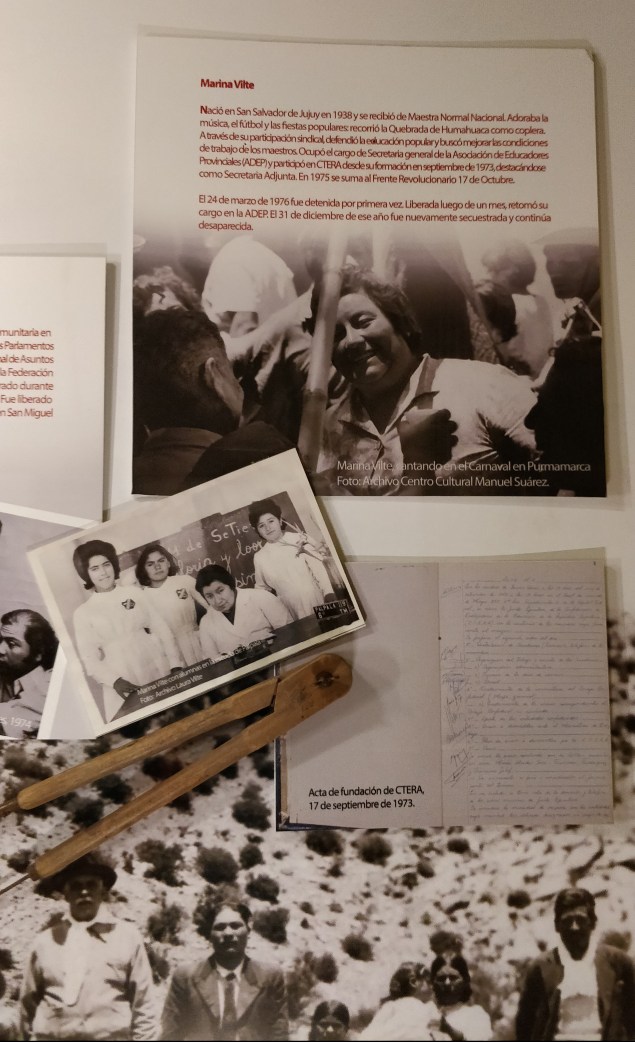
It will come as no surprise that Native rights and labor organizers ran afoul of the dictatorship.
On the left, Mapuche politician and activist Abelardo Coifin, died in internal exile. On the right, Mapuche activist Celestino Aigo, disappeared by the military in 1976.Marina Vilte, teacher and labor leader, disappeared by the military in 1976.
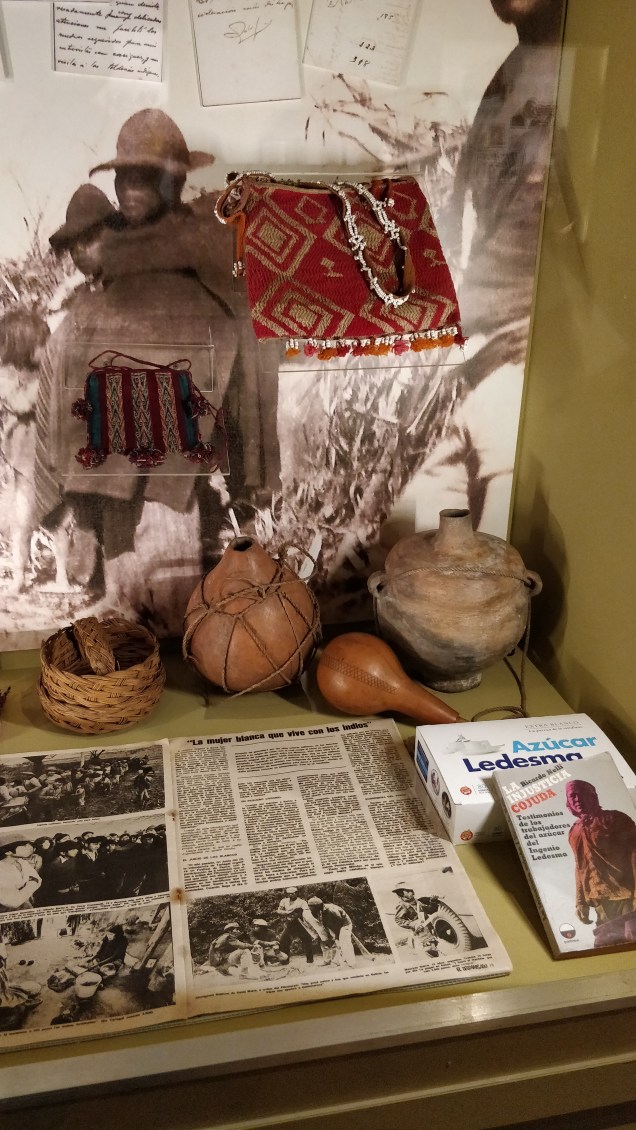
The exhibition includes information on how the sugar mills (having been the beneficiaries of military muscle keeping workers in check and working for decades) would act as agents of the dictatorship, informing on workers and allow their land to be used for clandestine detention centers. One company’s own vehicles detained over 400 activists, 30 of which were never seen again.
The company was Ledesma, which is still a major producer today.
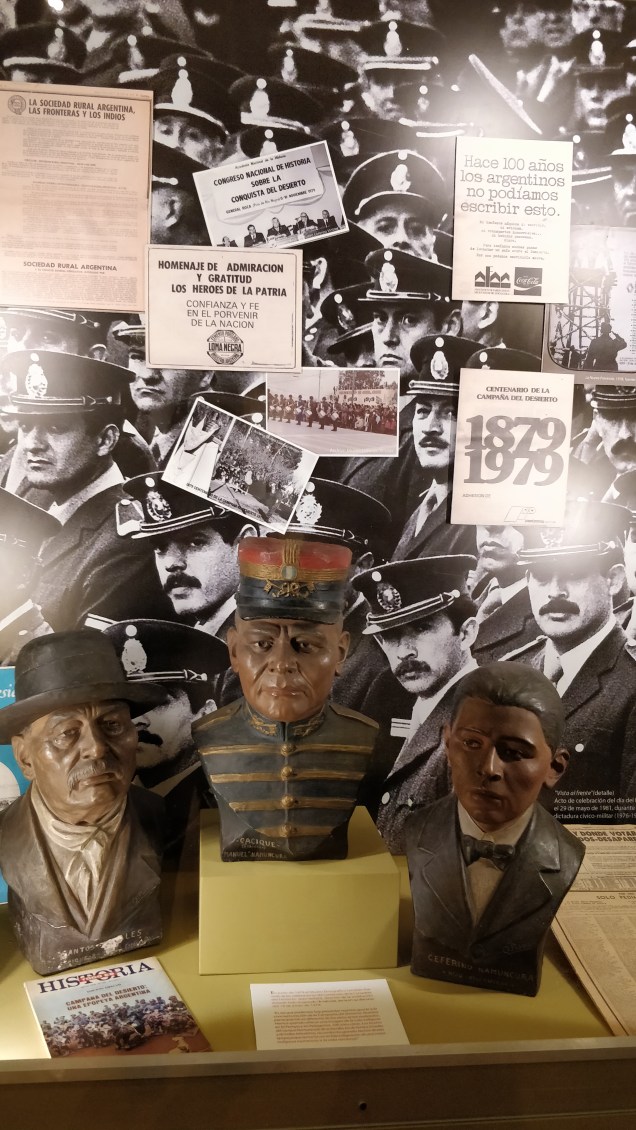
The exhibit also examines the museum’s own contribution to the erasure of Native cultures during the dictatorship, which celebrated the “Centenary of the Conquest of the Desert” in 1979, which could more accurately be characterized as the centenary of the genocide of the Native peoples. So, sure, parade time.
The busts of Native chiefs were displayed, meant to “remind us of the great facts of this epic that concluded with the happy integration of a numerous mass of indigenous peoples into the national life” are actual words that fell out of the museum director’s mouth in 1979.
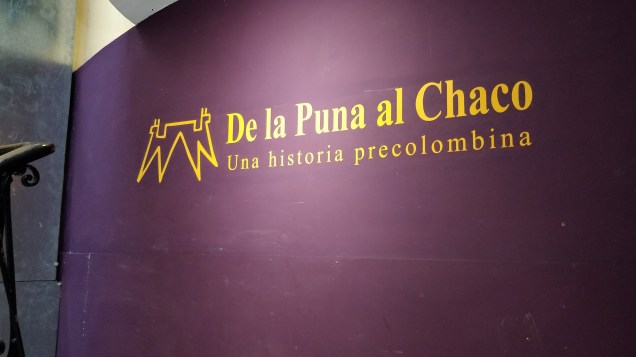
Let’s take a gander at the artifacts that live upstairs, and channel our inner (or outer) textile nerds.
This exhibit covers a lot of ground and A LOT of time, there was an entire class of children occupying a large part of the room (and I never, ever begrudge children their space in learning institutions–I just didn’t get to the more recent artifacts because their activity was taking up a lot of floor space, but they were really engaged and two thumbs way up to the museum for having a hands-on activity for them), and my dinky little minor in anthropology did not equip me for being a great source on pre-Colombian history, so let’s hit this in broad strokes.
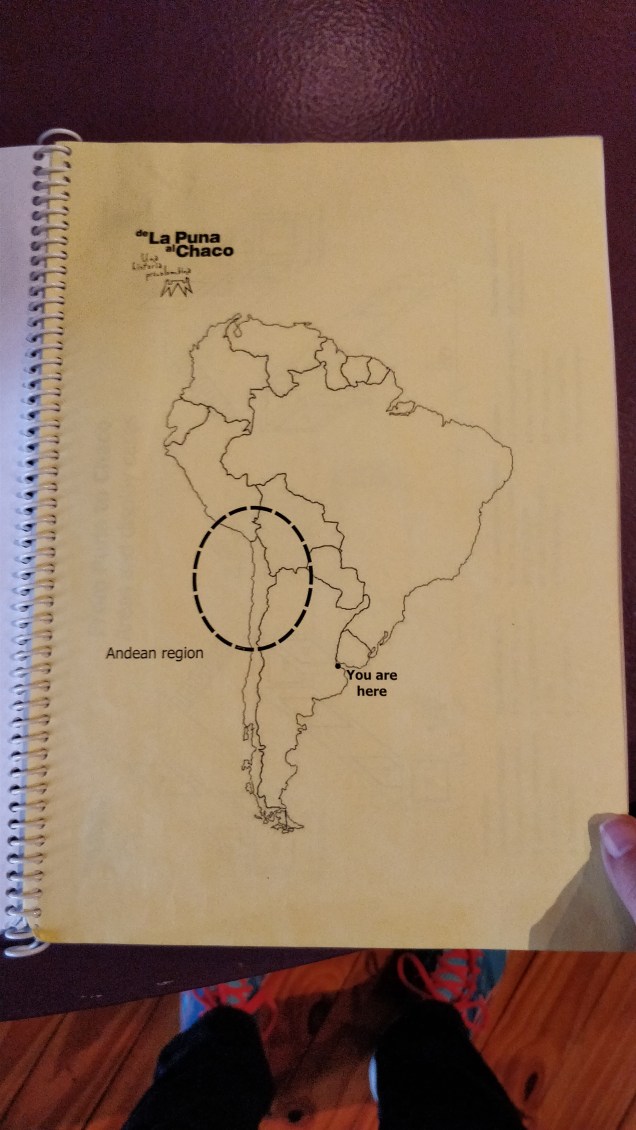
Here’s the region we’re looking at:
The English guidebook has got my back.
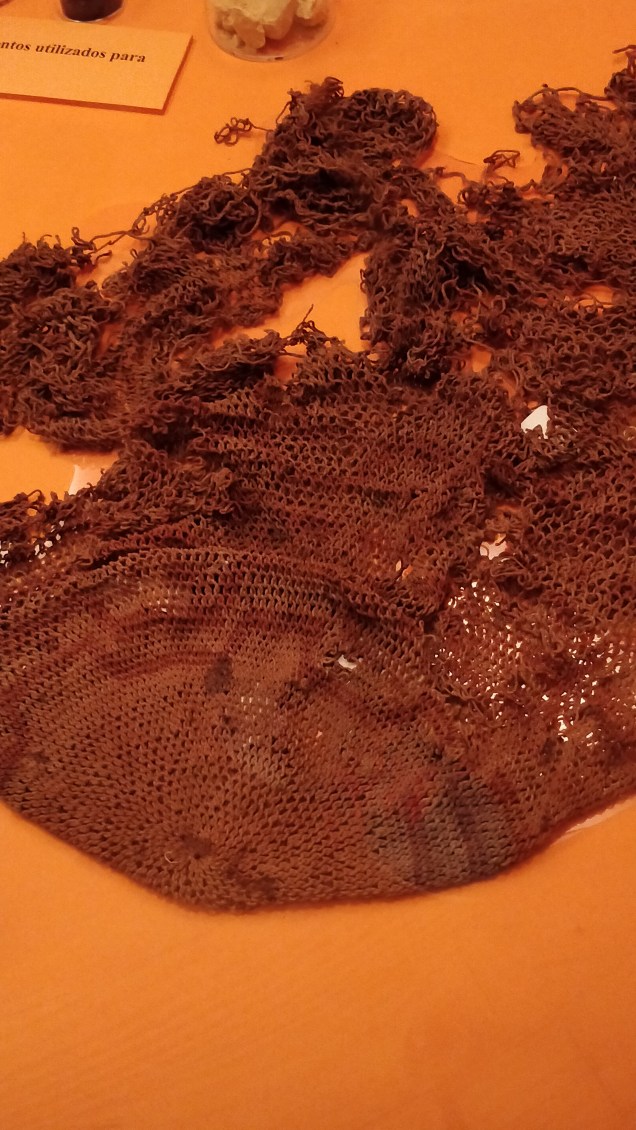
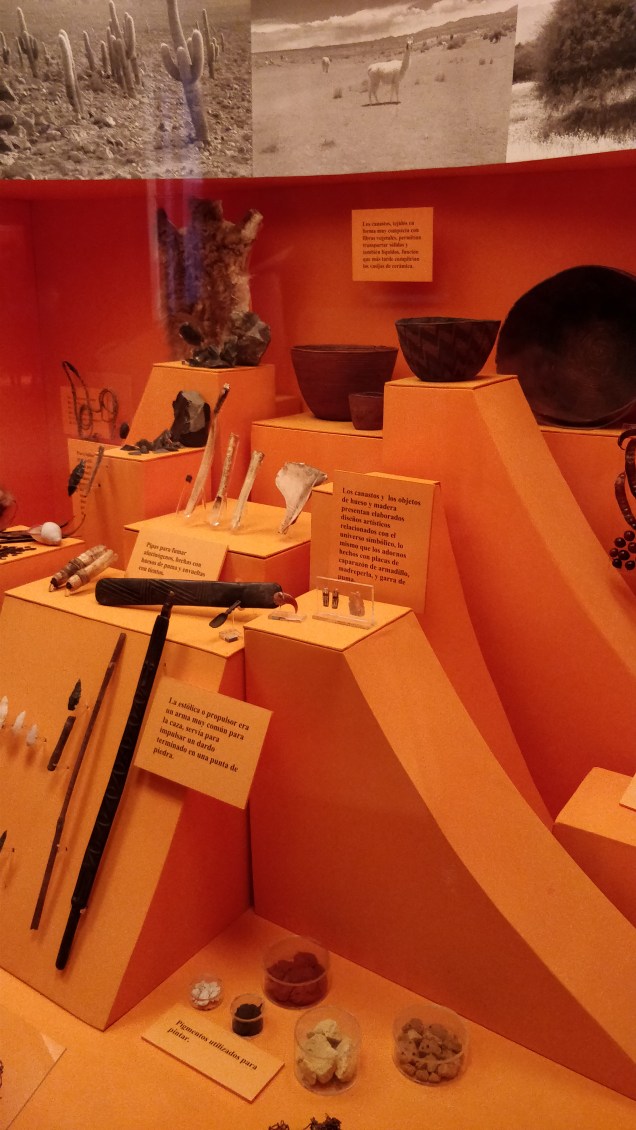
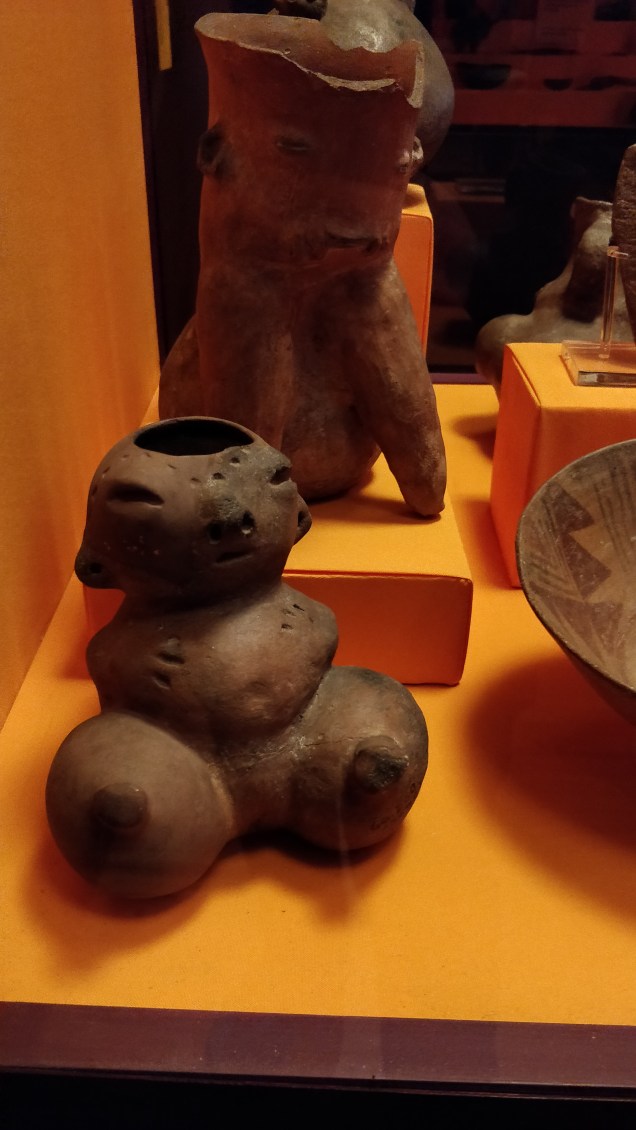
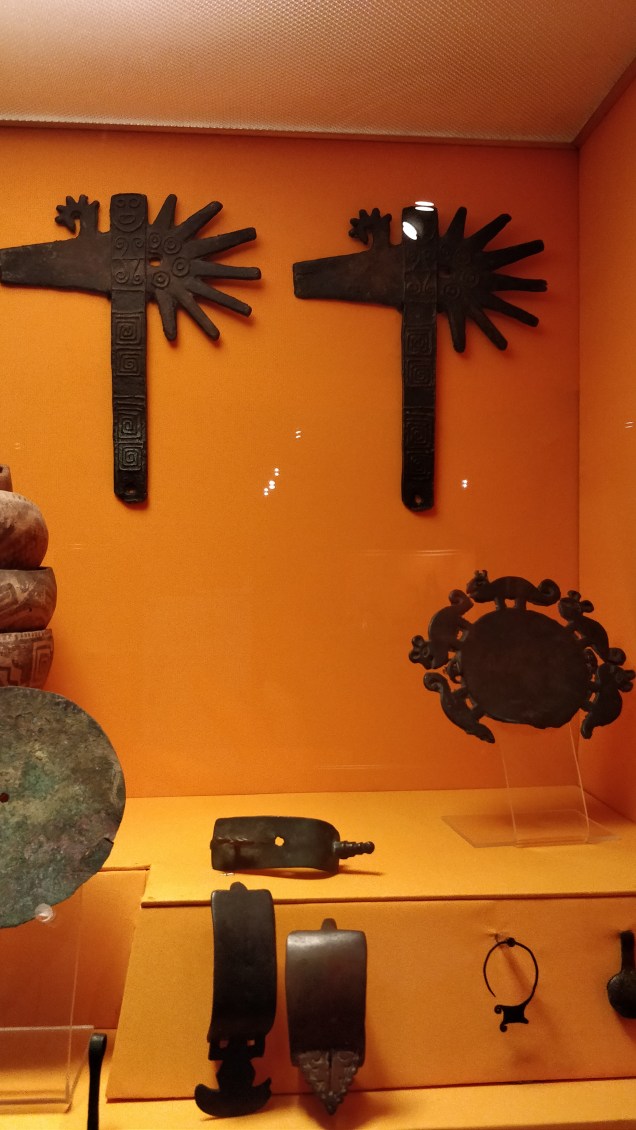
The exhibit covers about 4000 years of cultural development in the region (following roughly 6000 years of hunter-gatherer societies), beginning with the earliest domestication of crops and animals.
You can still see the colorwork!How gorgeous are those stitch patterns?!
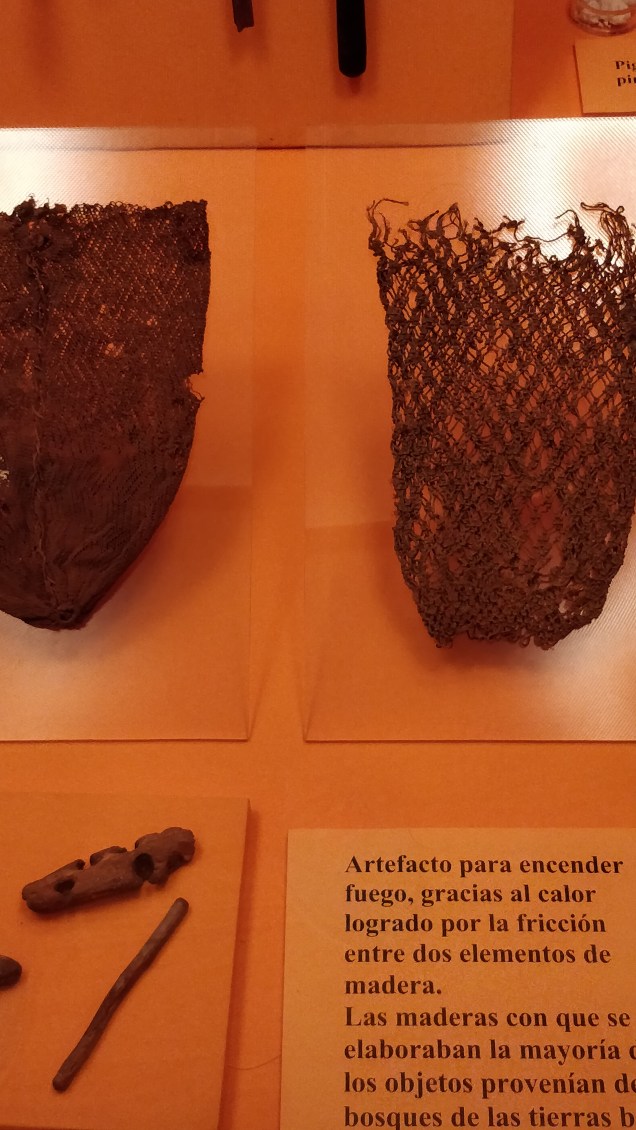
It would have been very nice to have more information about each object, such as their ages and sources.
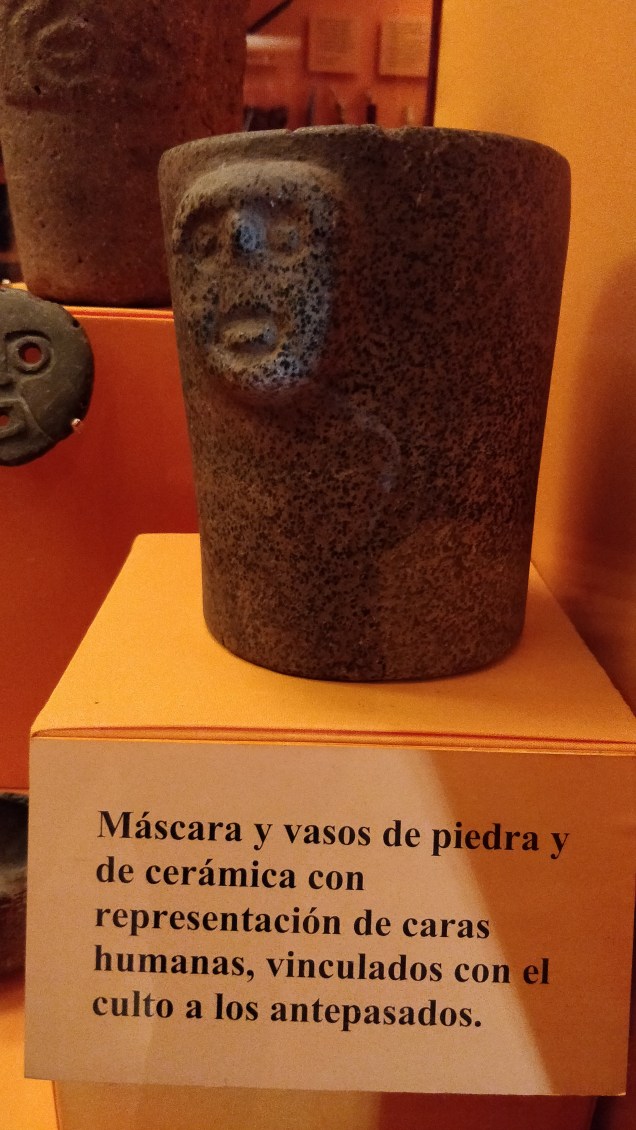
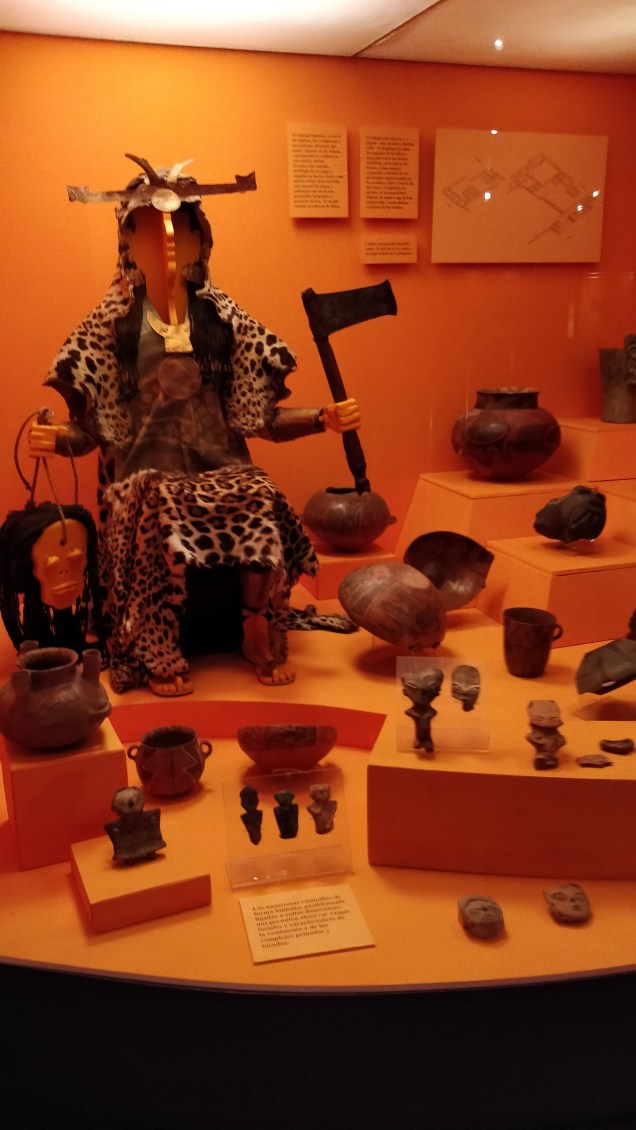
As things settled into the first millennium CE, society got less egalitarian and chiefdoms formed. Power became hereditary and ancestor worship was socially important.
Along with the integration of groups into a large political entity came more defined social stratification and a centralization of power and activity.
Also human sacrifice happened.
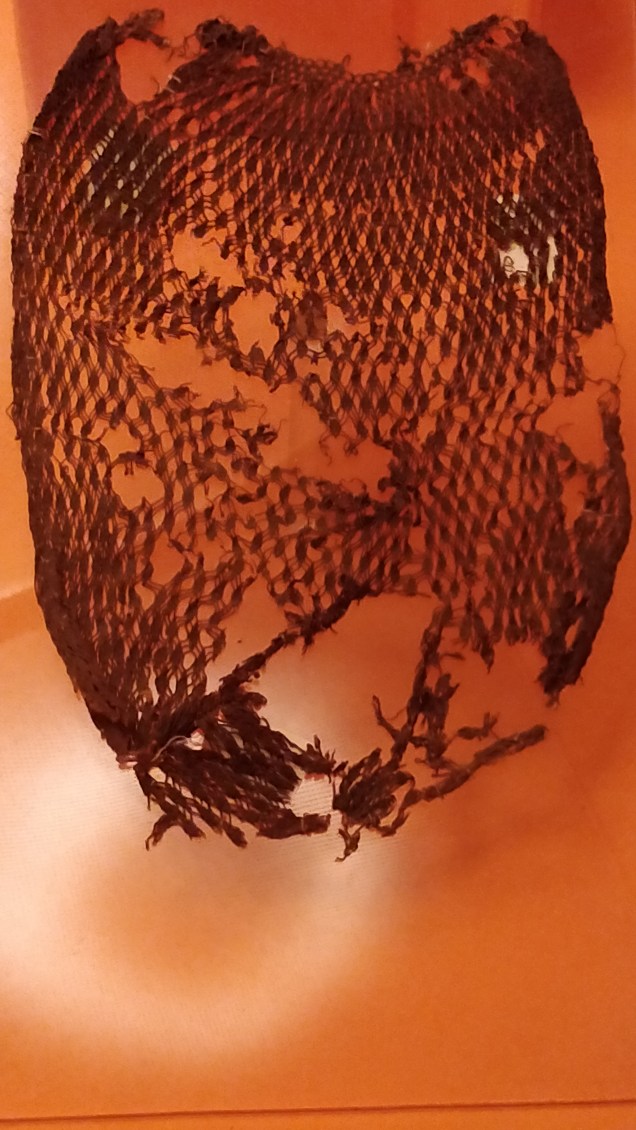
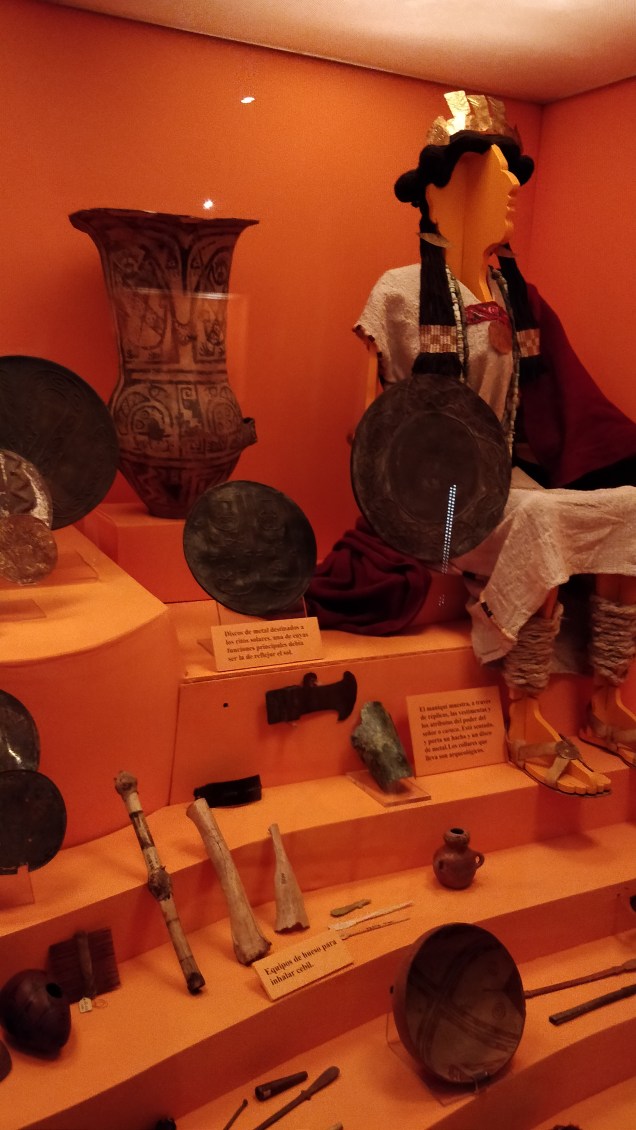
But nevermind the increasing sophistication of craftsmanship, particularly metalworking, and restricted luxury goods that signified social status, let’s get back to the textiles.
Aw, yeah.
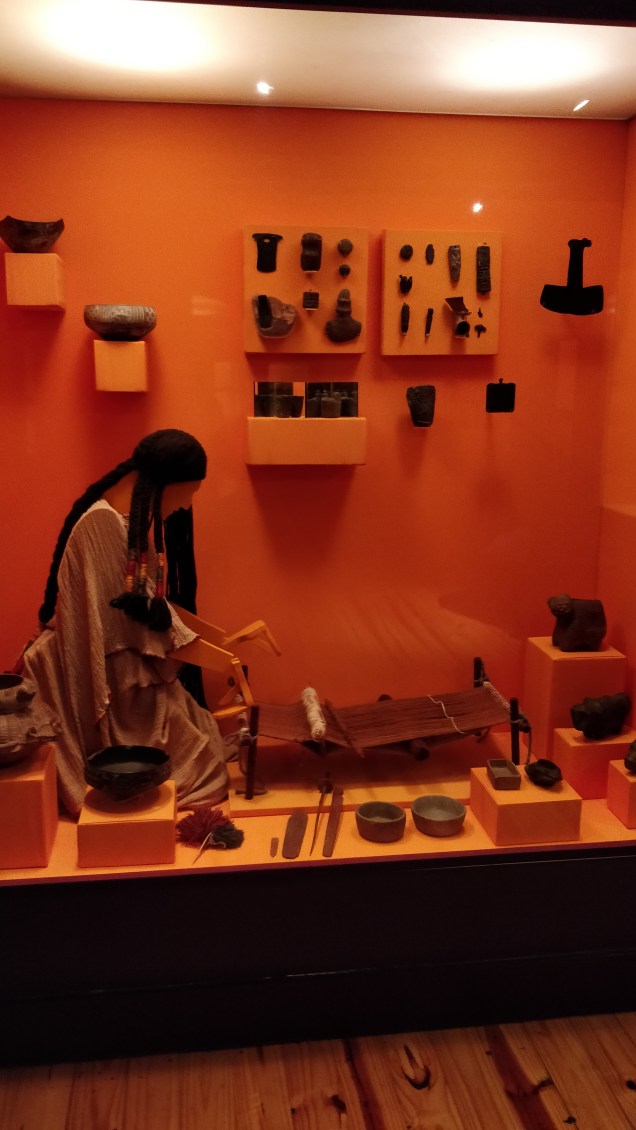
The loom comes into use, and surviving textiles show that weavers developed into specialized master craftspeople, just as the metalworkers and ceramics makers did.
Of course, everything goes to hell when the Europeans arrive, as it does. That was the area that the school children were working in, so I didn’t get photos over there.
The exhibition room is large, and there are a lot of stairs, but they’ve used the space well. Old houses present a lot of challenges when they’re used as public institutions, and they’ve done a nice job with this one. If steps are an issue for you, be aware that there are lots.
There’s more to see at the Ethnographic Museum, which is open Tuesday through Friday from 1pm to 7pm and 3pm to 7pm on weekends (closed Monday). There’s a small shop if you’d like to support the museum by upping your swag game. Admission is 40 pesos (about a US dollar currently), and it’s super easy to get to on subway lines D, A, and E and tons of buses.
Today, if you immigrate to Argentina, you will undoubtedly spend some time in the Migraciones building, near the Retiro train station and the port. You’ll be going to the same place immigrants have passed through for more than 100 years.
These guys are probably still in line.
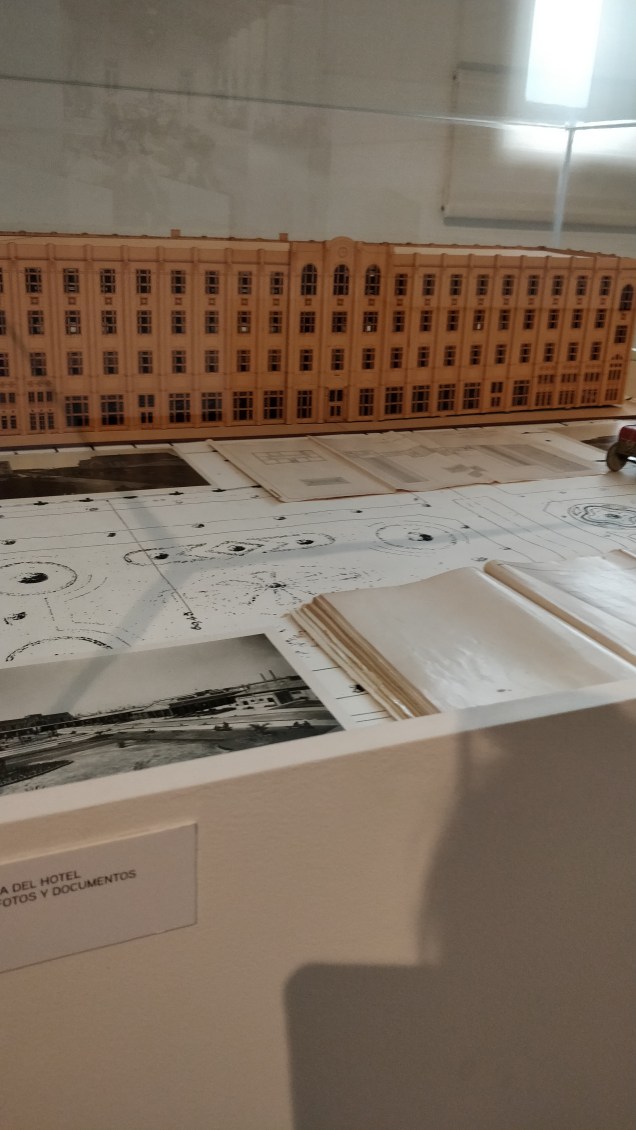
In 1906, the Hotel de Inmigrantes (Immigrants Hotel) was built at this site with the aim of acting as a kind of full-service center for immigrants. Part of the old hotel building, between present-day Migraciones and the Navy’s school of sea sciences, now houses the Museum of Immigration (and a contemporary art center).
The museum’s on the third floor; definitely take the elevator.
Bank, ho! (Multi-post joke)
The museum does have some artifacts, but it also dedicates a fair portion of its small space to contemporary art with an immigration theme. It is more of a tribute to immigration than a strictly educational space (although it does also house historical records for research). It begins with this work, We Are All the Same Under the Skin (I would credit the artist but apparently the museum handout I was reading like an hour ago has been misplaced):
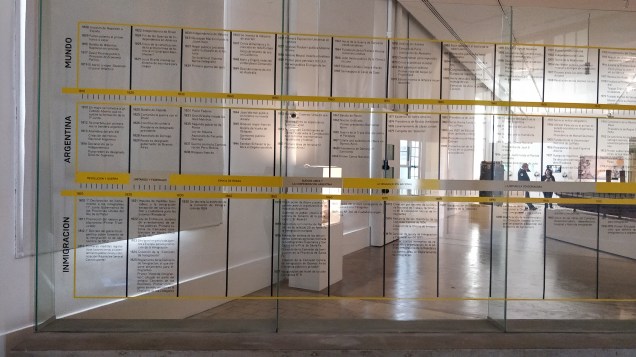
The visitor also sees a timeline of immigration legislation and its historical context:
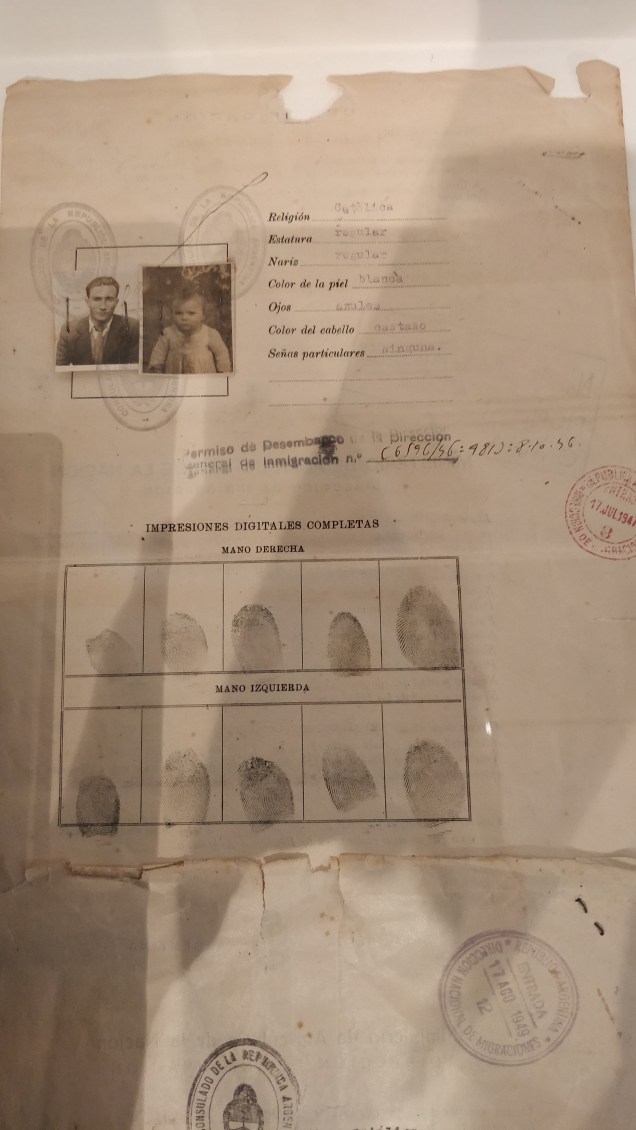
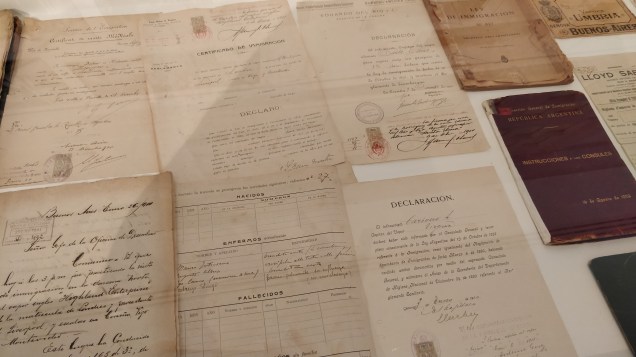
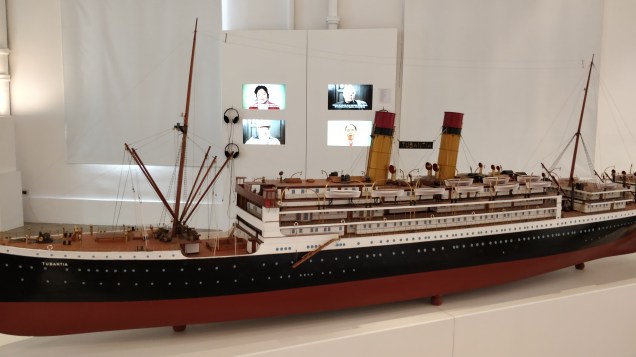
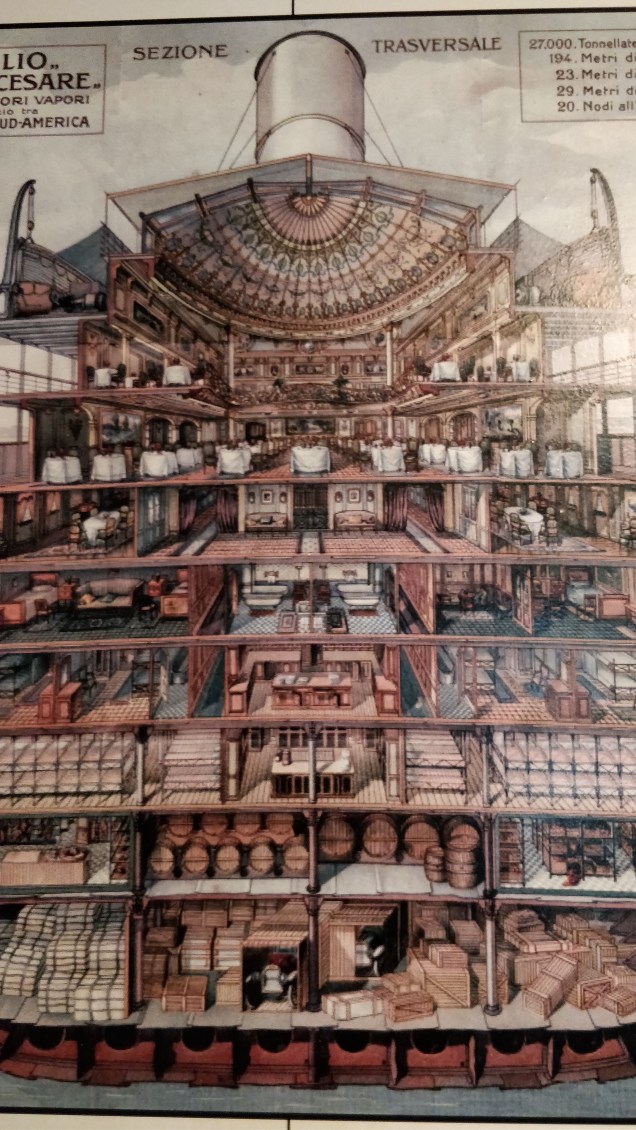
The visitor moves through the experience of immigration, with the examples of travel documents and illustrations of accommodations:
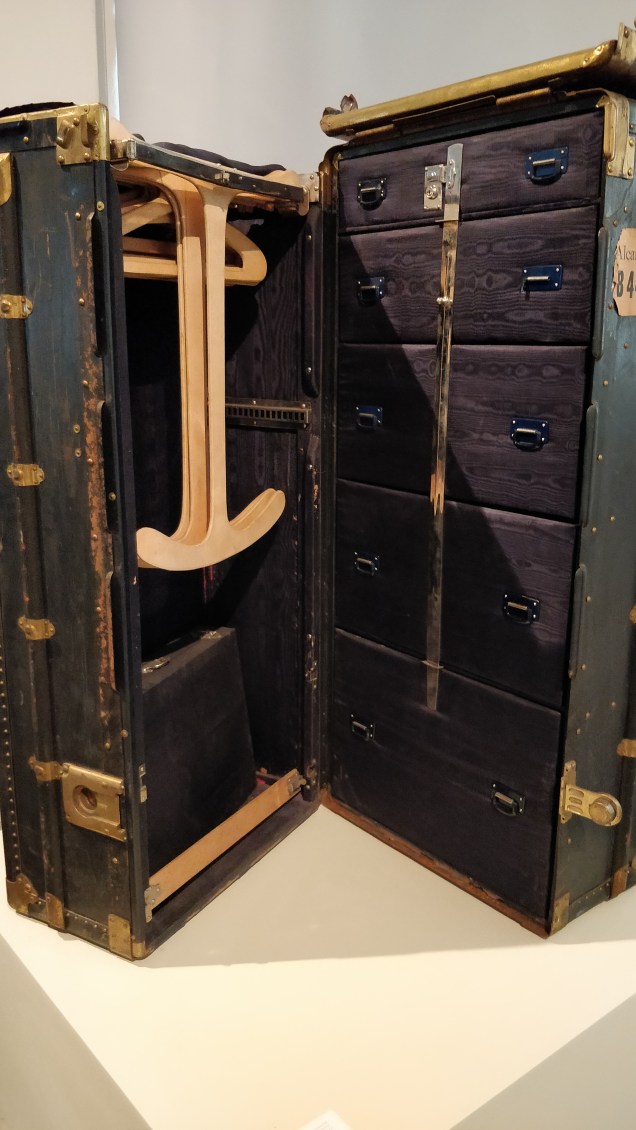
Sail 3rd class with your closest 800 friends.The travel truck of a couple fleeing Italy’s anti-Jewish laws and the impending war in 1939.
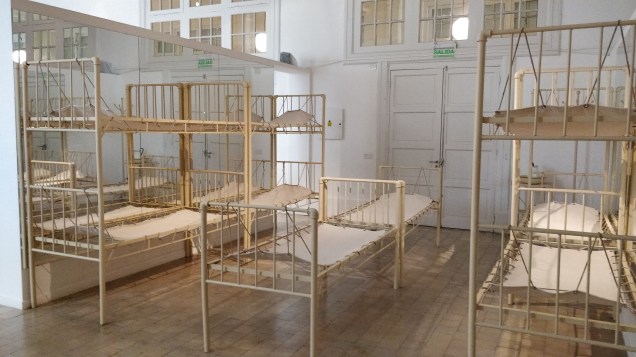
In addition to the multimedia artwork, visitors can listen to and watch interviews with more recent immigrants. As you move into the immigrant’s process of starting a life in Argentina, there is a life-size model of a part of a dormitory in the Immigrants Hotel. There’s a voice singing, and I recognized the lullaby.
Marginally better than 3rd class, but the price was right (free).It could accommodate 3000 new arrivals at a time.
Next, you see the some of the things immigrants used to create and sustain their communities:
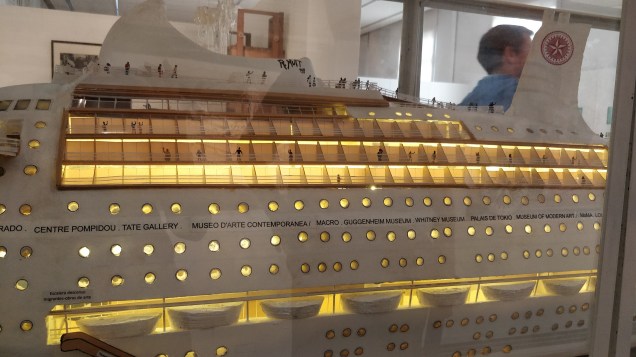
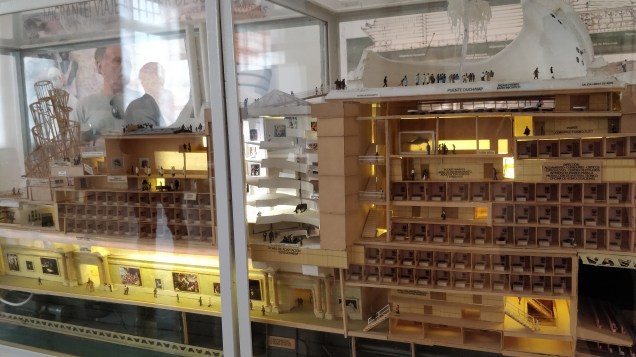
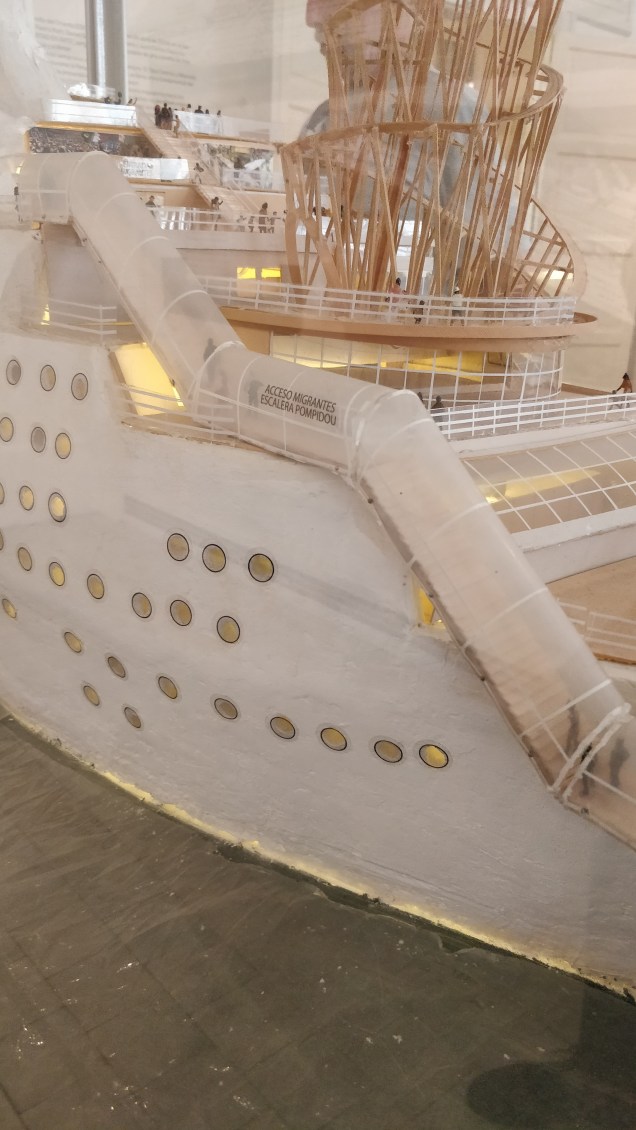
Finally, the museum has an exhibition by the EDO art collective, imagining a solution to the dehumanization and rejection of migrants by having them be given the legal status of fine art, and then regaining their full status as human citizens of their new countries (the transport ship, La Ballena, is organized into elements of first-world museums, as befitting works of fine art). It sounds weird but I promise the concept appears more coherent and creative in person.
That the promenade is mostly Duchamp’s Fountain is just the best.
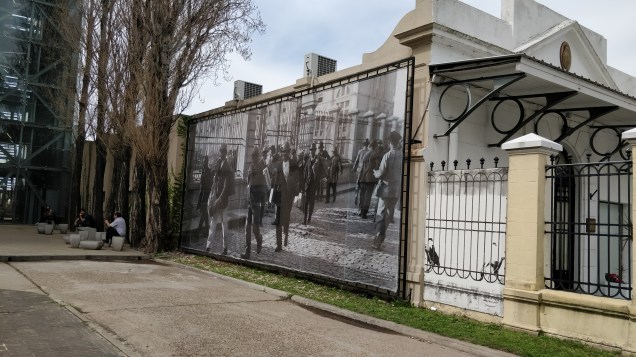
The museum is free, and the hours vary by season. While the signage is only in Spanish, there is an English-language booklet available at the desk on the bottom floor (by US reckoning, I mean the first floor; by Argentine I mean the PB). Finding it is a little bit of a challenge, as the road in front of the Migraciones complex is currently severely torn up by construction (probably for years to come) and the Immigrants Hotel is set back from the parking lot. There are some large banners to help direct visitors, and it shares an entry with the Navy’s school–the sailors on guard duty were very pleasant and helpful in directing us the right way. You can get to the general area by way of a train or subway to Retiro station and walk about a kilometer, or by taxi.
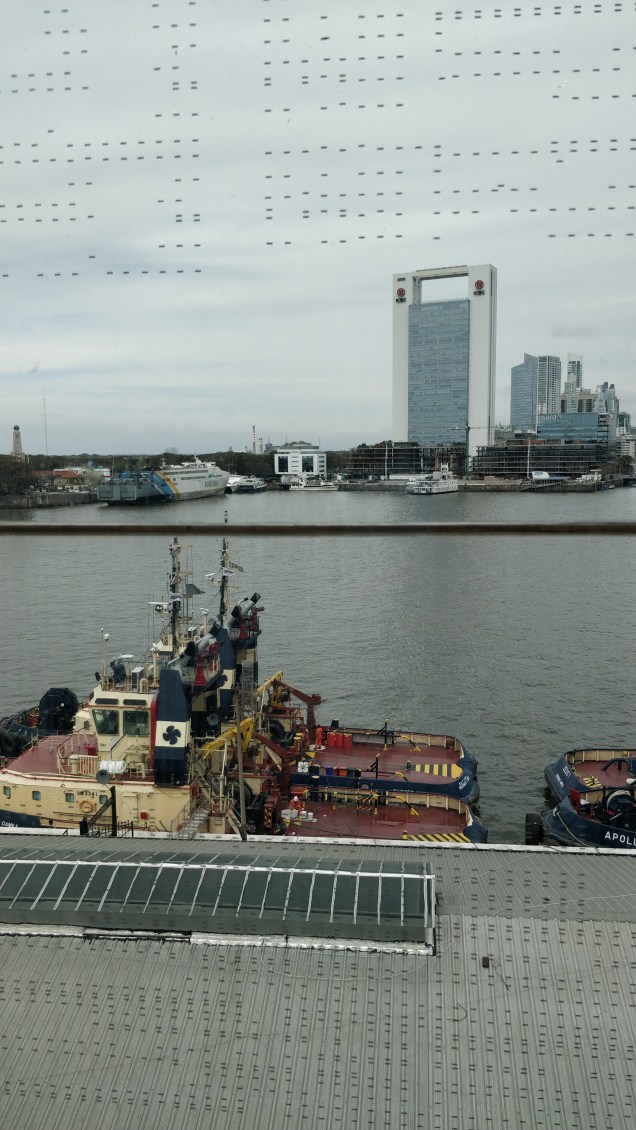
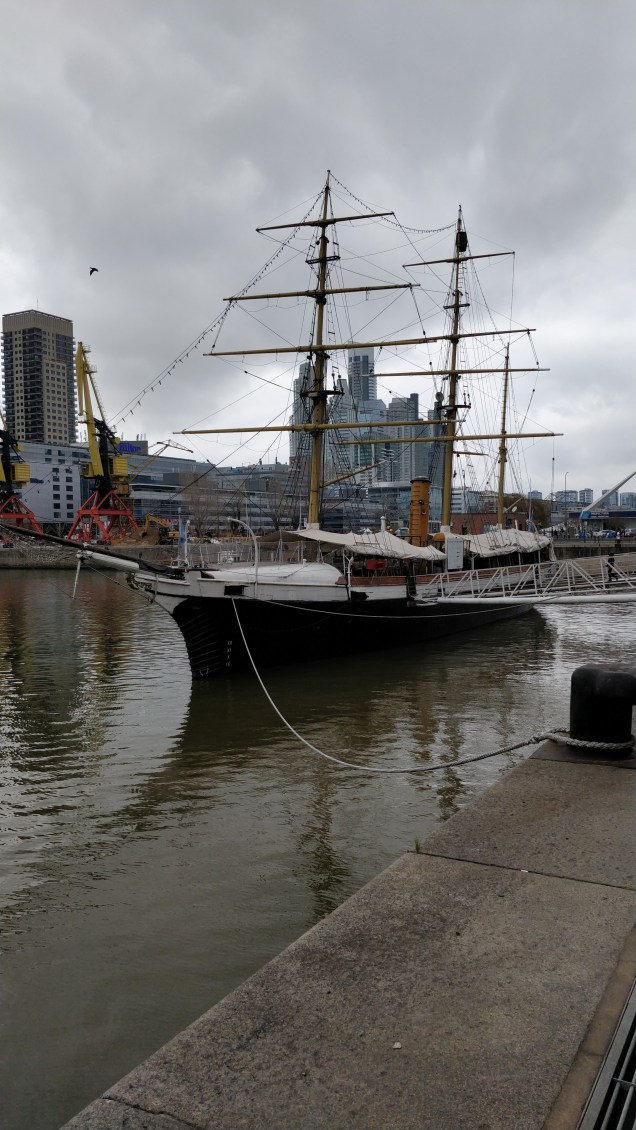
Best case scenario for a ship, a nice little retirement berth in Puerto Madero.
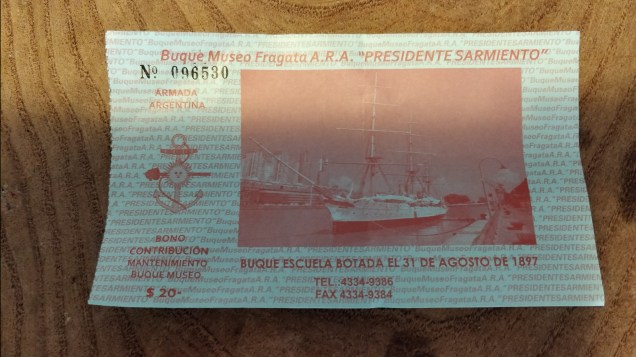
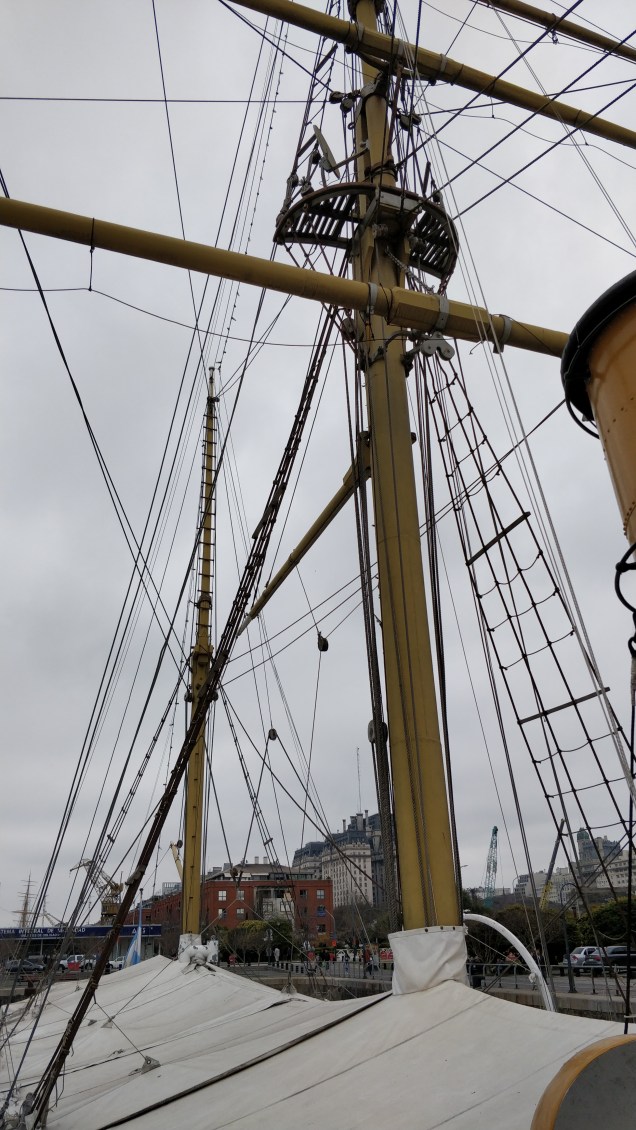
Situated in the river in Buenos Aires’s ritziest barrio, parked near its better-known sister museum ship the ARA Presidente Sarmiento, you can find the ARA Uruguay. How much better-known is the Sarmiento? When you get a ticket at the Uruguay, it says “Sarmiento” on it.
I was not on the Sarmiento.
But the Uruguay has its own very interesting history! It’s the oldest ship still floating in the Argentine Navy, having come into service in 1874. It was a training ship, it did military naval stuff like go to Patagonia to help throw cold water on Chile’s territorial ambitions, and then it got outfitted for scientific exploration in 1887.
The real high point in the Uruguay’s service life came in 1903, when it was refitted as an Antarctic rescue vessel. It got its chance for glory in that line of work that same year, when the Uruguay was sent to save the Swedish Antarctic Expedition, which had been stranded for an ENTIRE EXTRA WINTER after its own retrieval ship sank on account of being crushed by ice. They had to eat penguins. It was not a good time.
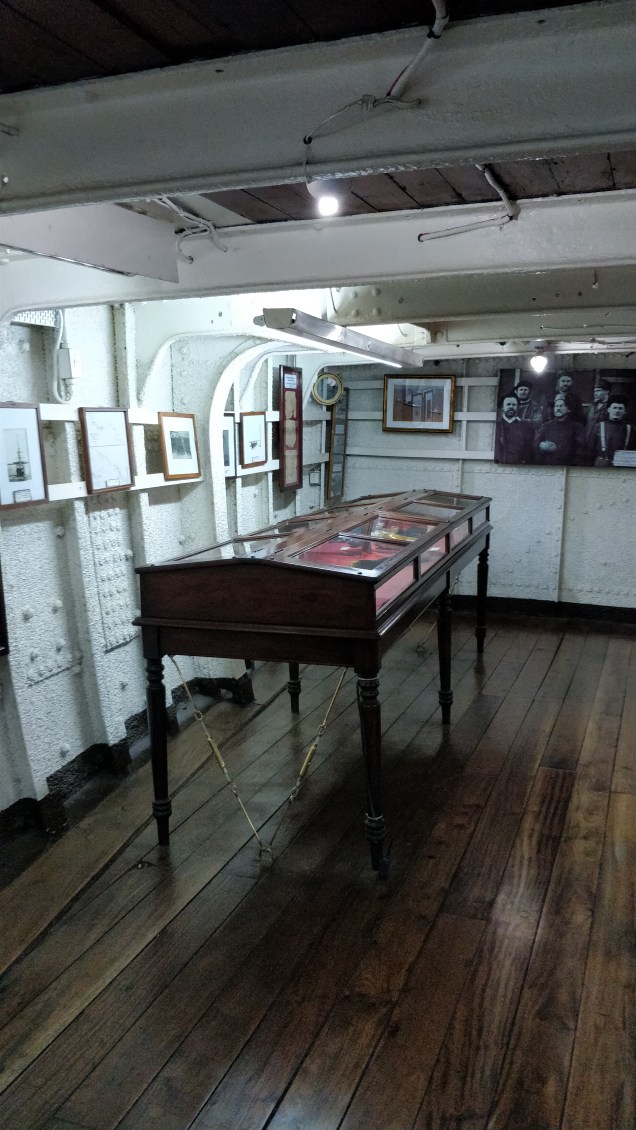
The ship, which honestly seems a little small and drafty for crazy cold Antarctic shenanigans, has a museum below decks.
Just, super small, you guys.
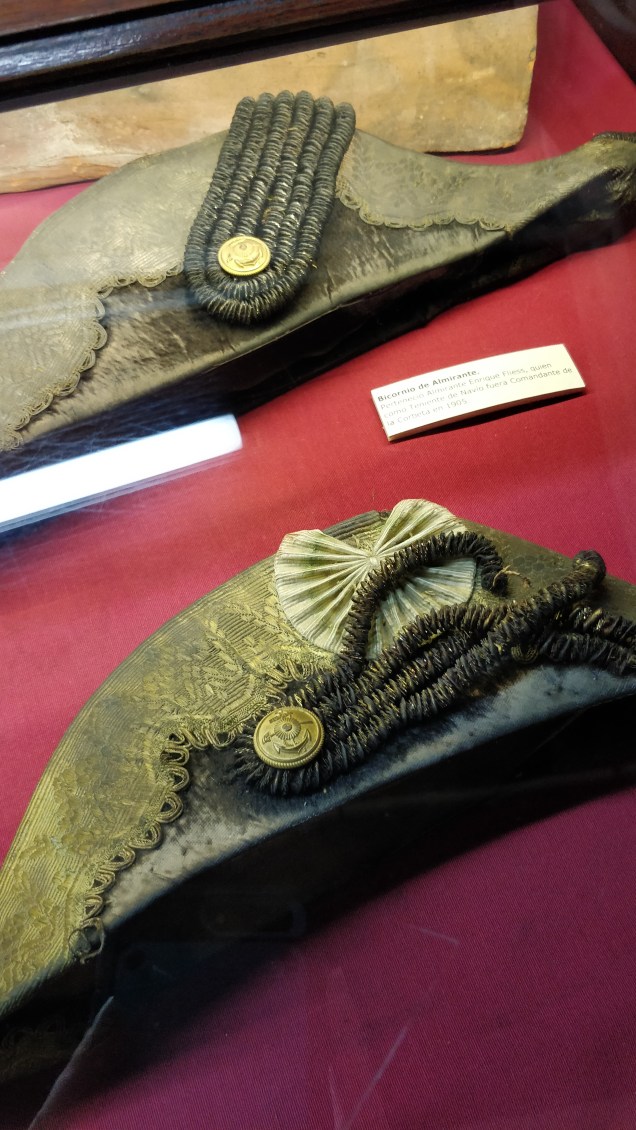
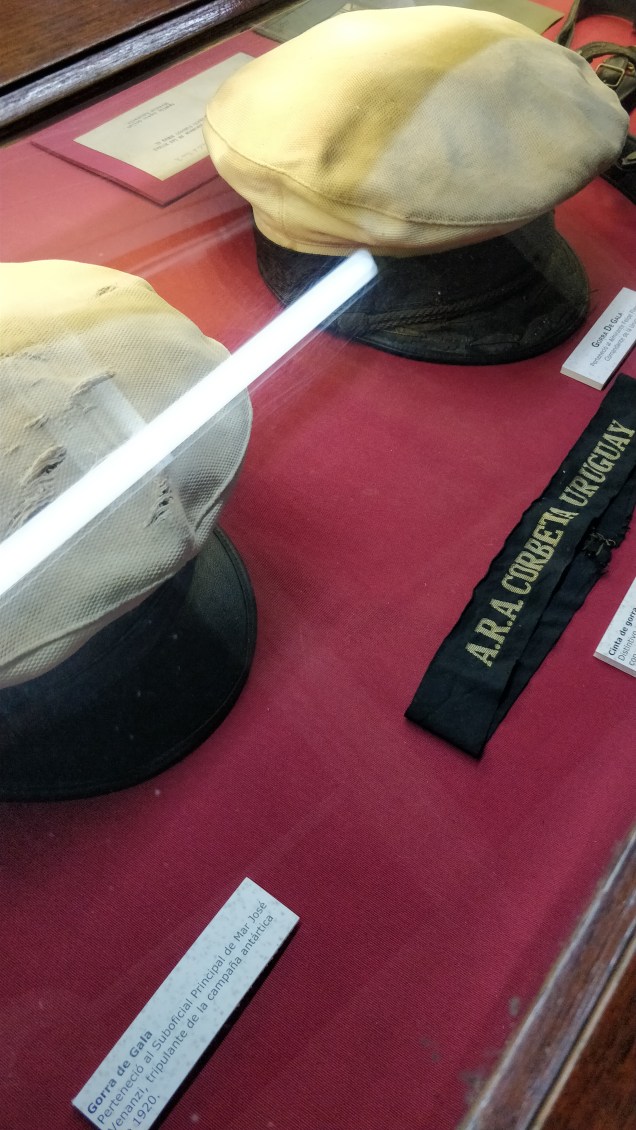
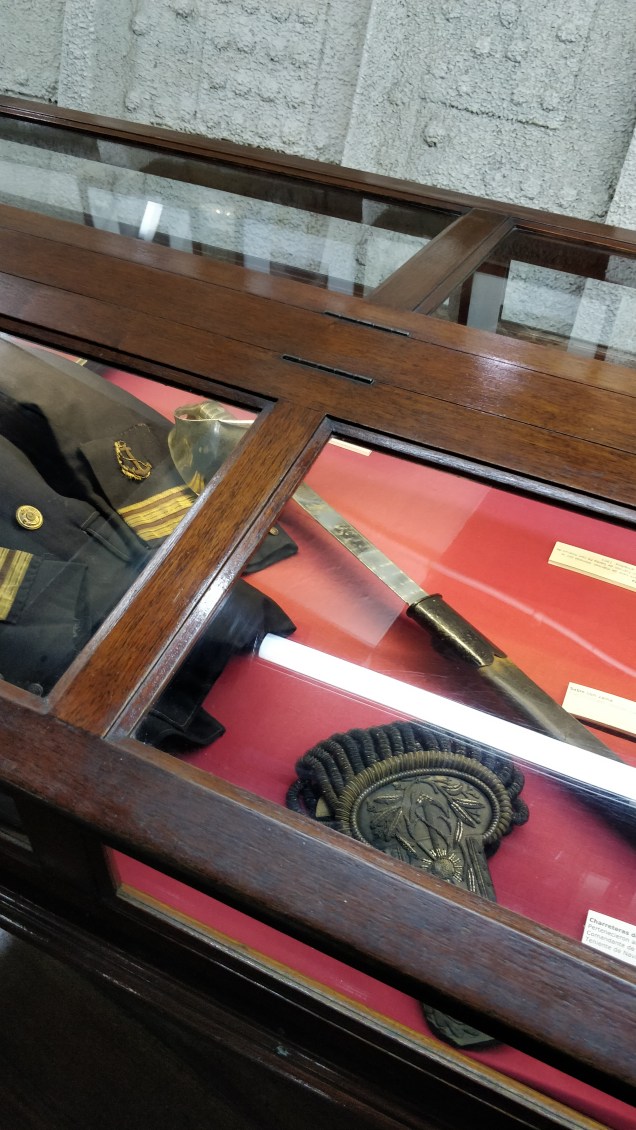
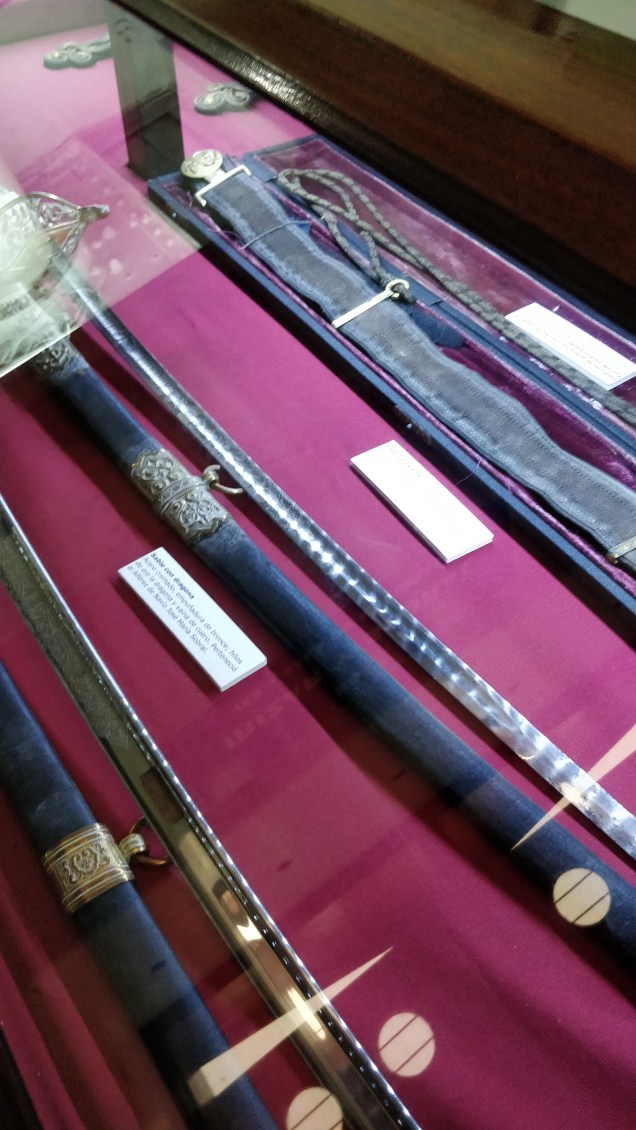
Here you’ll find artifacts from its naval career:
Important person hat.Less important person hat.
I long for the days when the pinnacle of masculinity was also extremely fancy pants.
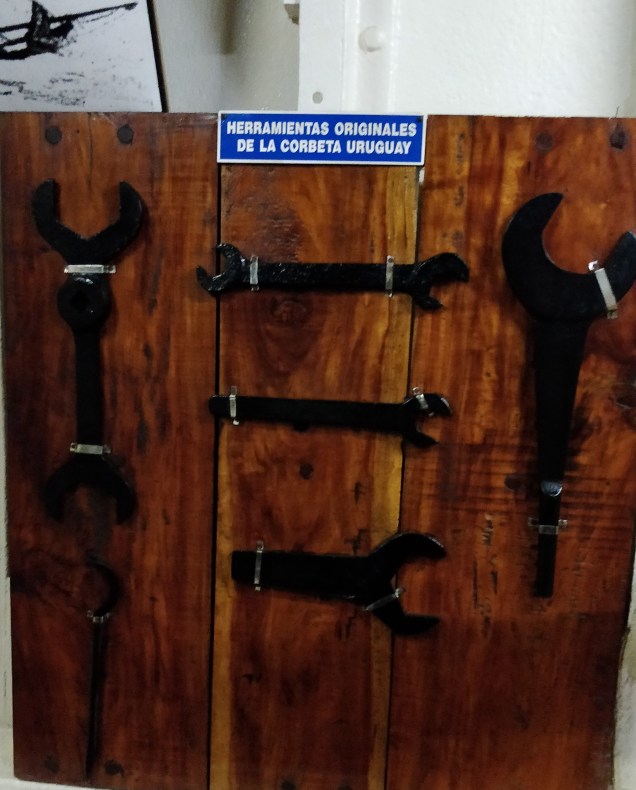
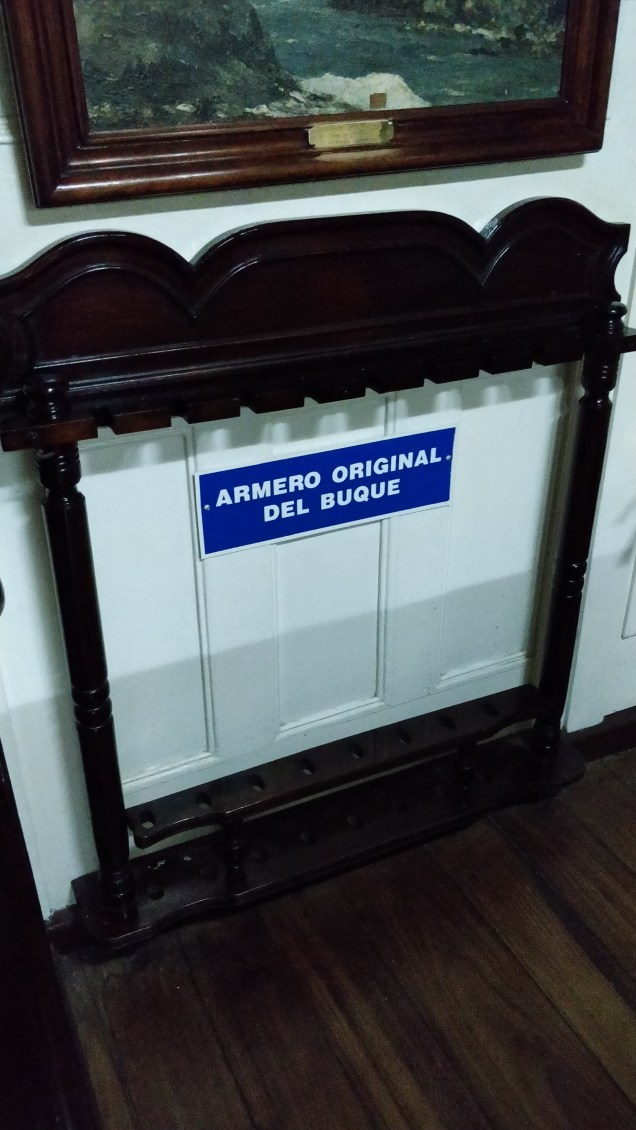
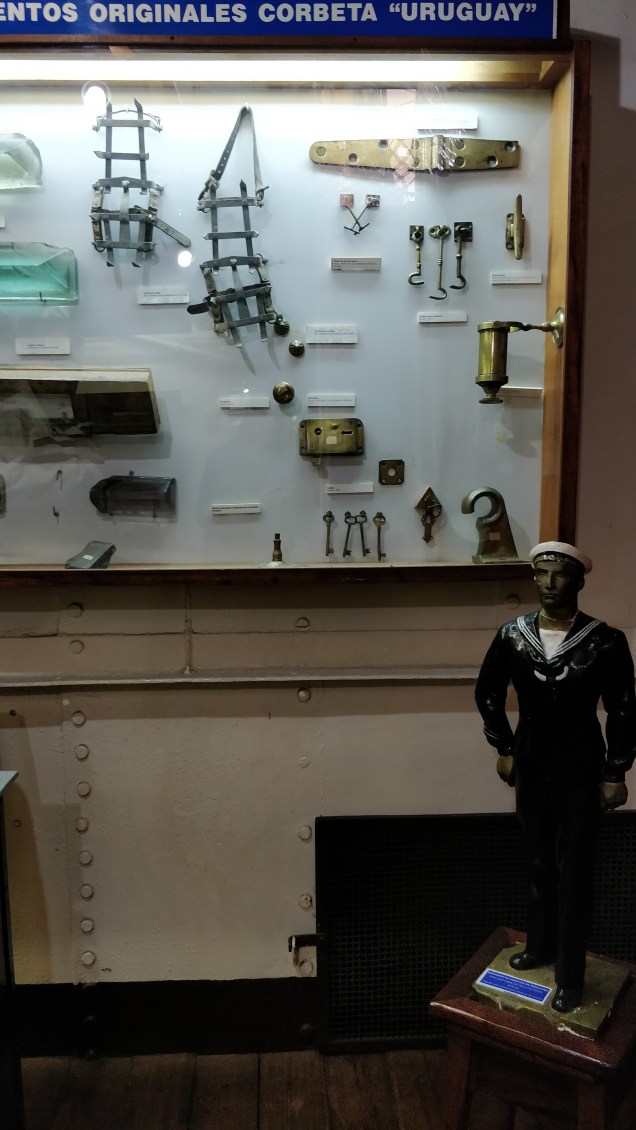
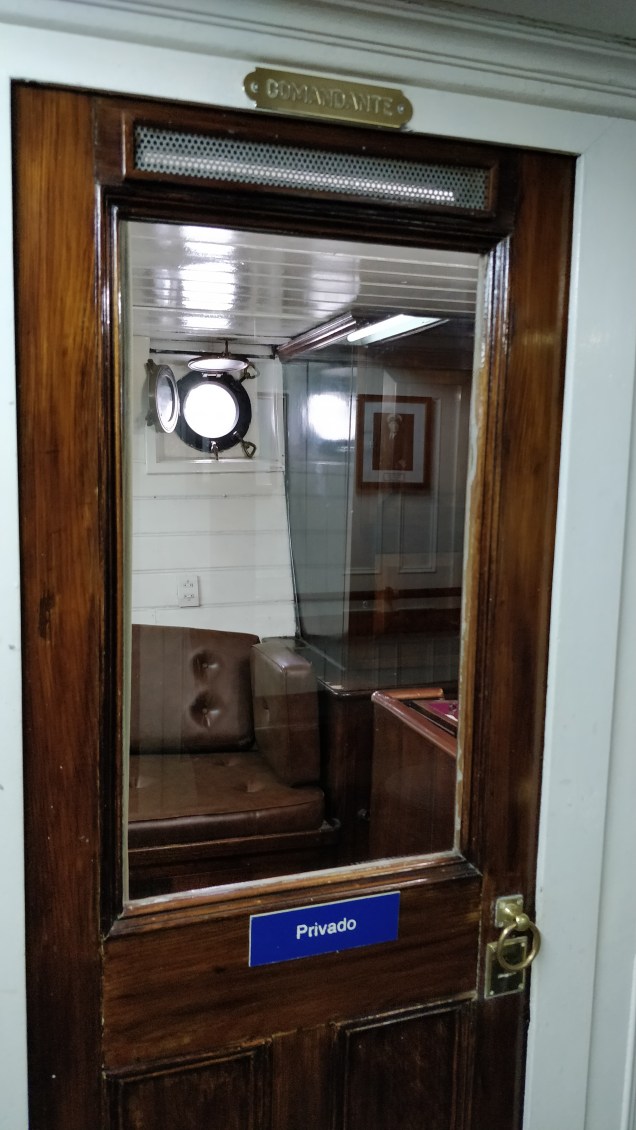
It includes some items that are original to the ship.
So many jokes here.
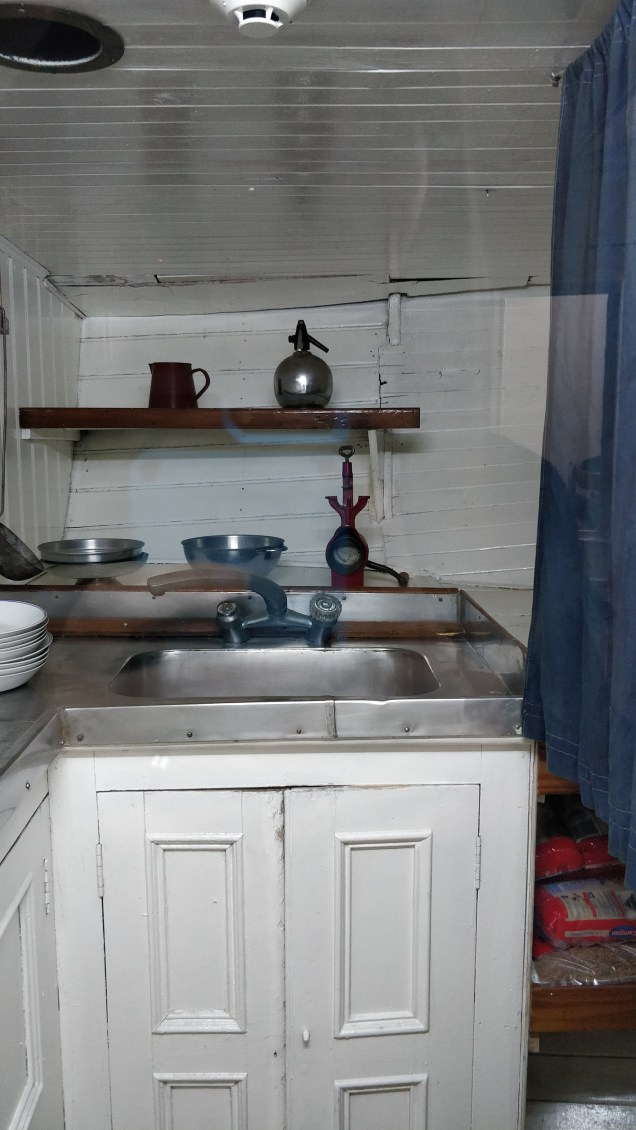
I don’t know what most of this is. Ships are mysterious places.
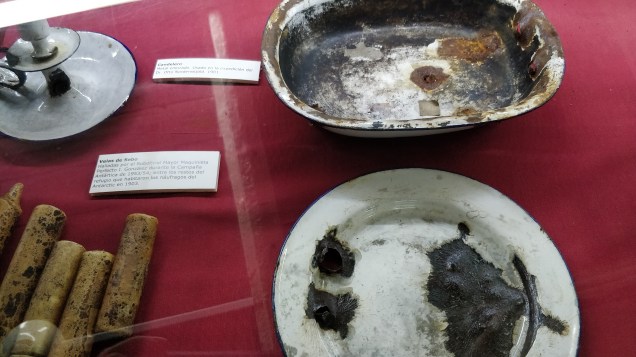
There are some actual artifacts related to the Swedish Expedition, too.
Hm, yes, the plan of depending on candles in the Antarctic sounds solid.
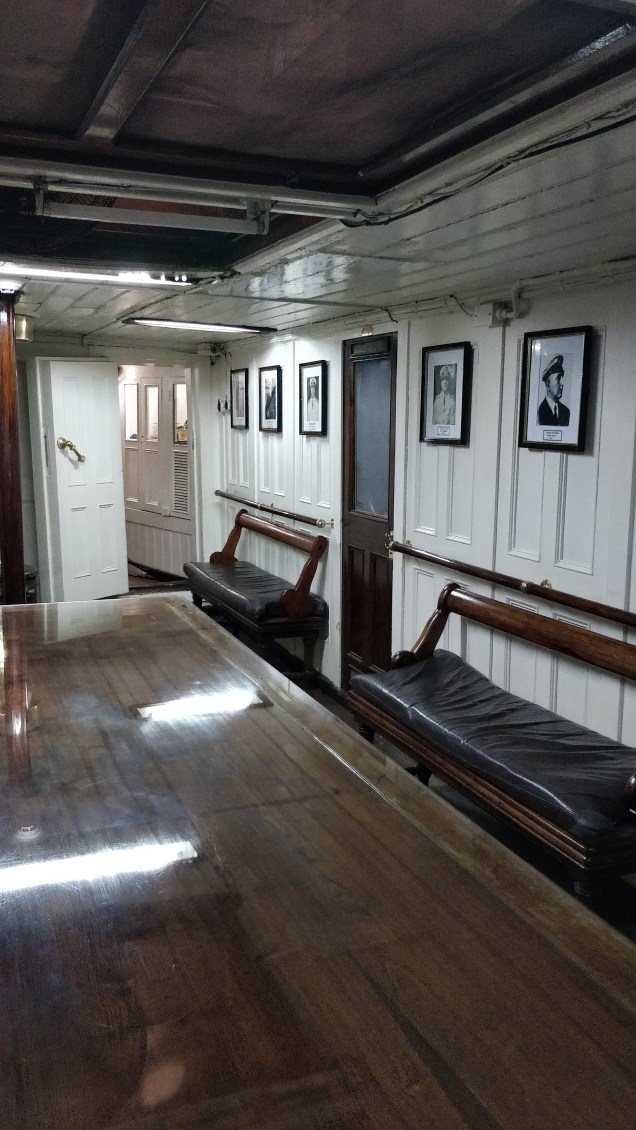
Look at all this space below decks! The 27 guys who went to rescue the Swedes were probably super comfy. After the Swedes came aboard, everybody probably had to spoon constantly.
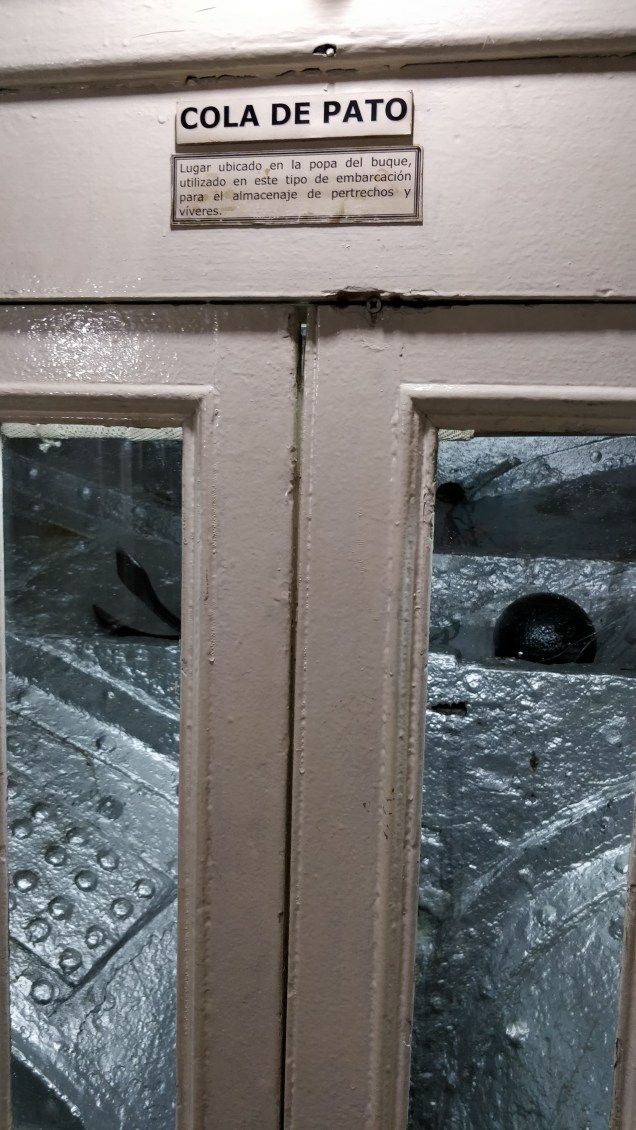
DUCK TAILS, WOOOOO-OOO-OOOOO
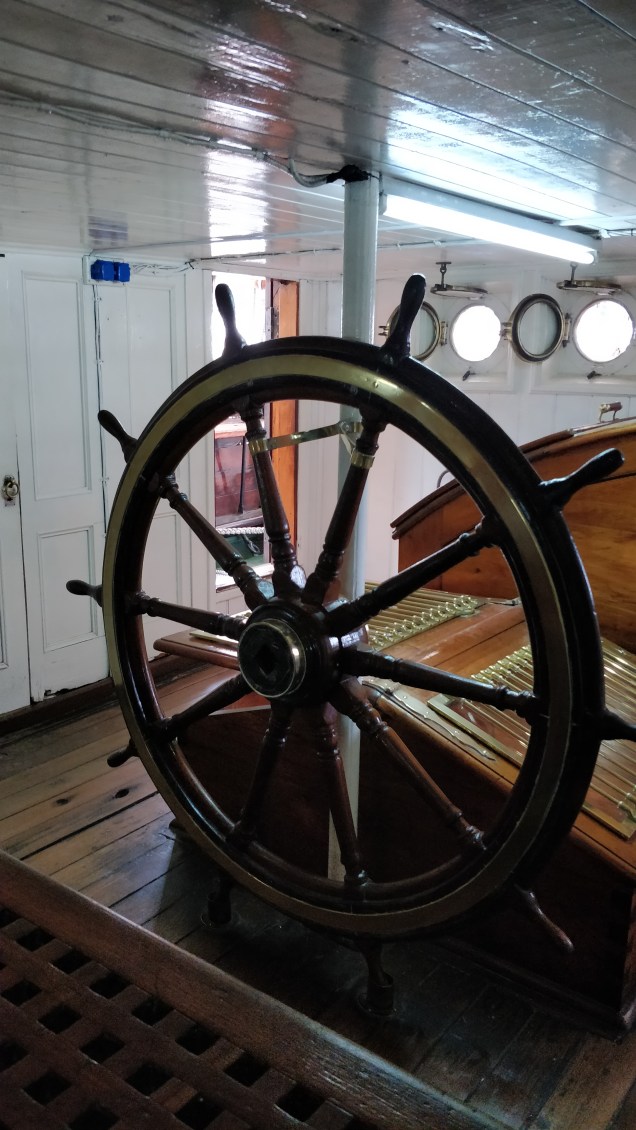
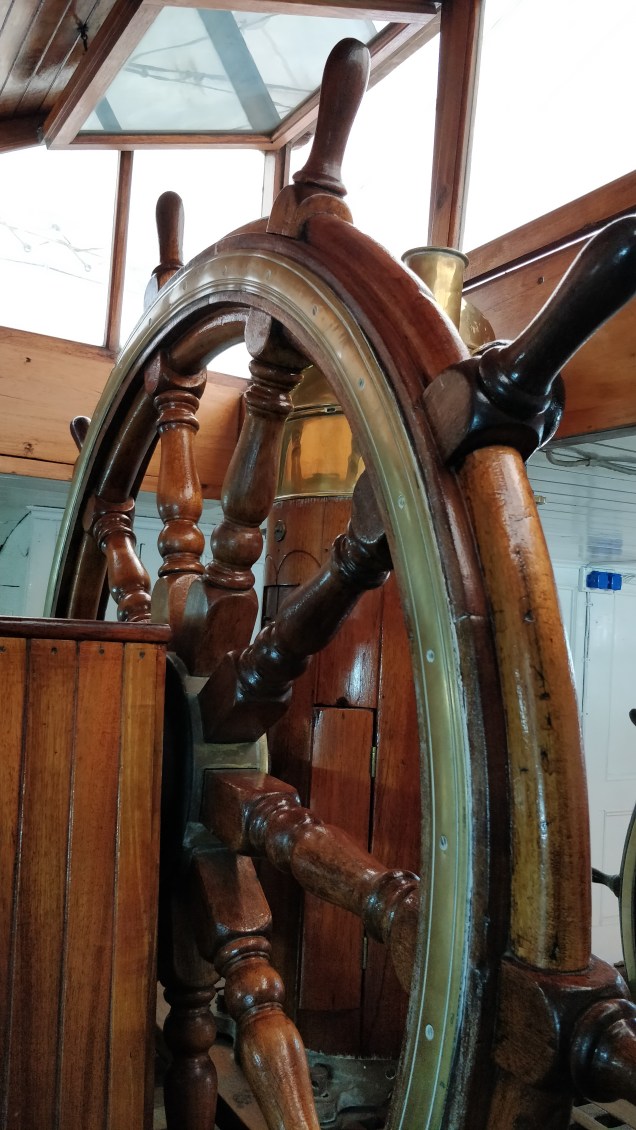
Ships’ wheels are kind of neat, actually.
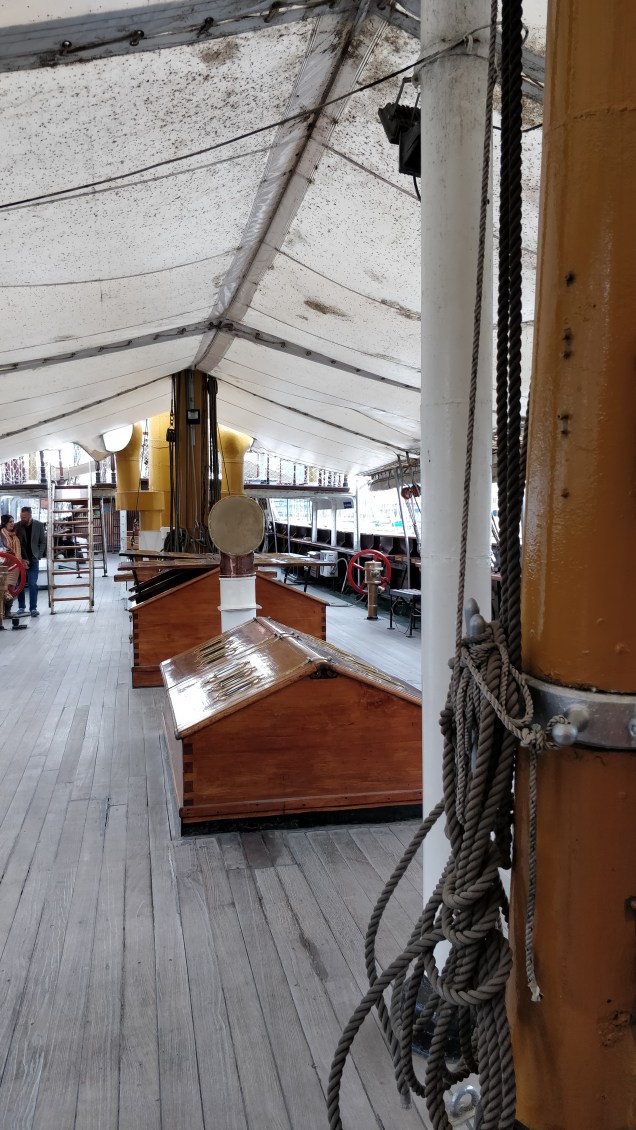
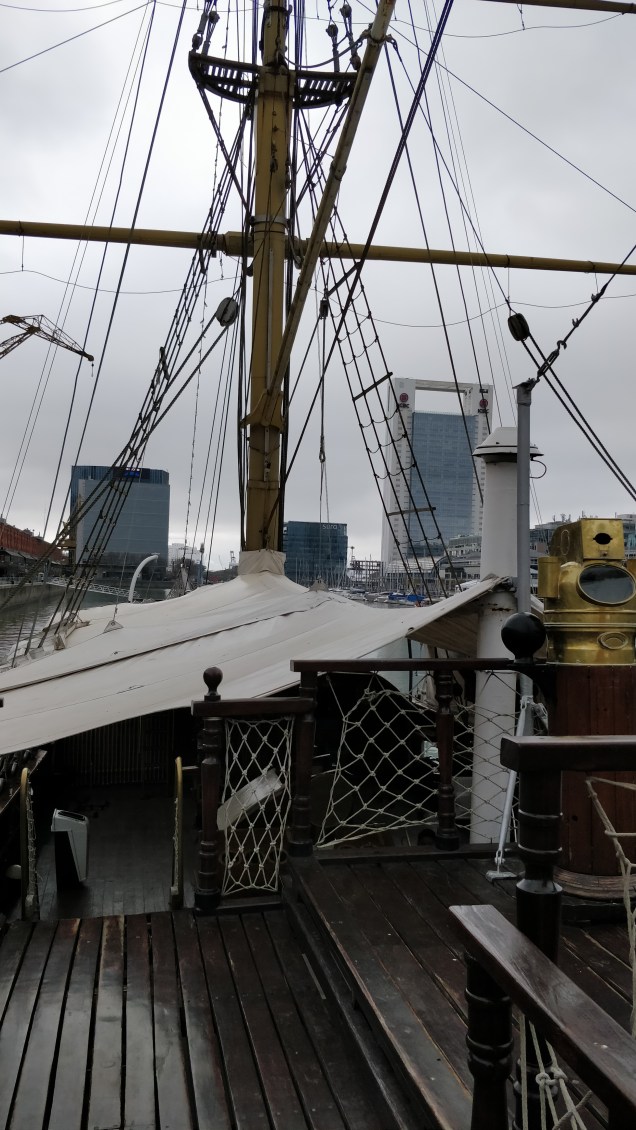
Well that’s enough of that! Let’s see some views on the deck.
Bank, ho!
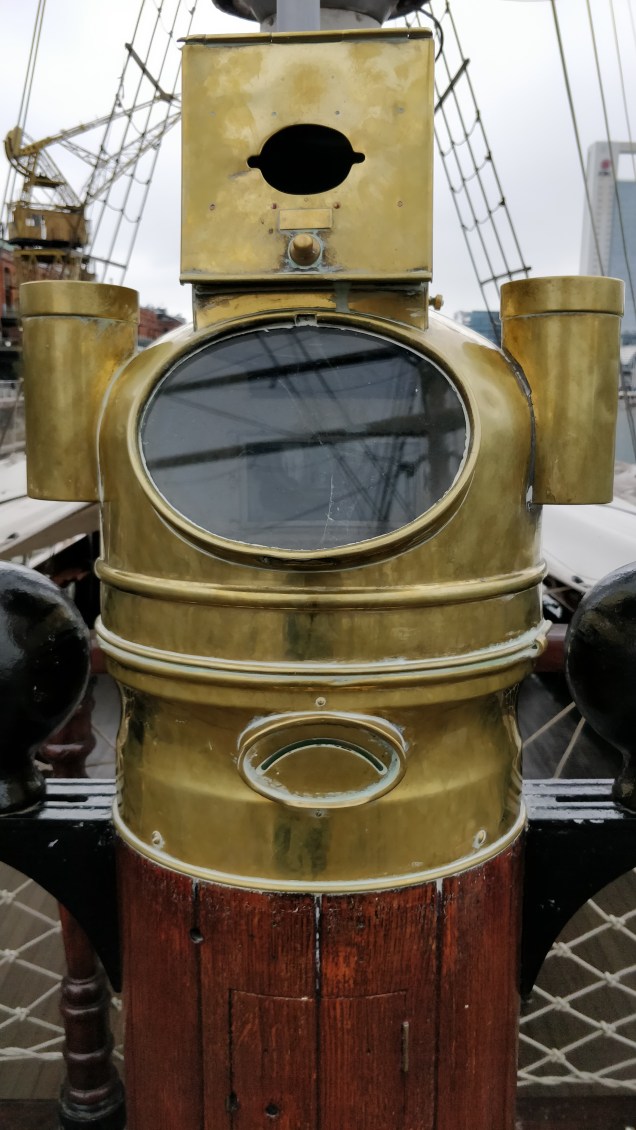
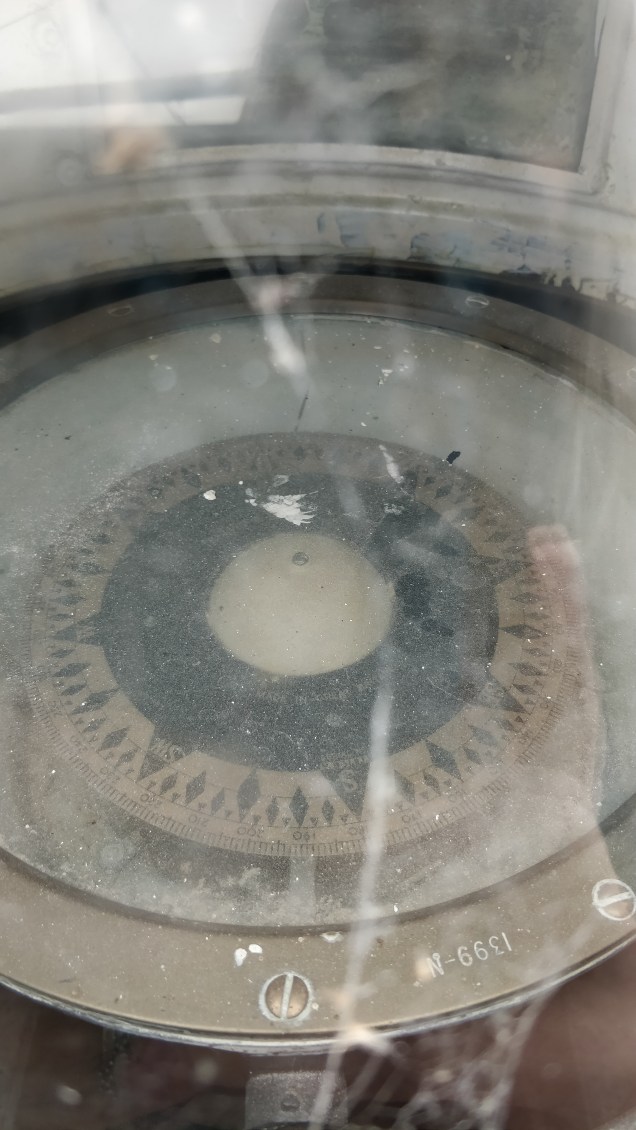
Ship’s compass in that brass fixture on the higher deck.
There you have it, a piece of Argentine naval history parked right there in Puerto Madero, a stone’s throw away from a more famous piece of Argentine naval history, but deserving of attention, too. Tickets are 20 pesos (about 50 US cents at the moment), and it’s open seven days a week from 10am to 7pm. Look for it in the river here.
Let me tell you, I have been a huge fan of sanitation infrastructure since reading The Ghost Map. No part of that sentence is exaggeration. It’s difficult to appreciate modern sanitary standards until you read about a virulent cholera outbreak, and the sheer amount of sewage in the drinking water. Yum.
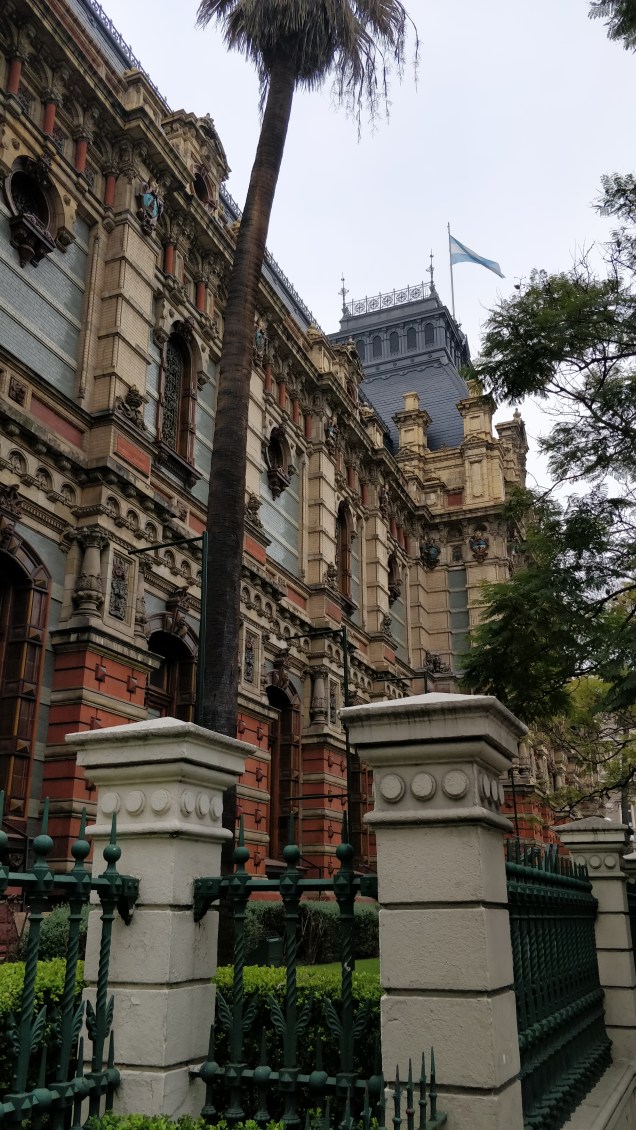
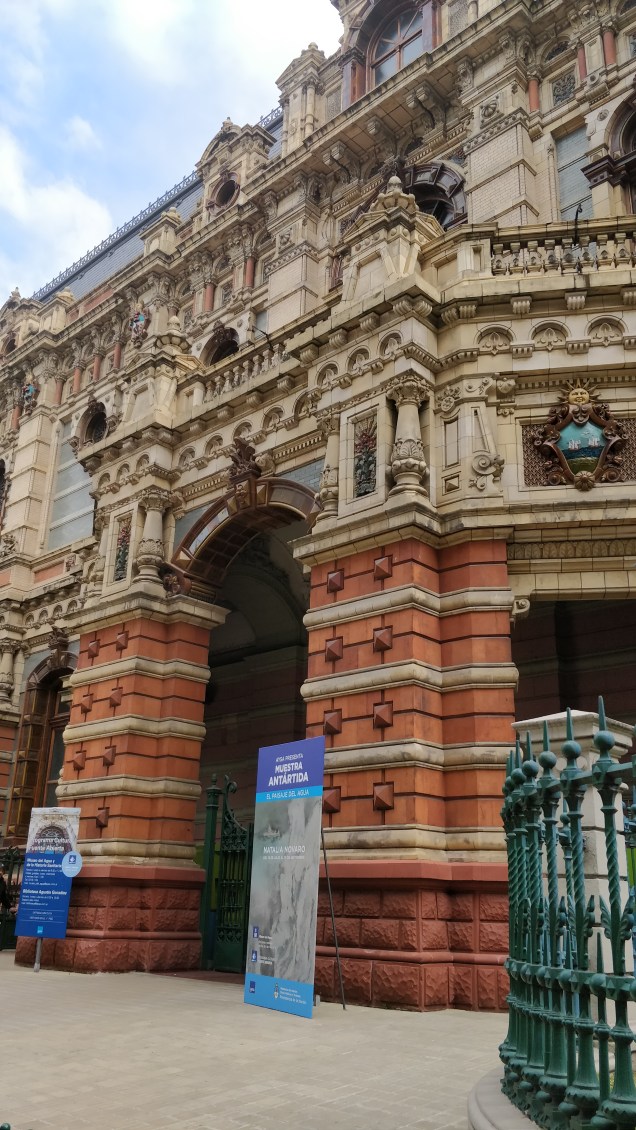
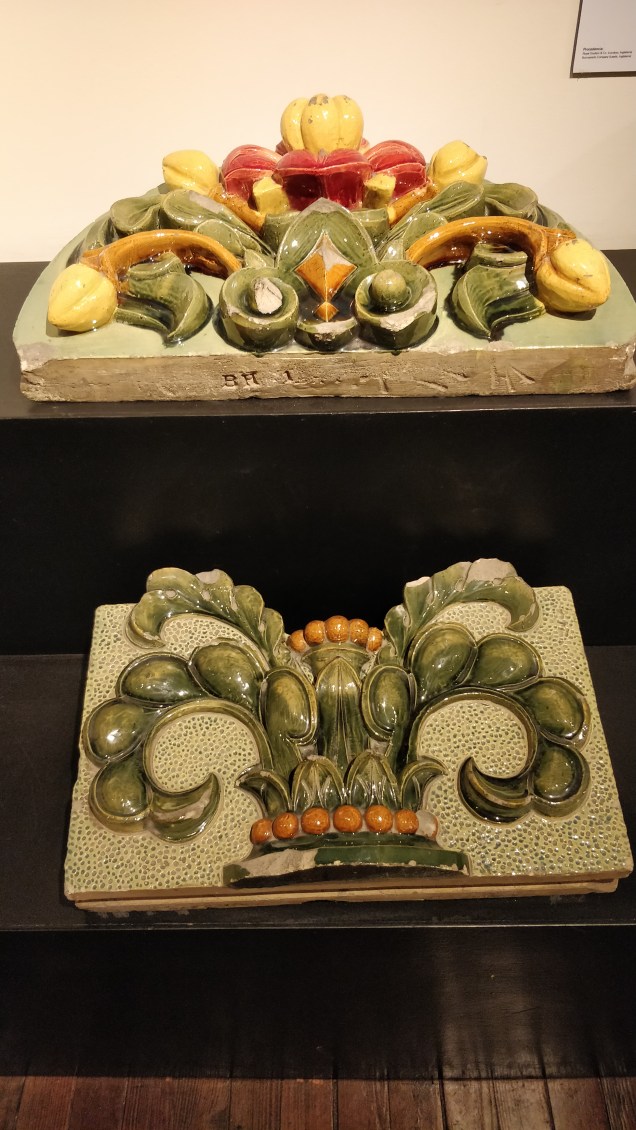
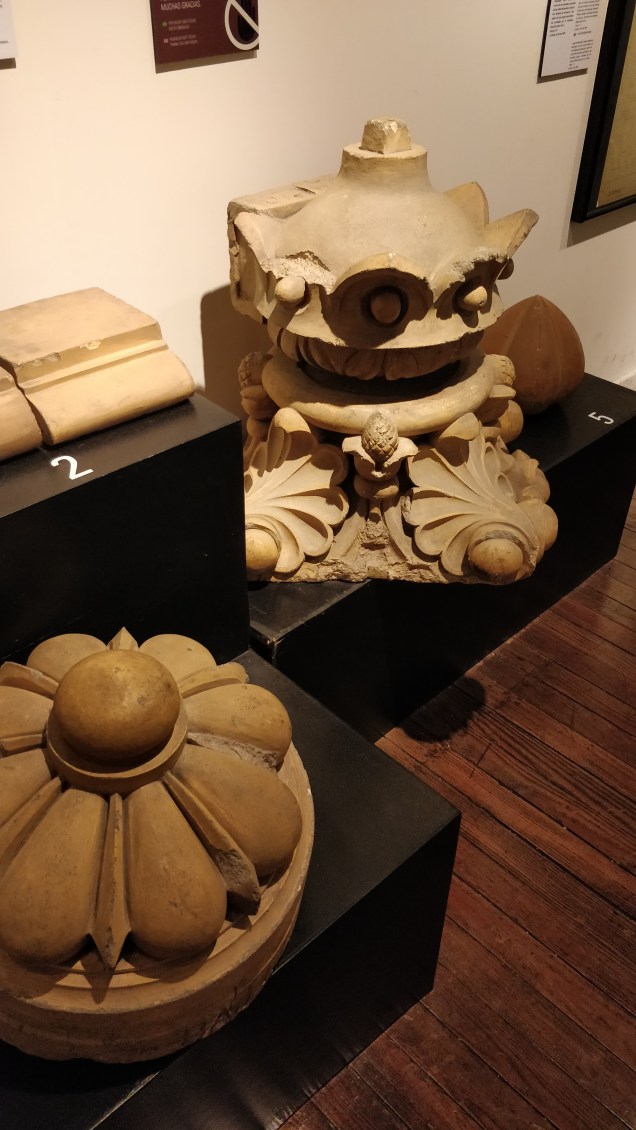
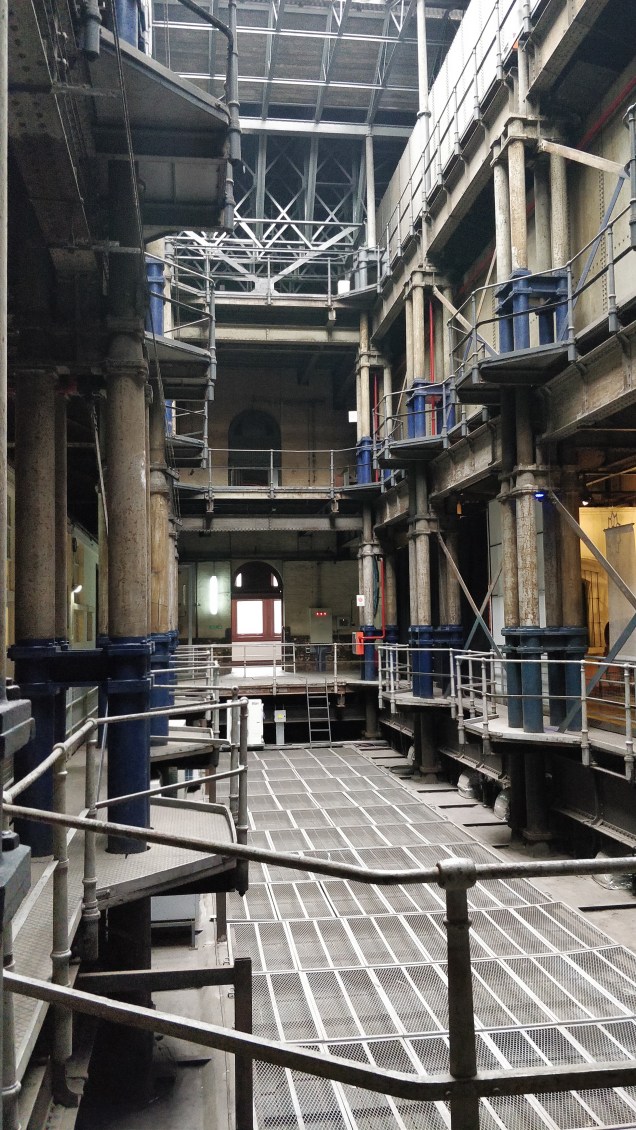
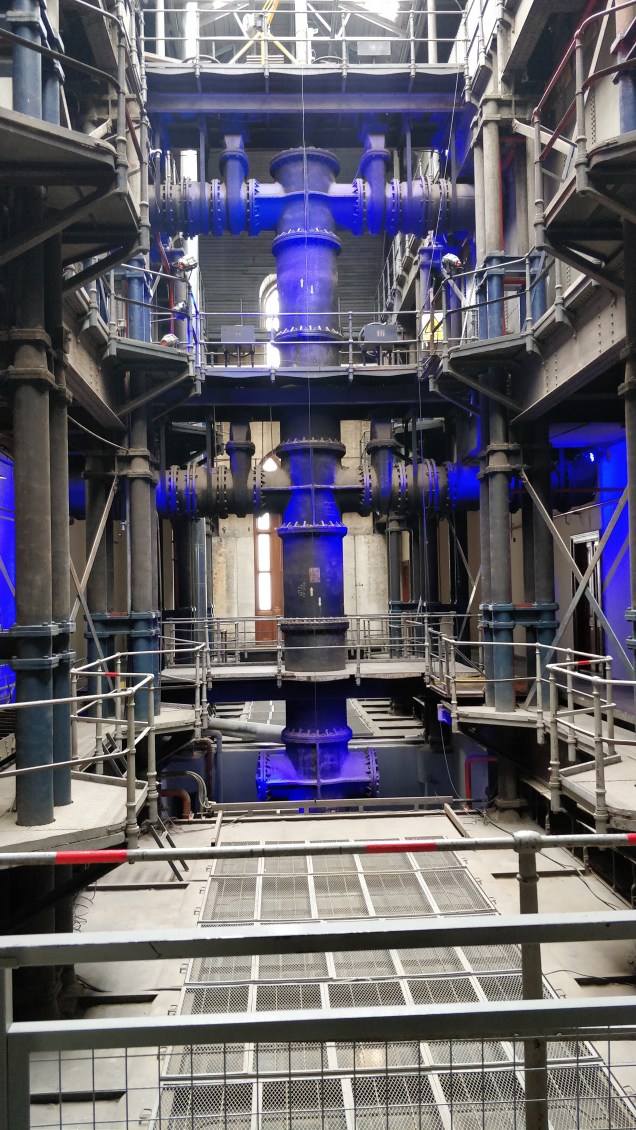
This is the Palacio de Aguas Corrientes, or Palace of Running Waters, which is incidentally the name of my future chalet. It was completed in 1894, designed to be a water pumping station. That’s right; this glorious eclectic construction of English terra cotta tiles, a French mansard roof, and polished landscaping was built to be a water tank cozy.
Makes an impressive entry for a sanitation museum.
Today, the Water Palace houses administrative offices for AySA, the state water company, in addition to the museum (and archive and library).
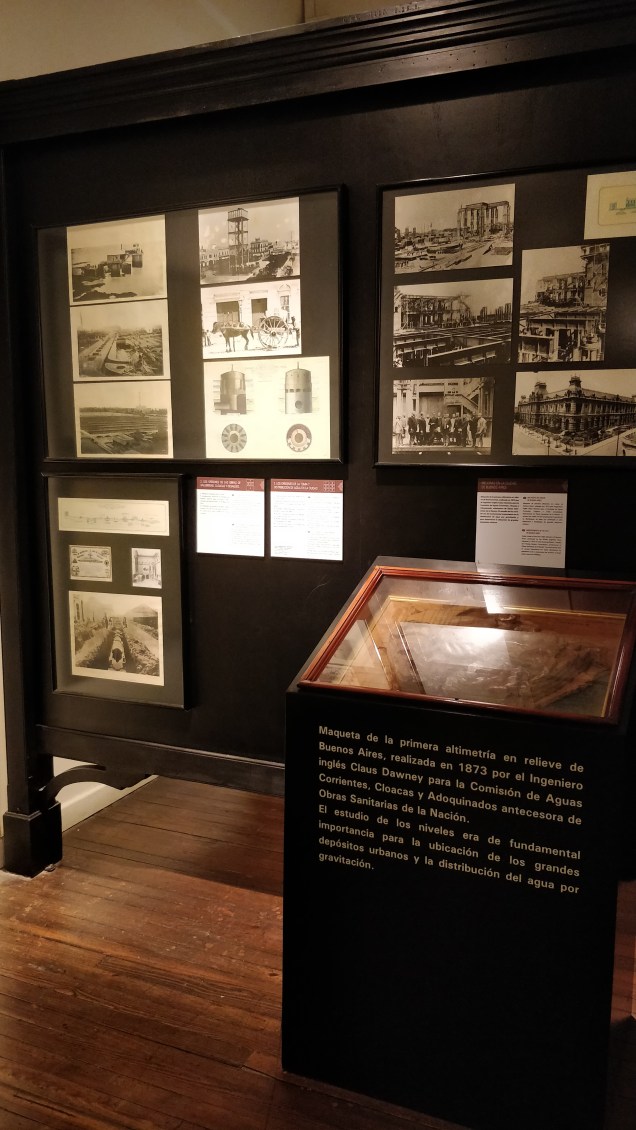
The museum devotes a good deal of its space to the building’s construction and history.
After the section dedicated to the building, there are…
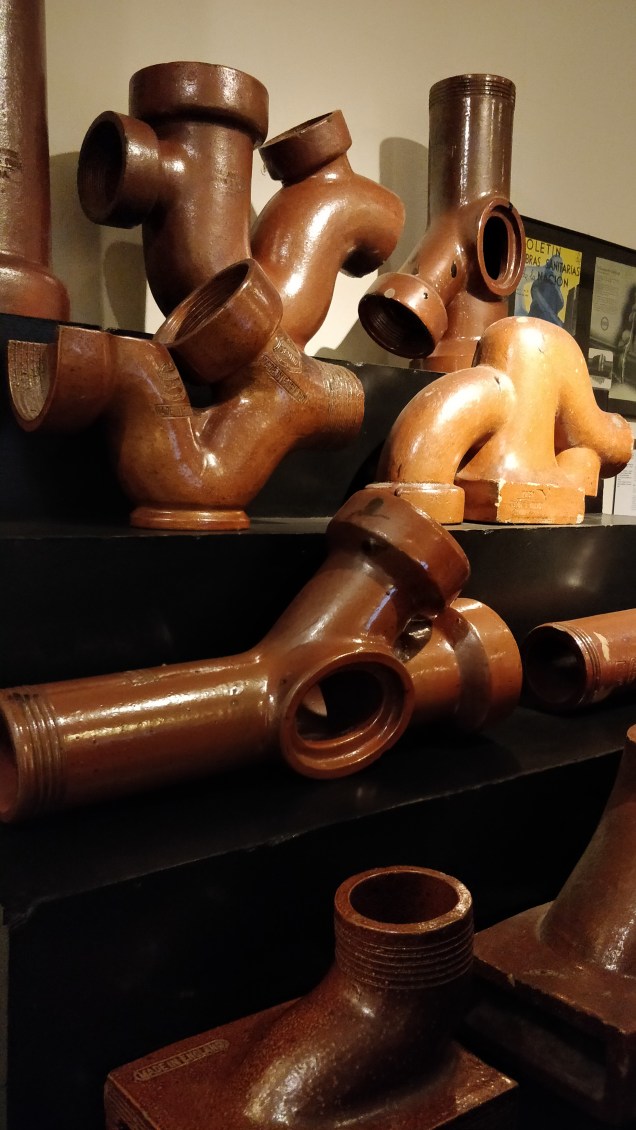
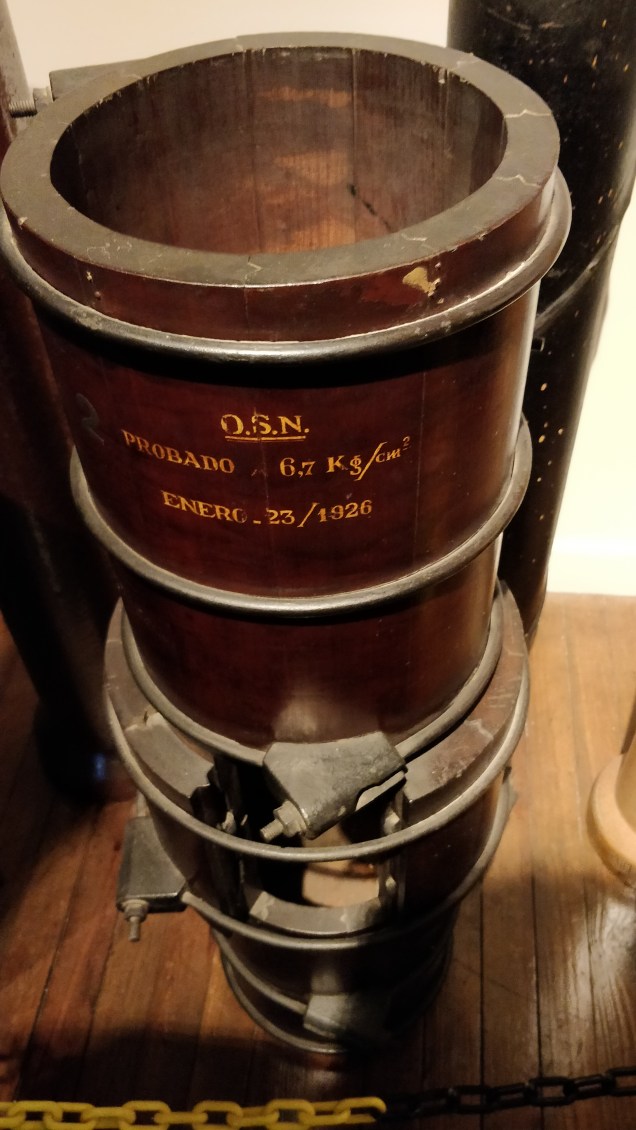
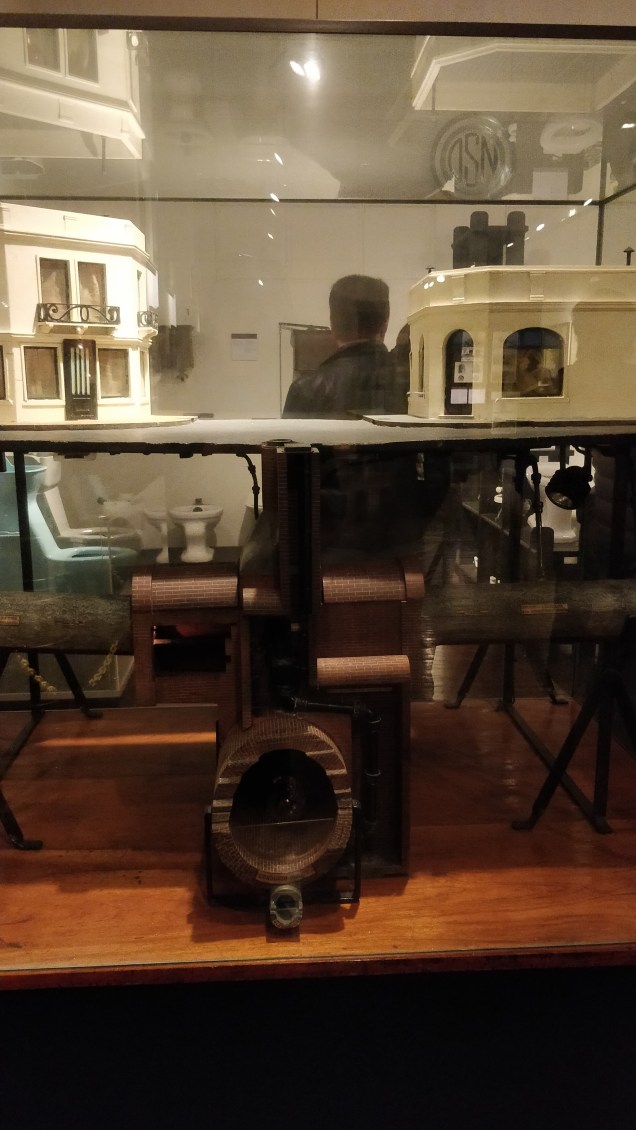
PIPES!
I’m 100% sure there is a fancy word for these that I cannot remember.This pipe is made of wood!
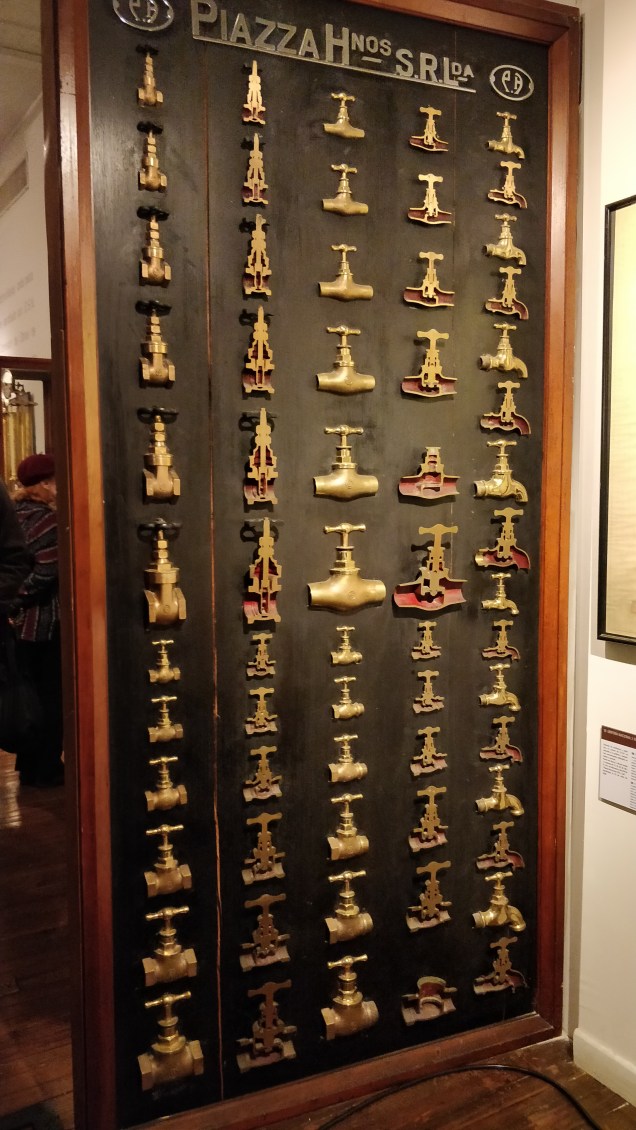
Faucets!
Not gonna lie; I do love a faucet key.
And a model of the Radio Antiguo area’s English-style drainage system, which collected storm water in addition to sewage. Not every sewage system does that, you know.
Miss me with your wastewater-only pipelines, Boca and Barracas.
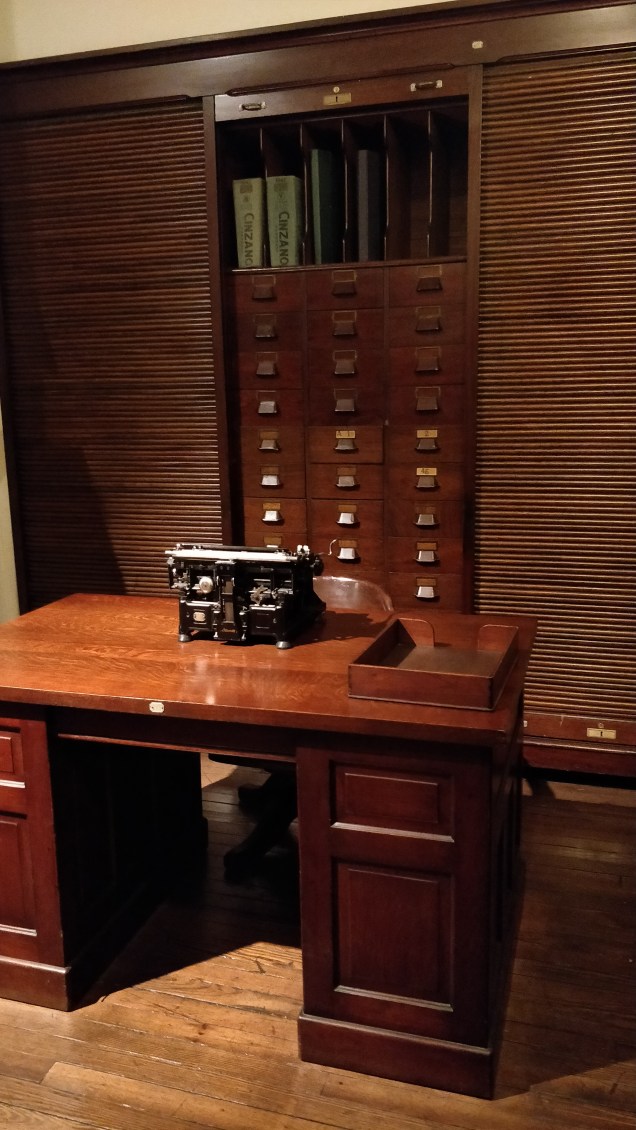
Historical artifacts of the water company (once called the Obras Sanitarias de la Nacion or OSN, no I was not kidding about the basketball team) are also in the museum. There’s an office from the 1920s-1940s era:
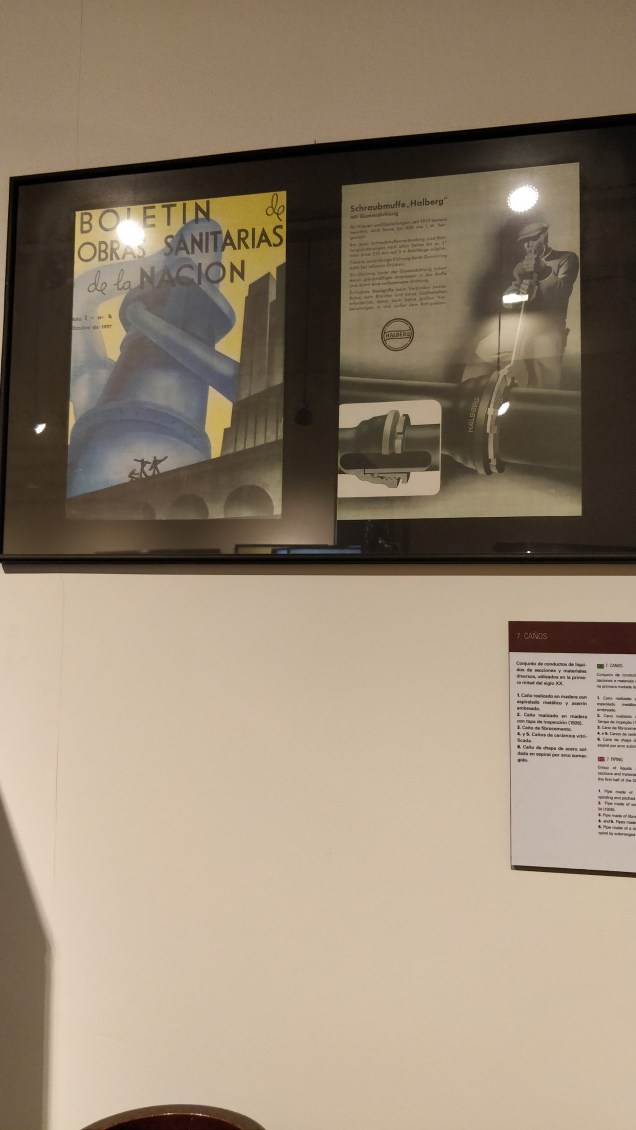
A magazine published for the nation’s sanitation workers:
I used to get a magazine from my national professional association, and I think this one is cooler.
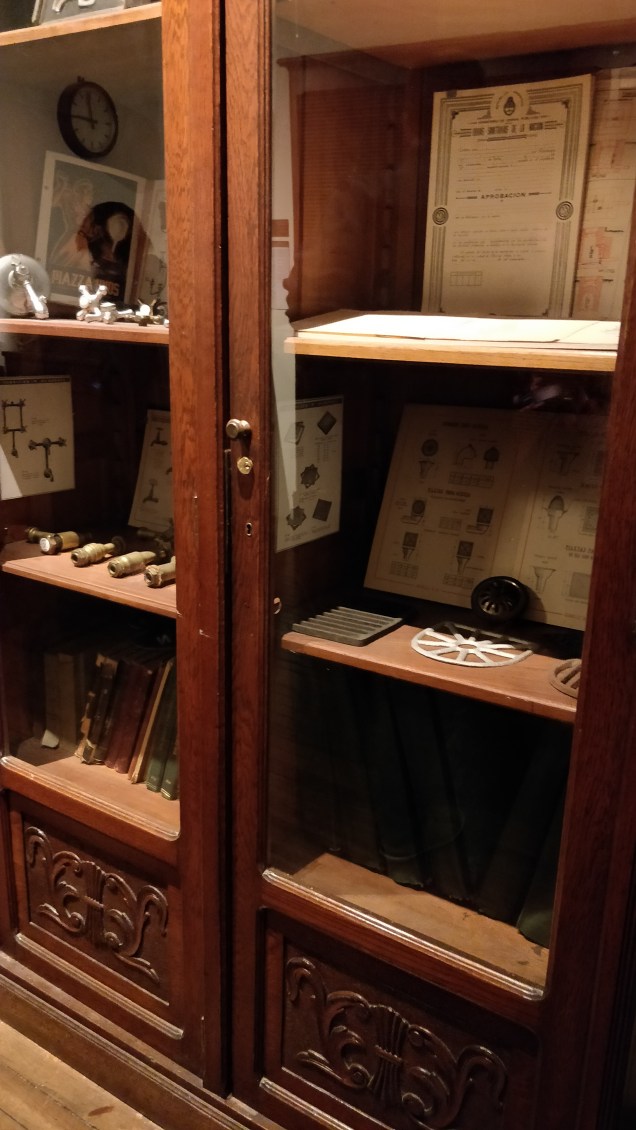
Various and sundry piping-related materials, catalogs, and certificates:
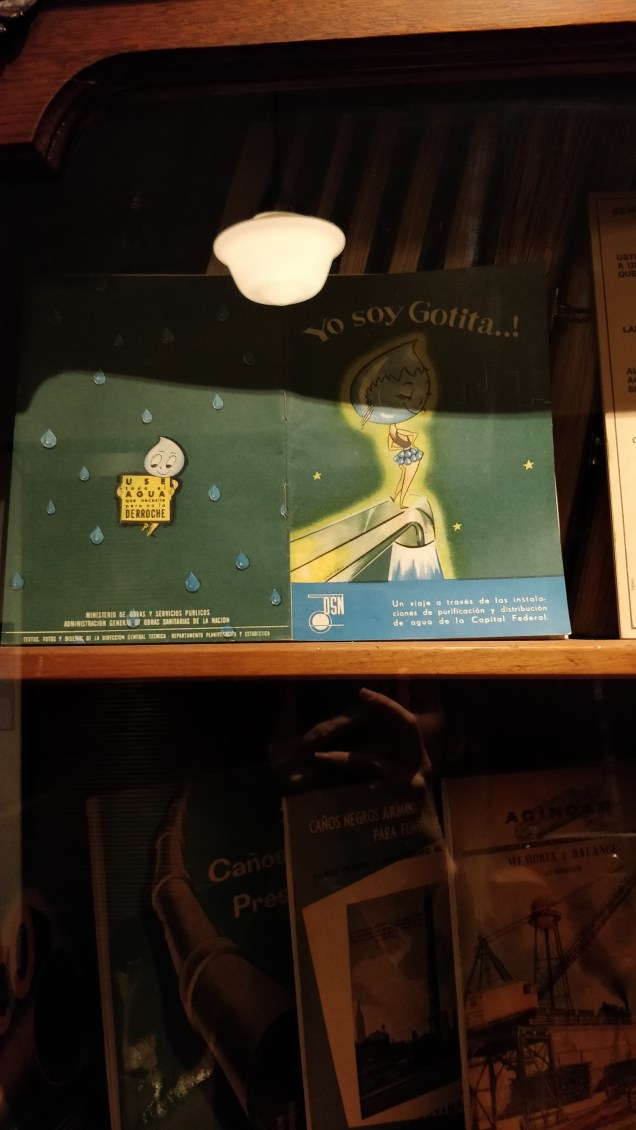
Is…is this an anatomically accurate depiction of a water drop?
But I know what you’re thinking.
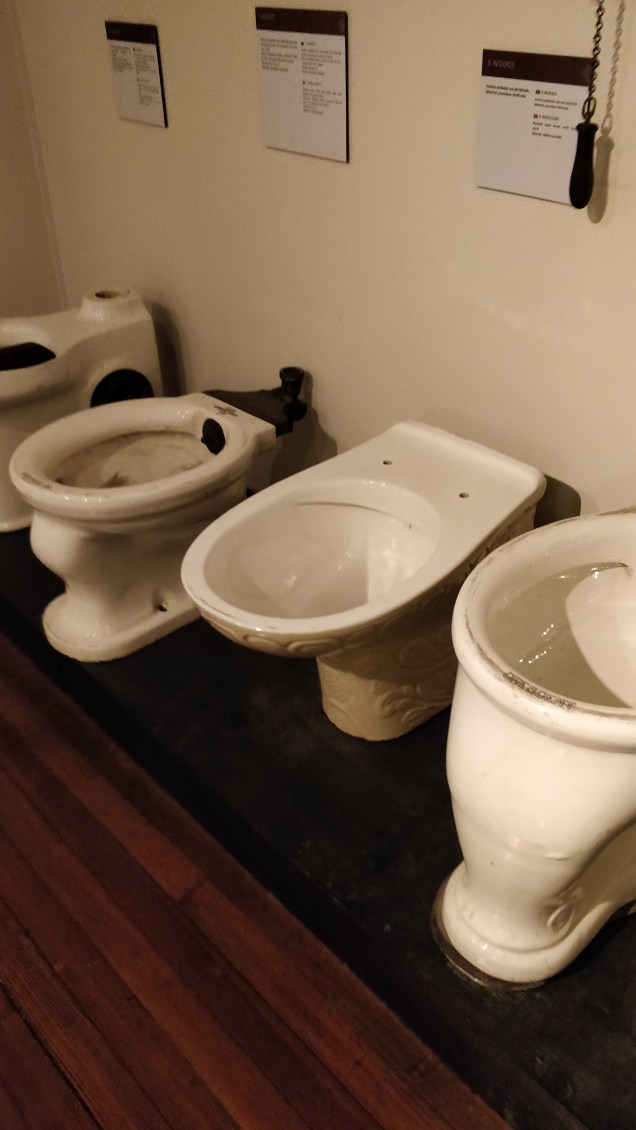
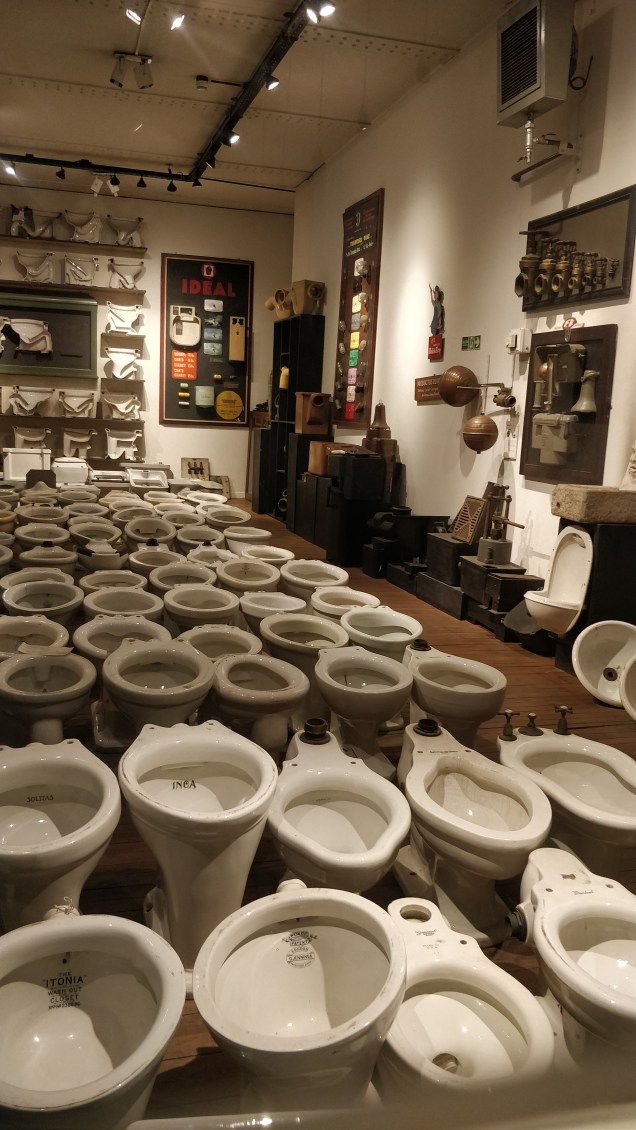
“Does this sanitation museum include toilets? Because honestly why even bother otherwise.”
Well of COURSE it has toilets.
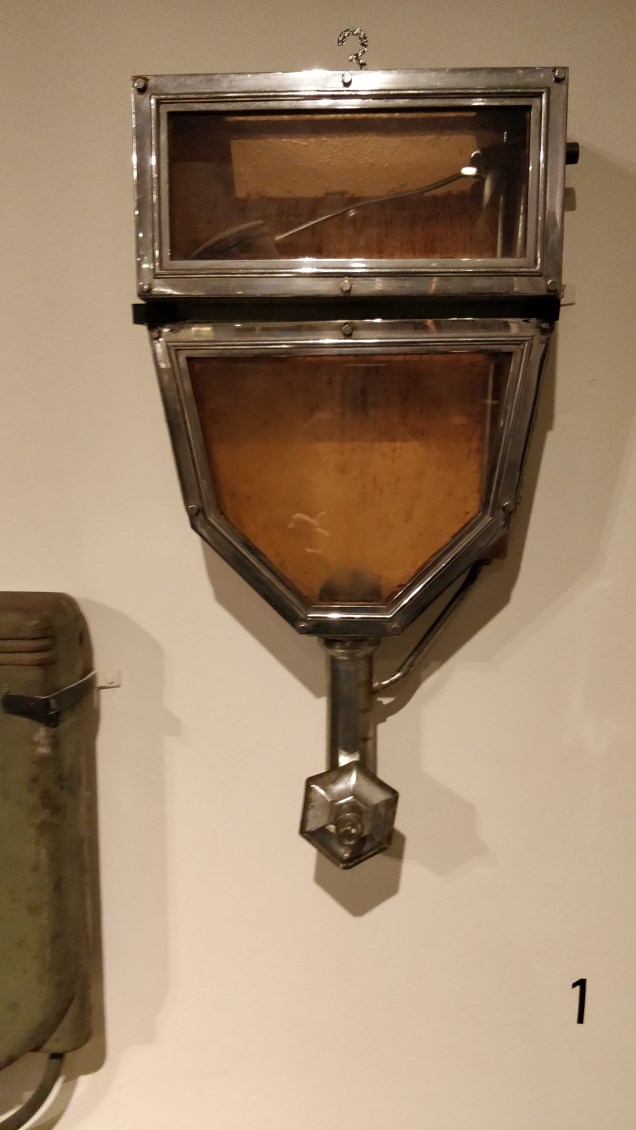
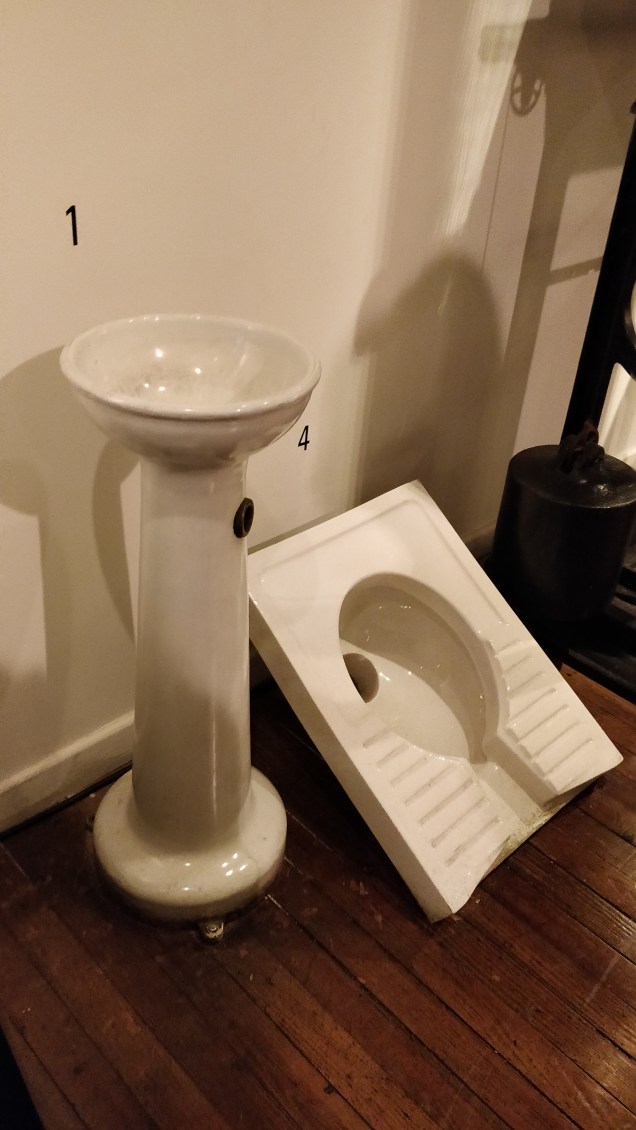
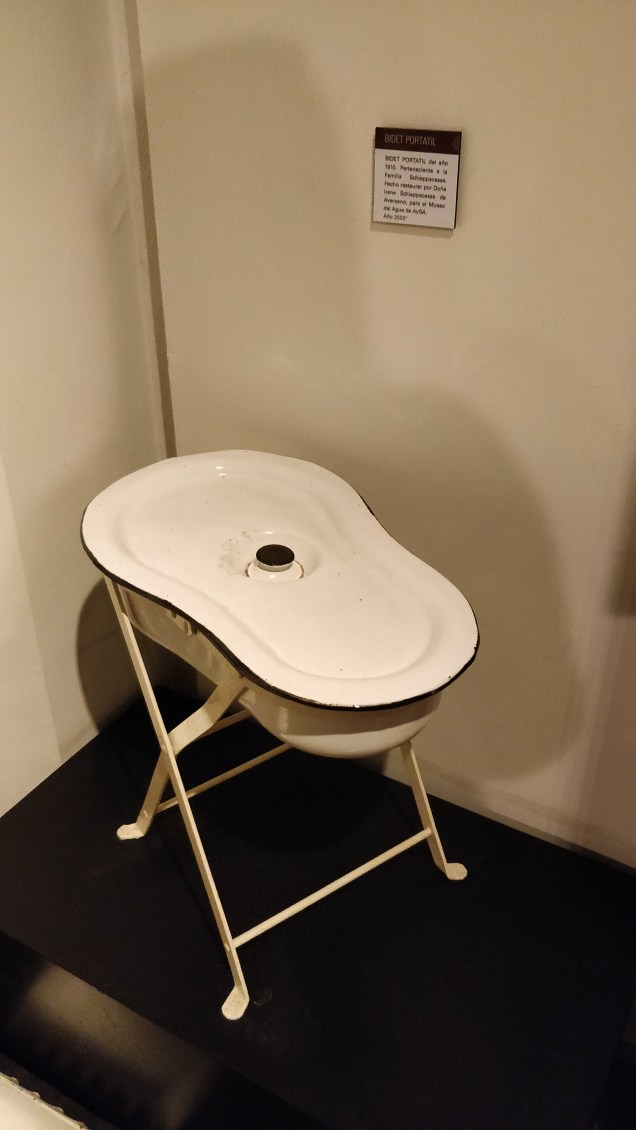
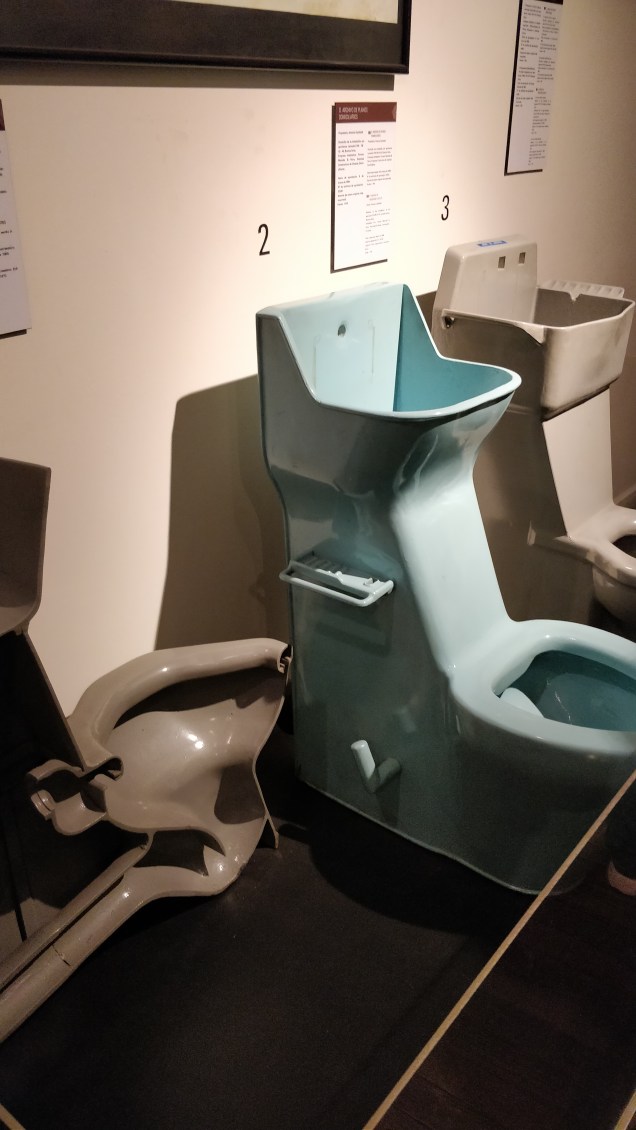
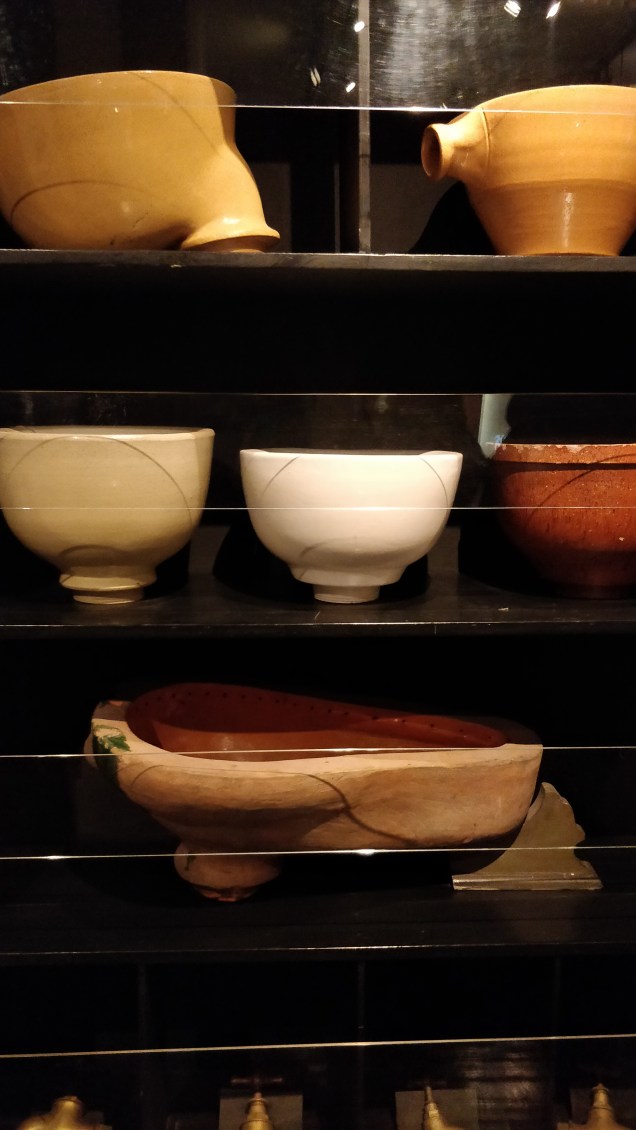
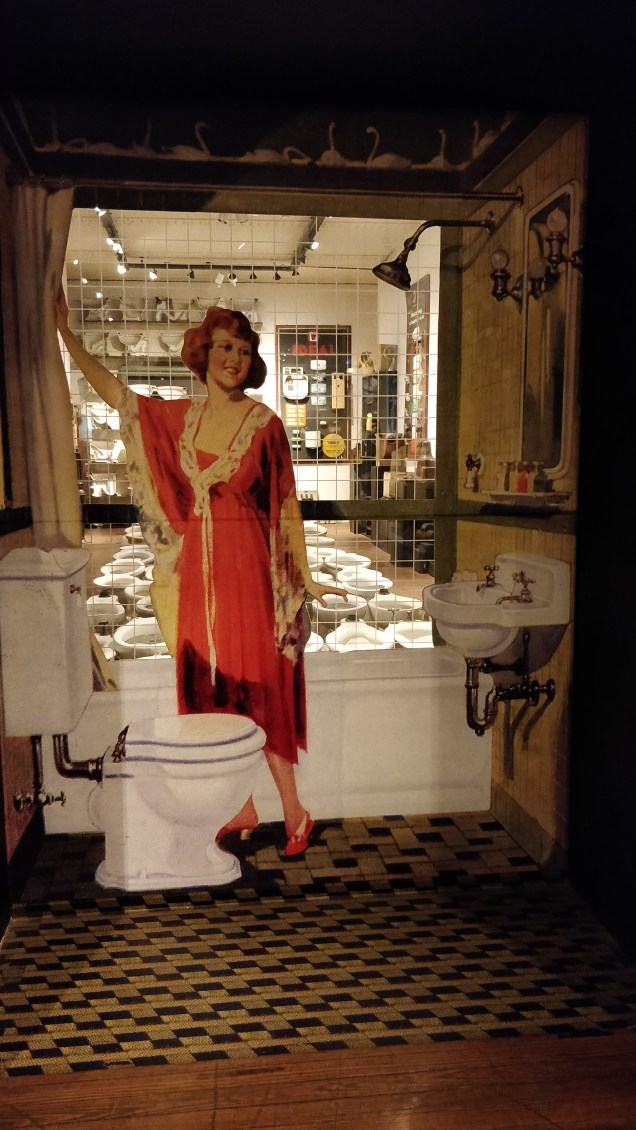
Antique toilets.Old timey toilet tank!An old sink and Turkish squat toilet.A portable bidet and good reminder to thank your lucky stars that all your butt-related fixtures are connected to pipes.Prison toilets.The sign says these toilet bowls “were a more modest alternative to the pedestal.” Which, yes. The lower one is a squat toilet from 1900.They even let you see the toilets and items that are not currently on official display.
This room is scented by an air freshener that took me a moment to place, but is in fact the most common air freshener used in public toilets in Buenos Aires. I thought that was a nice touch of ambiance.
Visitors can also see the interior of the building–the former water tanks. The space has some of the larger artifacts and photographs relating to the history of water and sanitation service in the city.
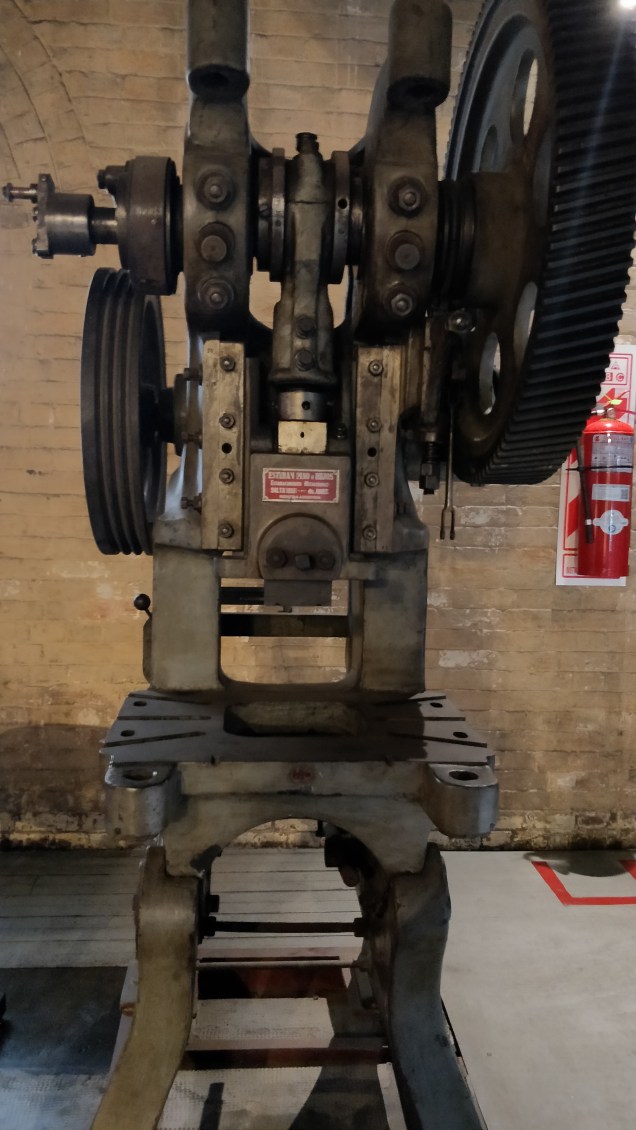
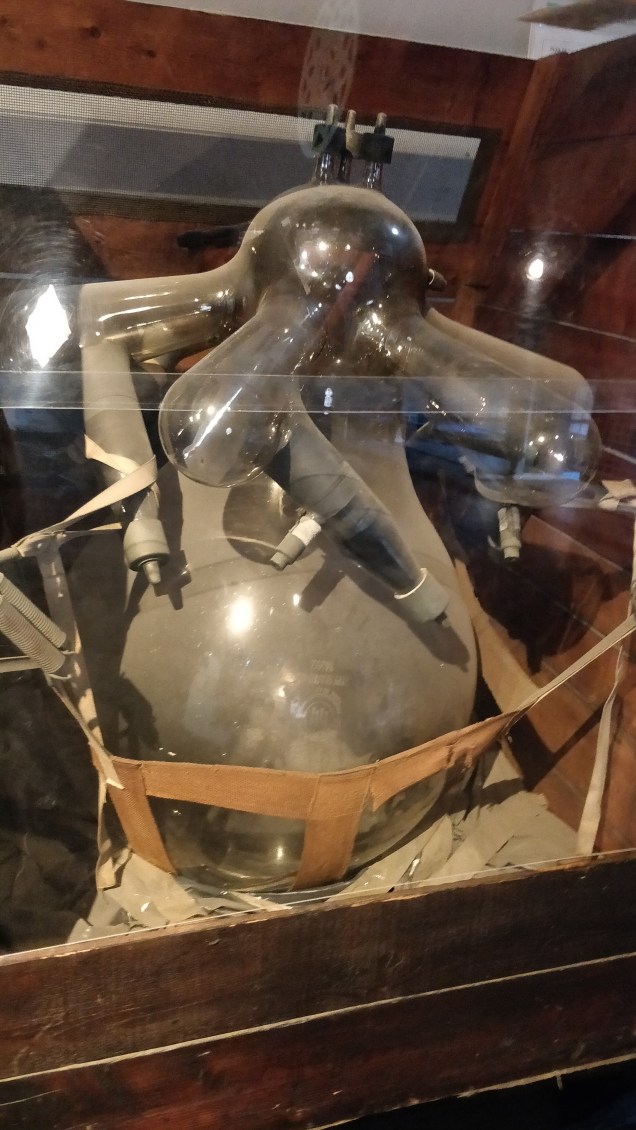
This is a 1948 mercury vapor valve, and according to the label it is a “device for rectification of alternating current into direct current.” It was used until 2000.
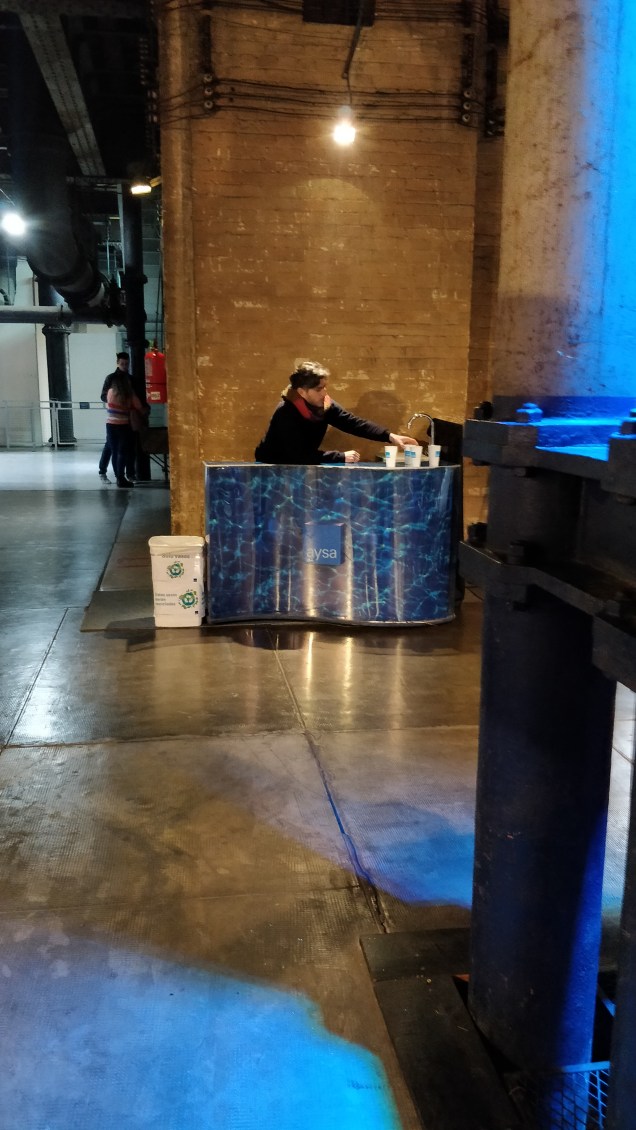
There’s a water station! If you take the tour, you can have some.
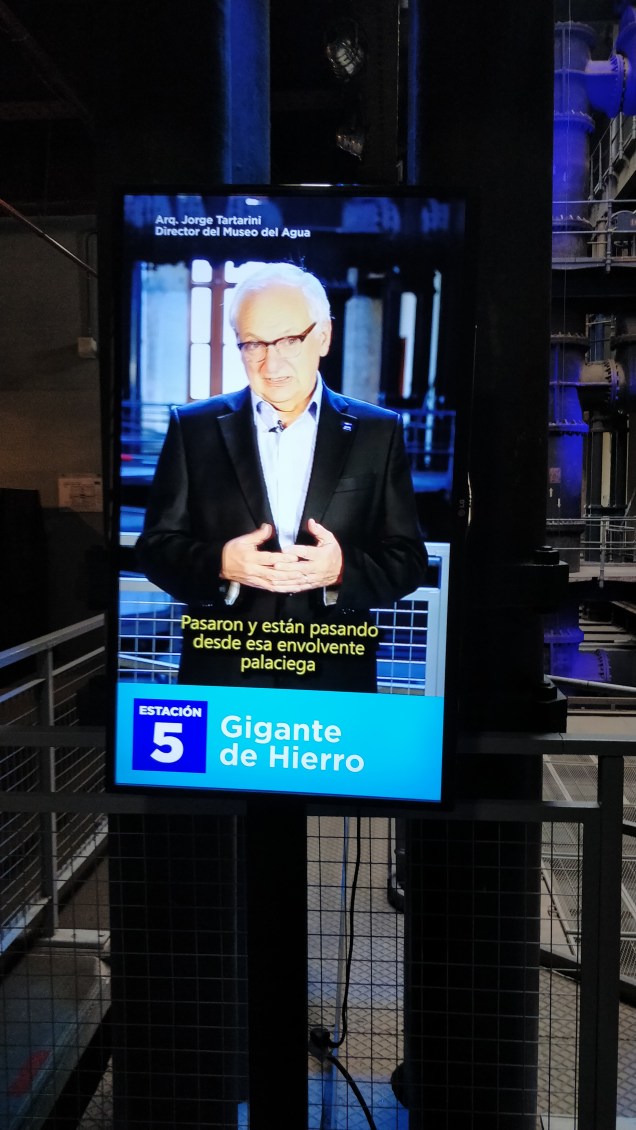
If you aren’t on the tour, there are screens with virtual guides giving short talks throughout the museum.
Are there interactive exhibits? Heck yes there are, in a manner of speaking.
Stick your faces right in!
Bonus: Currently, there is also an art exhibit on the Antarctic.
The architecture alone is worth stopping by, and if you’re already there, the museum is certainly fun and doesn’t require much time. There is also a shop! A case just outside the museum shows its wares, which include the most affordable post cards in Buenos Aires, outside of free ones. Museo del Agua y de la Historia Sanitaria is a couple blocks from the D line of the subway and open Monday through Friday, from 9am to 1pm and 2pm to 5pm. Guided visits in Spanish are at 11am on Mondays, Wednesdays, and Fridays.
I’m working at a tiny disadvantage today, as I visited the Museo Evita a couple of weeks ago and photographs are not allowed, but fortunately for potential visitors, the website is well done with a lot of information.
The English-speaking world is often introduced to her first via the musical “Evita,” which is unfortunate, as it was sourced in anti-Perónist accounts and is historically inaccurate. In any case, regardless of the facts of her life, Eva Perón is subjected to the sort of scrutiny and sneering criticism that male political figures are rarely, if ever, subjected to.
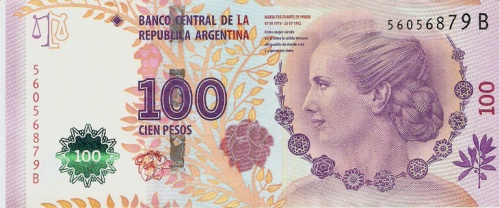
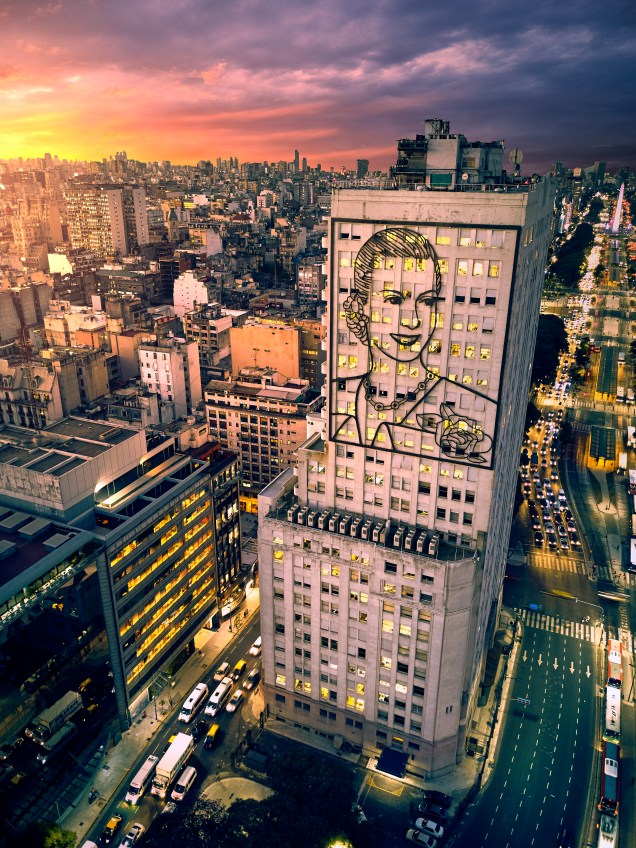
It would be difficult, or even impossible, to overstate the cultural impact of Eva Perón in Argentina (as a foreigner here, I am reminded of this Sarah Glidden comic often). She is memorialized in very large ways, including the 100 peso note…
There’s a whole other portrait on the other side. Photo by Deensel.
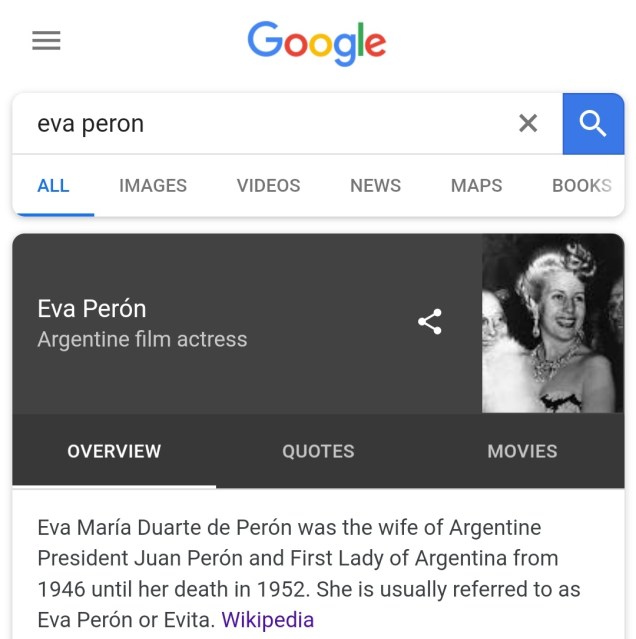
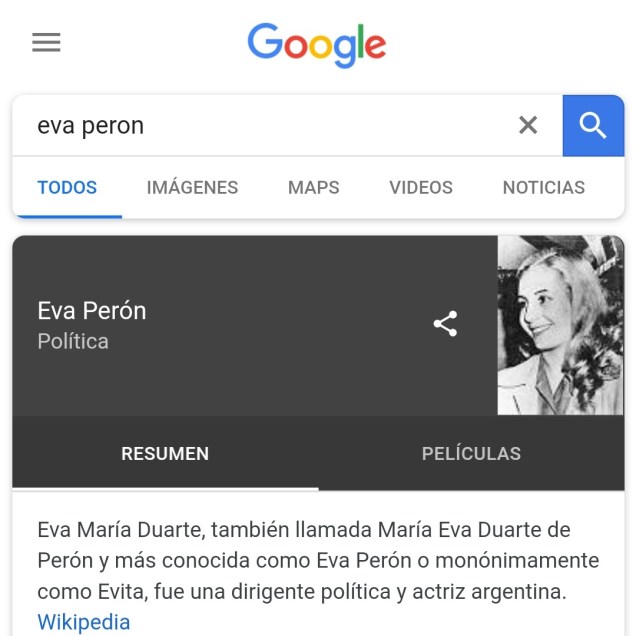
Small wonder then that the museum dedicated to her appears to be well-funded with a very engaging community presence. The vexing question of why the English-language Wikipedia identifies her primarily as an actress is perhaps a larger one.
Hmmm.
Incidentally, wanna see how she’s identified in her Latin American Google results?
HMMMMMM.
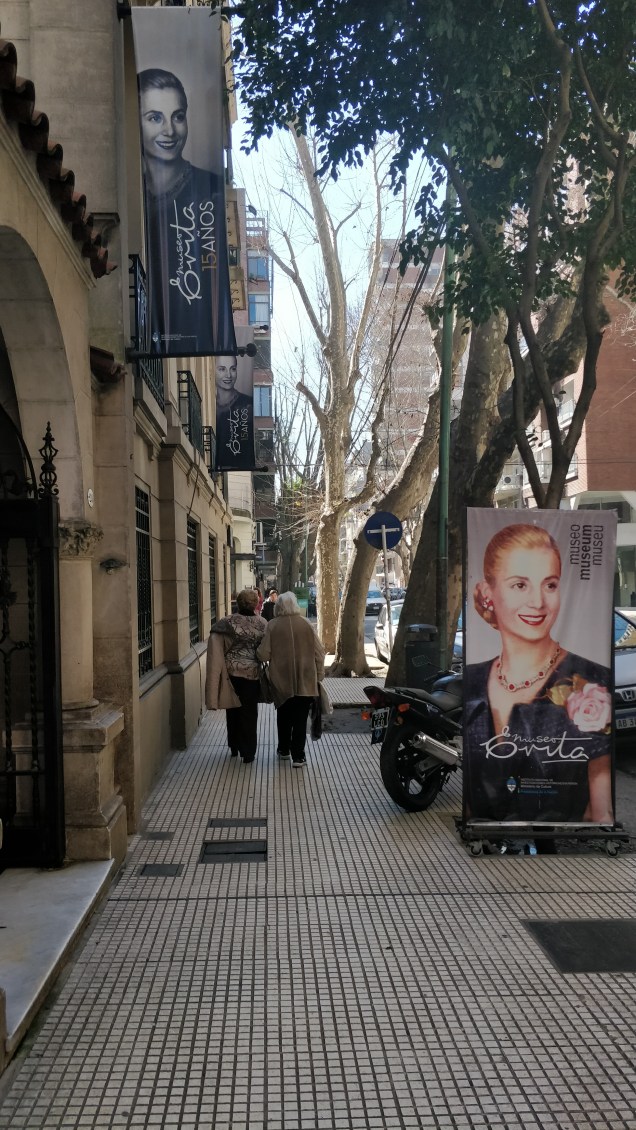
The building that houses Museo Evita and the cafe was built in the early 1900s and acquired by Eva’s social aid foundation in 1948 as Temporary Home #2, serving as a transitional support home for women and children.
Can’t miss it.
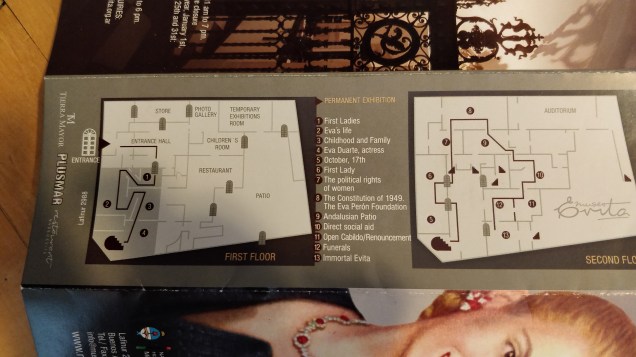
These sorts of buildings present a bit of a challenge for chronological presentation, as you can see on the map that visitors receive:
But it’s not so difficult to navigate. There are signs and an abundance of security staff to make sure visitors know where the chronology goes next. Honestly, I would not change the set up at all; who ever feels like life moves predictably?
The museum assumes visitors have enough familiarity with Argentine history to understand the context of things, and the treatment overall is kept rather light. Most of the signage is translated into English, so English speakers will not be lost. Video clips are also subtitled with English.
Since I don’t have many photos to offer, I’m going to briefly mention my biggest impressions from the museum.
The woman had an exceptional amount of hustle. Evita was born in the sticks, the fifth child in a wealthy man’s illegitimate, side family. That man abandoned her family, leaving them in dire poverty. She went to the big city at age 15 to be an actress, which had to be at least as unforgiving an industry to women in the 1930s and 40s as it is today. She worked hard and was active in her unions, helping found the Argentine Radio Association and serving as its president in 1944. Evita took no half-measures and was probably incapable of doing so.
Women’s suffrage. Evita is widely credited with driving the issue of women’s suffrage to its political fruition, legalized in 1947 and first exercised in 1951. She also organized a women’s political party. The museum has a newsreel on the women’s vote, showcasing the government’s preparation of the new voter rolls and how to vote, and featuring a scene in which an Evita lookalike argues passionately with reluctant female family members on the civic duty of women to exercise their right to vote.
I have a very specific museum postcard collection going.
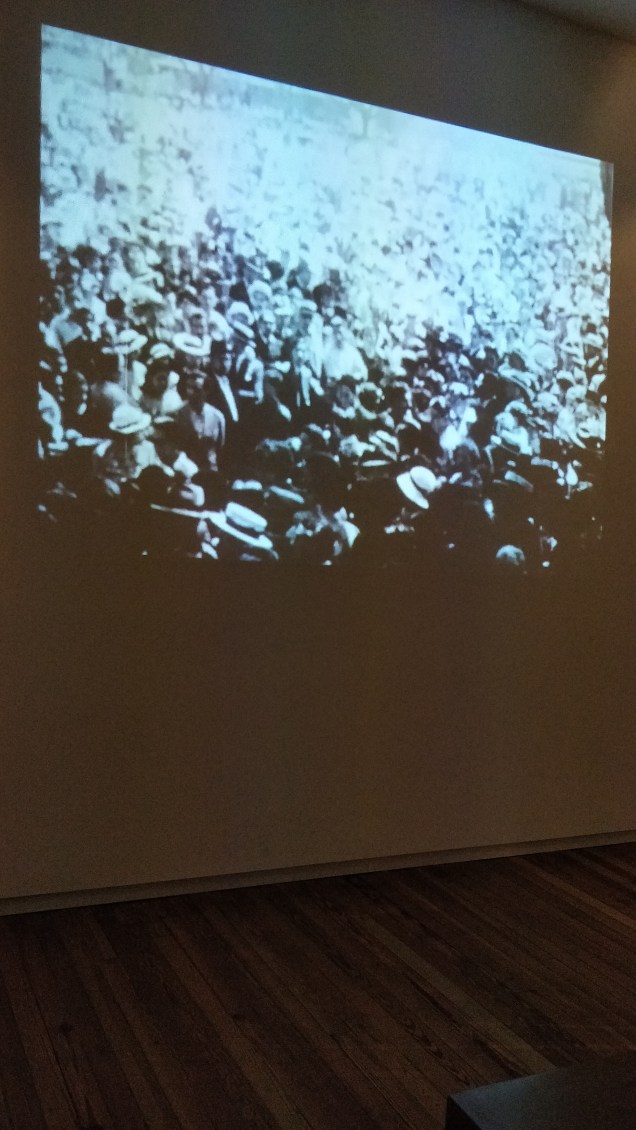
The funeral room. The room adjoining the funeral room shows a large video of the Cabildo Abierto del Justicialismo–a massive rally where the assembled people pressed Evita to accept the nomination for vice president–and the Renunciation, a radio address made nine days later where she declined the nomination (these would be among her last public acts; she would die of uterine cancer less than a year later). The visitor then turns and sees silent footage from her 14 day funeral, during which more than two million people came to pay tribute. Her voice from the Cabildo rally and Renunciation in the room behind is still heard over the funeral images, creating a moving impression of memory and legacy.
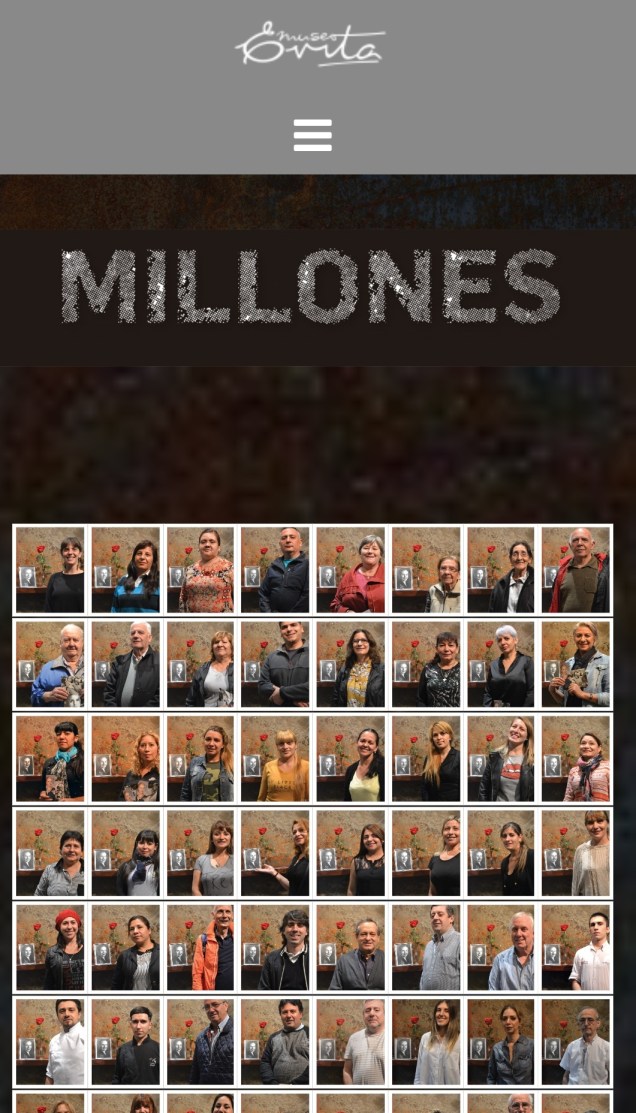
Before exiting through a nicely stocked gift shop, visitors can participate in the Millones photo project, taking a self-portrait with a photo of Evita using a mounted digital camera. I took one, but it doesn’t seem like the website has been updated in awhile.
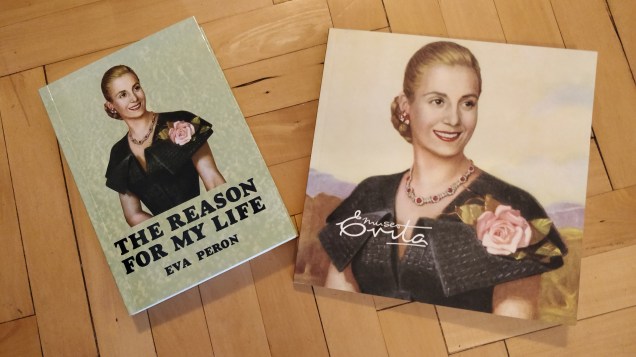
Finally, I had some fun in the swag room, where I picked up the museum guide and the lady’s autobiography.
At 180 pesos (at the time, anyway; about US $6), it’s one of the more expensive museums I’ve been to. But it is certainly worth a visit! It’s easily accessible via the D line of the subway, and is very close to the botanical gardens. The cafe is really nice, too.
Currently, there has been a lot of protesting around public education, the lack of funding, and the teachers’ and professors’ terribly low pay, so I will be making an effort to visit the museum network of UBA. The Museum of External Debt is the second one I’ve posted on.
•••
One of the consequences of growing up middle class in the USA is a general sort of insulation from macroeconomics. At least for me, there just wasn’t an awareness of what went on at the national level. Part of that was childhood, sure, but I don’t think you really find economic turmoil that really disrupts the political institutions of the US after the Industrial Age–and really, not *that* disruptive.
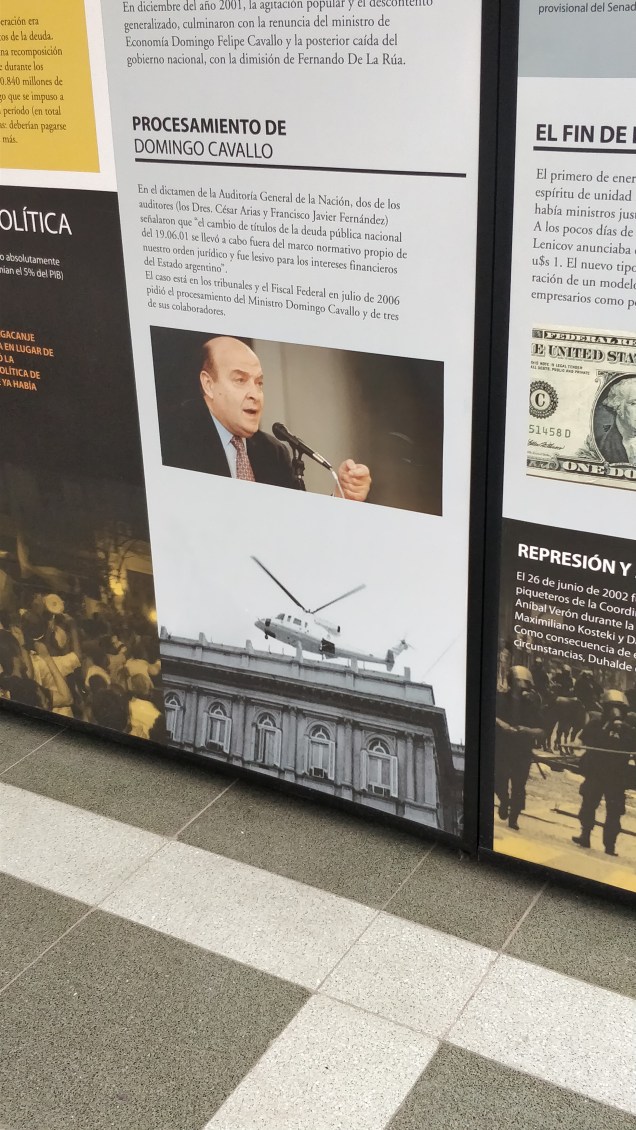
You don’t have to go back very far to find that kind of chaos in Argentina. You can see damaged door handle of a bank in the post on the Banco Cuidad museum. There were riots, police brutality, dozens killed, and an iconic image of the president fleeing the Casa Rosada in a helicopter.
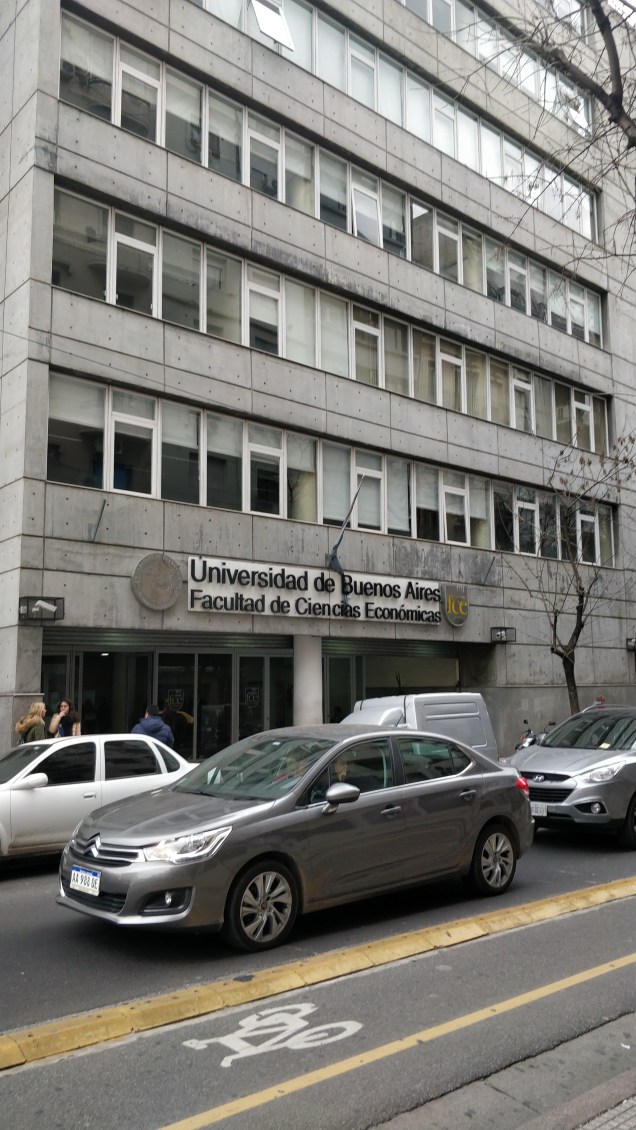
Against that backdrop of economic chaos in 2001, students and professors in the Universidad de Buenos Aires’s economics department began to discuss a museum on Argentina’s external debt. In 2005 the museum display opened at its first location. It is currently located within the economics building of UBA, and it has a travelling version and also a healthy online presence.
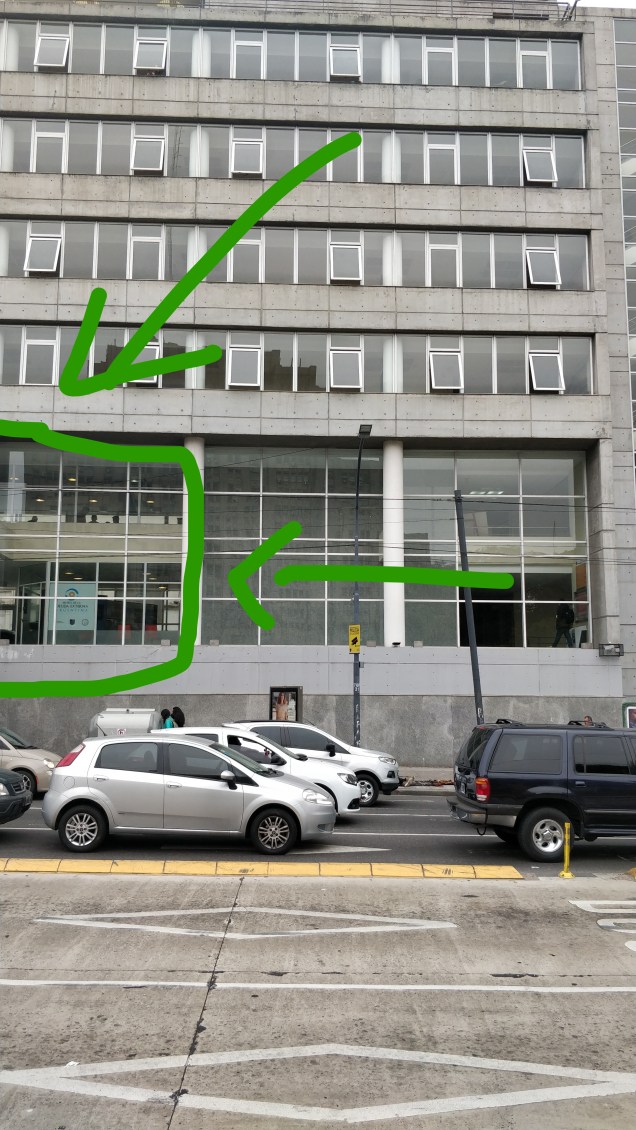
It’s tucked into the first floor, and you can it through the windows on the other side of the building.
The physical space of the museum is just the one exhibition room. And it is basically a room-sized pamphlet. It is all text and photos. None of that text is in English. But, an English audio tour is available if you ask at the desk. There’s a pretty slick booklet about the museum available, with text in four languages: Spanish, French, Italian, and German. Haha.
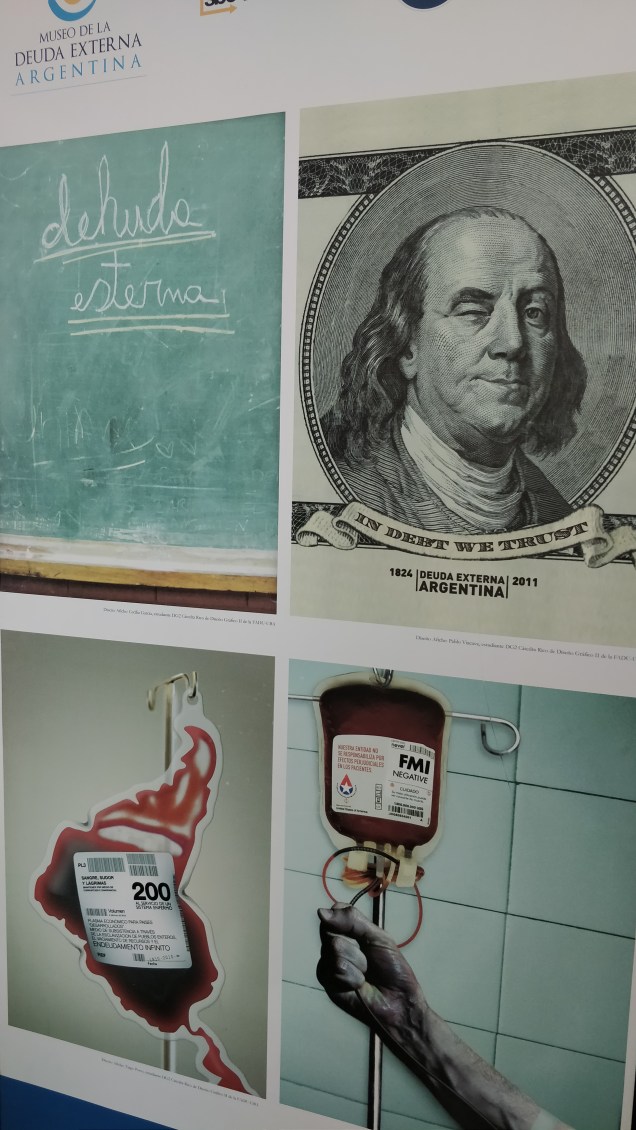
These are postcards that were designed at UBA’s architecture, design and urbanism department, for the museum, and they are pretty eye-catching.
If your Spanish kinda sucks, you are definitely going to want the English audio tour. It doesn’t read the displays word for word, but it gives you a solid idea of what’s there, and it’s simple to follow along.
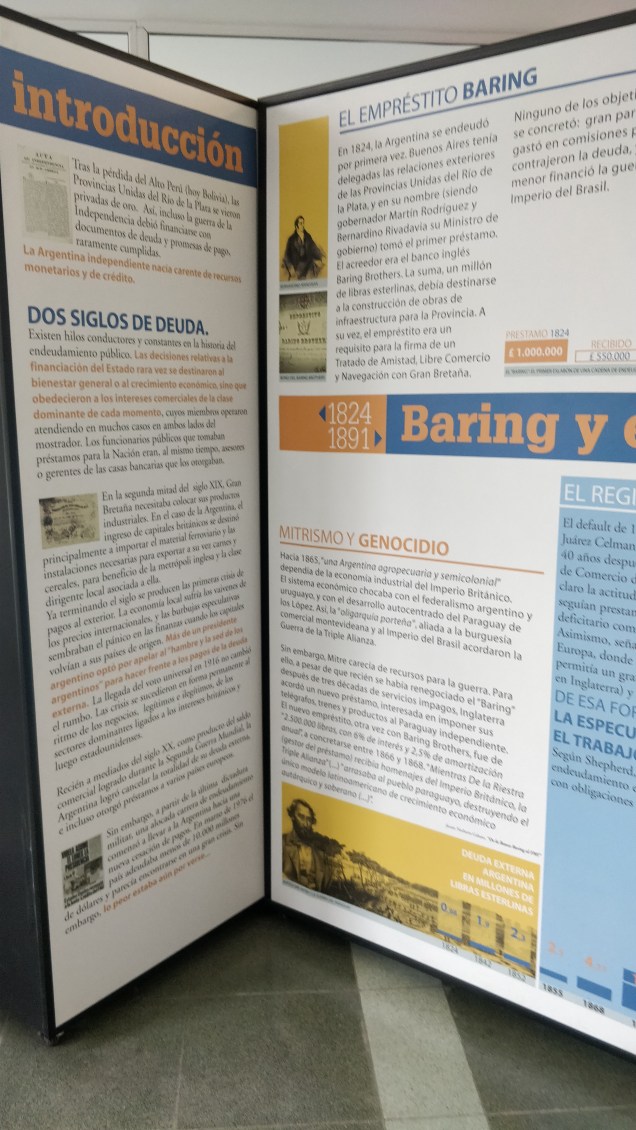
There’s plenty to parse on the disastrous war of the triple alliance against Paraguay, but there are two things widely agreed on: 1) Argentina owed Great Britain money, and 2) Great Britain made out pretty well as a result of the war.
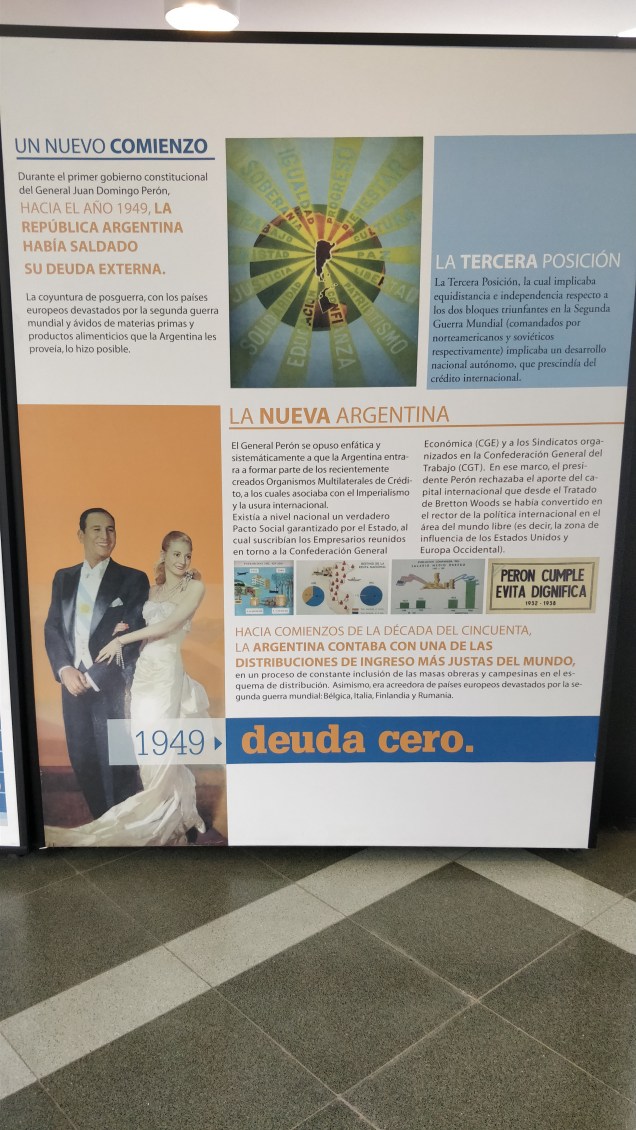
In the interest of national sovereignty, paying off external debt was a priority during Perón’s first term.
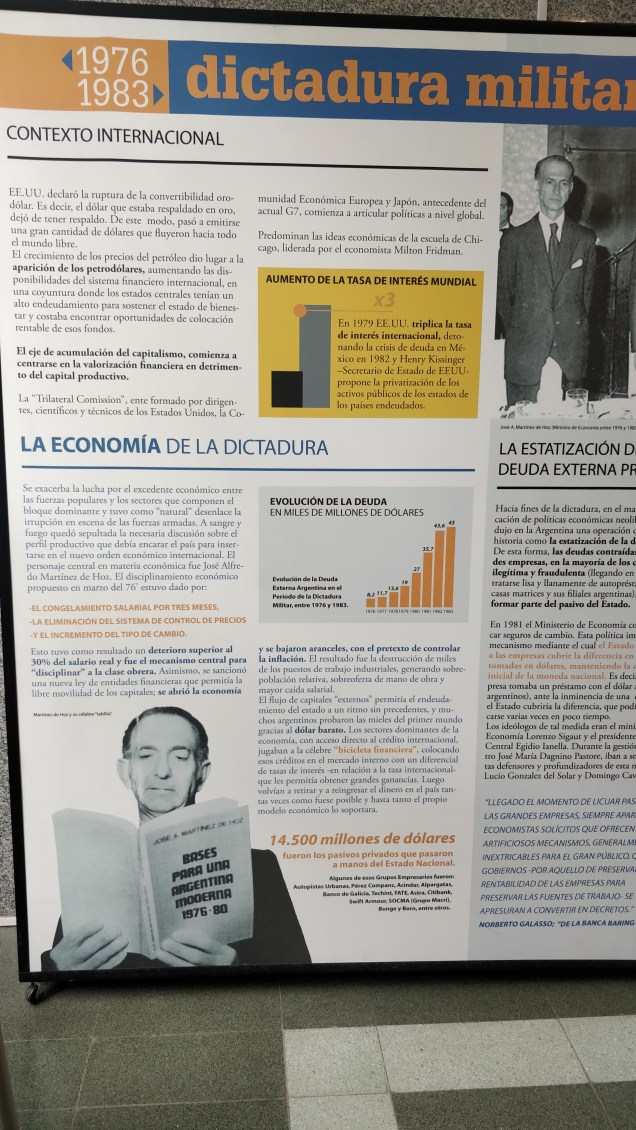
The history of Argentina’s foreign debt is sketched out, along with the problems the debt (and whatever attending corruption came with it) contributed to for the population of Argentina. Things get super ugly, as things do, during the military dictatorship of the 70s/80s.
The debt gets very huge and the economy tanks, but the population can do very little about macroeconomics when the leadership is actively murdering opposition.
Argentina has really been in a state of economic crisis or at least crisis-adjacent ever since. Being unable to untangle itself from a considerable foreign-held debt has had some pretty crippling effects, and addressing the problems has been insanely complicated.
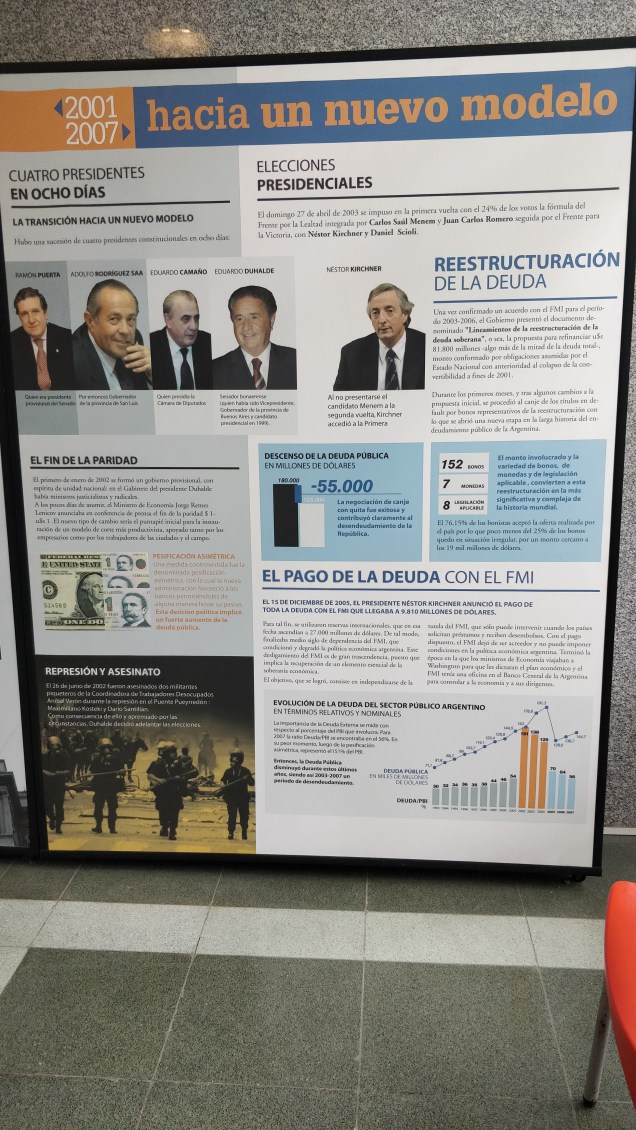
Economic collapse and a president evacuated from the Casa Rosada by helicopter. NOT IDEAL.The next four guys came and went within EIGHT DAYS.
The museum ends with the economic policies of Néstor Kirchner and the restructuring of the debt. Wish I could say it stops in 2007 because everything got super rad after that, but alas. As of this posting, Twitter is flush with memes by Argentines laugh-crying their way through the latest plunge of the peso.
Comics and Debt
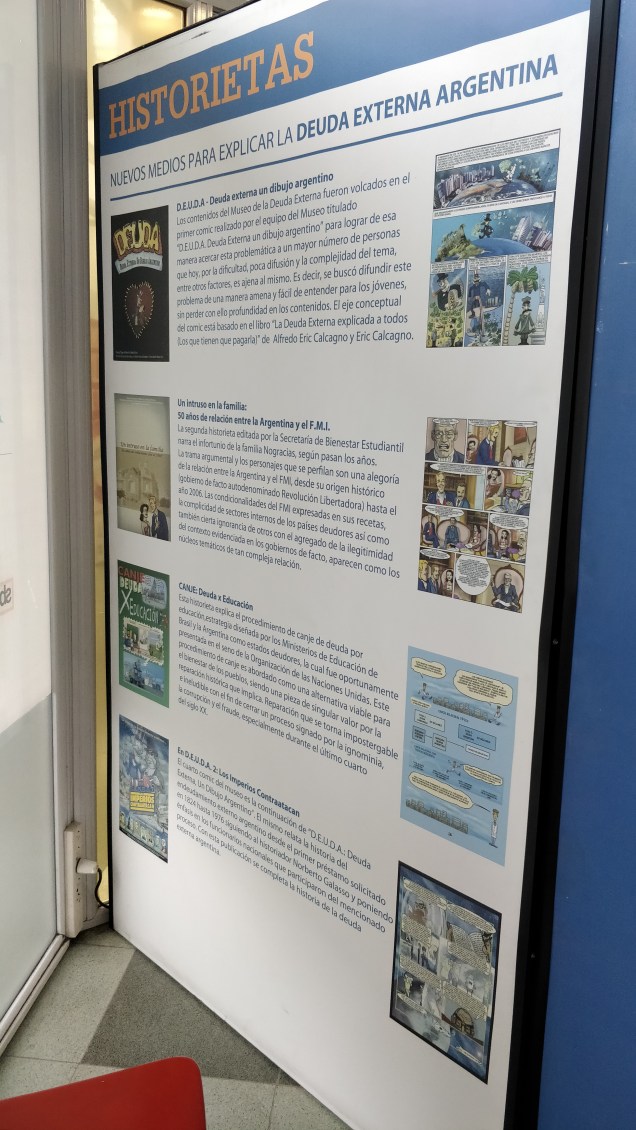
The museum has created a heck of a lot of sophisticated supplementary materials, including four entire comic books and a board game (you can read the comics online for free here). There is a documentary. There is a cartoon miniseries. There is a stunning array of media available on the topic.
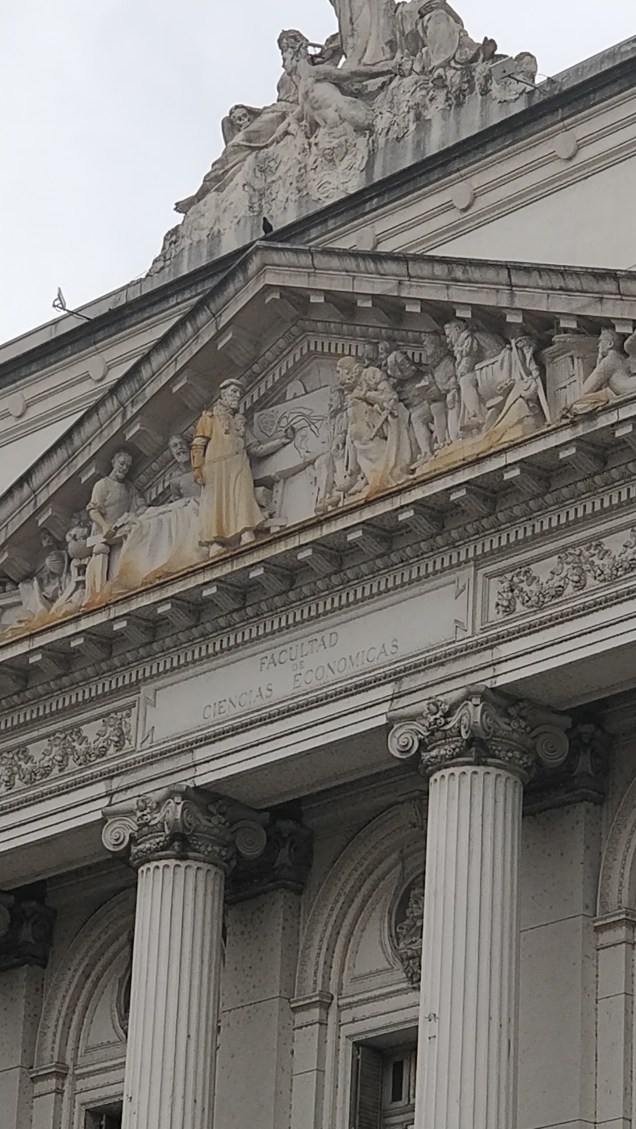
The museum is open from 9am to 9pm, Monday-Friday, and it’s free. It’s across the street from the Facultad de Medicina stop on the D line of the subway. If you aren’t near enough to visit, the website is quite robust, so you can absorb it from afar. As a bonus, unrelated factoid, if you look at the top of the economics building, you’ll see a medical scene, as the building was originally the medical school.
“Today, we will be conducting the autopsy of the economy of Argentina…”
So what will you find in a glorious exposition dedicated to meat, that most Argentine of culinary indulgences?
HISTORY!
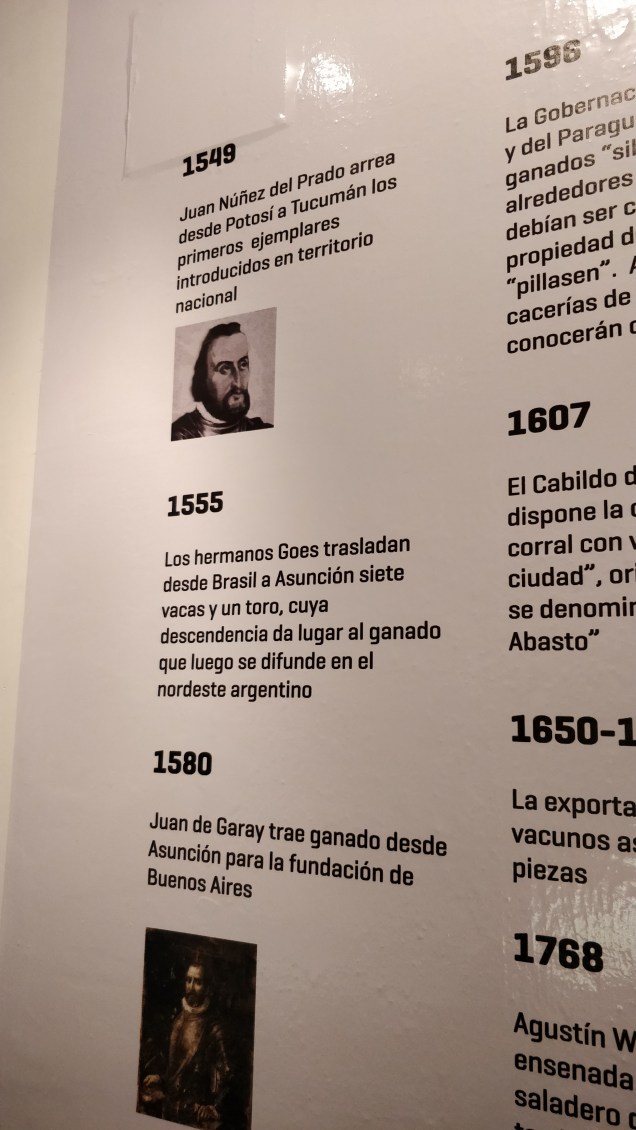
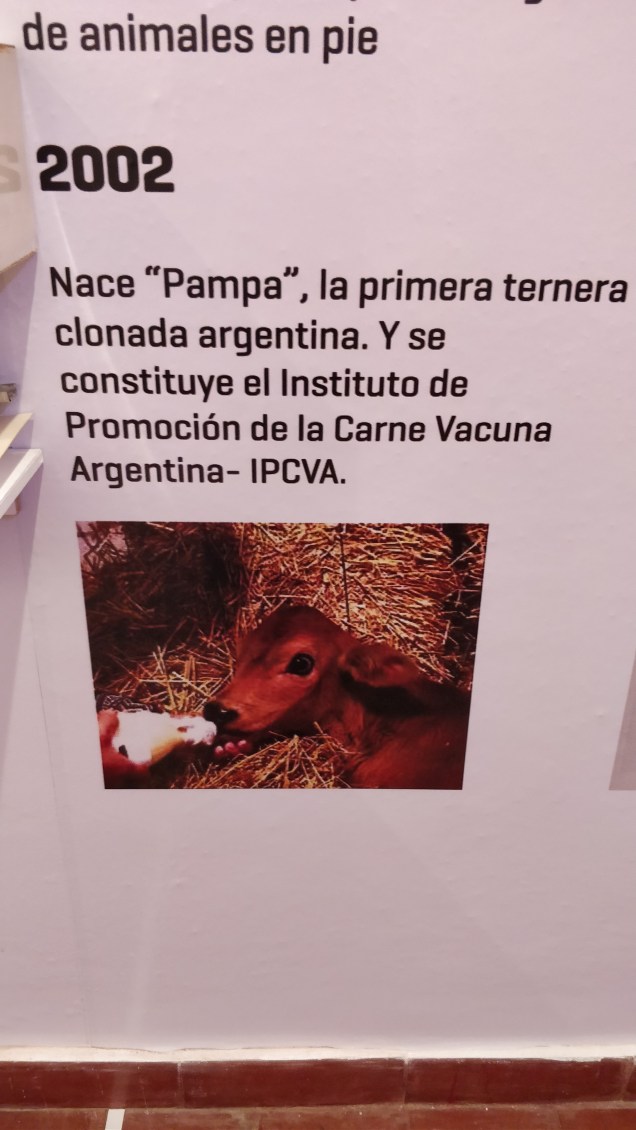
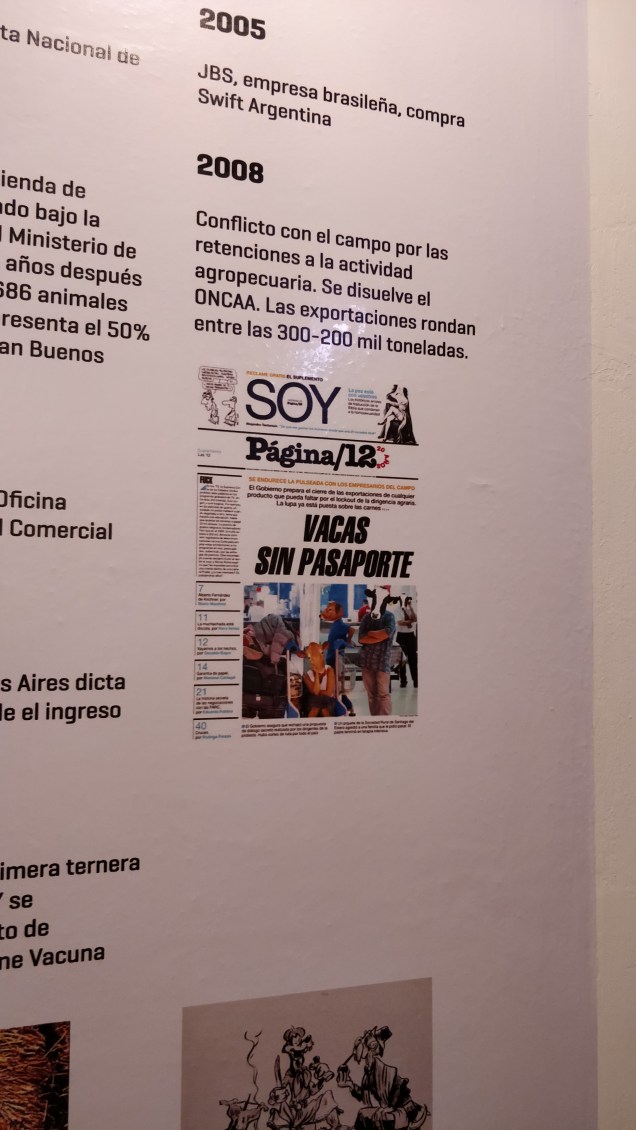
A TIMELINE OF BEEF: The first cows arrive in 1549!2002: The first Argentine cloned calf is born!2008: Political machinations affect beef!
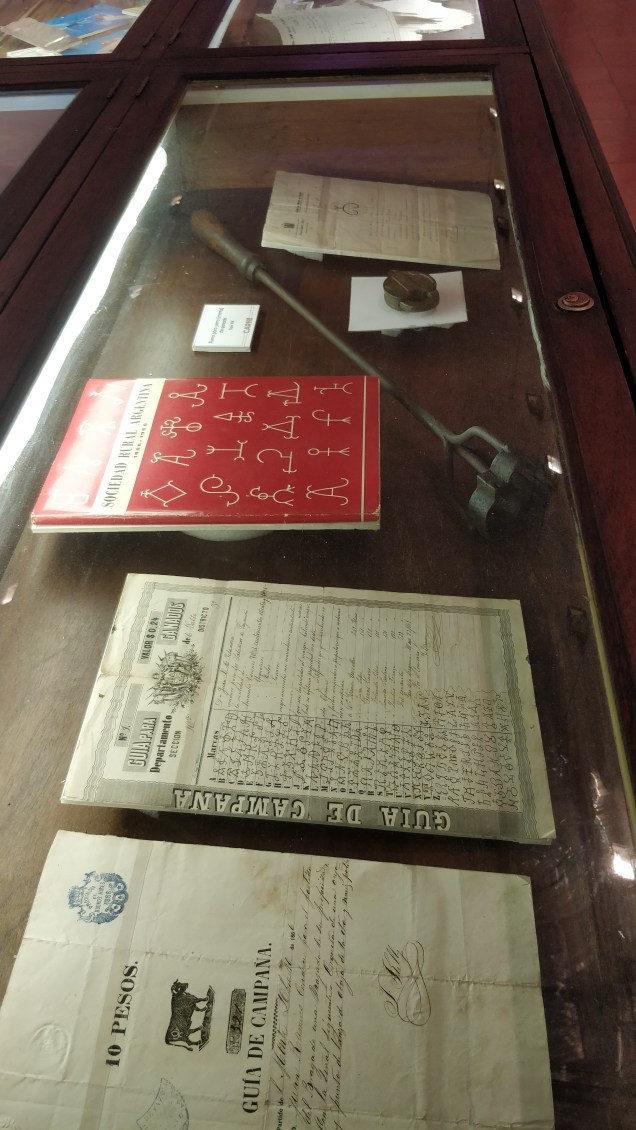
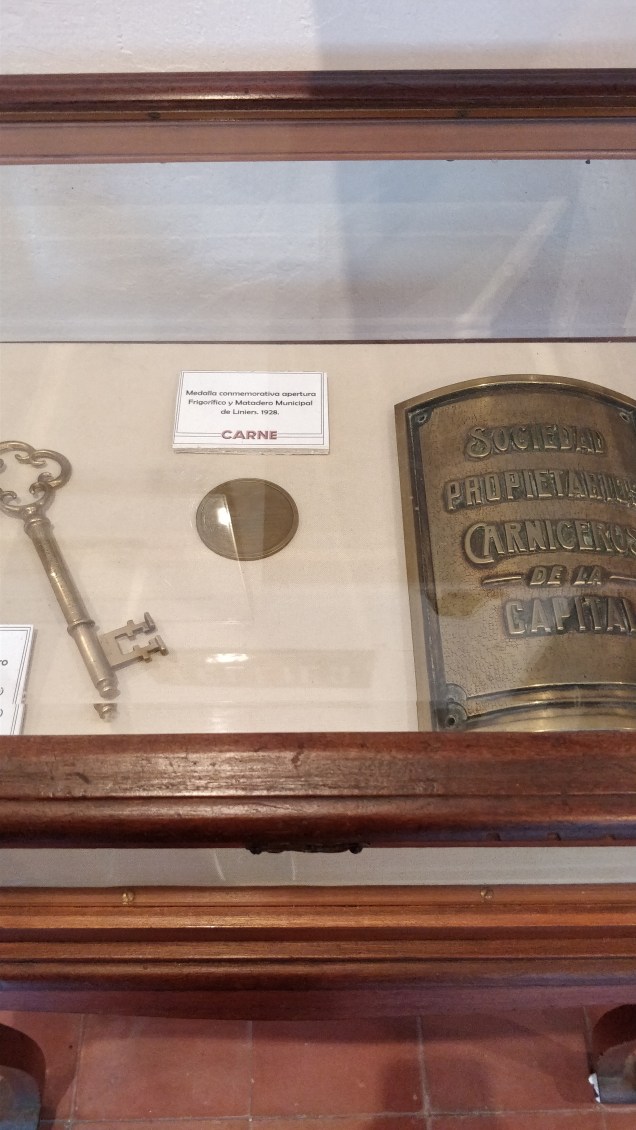
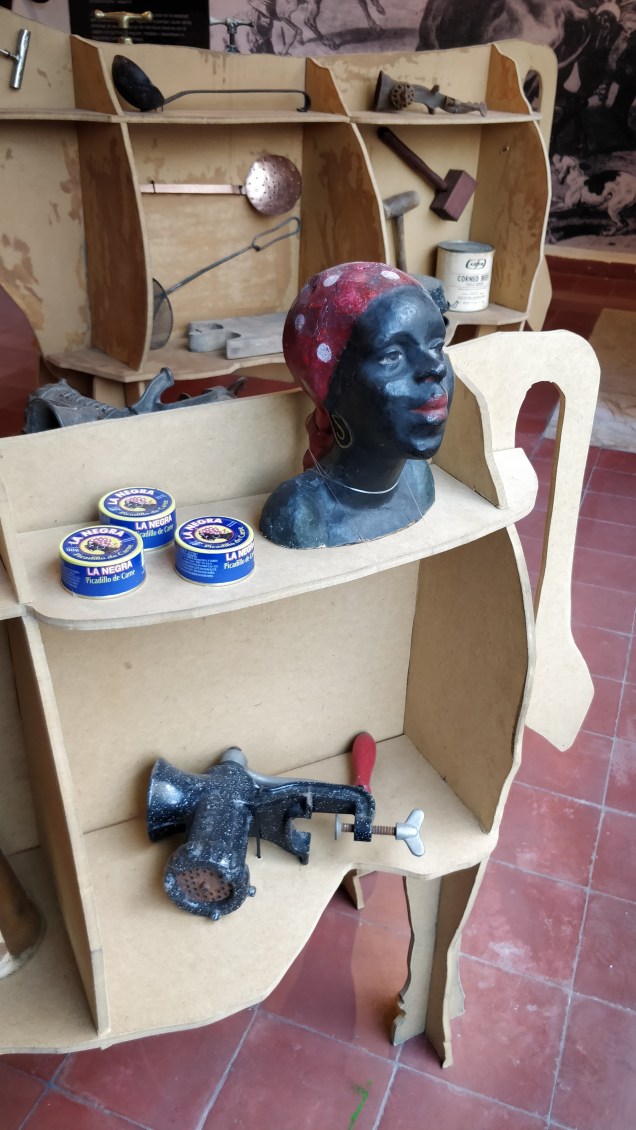
HISTORICAL ARTIFACTS!
Including racist marketing!
But that is absolutely not all. No indeed. Got something meat-related in mind? NAME IT, SON.
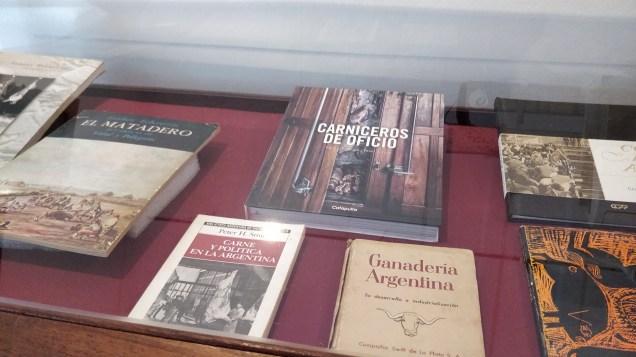
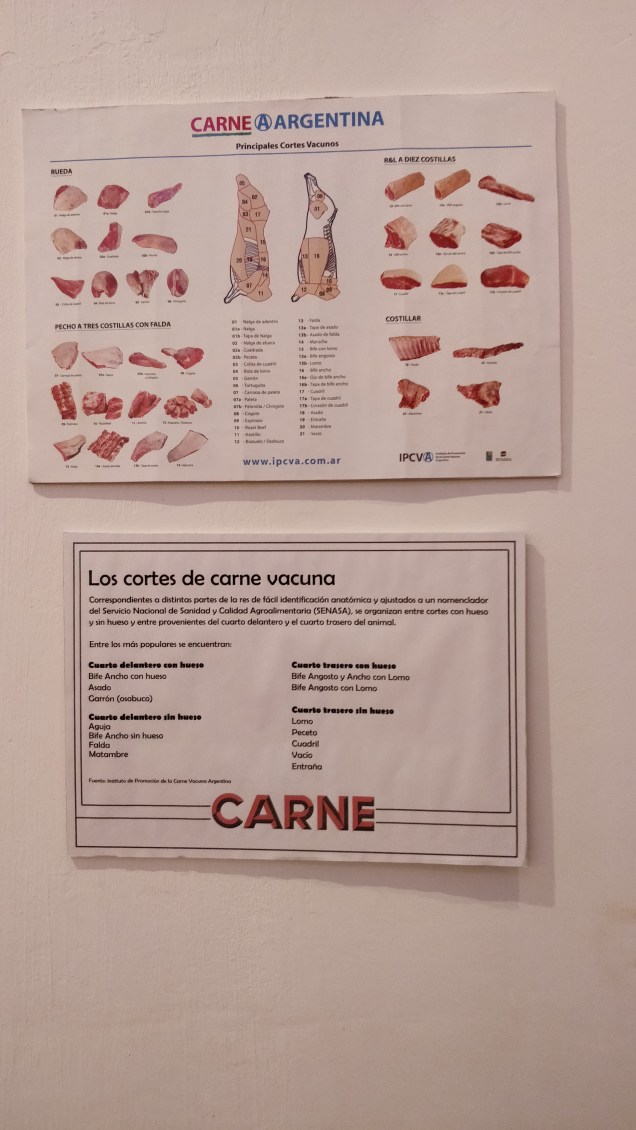
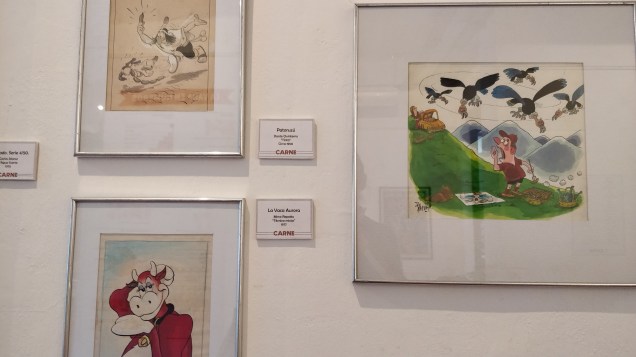
BOOKS ON BEEF PRODUCTIONGET EDUCATED IN ARGENTINE CUTSWEIRD OLD CARTOONS
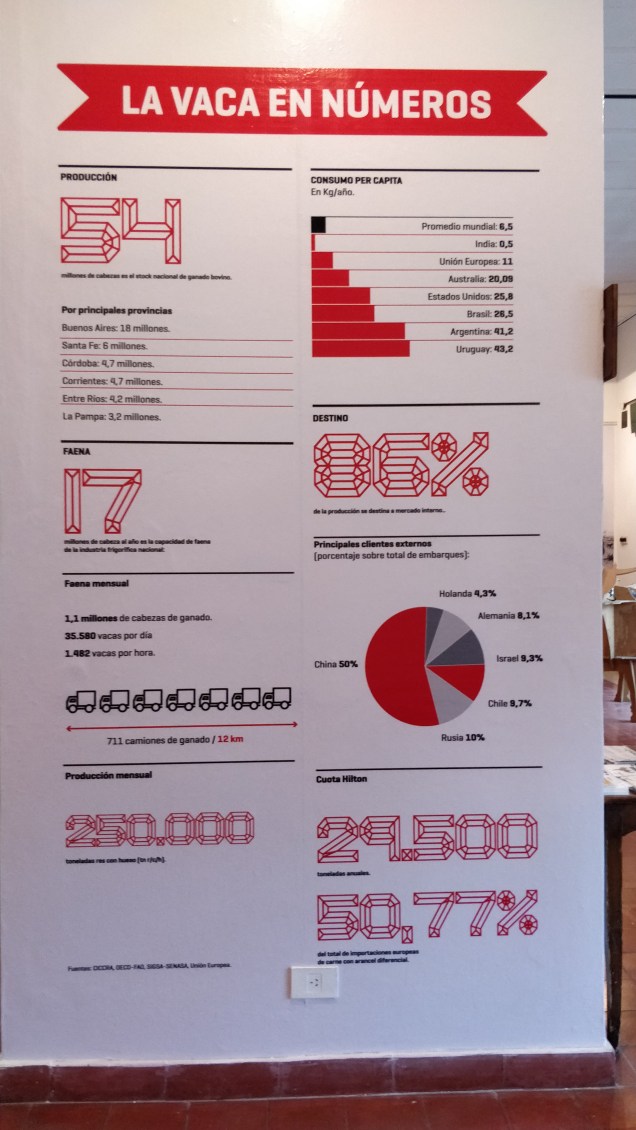
Have you ever wondered if the Argentine relationship with beef can be statistically quantified? WONDER NO LONGER.
The only nation that consumes more beef per person than Argentina is Uruguay. BARELY.
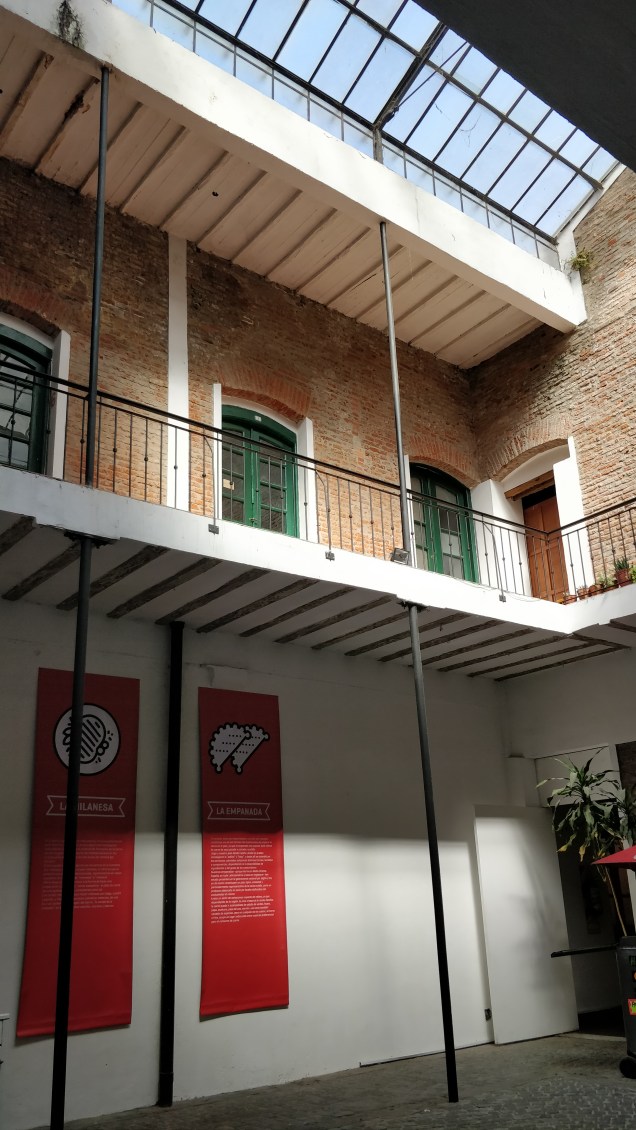
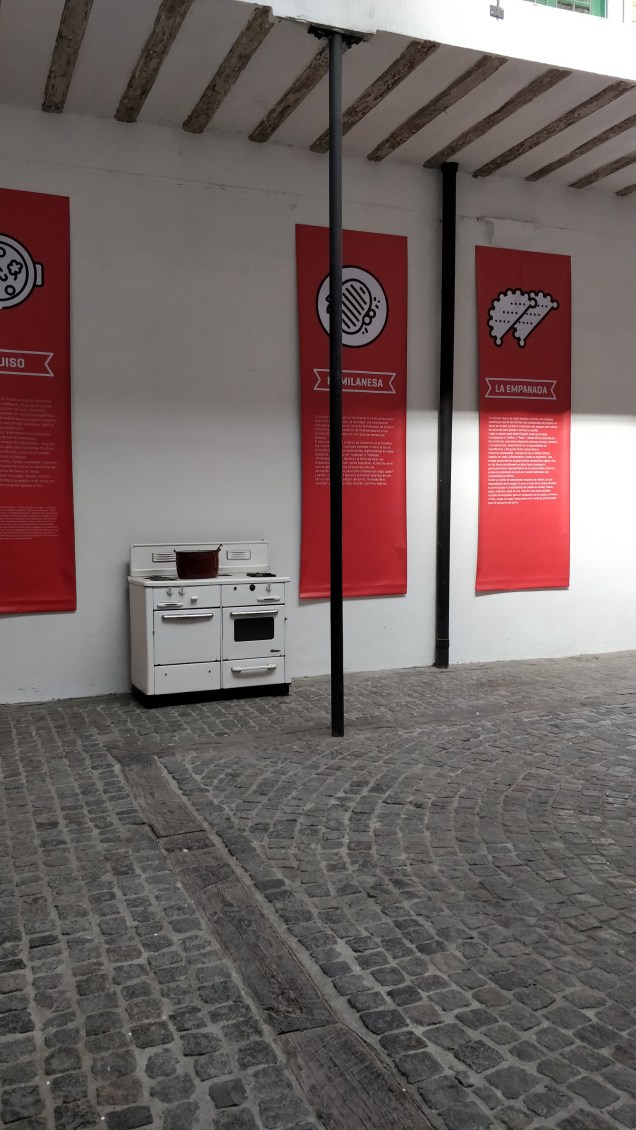
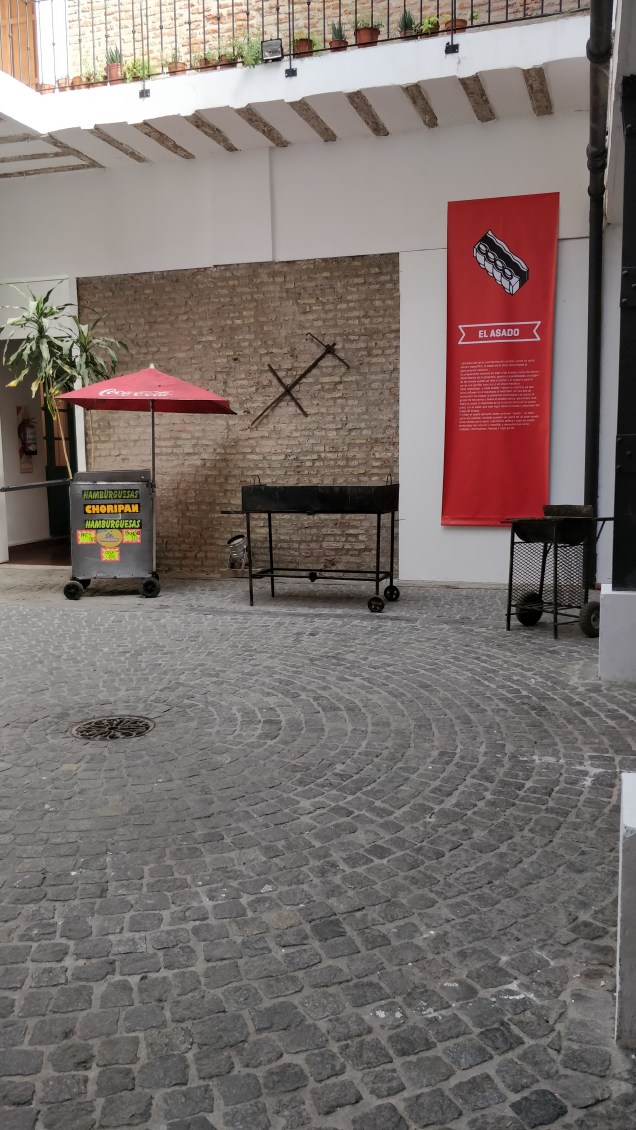
So what do Argentines use all that meat for? The interior patio holds the answers you seek, friend.
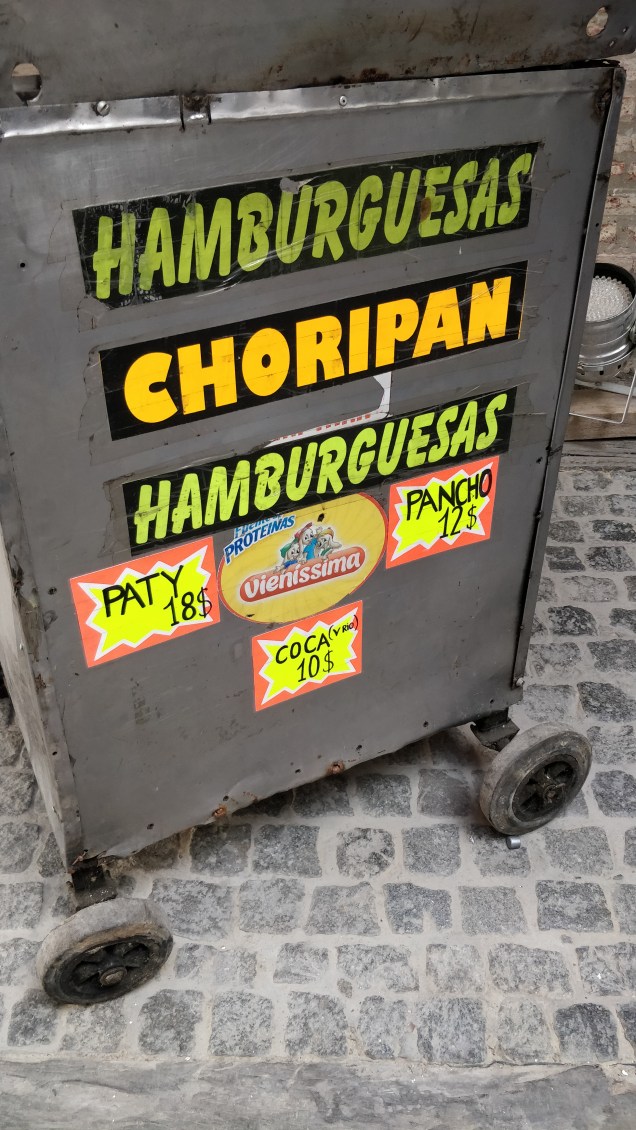
Beef is often located in guiso (stew), milanesa, and empanadas.Beef is also featured in an asado, which is an Argentine barbeque.Beef can be found in street food. You can tell this cart is another historical artifact because today, 18 pesos will buy you literally nothing.
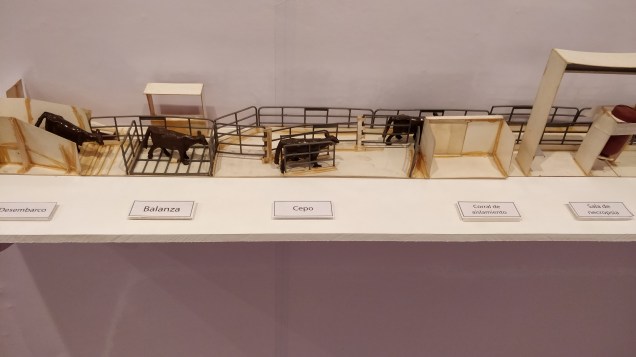
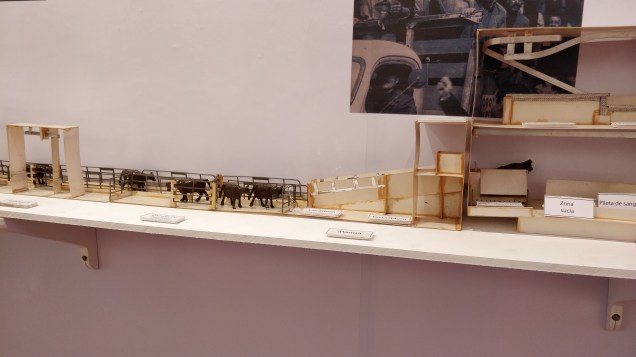
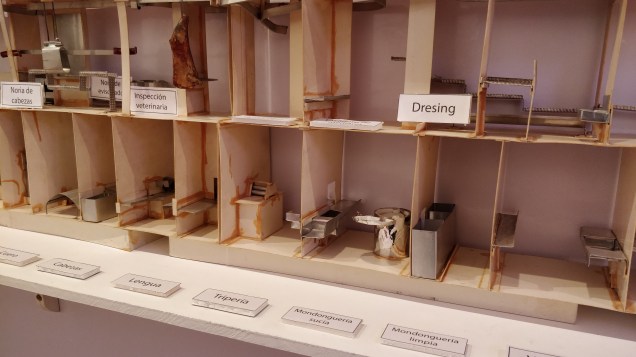
Are you more interested in “how the sausage is made,” so to speak? It looks something like this:
Moo.The “dirty zone” is where steak is born.Someone made a tiny side of beef for this display.
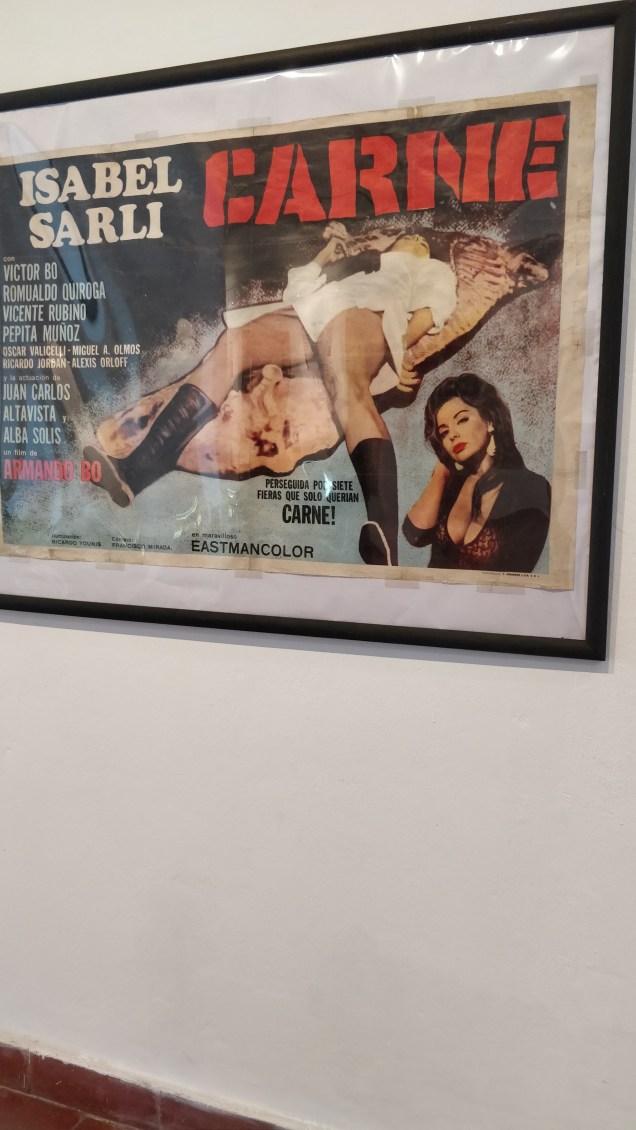
So, meat plays a pretty big role in Argentine culture. But what about Argentine pop culture? Has there ever been a famous sexploitation film in which meat featured heavily alongside a celebrated bombshell and a future father of an Oscar-winning writer?
I mean, why are you even asking?
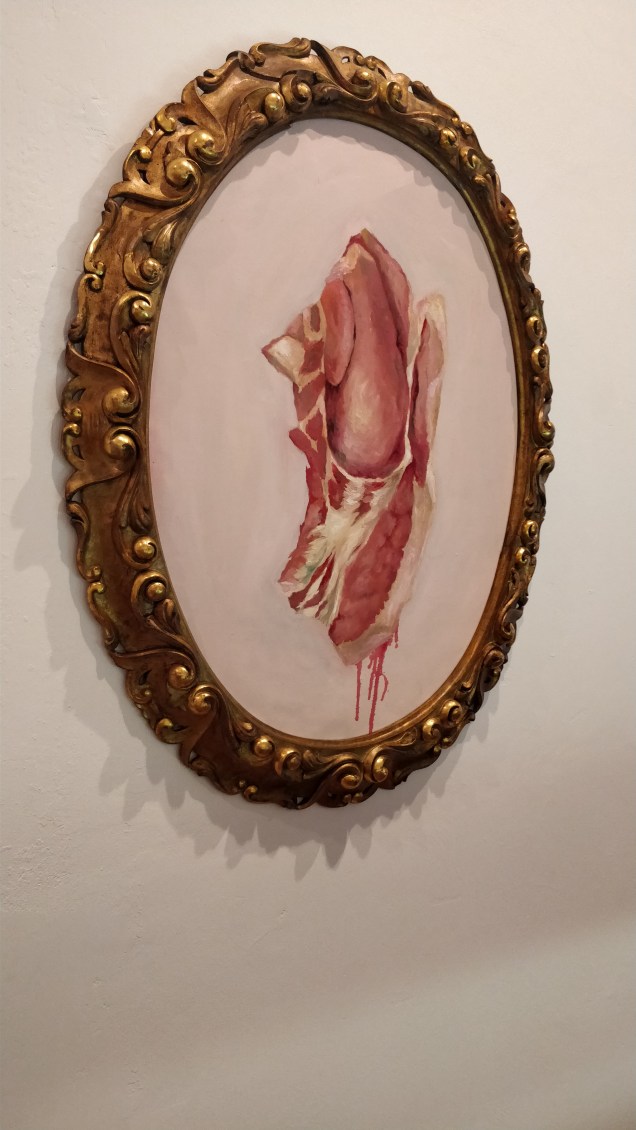
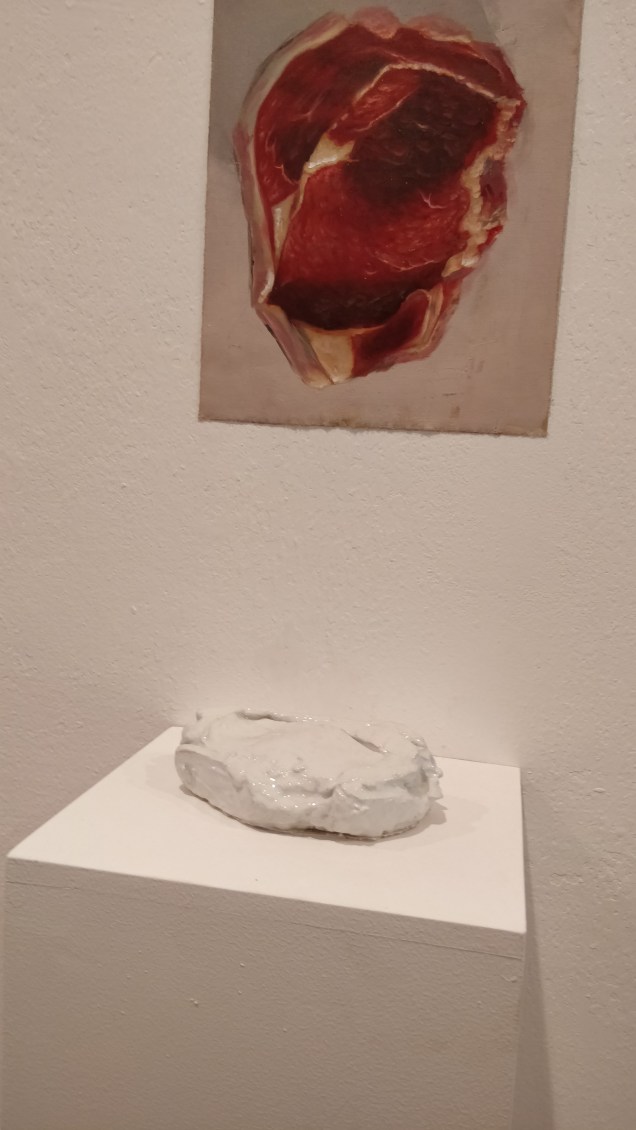
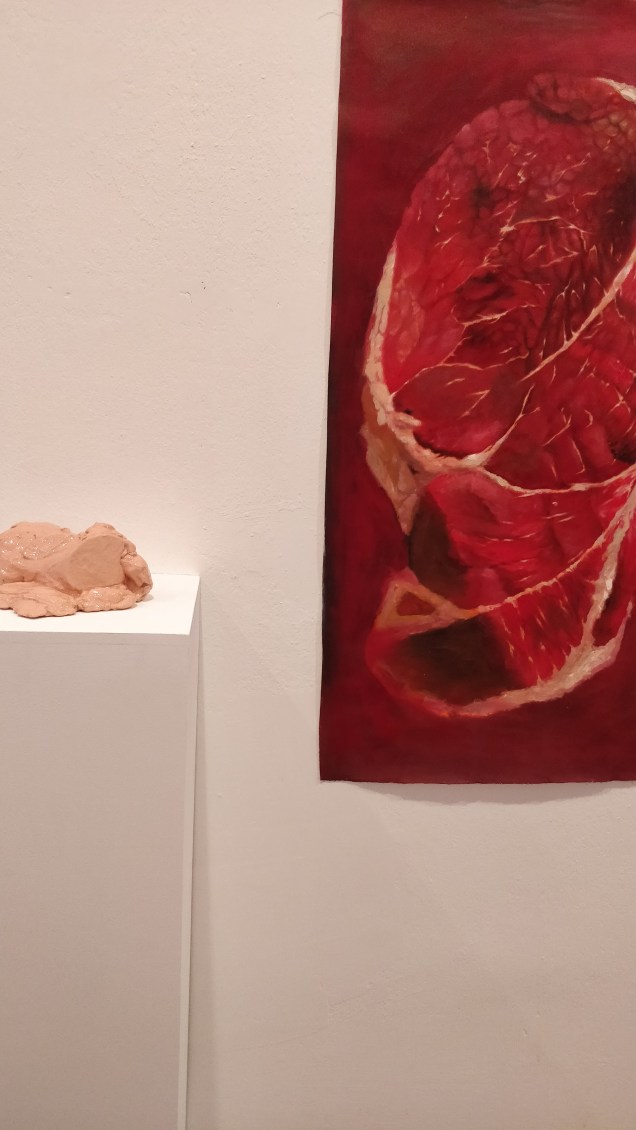
But maybe your cultural tastes are more highbrow. You appreciate fine art. Painting, sculpture. These media speak to you and inform your experiences. You enjoy seeing beauty rendered immortal by the hand of a master.
You will find your treasure here, too.
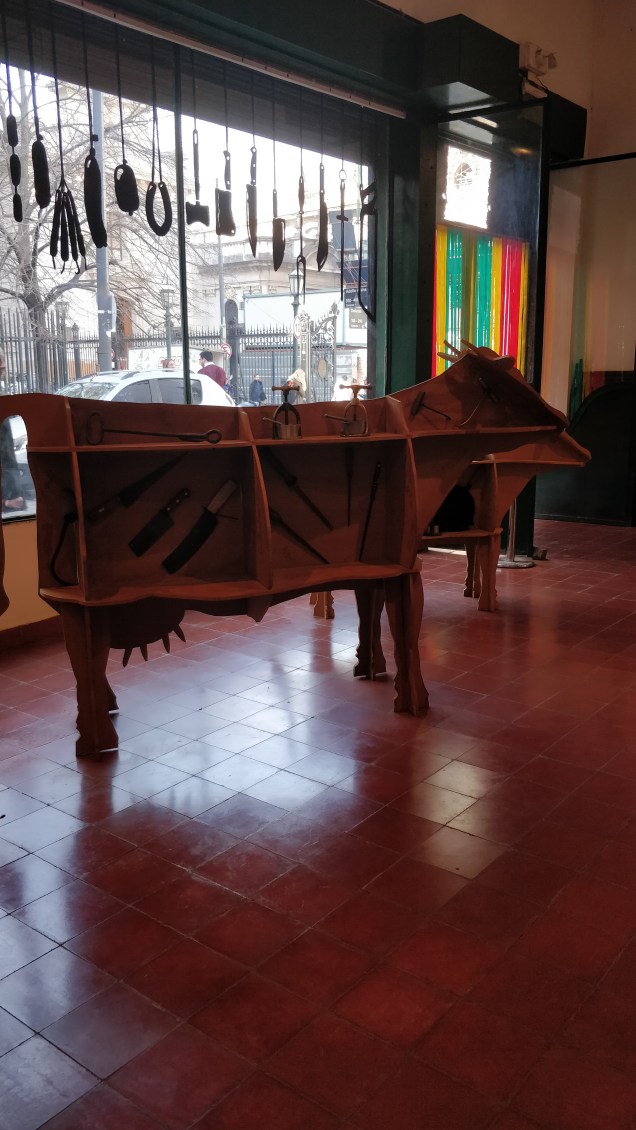
MEAT PAINTING.MEAT AS A CONTEMPORARY SCULPTURELOOK AT ALL THIS MEAT ART, BUDDY.
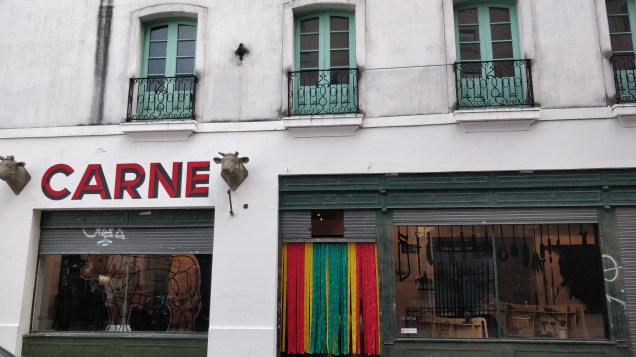
All in all, “Carne” is a masterpiece. Obviously. It might be that someone in a position to affect these sorts of things noticed that it is the 50th anniversary of the film “Carne” and just ran with it. If that’s the case, this exhibition is even more superb. It’s open to the public, it’s free, there are promotional postcards–but it closes down on September 30th, so you only have a month to experience “Carne.”
Tango, as you might have deduced if you’ve spent 15 seconds in Buenos Aires, is kind of a big deal here. There are tango street dancers, tiny stages for performers at touristy restaurants, and ample opportunities to be tutored. There are big, flashy tango shows, small tango shows, tango shows at historic tango bars/restaurants. Tango postcards, tango art, tango CDs, tango souvenirs. Hand to god, I have seen a wooden statue of Jesus playing a bandoneon for sale in San Telmo. I totally should have bought it.
But the tango isn’t just for the tourists. The dance and the music are very real and integral parts of the Buenos Aires cultural identity. There are milongas of all sorts, where people go to dance. The two parks closest to my place roll out temporary dance floors on Sunday evenings in the summer. Tango music is everywhere.
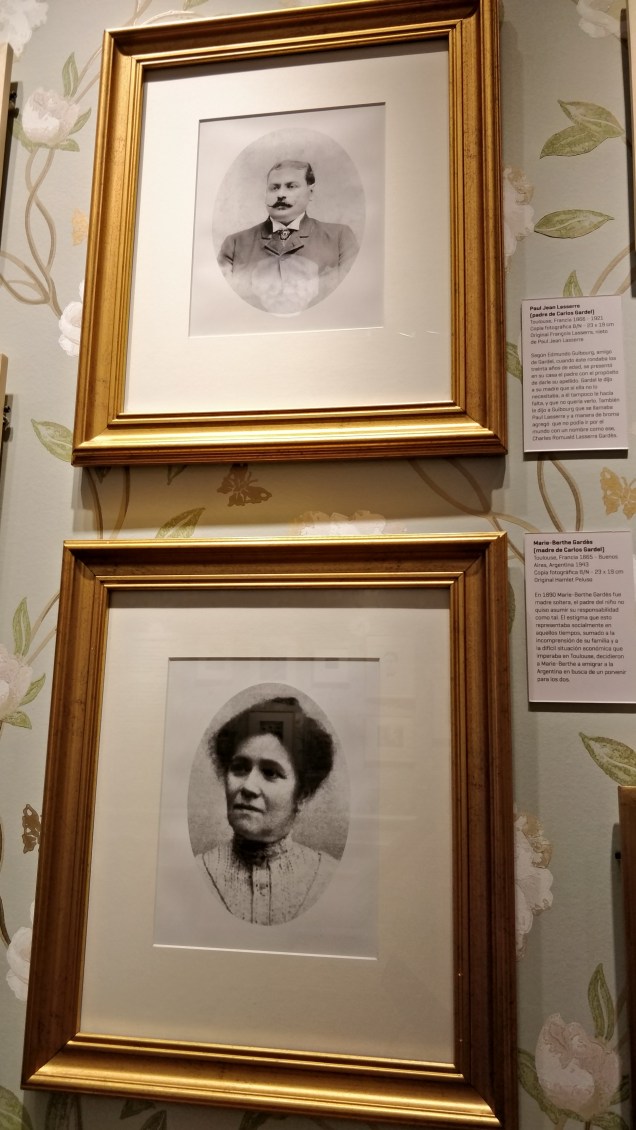
Gardel was born Charles Gardès in 1890 in Toulouse, France, to a young laundress and a dude who was married to someone else. Berthe Gardès did officially call out her baby-daddy, but we know how these things go for women, and when little Charles was two, Berthe moved them to Buenos Aires to begin a new life as a “widow.” There, they would be called by the Spanish version of their names, Berta and Carlos Gardel.
Berthe, called Berta in her new homeland, [bottom] and the sperm donor [top]Incidentally, Paul Laserre would show up in Buenos Aires to ask Berta to marry him and “legitimize” Carlos when Carlos was around 30 years old and had conveniently released his first hit record. Carlos told his mom that if she could live without the guy, so could he, and didn’t see him. WELL PLAYED.
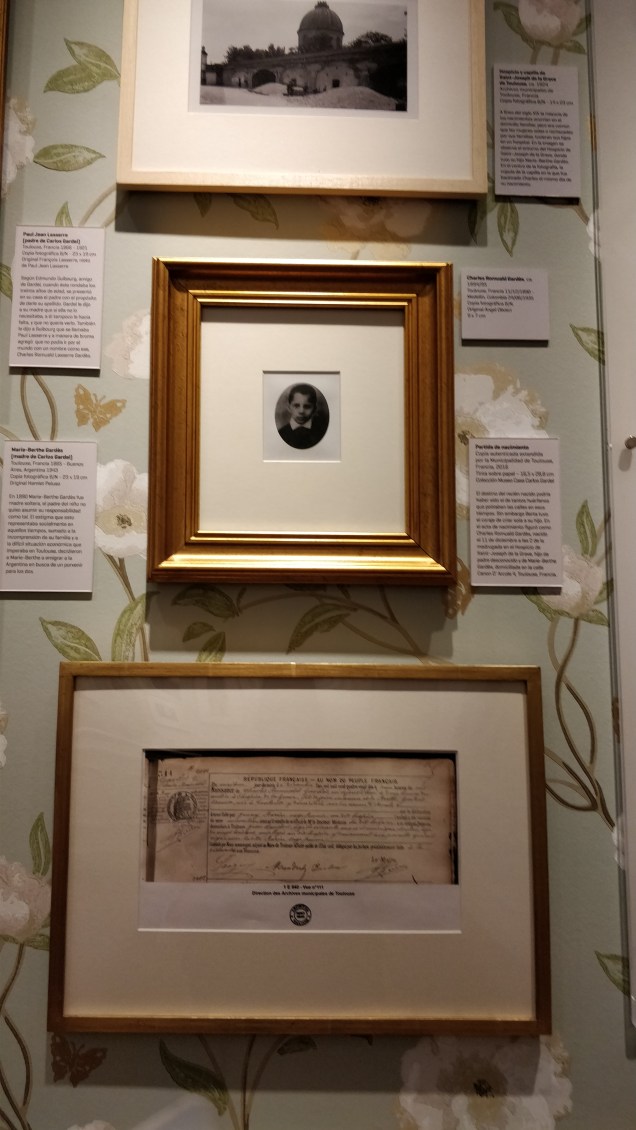
Carlos himself would muddy the facts of his birthplace by claiming Uruguayan citizenship, stating he was born in Tacuarembó, Uruguay (he then acquired Argentine citizenship). This was probably done to smooth over an upcoming tour of France, has he had never registered for military service, as required of French citizens. This paper trail has led to different early biographies and native son claims, but look the museum has a copy of his French birth certificate so Uruguay should pipe down.
I took a particularly poor photograph of it.
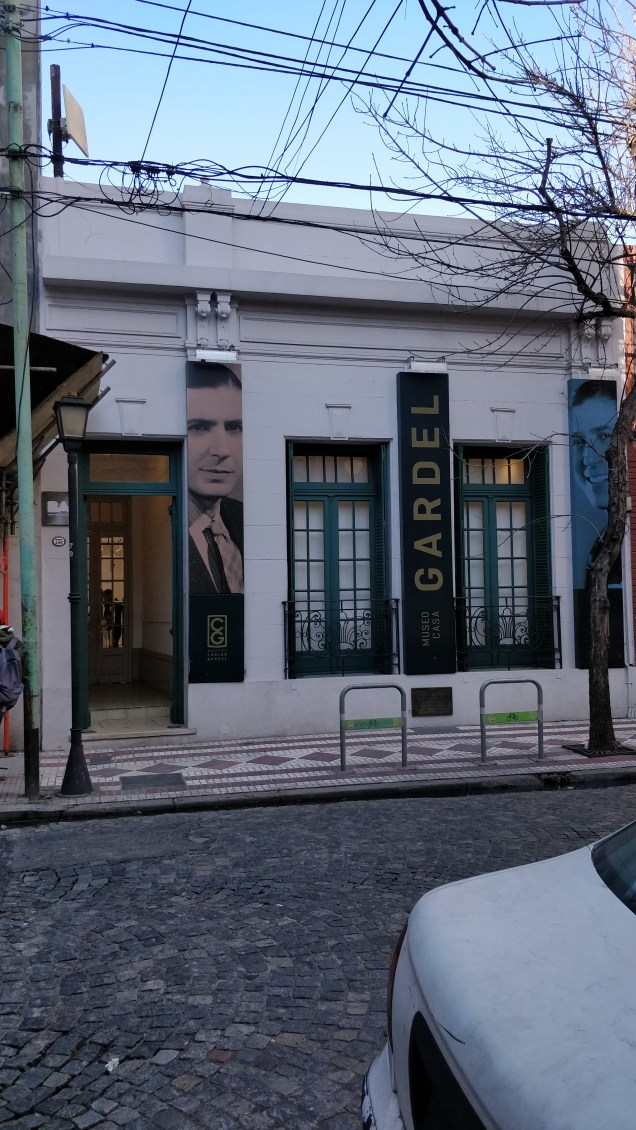
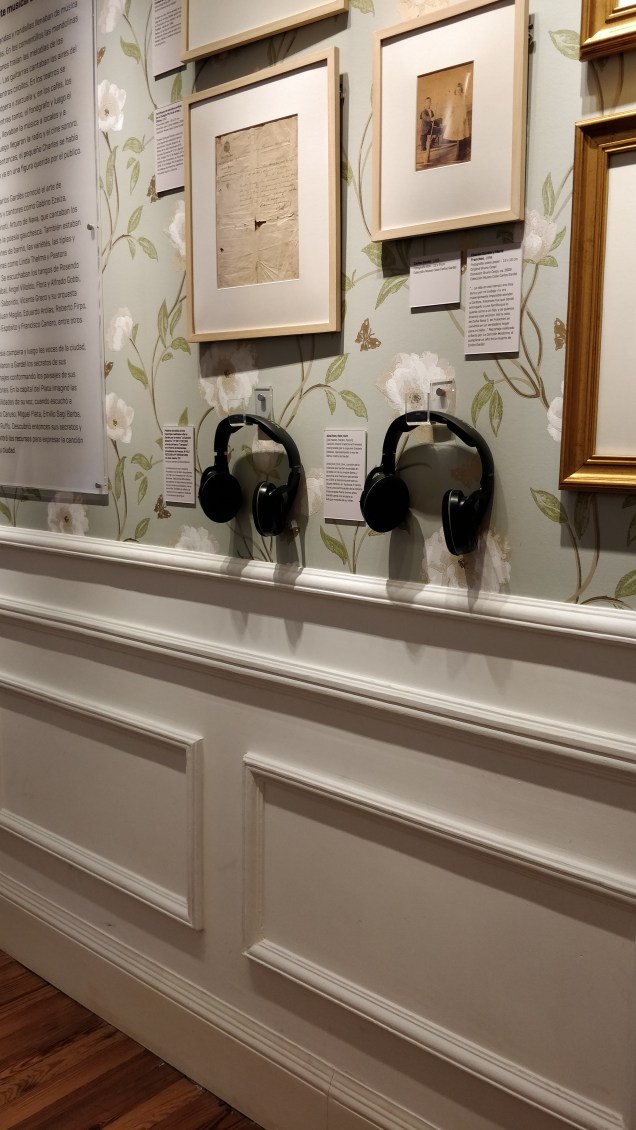
The museum is inside a house in Abasto that Gardel bought for his mom (he lived there for awhile, as well), and consists of four rooms. The first room is dedicated to his early life. In a museum dedicated to a musician, the multimedia experience is pretty important, and the Museo Carlos Gardel does a pretty credible job providing it, including the rather touching addition of the sort of song Berta would have sung for little Carlos.
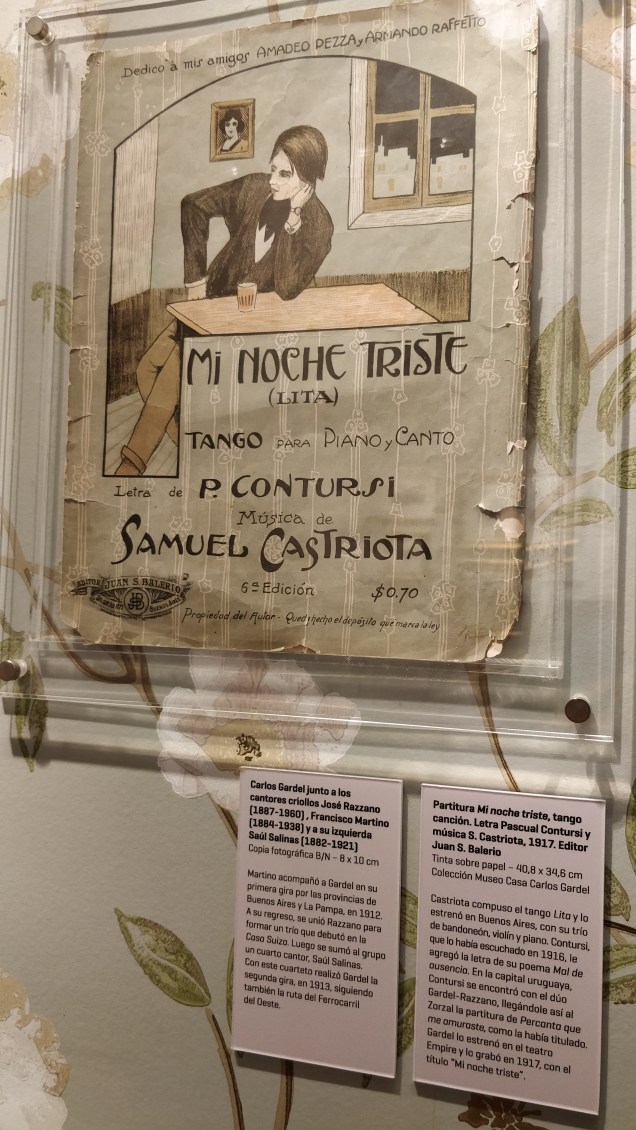
Gardel would develop as a musician, and in 1917 create the “tango canción,” the form of tango vocals that united the voice with the musical and dance themes of tango, when he recorded Mi Noche Triste (listen to it here). This style became an enormous part of tango, and tango became an enormous part of Gardel’s life.
The sheet music for Mi Noche Triste from 1917.
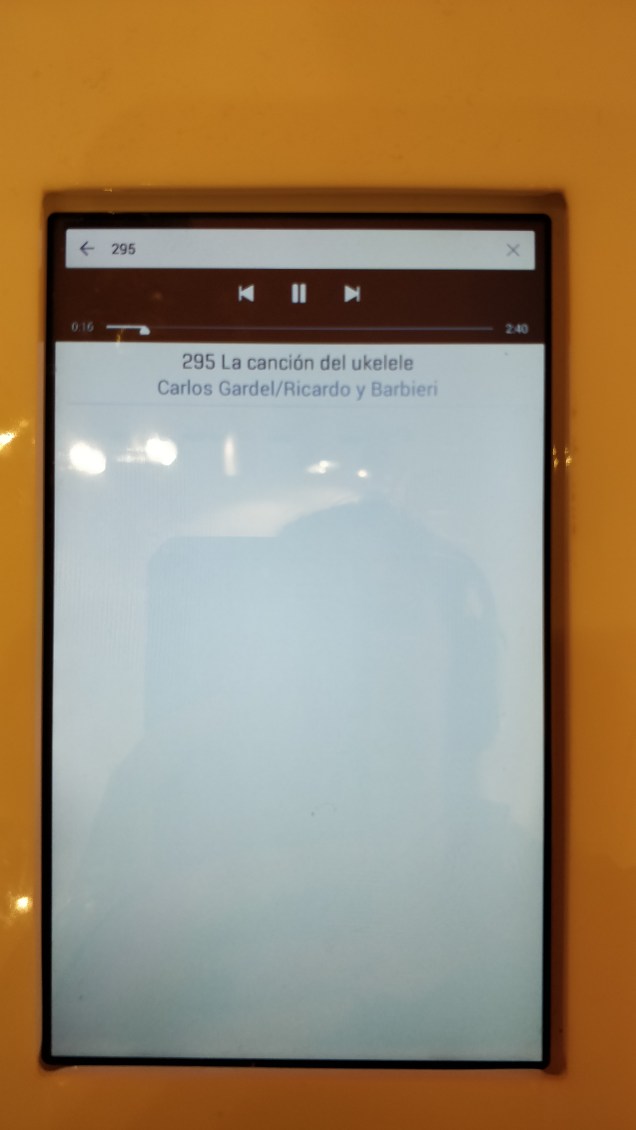
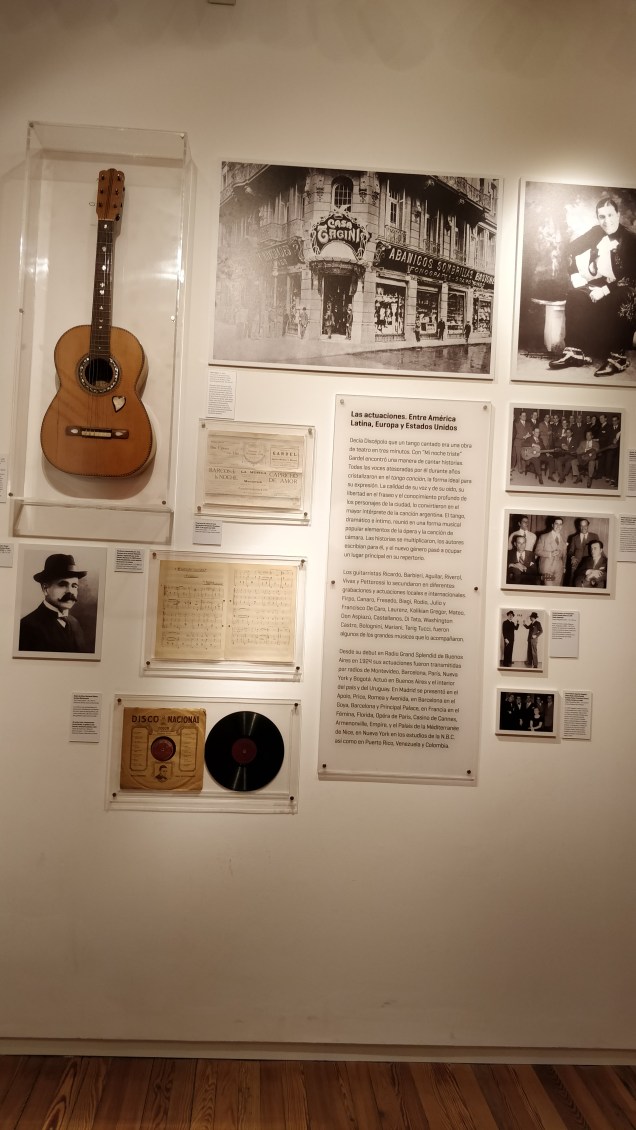
The next room of the museum is the recording room. It’s quite small, but here you can see artifacts from his music career and select from over 300 recordings made by Gardel to listen to at the listening stations.
As a nacent ukelele player, I immediately spotted what had to be his greatest work.
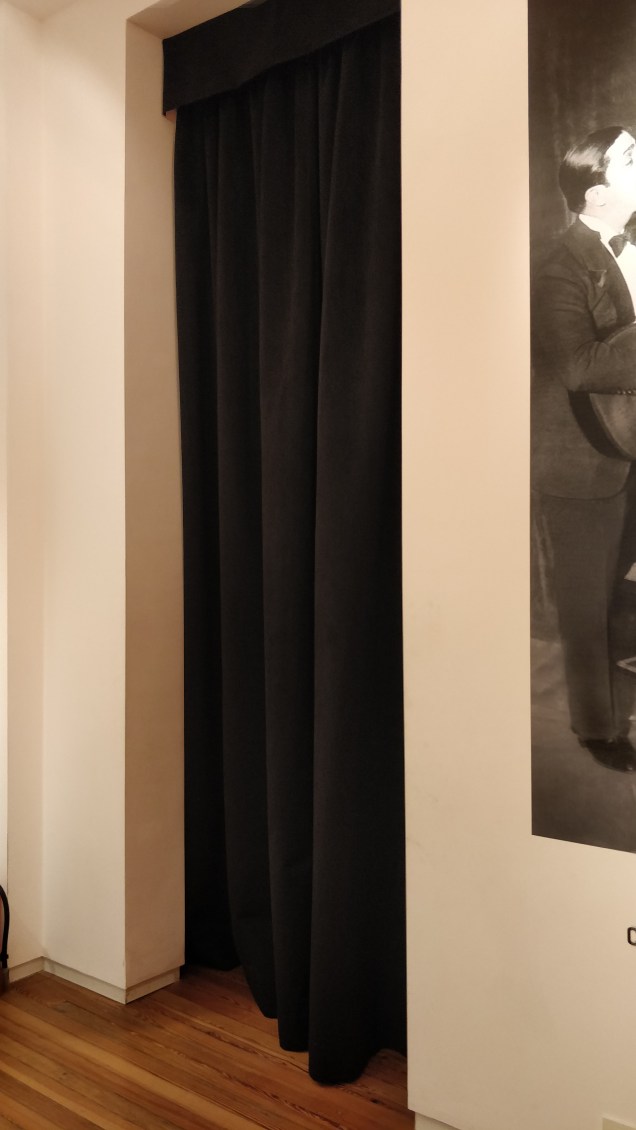
To continue on from the record room, you go through this doorway:
It’s a particularly ominous doorway, and thanks to the museum design, even if you know nothing of Carlos Gardel, you know that good news is not on the other side.
The room on the other side of the heavy curtain is the funeral room. Gardel died at the age of 44, at the height of his music and film career, in a plane crash in Colombia.
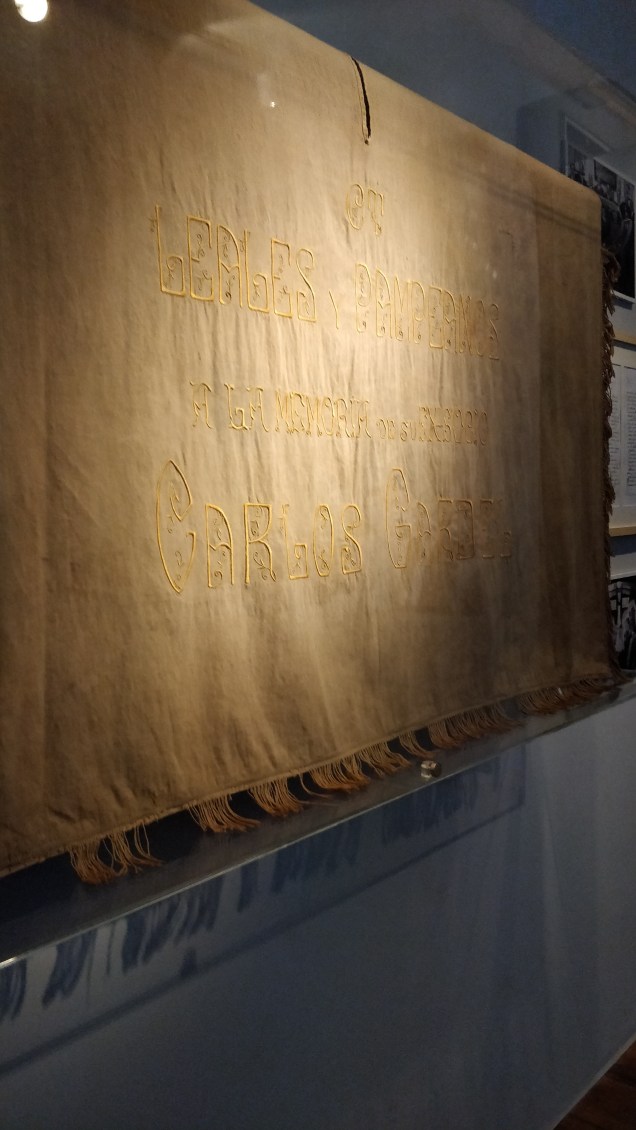
The room includes film from the funeral, the scene of an outpouring of national and international grief. His mom, heartbroken, would shortly thereafter follow her son in death.I can tell you the group that made this memorial poncho asked a pilot to throw it out of her plane before it was placed on his coffin; what I cannot tell you is why.
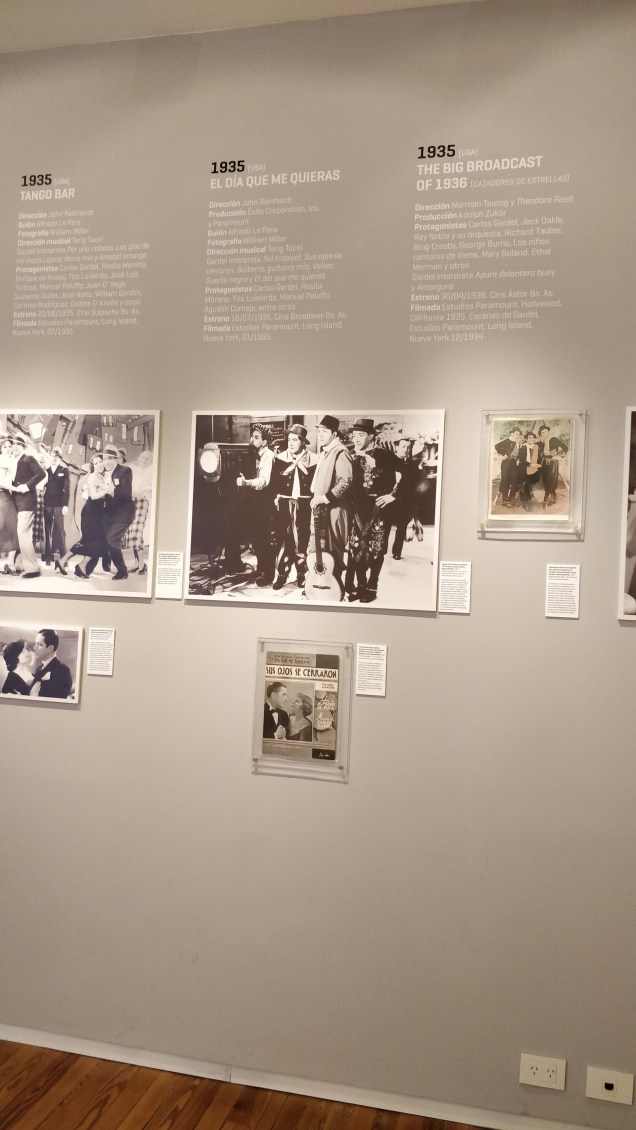
The final room is the cinema room, which I think is a fitting way to end the museum, not only in terms of floor plan, but also in terms of image. After all, Berta would continue watching Carlos’s movies to see him again, and this is a lasting legacy for a performer.
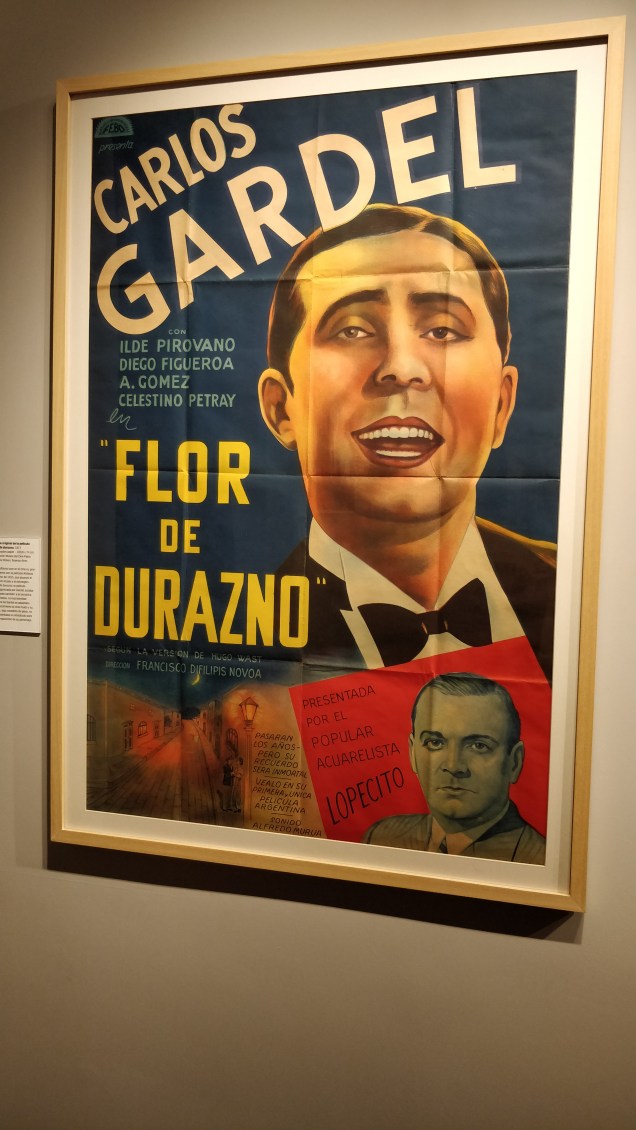
The room includes a timeline of his movies, photos from the production, and posters.
Terrifying posters!
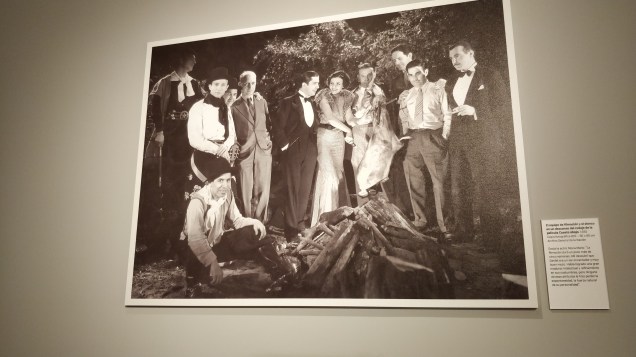
A totally normal asado, which are often attended by pristinely dressed gauchos and men in tuxedos while the hostess cuts meat over the fire wearing an evening gown.
So, if you’re super into the history of tango, 1930s cinema, or turn of the century music, Museo Casa Carlos Gardel is worth a visit (not to be confused with the Gardel museum outside of Tacuarembó because Uruguay just cannot let it go). The signage is all in Spanish, but they do have an English language handout that will walk you through the rooms.
The museum is located at Jean Jaurés 735, close to the H and B subway lines, in Abasto. As always, check their website for current information, but as of this writing, the entry is 30 pesos (about US$1 right now), free on Wednesdays and generally for students, school groups, retirees, disabled visitors and their attendants and those under 12. It’s closed on Tuesdays. It’s a residential area, so there are some places to eat here and there. There’s also some pretty nice fileteado-style murals across from the museum.














 The Exhibitist