
This is a trap.
This is a trap.
Boedo is not a neighborhood that draws the tourism of a Palermo, but there are some cool things there, not the least of which is the feeling of visiting a non-tourist-centric barrio. It’s an old working-class area that drew a lot of immigrants, and Boedo has a rich history in socialist and anarchist politics, artistic movements (particularly left-wing and literary), and tango (for a brief primer in English, go here).
If you find yourself in Boedo (and you might, there are tango shows and historic cafes also there), take a bit of time to visit the main drag (Avenida Boedo) and the few blocks of sculptures installed along it.
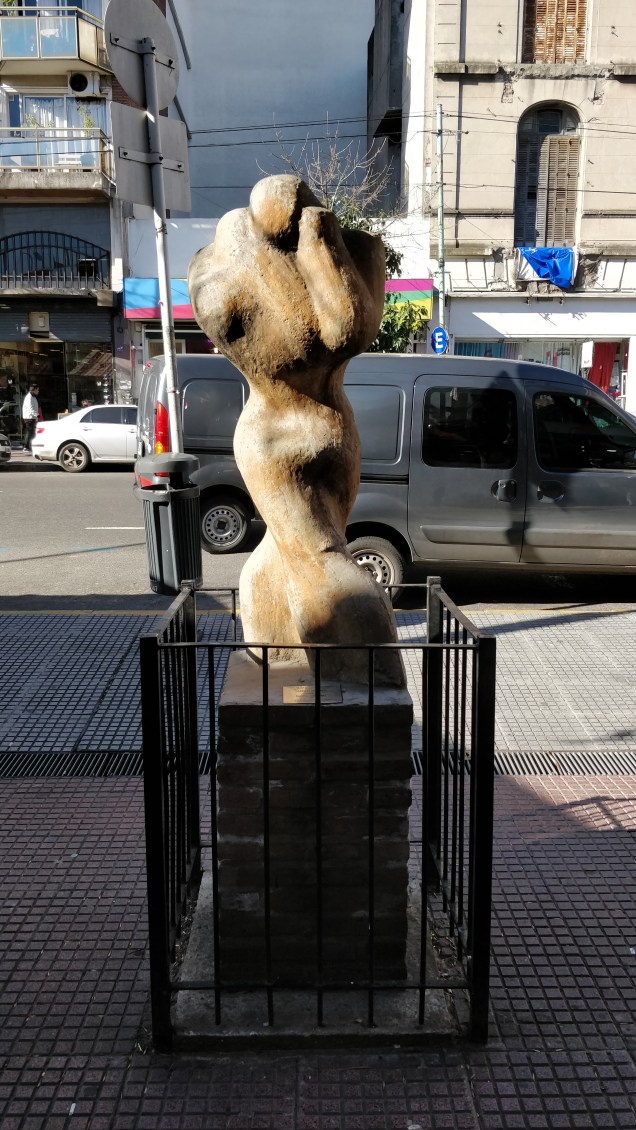
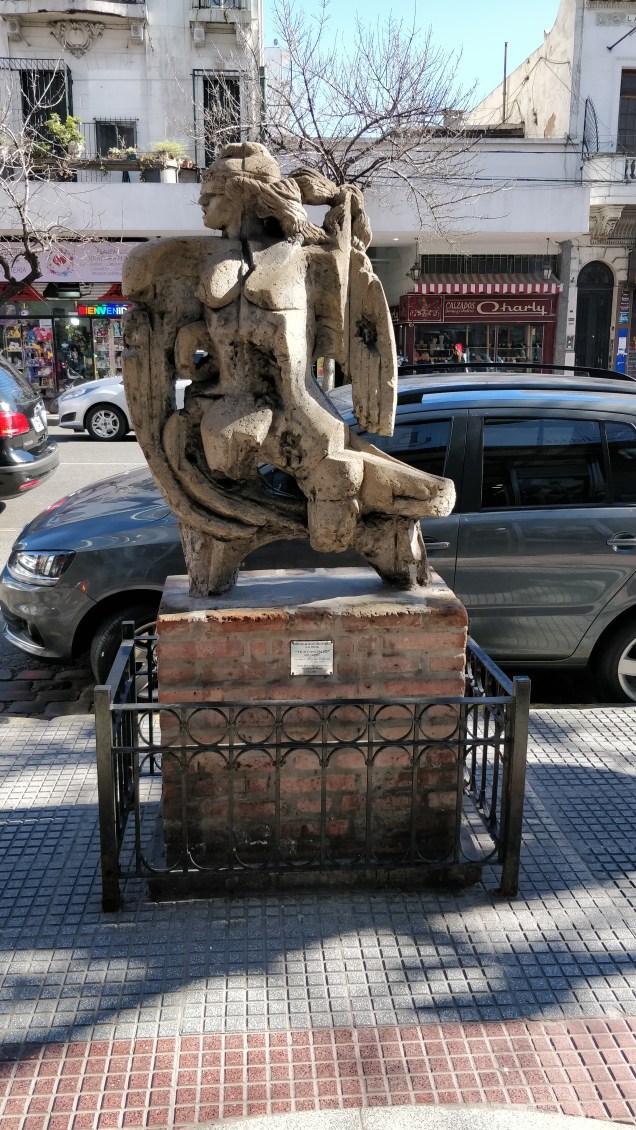
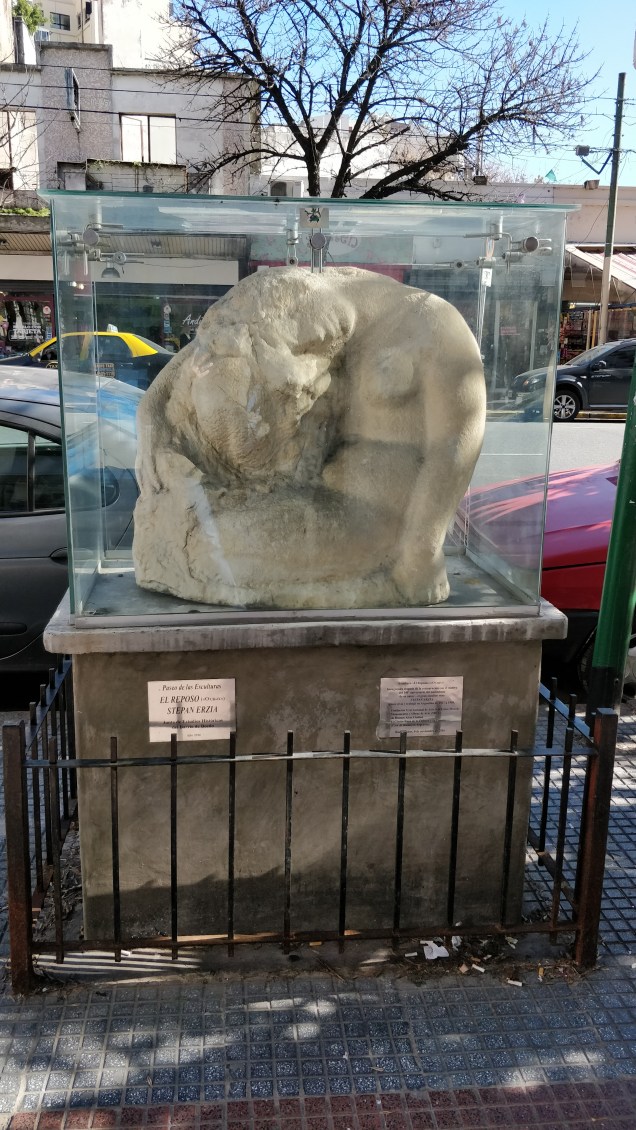
There are some neat ones, and you know you’re in a quality place when there’s art just lying around on the street.
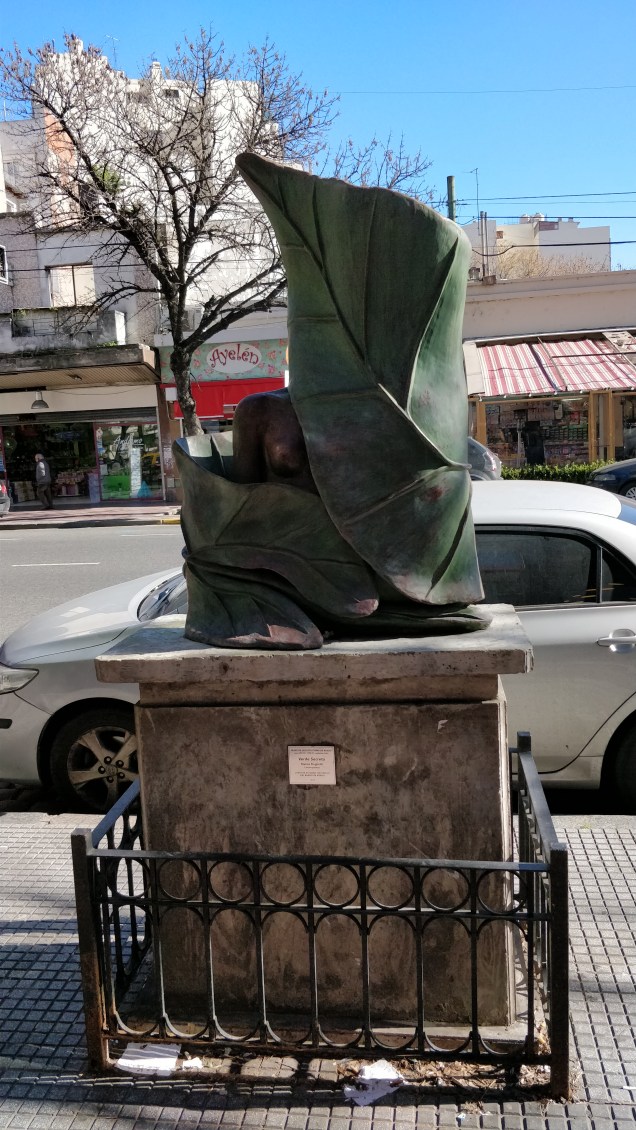
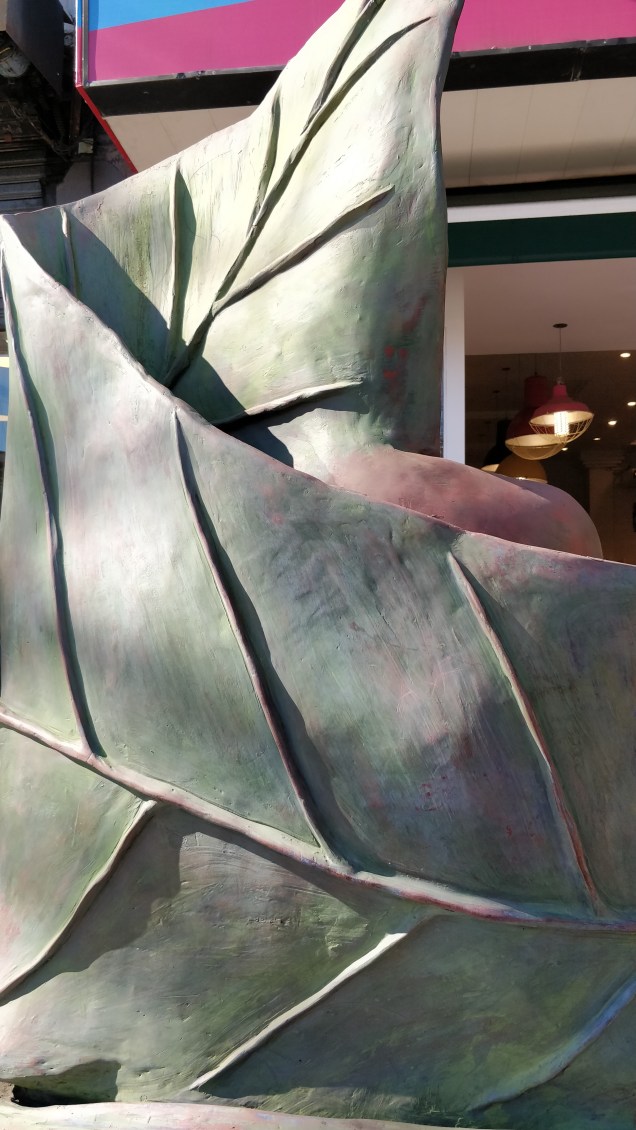
So go check out the museums, pop into Cafe Margot, and appreciate the sculpture.
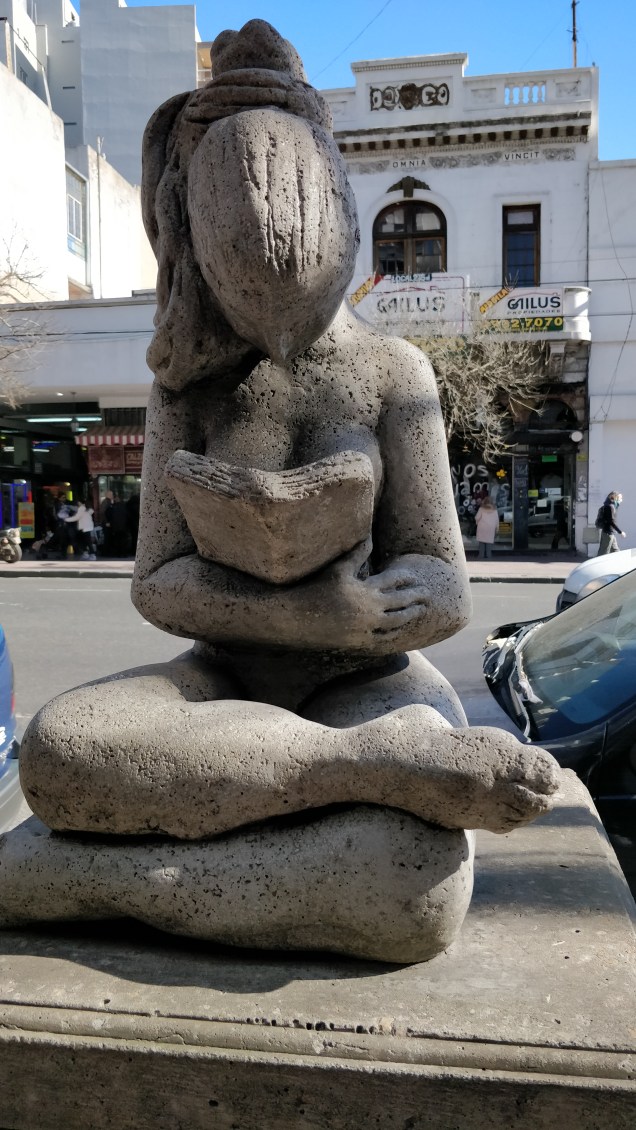
The Paseo de las Esculturas is comprised of 20 works along Av Boedo between San Juan and Independencia. It’s easily accessible by subway (the E line).
Your intrepid museum enthusiast is laid up with a heckin bad headache today, owing largely to sinus pain. As it is a cold, rainy day, fabulous conditions for staying in with fuzzy socks and hot chocolate, I’m going to write this one up anyway.
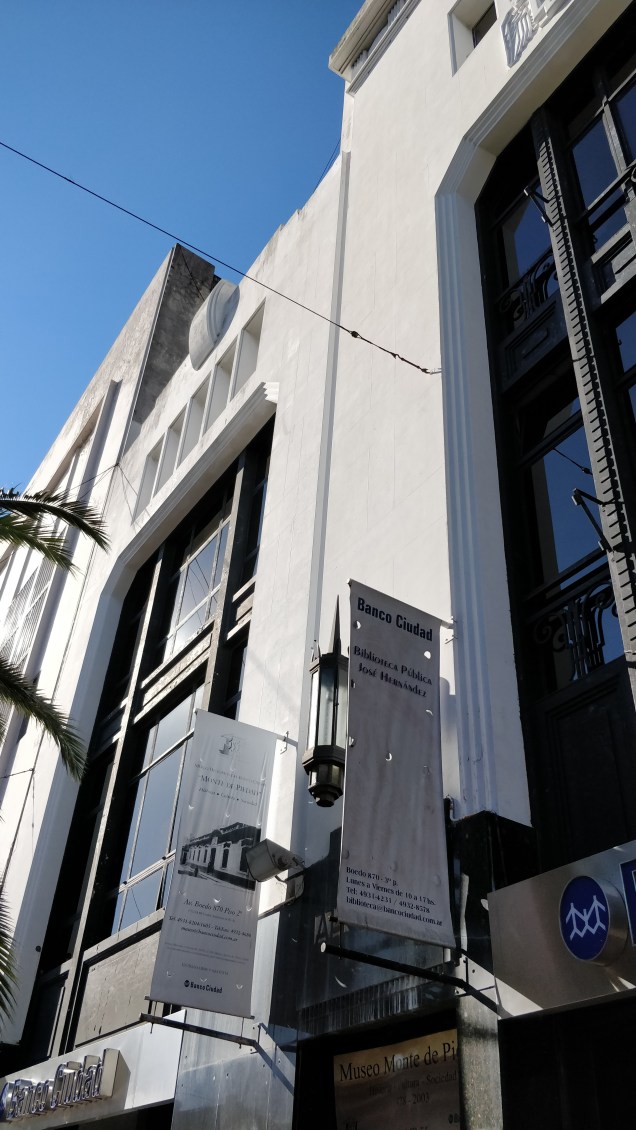
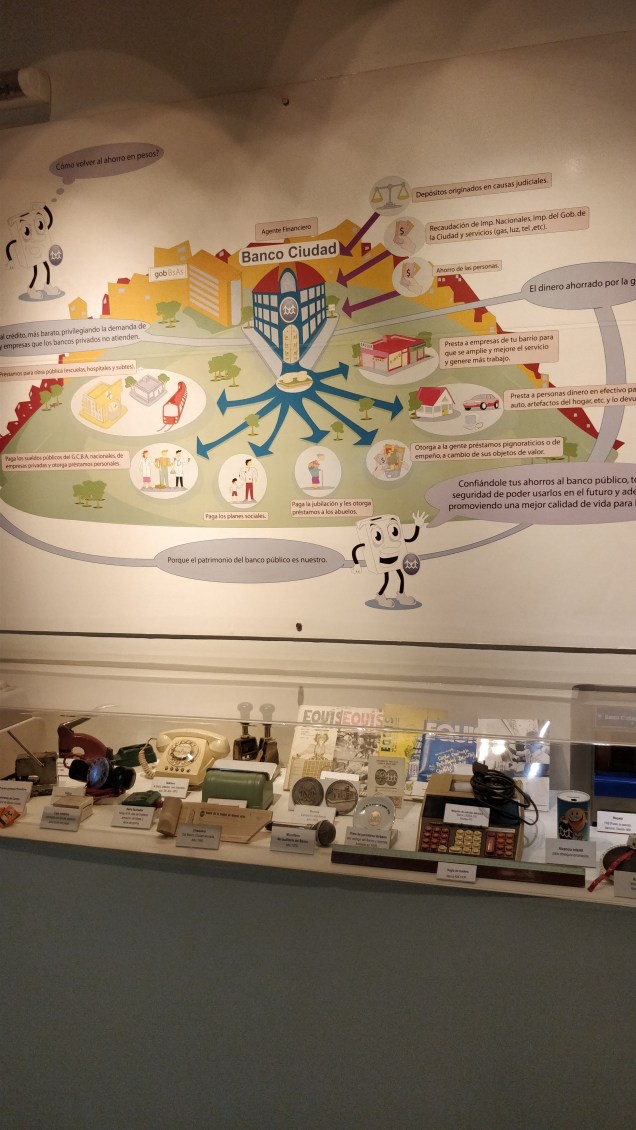
Finding myself in the barrio of Boedo earlier this week, I checked Google Maps for a museum I might burn a little spare time in. I stumbled upon Museo Monte Piedad, which is the museum of Banco Ciudad, or City Bank, which, if I am remembering the tour correctly, has been in continuous operation for 140 years. The museum is in a very small space, and has been curated with great care. I was the only visitor.
As I have mentioned before, my Spanish is shaky, at best. The docent/staff member/could-have-been-the-actual-curator-I-did-not-catch-her-name did not speak English. But I gathered that I had wandered in at roughly the time for guided tours, and she was game for taking a shot at educating me. The only available English material was pretty bare, and since I was on a tour, I did much more attending to what I was hearing than reading, so please forgive my shoddy memory.
The guide is a credit to her profession as an educator. I understood that school children are the primary visitors, and they must be well-served. She was a very competent communicator, able to convey the meanings of important words not yet in my vocabulary through examples. Top notch.
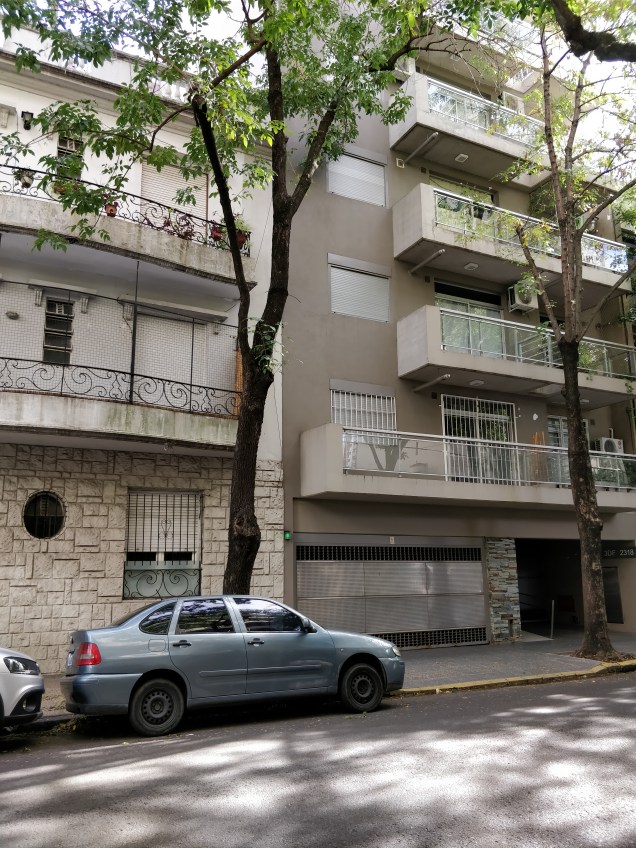
The museum is located on the 2nd floor (3rd by US reckoning) of this building:
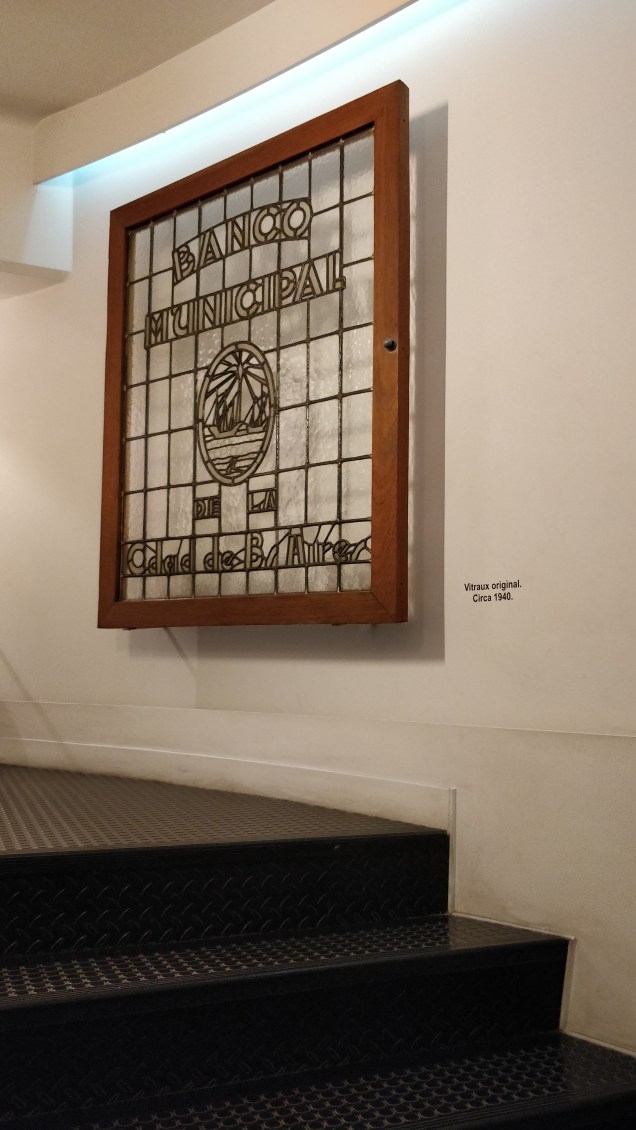
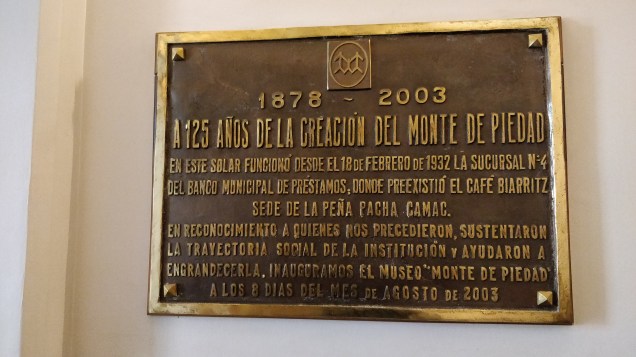
The museum, to borrow a phrase from La Nacion, tells the story of the bank and its relationship with the community, and its exhibits are given historical context. The history of the bank starts with an influx of immigrants in the last half of the 19th century.
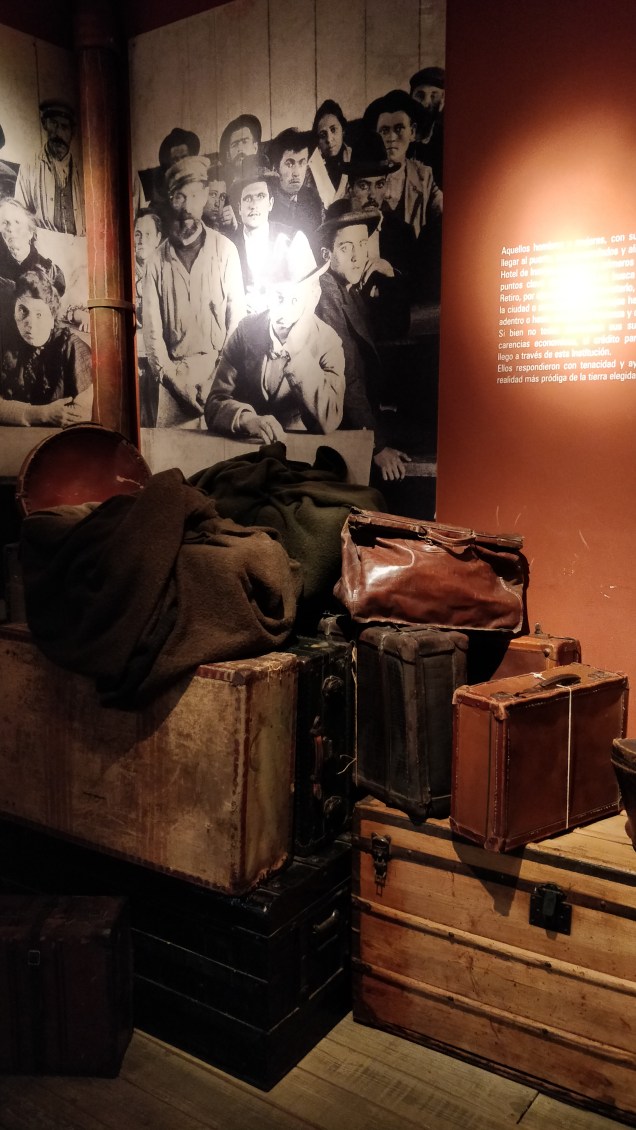
The poor who came to Buenos Aires frequently found themselves victims of usury and other predatory financial practices, and Banco Ciudad was founded to help combat these practices and serve the vulnerable population. The bank gave loans secured by any items of value the borrower had with minimal interest. Today, the bank still makes these sorts of loans, but only with two types of items: fine art and precious metals/gems. Two gemologists are still on staff, in fact.
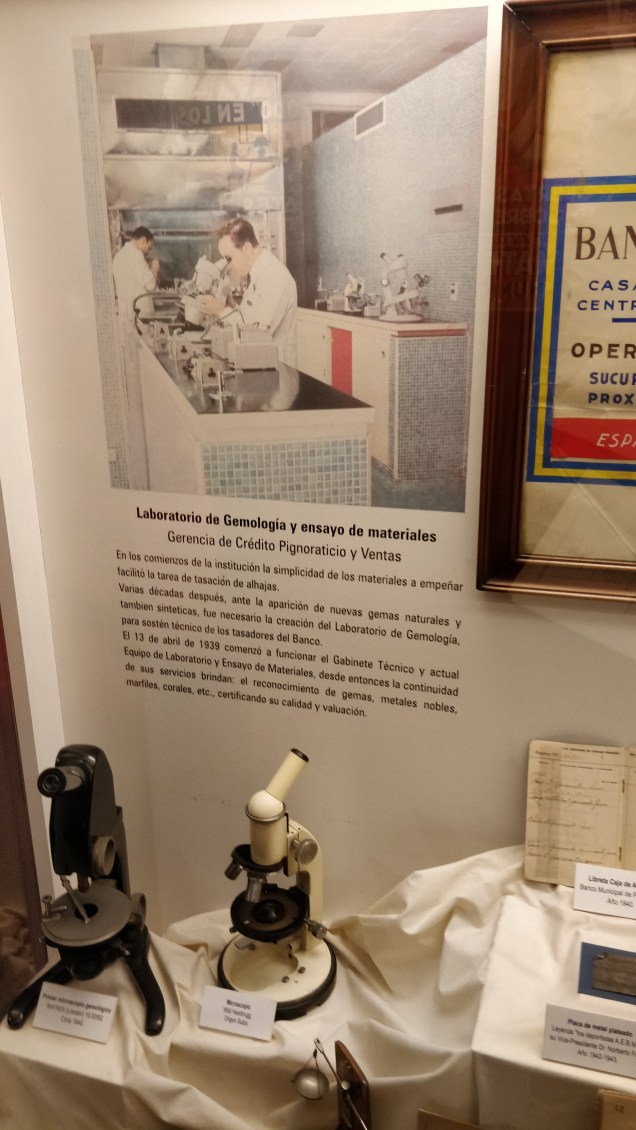
The museum hall includes some of the city history in the late 19th/early 20th century, as the bank was beginning its development–the movement of the population following the yellow fever epidemic, the conditions working class families lived in, and the political and labor movements of the time.
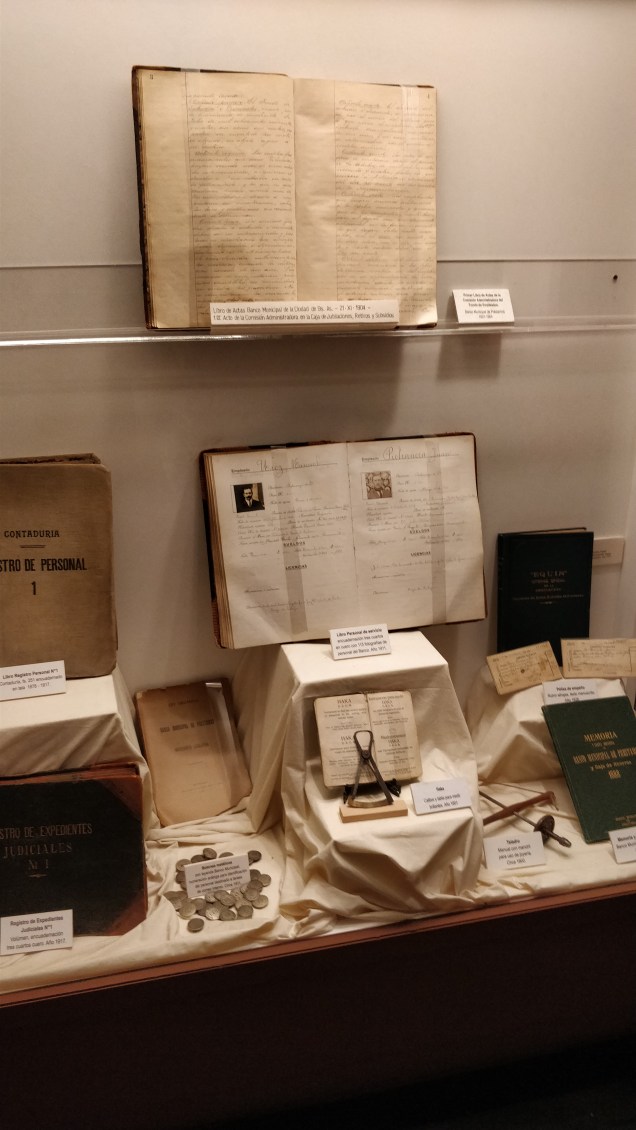
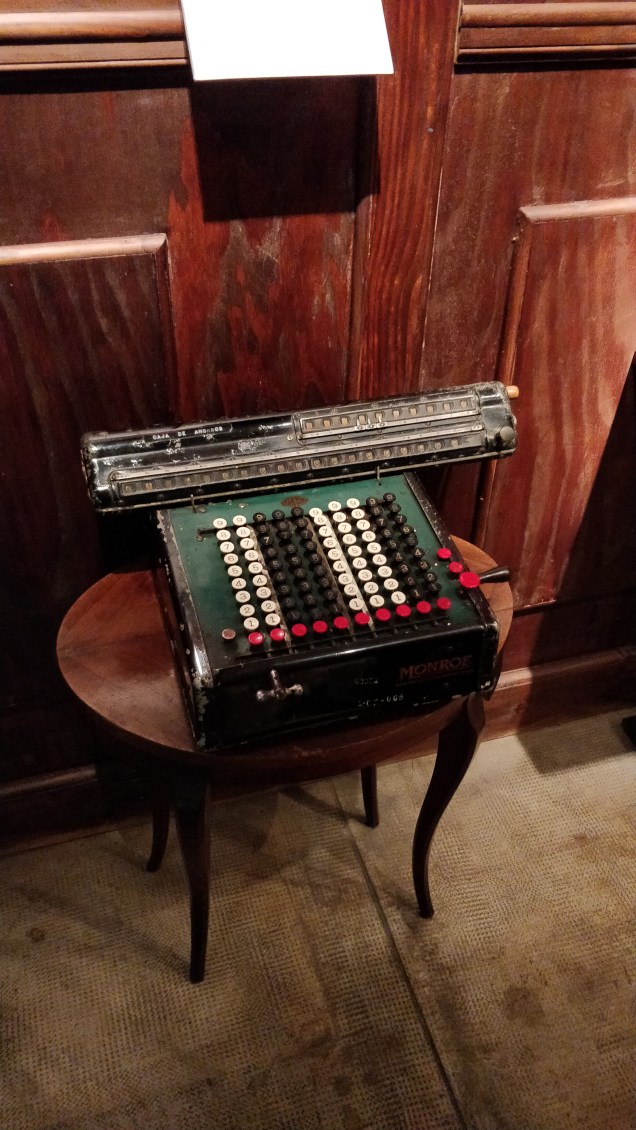
Next, there is a neat collection of work-related items from the 1910-1930s. As Argentina didn’t really do any manufacturing, this stuff came from abroad.

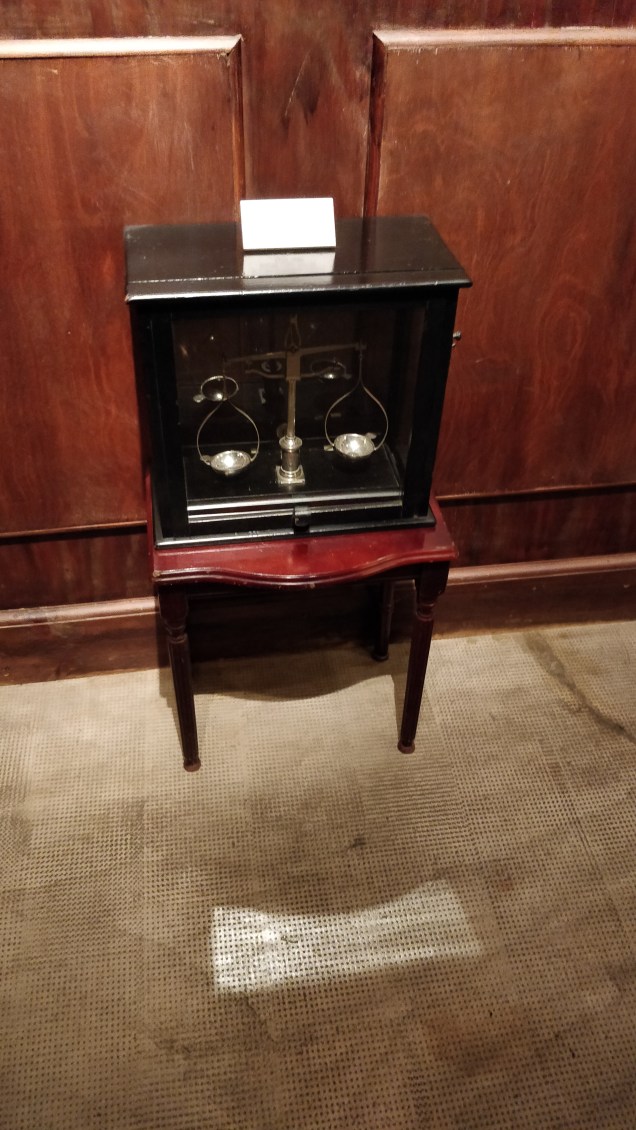
There is an area of the museum dedicated to the cafe Biarritz, which used to occupy the space the museum building takes up now. That cafe was a center of art in the working class neighborhood (la peña Pacha Camac, an artistic club in the 30s that I really need to learn more about), an important part of the history of Boedo.
Next up, the bank in the 1940s! The tellers actually got chairs for the first time.
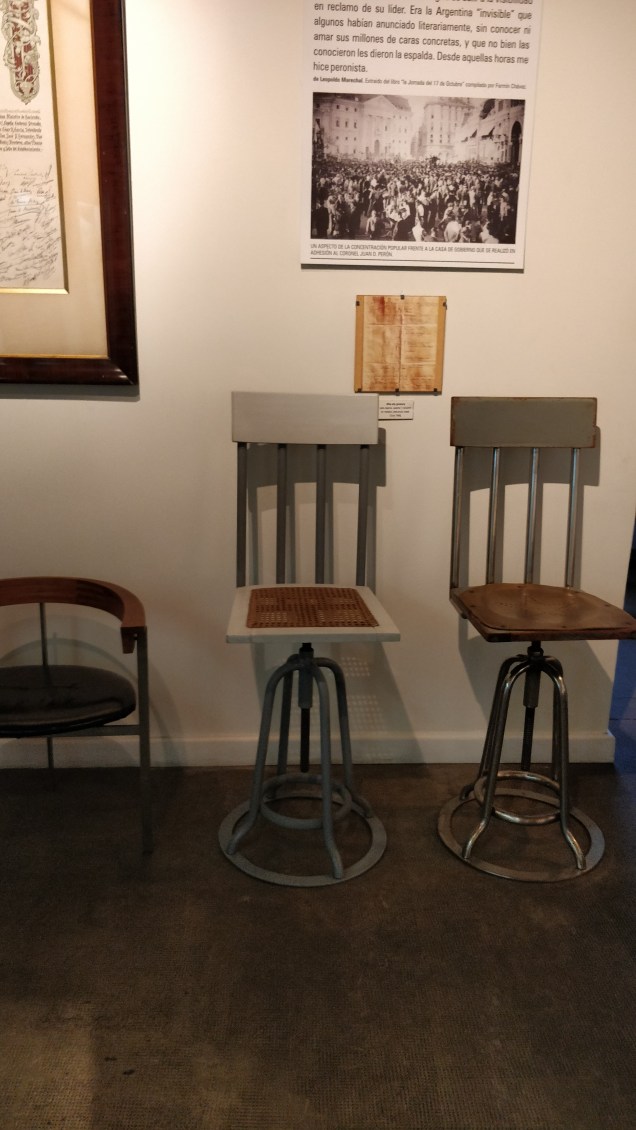
Reforms during the Peron era led to the employment of the ladies.
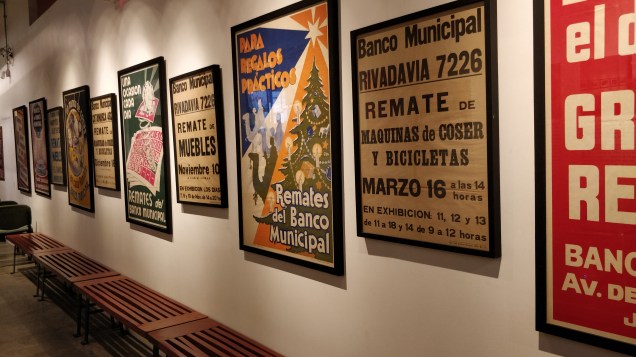
There’s also a lot of advertisements for auctions held at the bank:
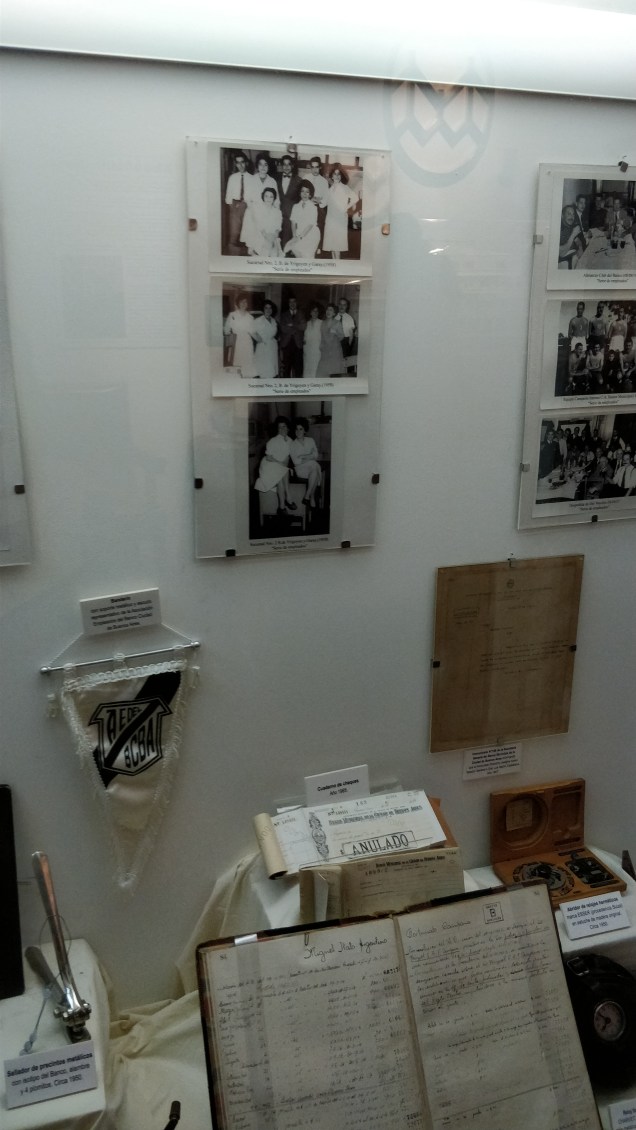
The displays moving into the 60s include examples of uniforms:

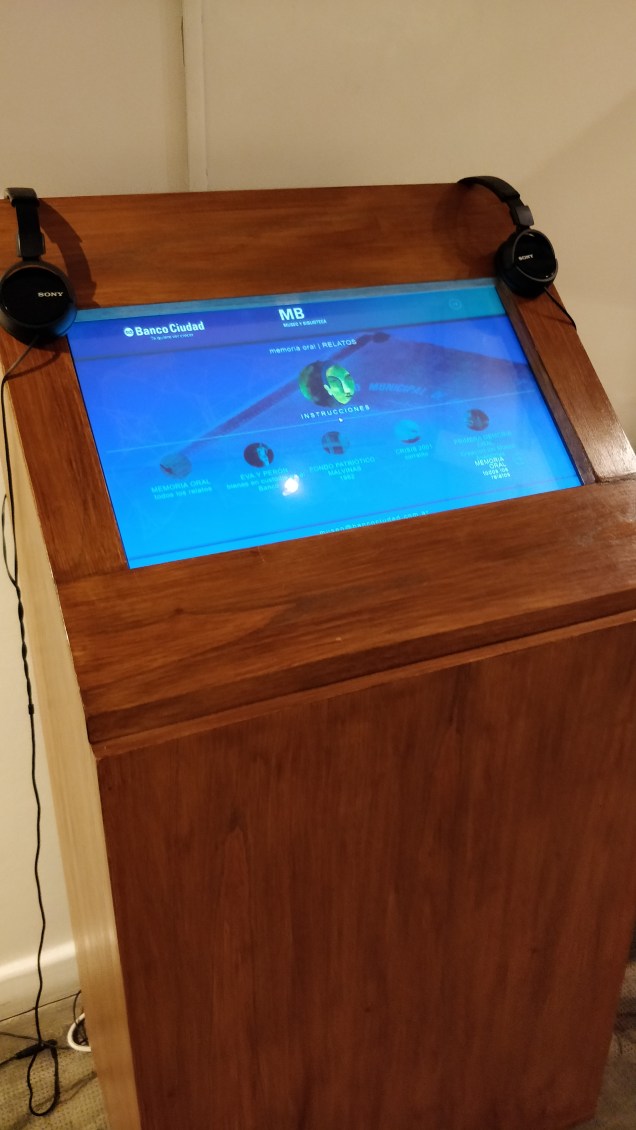
Ever the fan of incorporating multimedia presentations/interactive exhibits in museums, I was pleased to see (although too unskilled to use) an oral history archive, given by former bank employees:
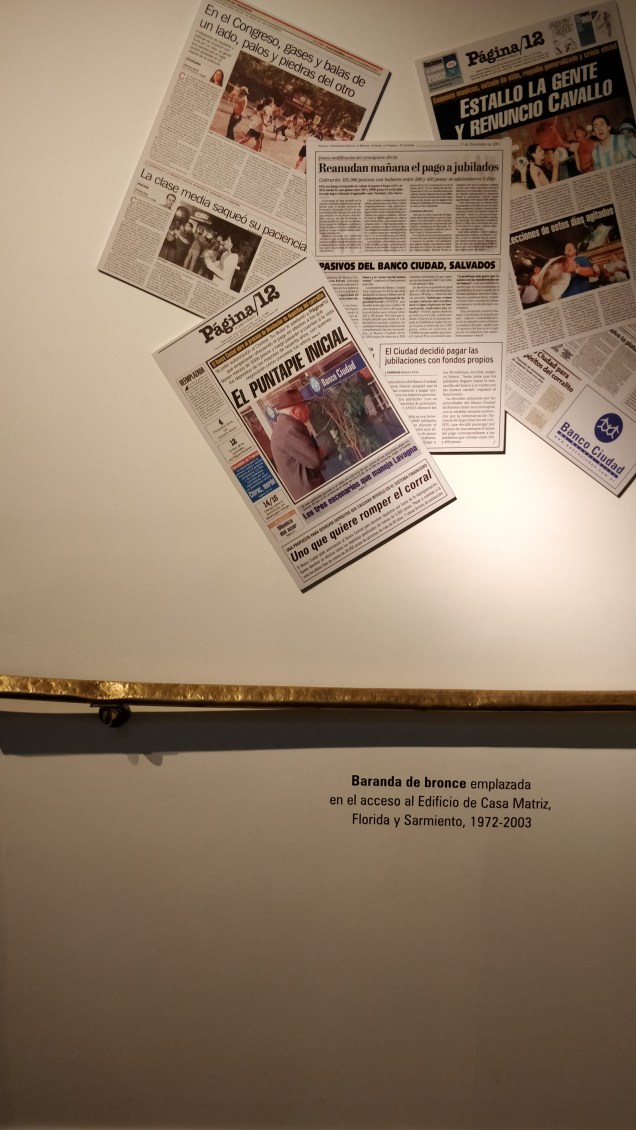
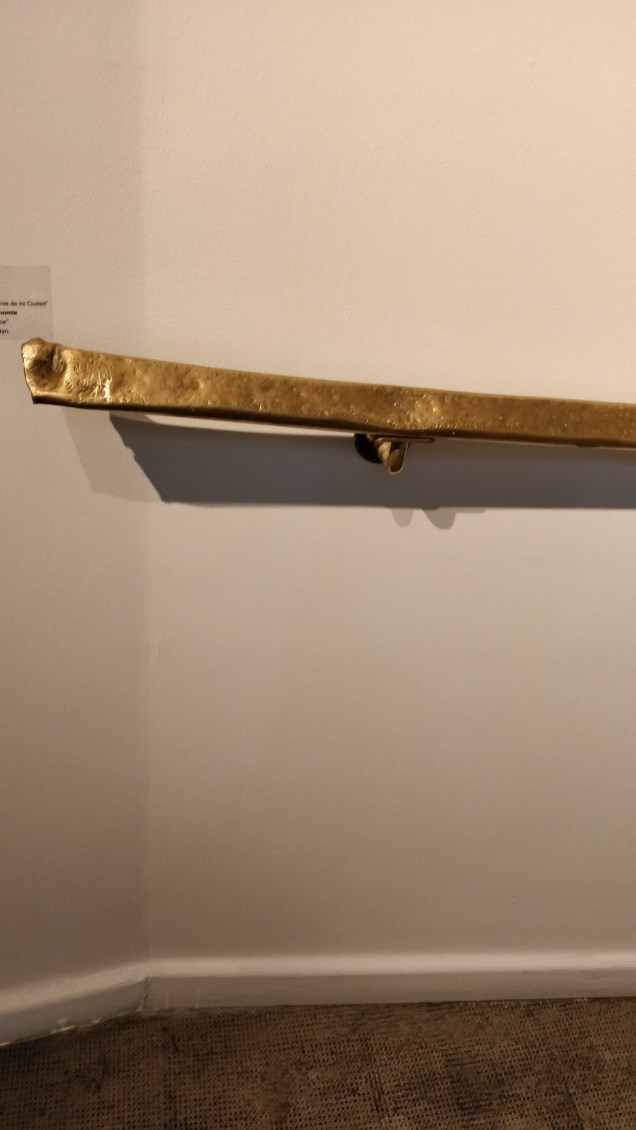
There is also a very interesting artifact and display from the bank’s more recent history: the 2001 economic crisis. The government collapsed and panicked bank customers beat the bronze door railing, which is here:
On the whole, it was a fascinating museum! My deep appreciation to my guide, who was fantastic. If you understand zero Spanish, this museum won’t be able to offer you much, but if you can at least get by, and have an interest in local history, it is worth a visit.
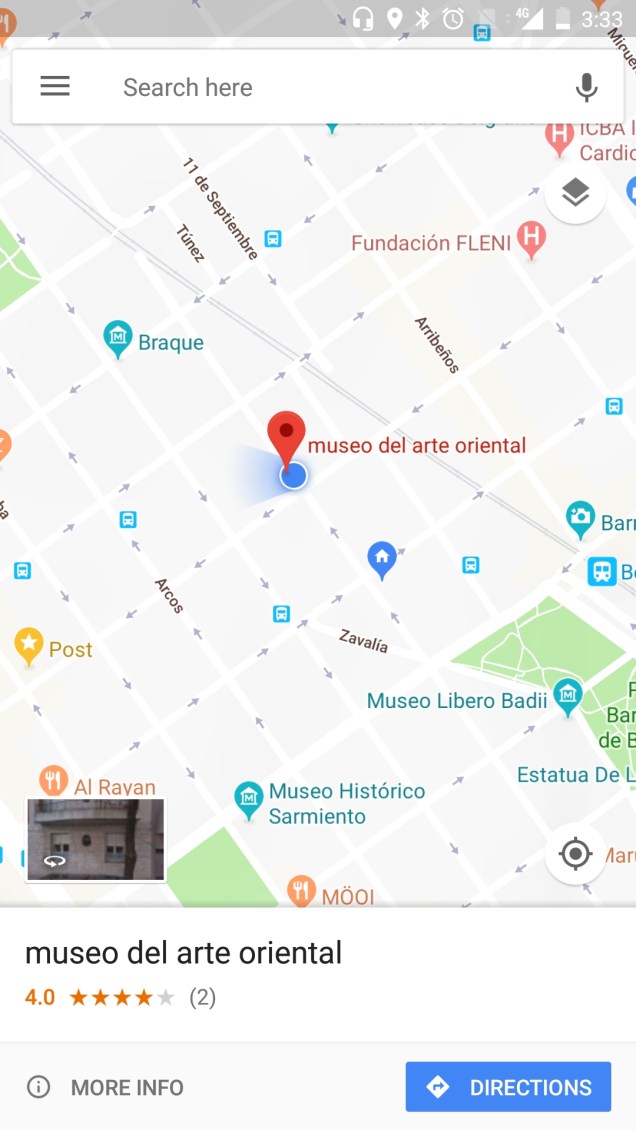
The museum is at Boedo 870, a couple of blocks from the Boedo stop on the E subway line. It’s open Monday-Friday from 10am to 5pm. Guided tours are at 1030 and 230 during the school year. Plenty of places to eat or have a coffee right around it, including the Notable Café Margot and Esquina Homero Manzi.
This is a row of buildings in Barrio Chino. It’s private property; you can’t go in.
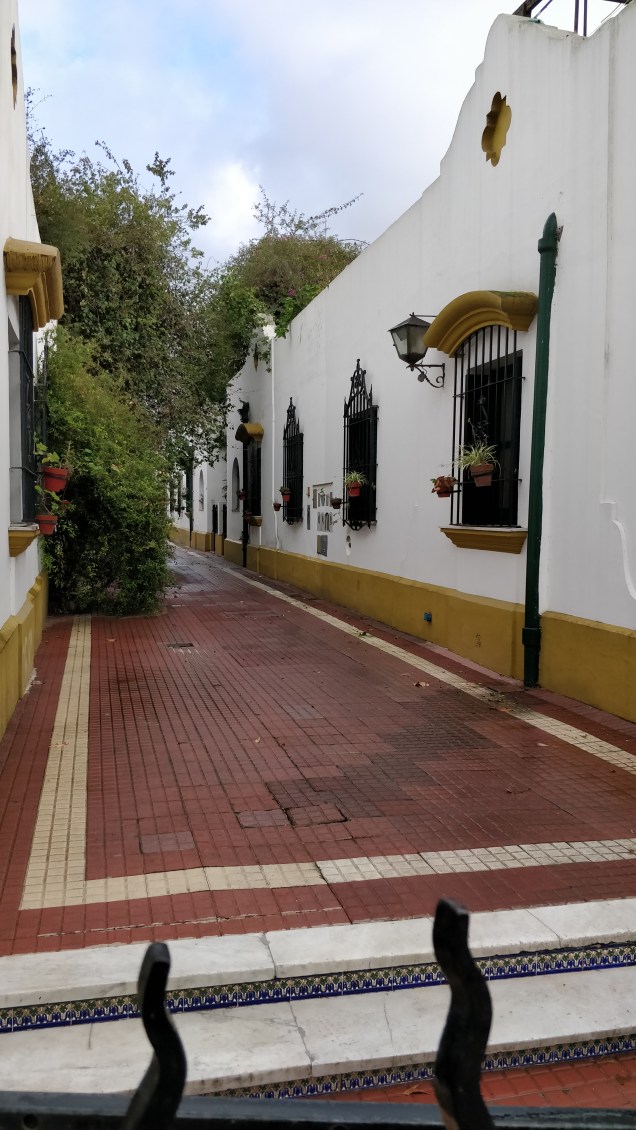
I don’t know what the City Museum Prize is, or was. But this place earned it.
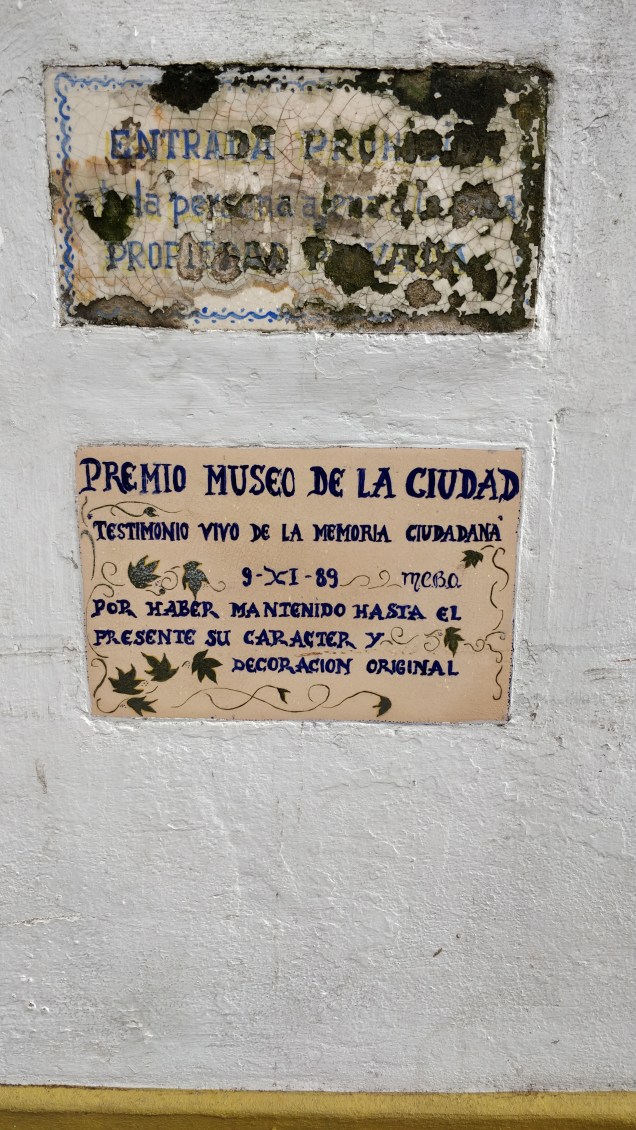
Though it’s a bit cheeky having a “museum prize” for something no one can go into.
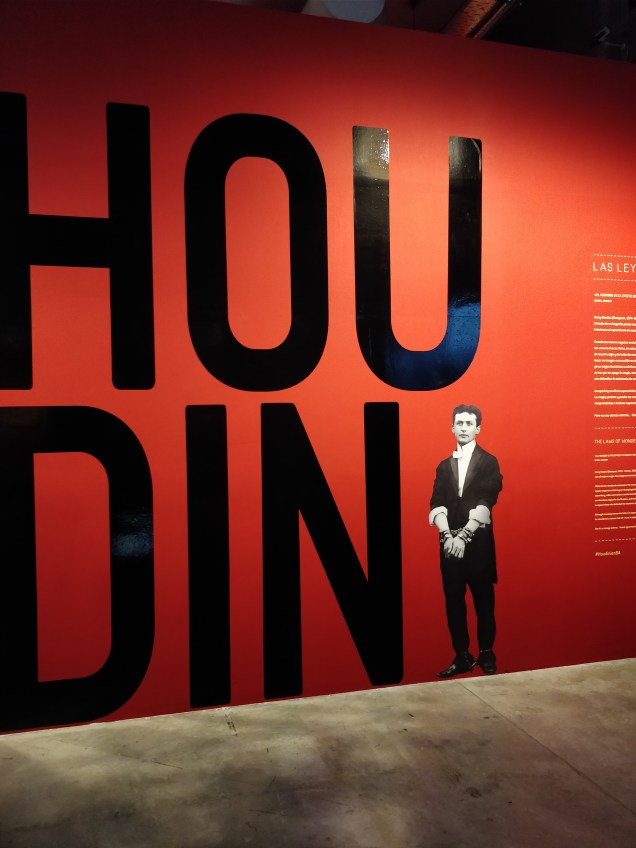
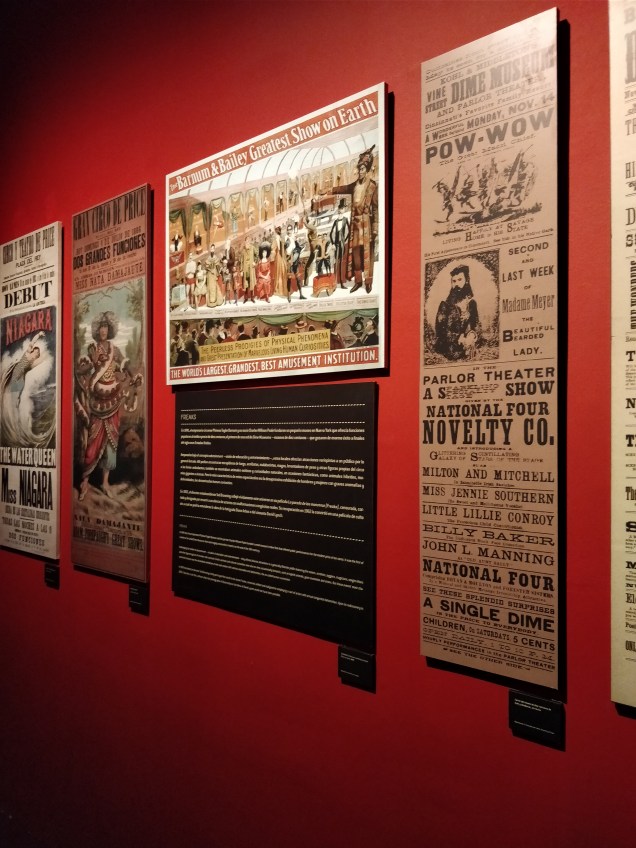
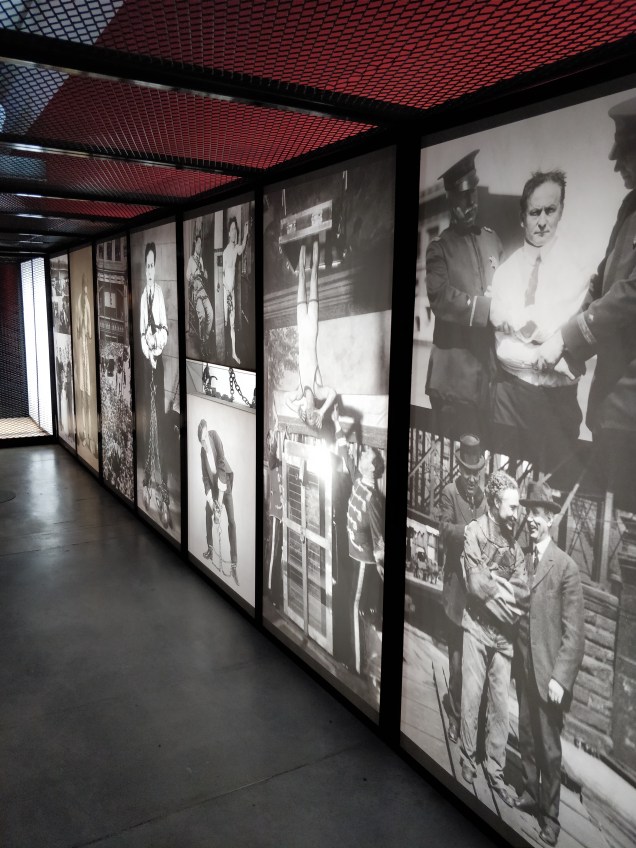
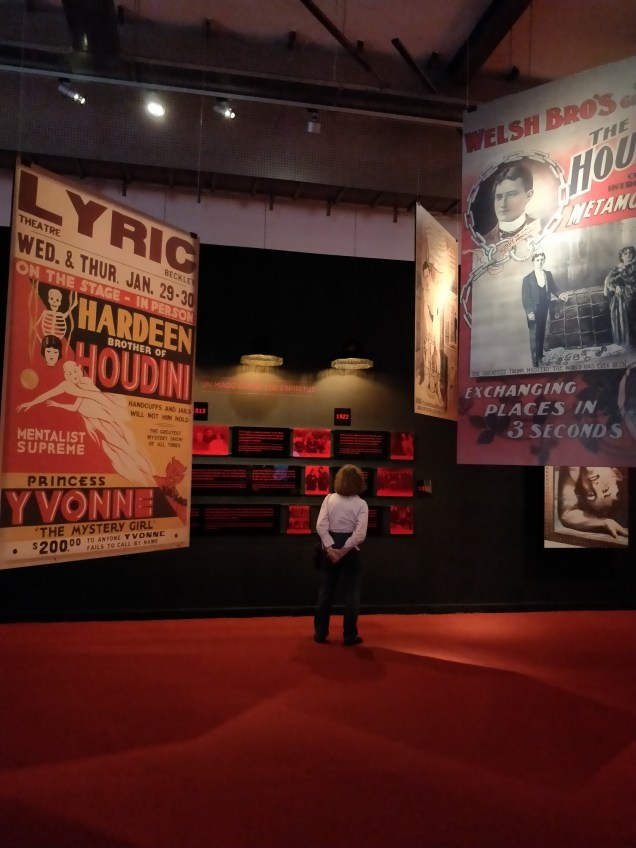
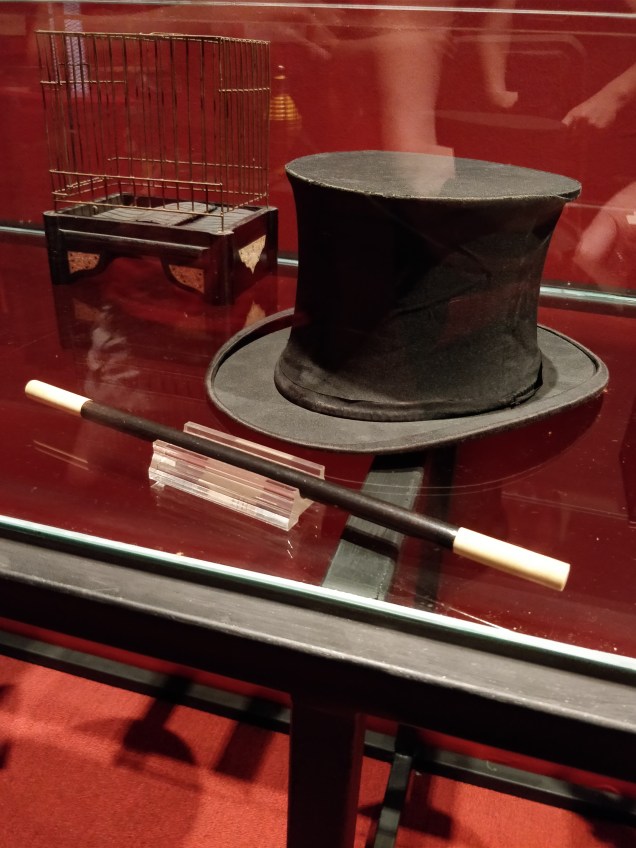
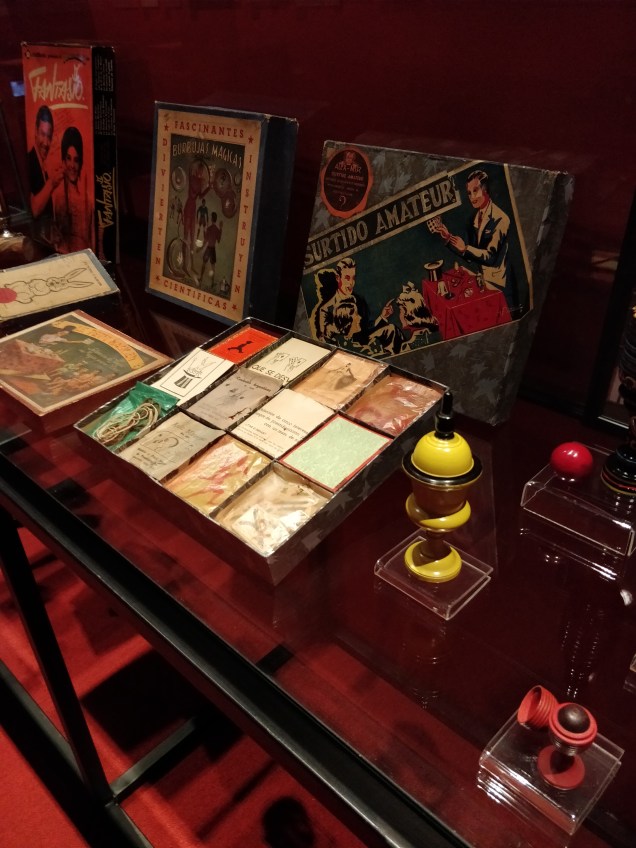
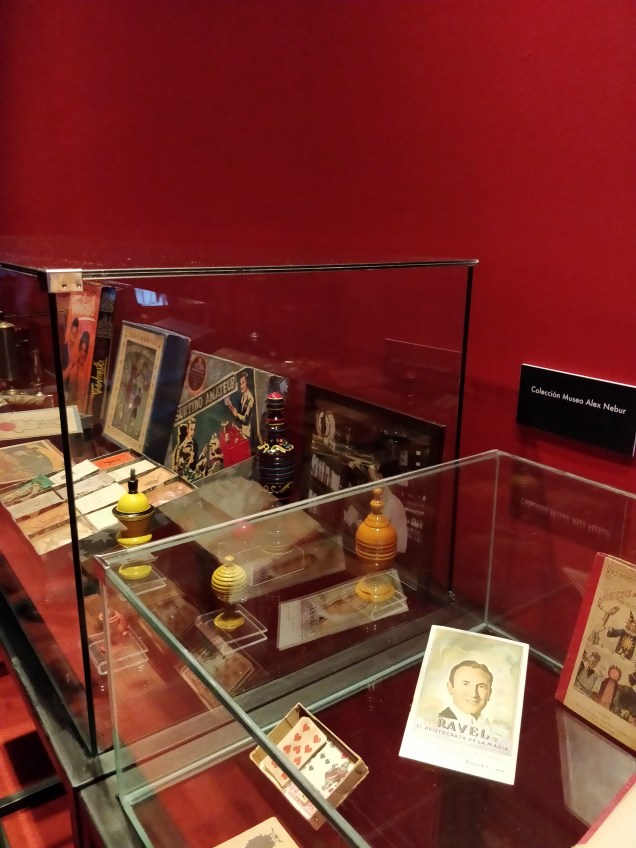
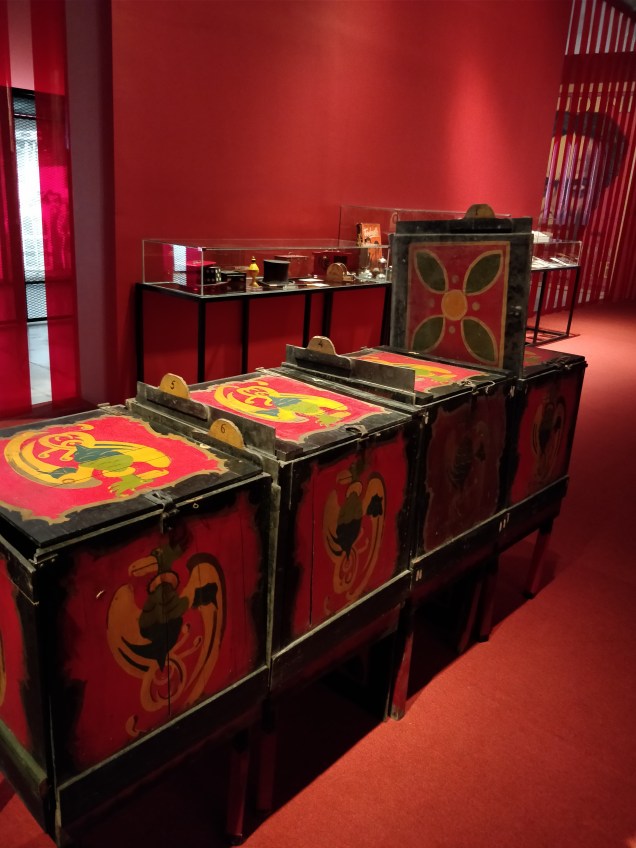
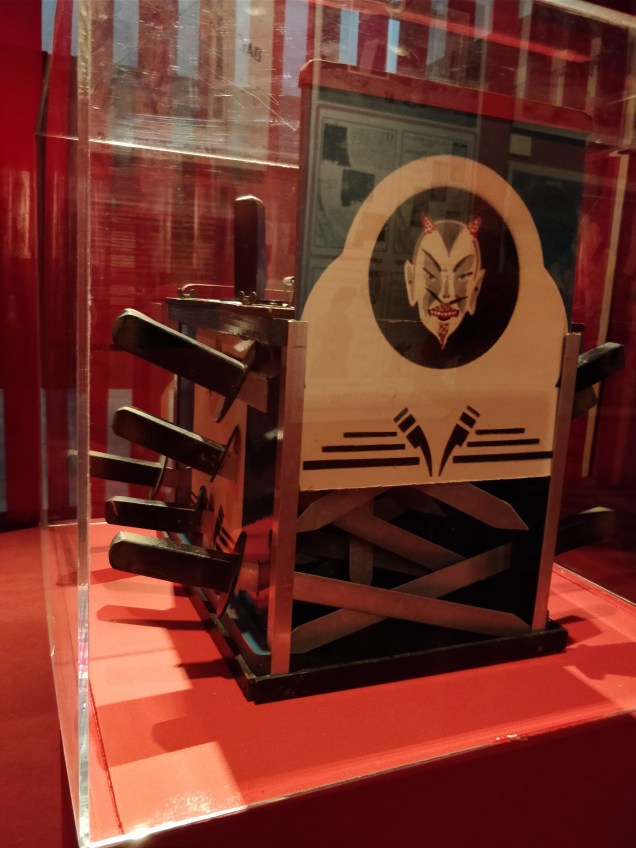
The Espacio Fundación Telefónica is the community cultural center for a multinational communications company, Telefónica. It hosts workshops and small but nicely curated exhibits, such as this Houdini one, which recently finished its run. It only took about 45 minutes to see everything, and while it was light on Houdini-related artifacts, it did have some pretty cool vintage magic and illusion objects, as well as a good layout and use of its small space. Houdini’s biography was presented and given some contemporary context, and the signs were in both Spanish and English. It was free, fun, and interesting. Here’s my photos. Sorry this is so short, but I need a nap.

Our third stop in Luján is part of the museum complex, in much larger buildings, because it’s got a bunch of moving things in it!
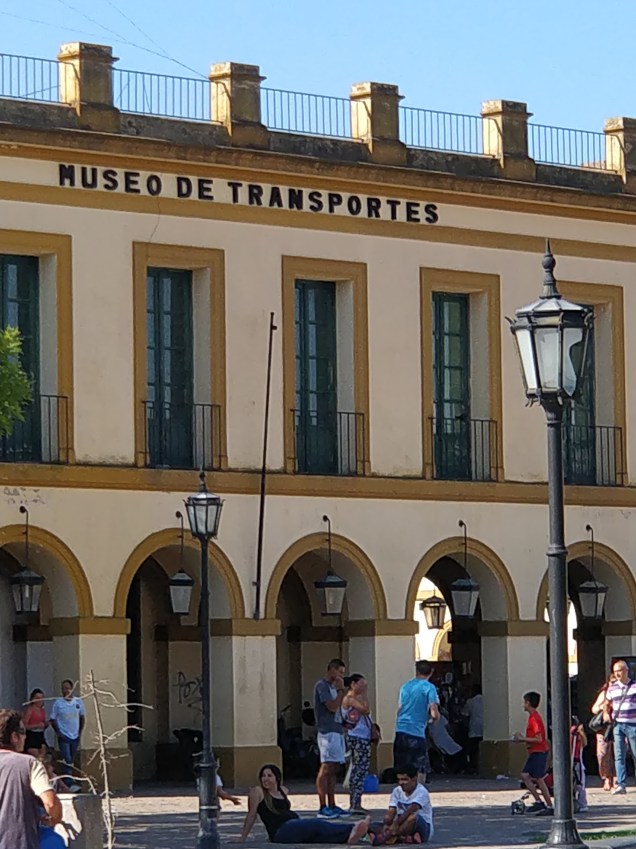
Now, normally, I’m not a big fan of transportation museums. Things that transport are pretty utilitarian to me; it would be like visiting a museum of hammers. Cars are especially boring. But fortunately for me, this museum was chock full of OLD-TIMEY TRANSPORTS. And those are much more fun.
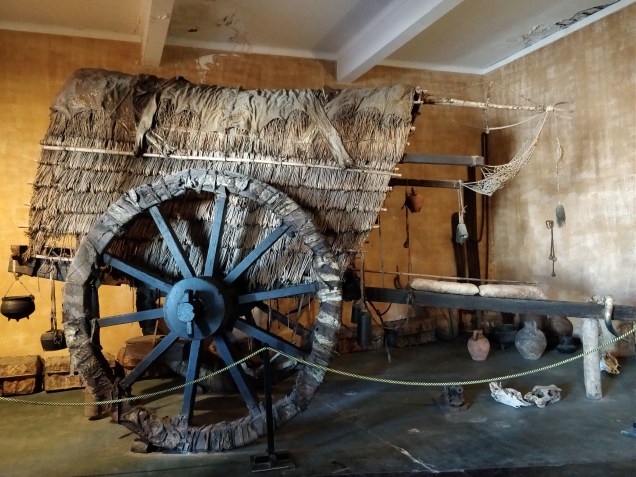
Old-timey things are often interesting because of their scale. It is difficult, for whatever reason, to accurately imagine the size of things without our bodies physically there to compare to. If you only see representations on TV or on paper, it’s still a bit startling when you find yourself occupying the meatspace with a covered wagon, a steam engine, or an NBA player.
The museum’s steam engine and train cars were not available to climbing, but they thoughtfully included very scary mannequins.
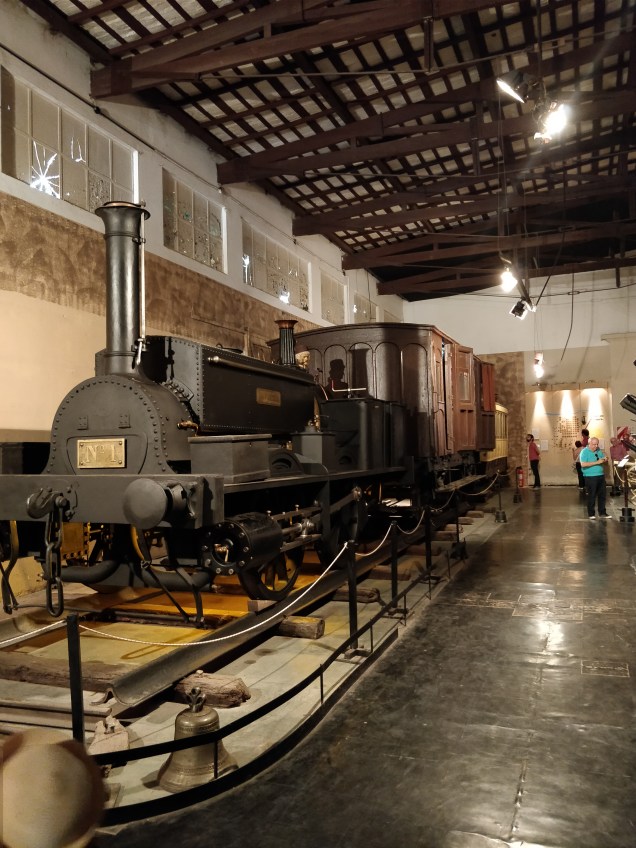
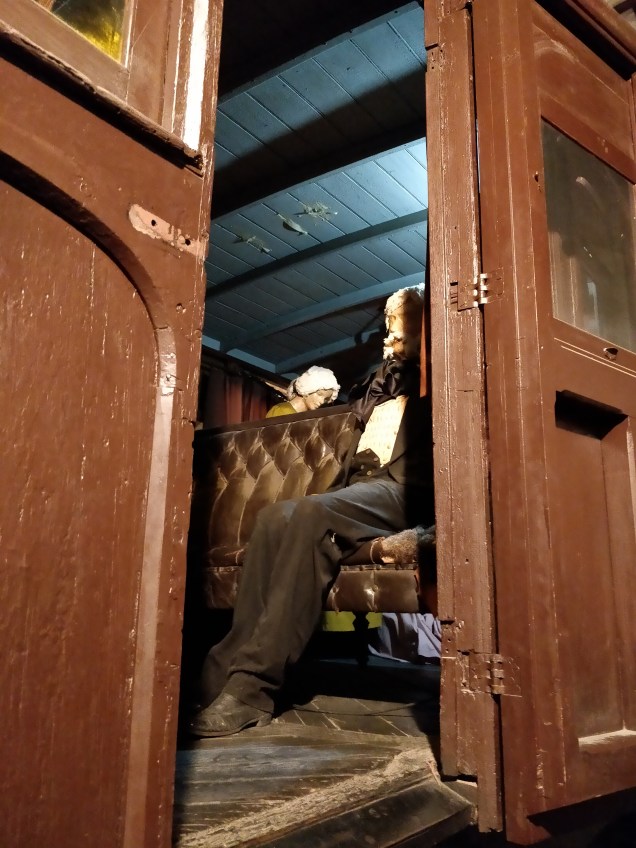
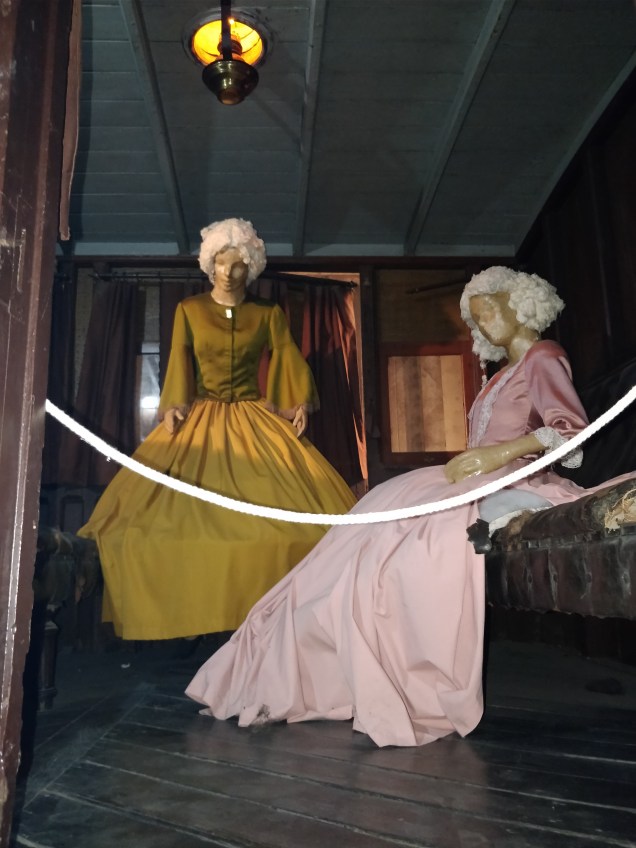
Let’s take a look at a carriage for classy people! This one was presidential, so it has the fancy national logo.

I really liked the bicycles.
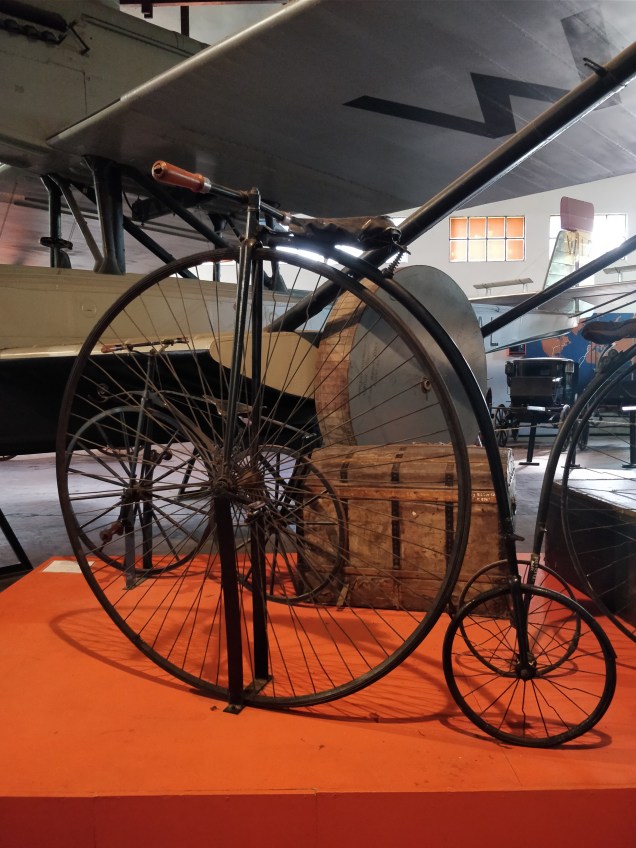
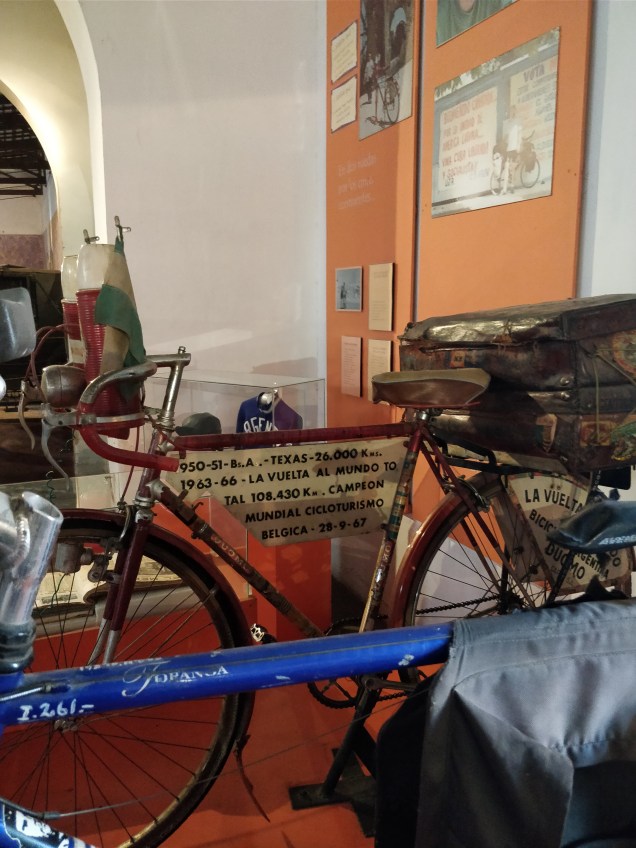
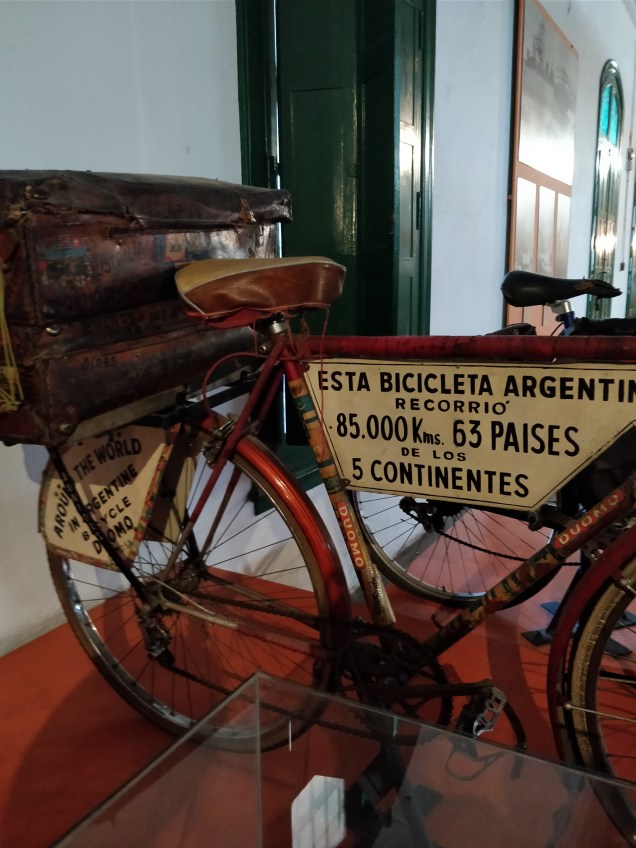
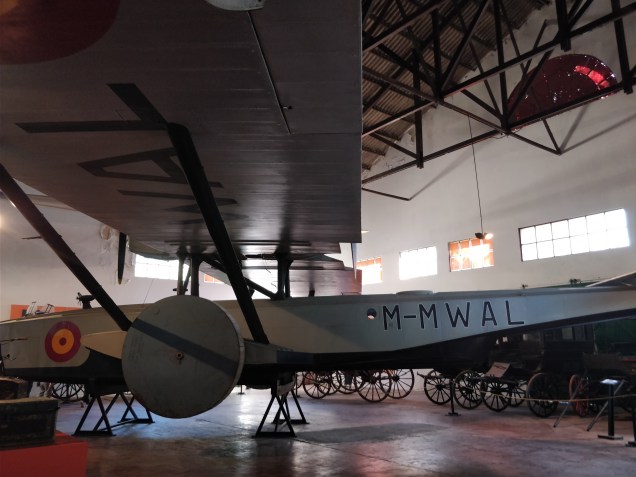
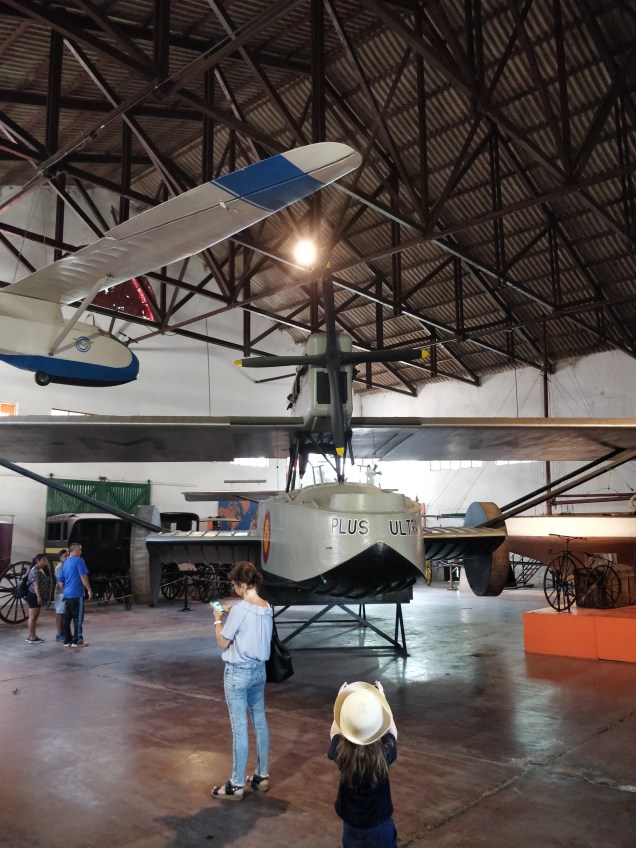
You can also find the Plus Ultra, the first plane to cross the southern Atlantic, in 1926. It was given to the Argentine Navy and also delivered mail.
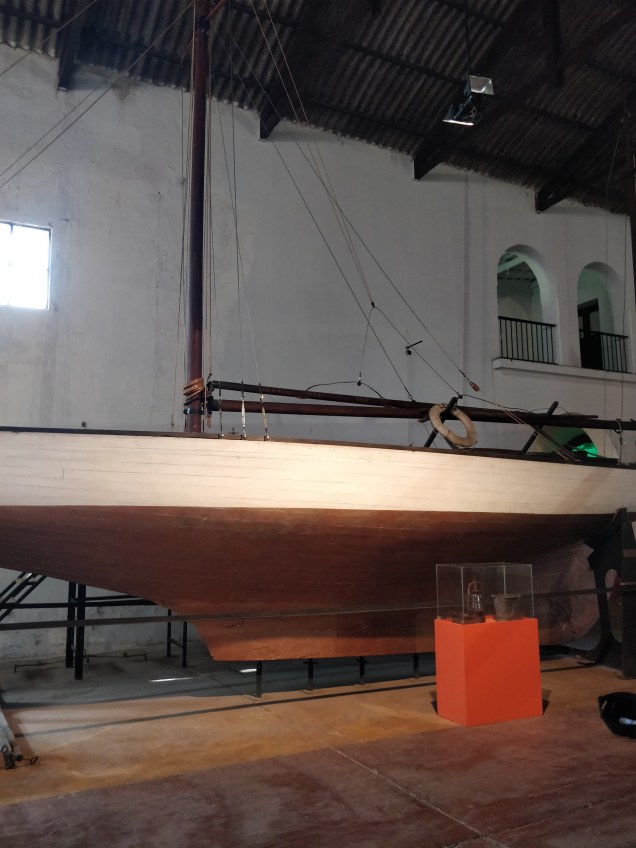
There is a sailboat!
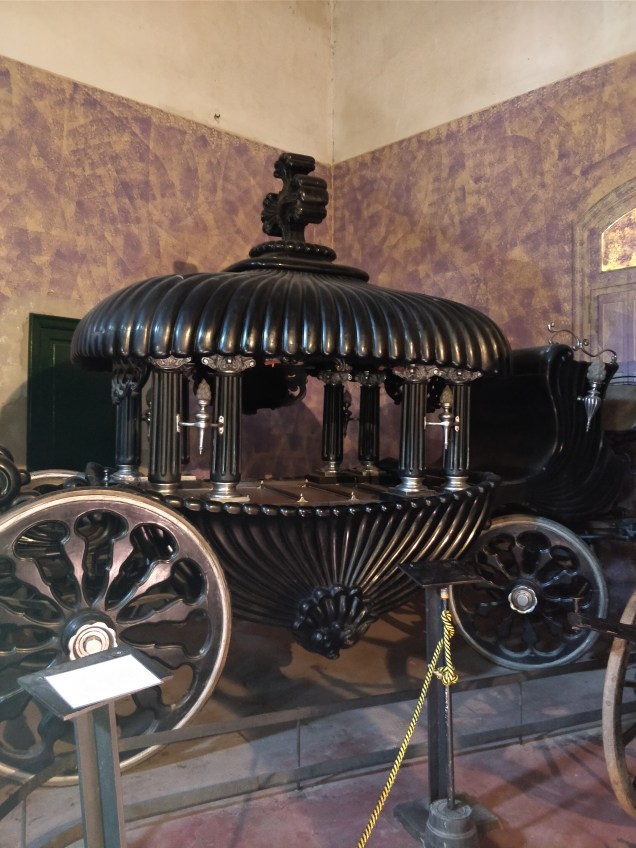
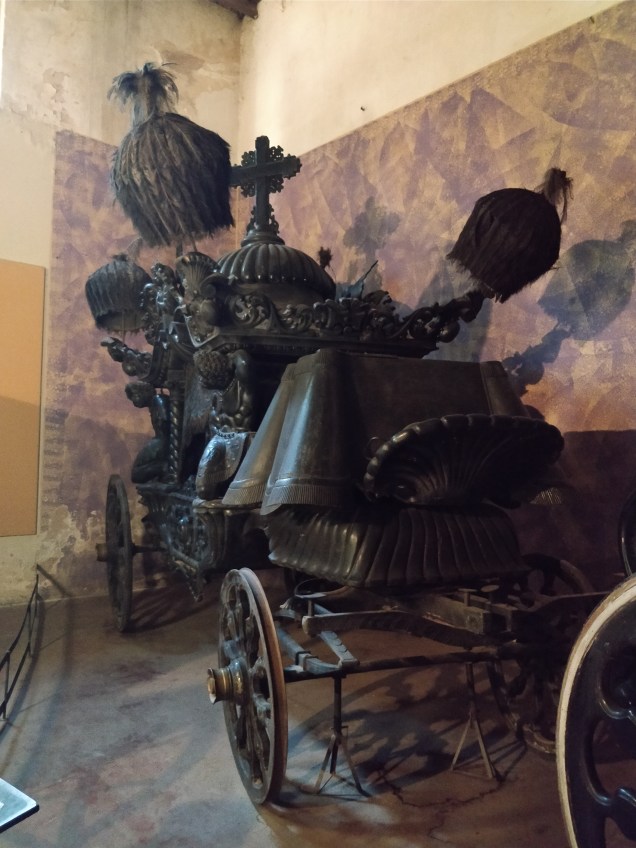
Now there is apparently a popemobile that I did not notice, and there are many, many carriages on display, but the most impressive are the 1880 funeral coaches:
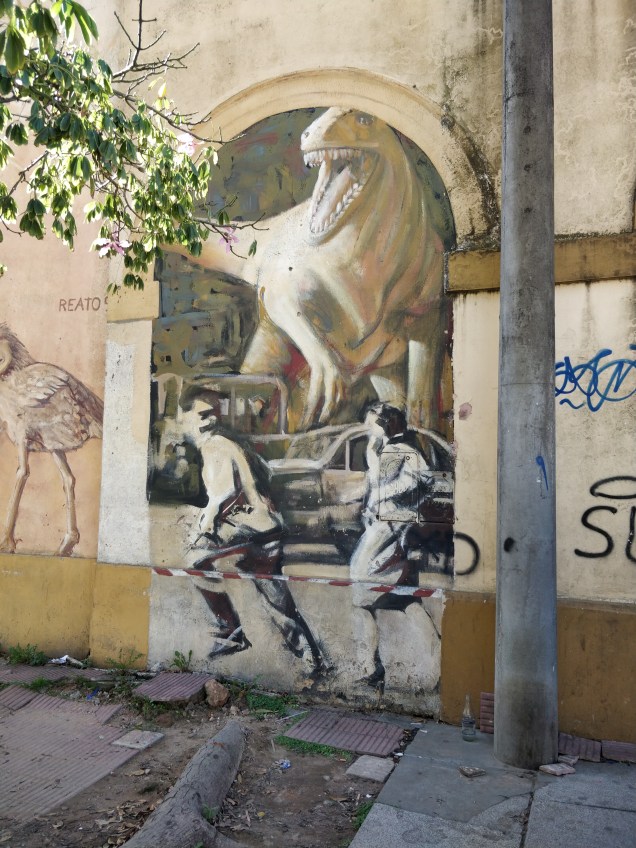
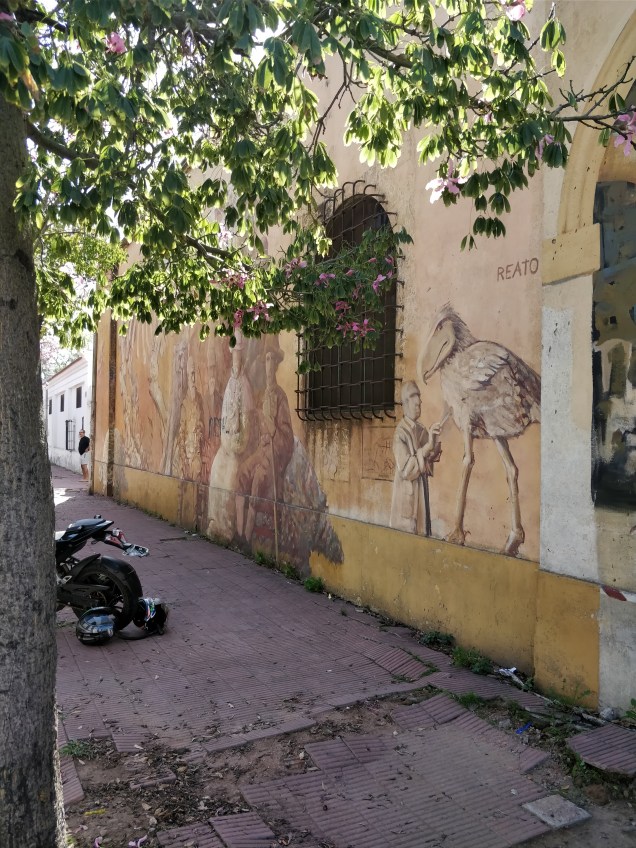
So that’s the Museum of Transport, and it was much more fun than I expected it to be. Open seven days a week with a very inexpensive ticket. I leave you with a couple of views of a nearby mural, that I think is on one of the museum buildings.
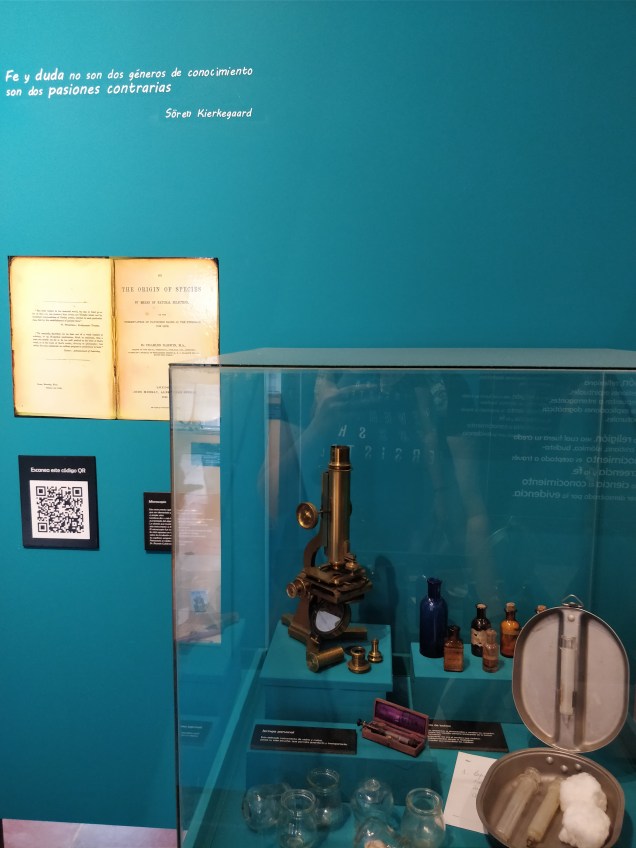
Continuing the whirlwind tour of my whirlwind tour of museums in Luján, this is the El Museo Colonial e Historico in the Complejo Museográfico Provincial Enrique Udaondo:
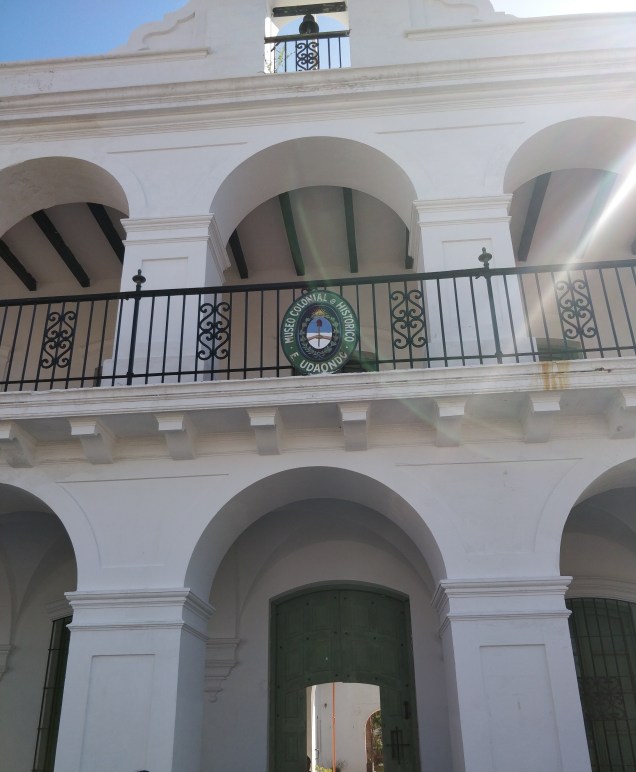
The museum is comprised of the oldest buildings in the province, if my obscenely poor Spanish serves, and so provides some lovely examples of colonial era architecture.
It also provides examples of a variety of historical thingamajigs.
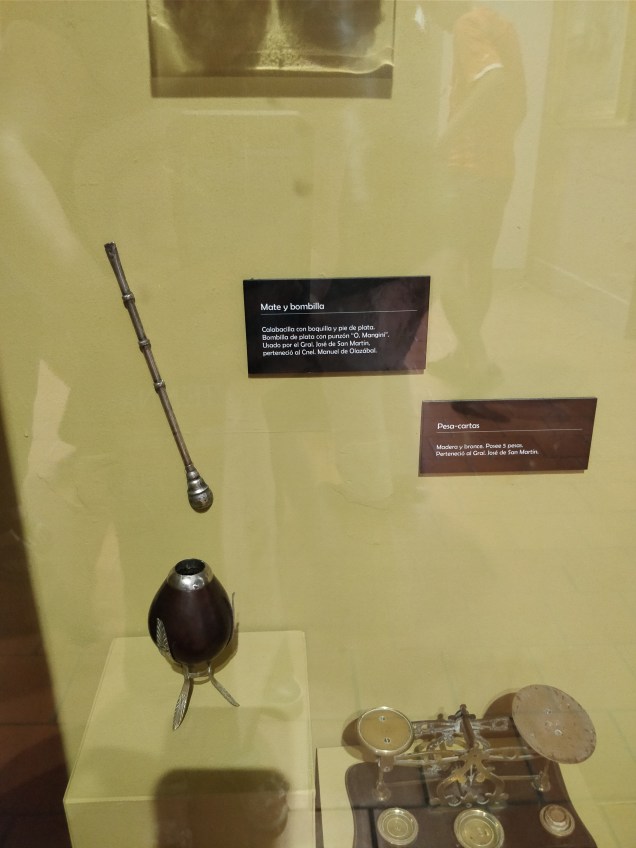
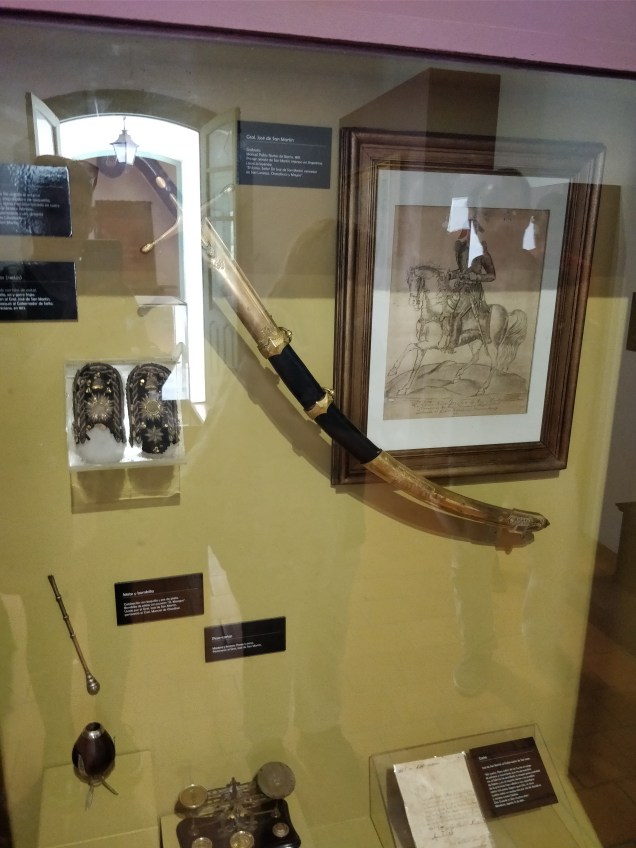
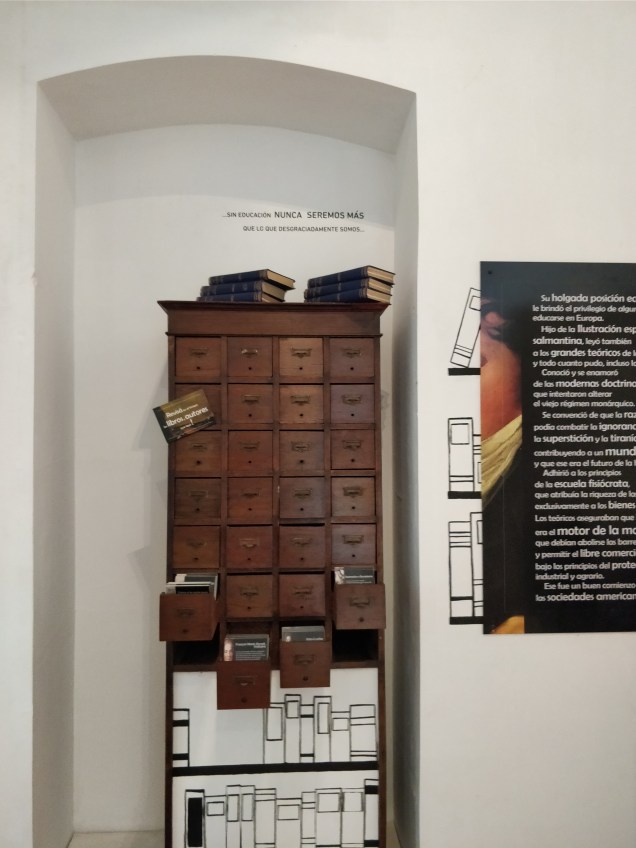

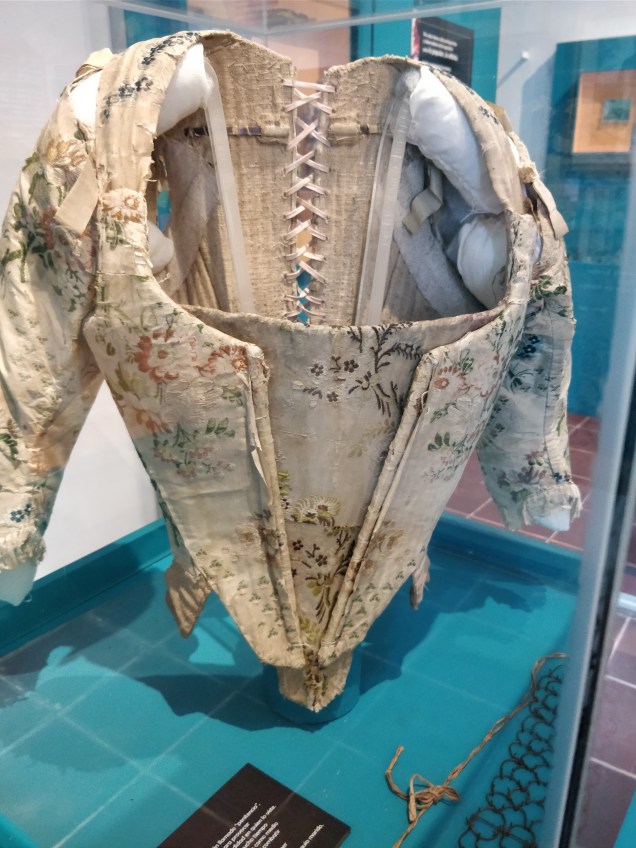
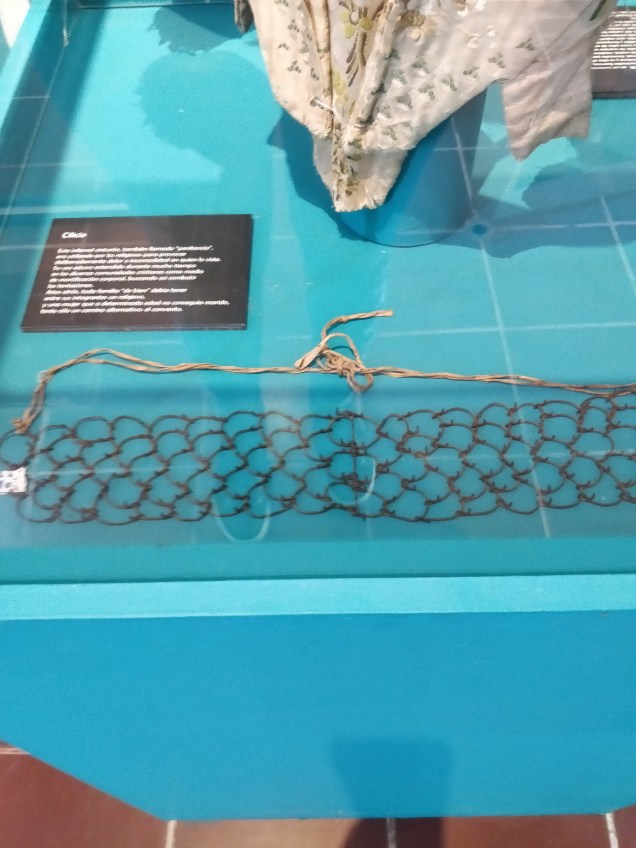
There’s old-timey science!
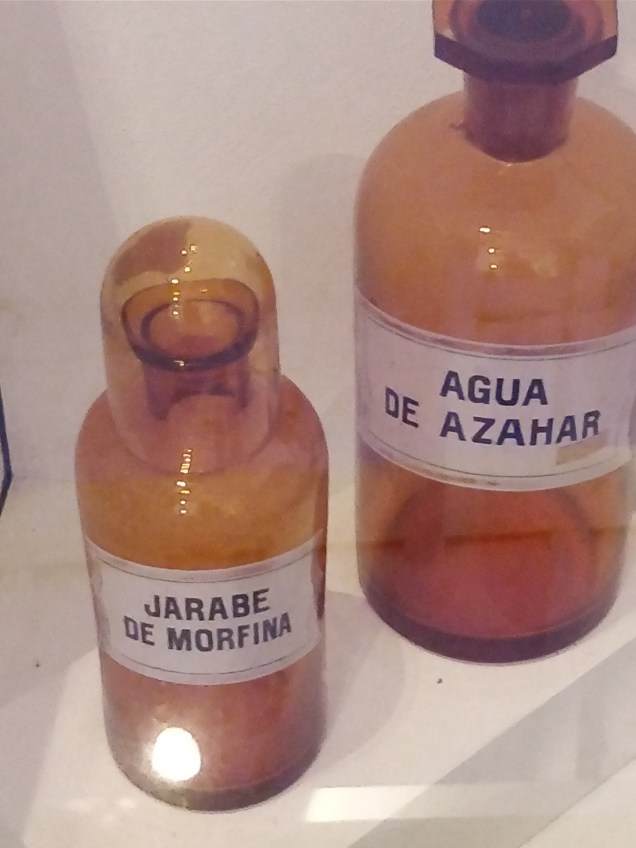
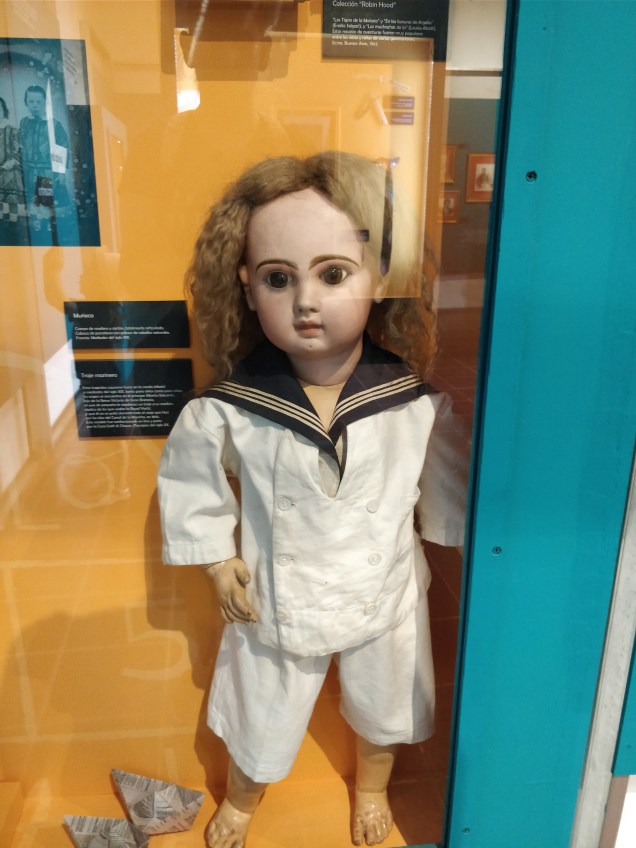
And the requisite haunted doll.
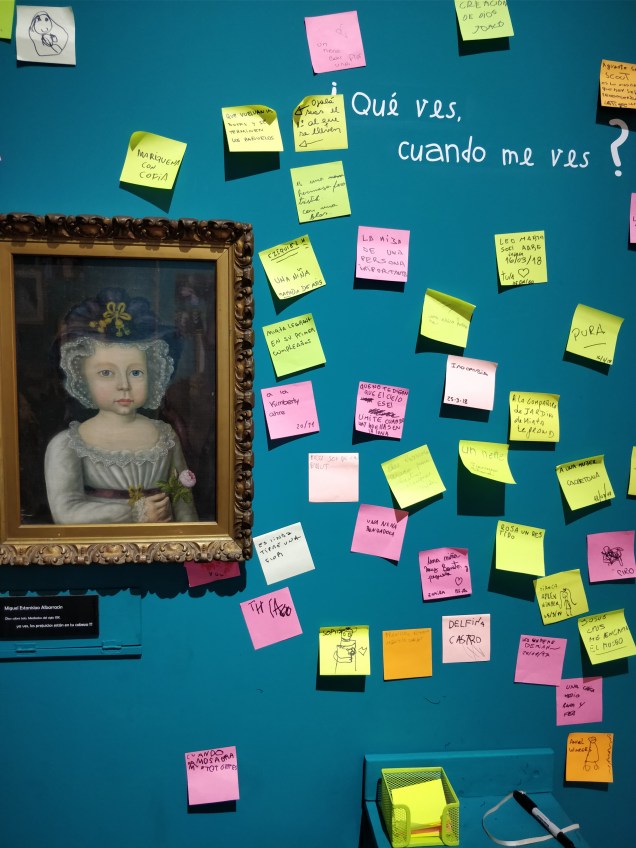
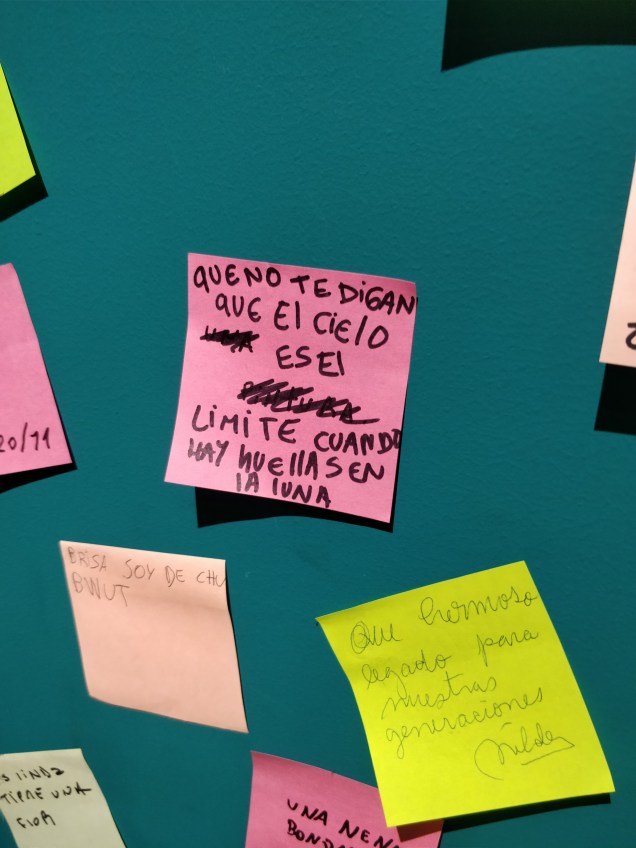
It’s a thoughtful, wide-ranging museum, and it includes some comparisons between olden times and modern ones. Ever a fan of interactivity in museums, I was pleased to see a wall that invited visitors to write down what they see in an old painting of a young child.

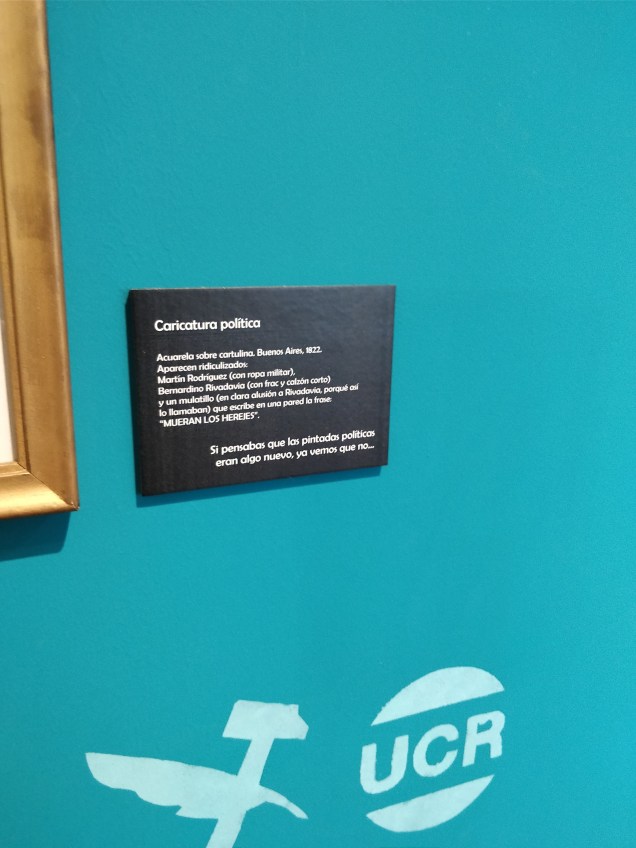
Speaking of political scribbles! A lesson in political cartoons:

And, very pleasantly, a comparison of family life and marriage, which includes, for modern examples, two married men and a bi-racial family. It also talks about how the idea of what constitutes “women’s work” has changed.


There’s more there! It’s really a lovely, thoughtful history museum and worth a visit. It’s closed Mondays and Tuesdays except for previously arranged guided tours. There is a entry fee, and I can’t remember how much it is, but it was inexpensive.
This little warm hug of art, I swear.
Now, I am very, very behind, owing to a burst of paying work that I reluctantly gave priority to, so here’s a very brief introduction to a teeeeeny tiny museum.
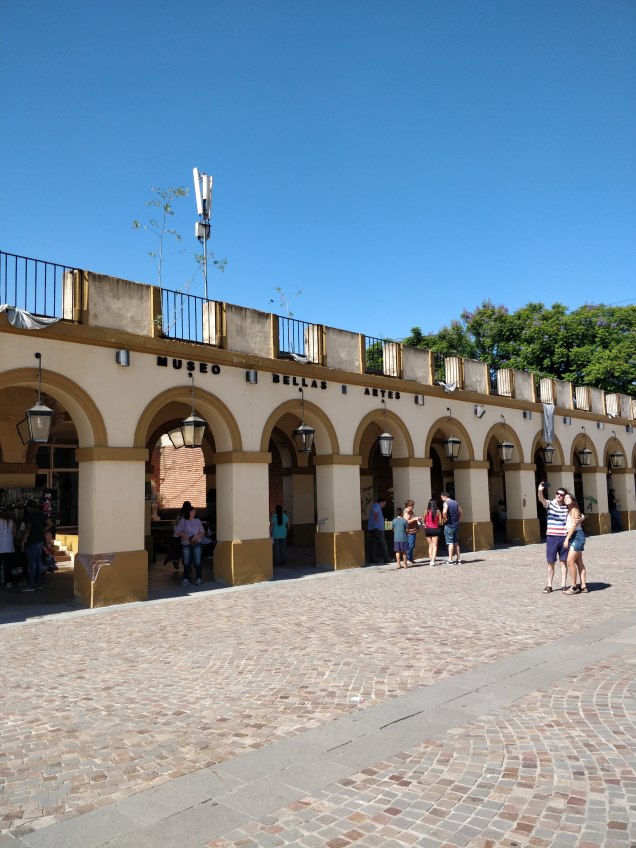
The Museo de Bellas Artes is located, along with most stuff anyone ever sees in Luján, on the long main square that ends in the basilica. It’s free, and you might spend half an hour there. I believe the art is primarily Argentine. I am especially fond of the motorcycle mantises, from the series “Motomantis,” by Marta Gonzalez.


The main hall:
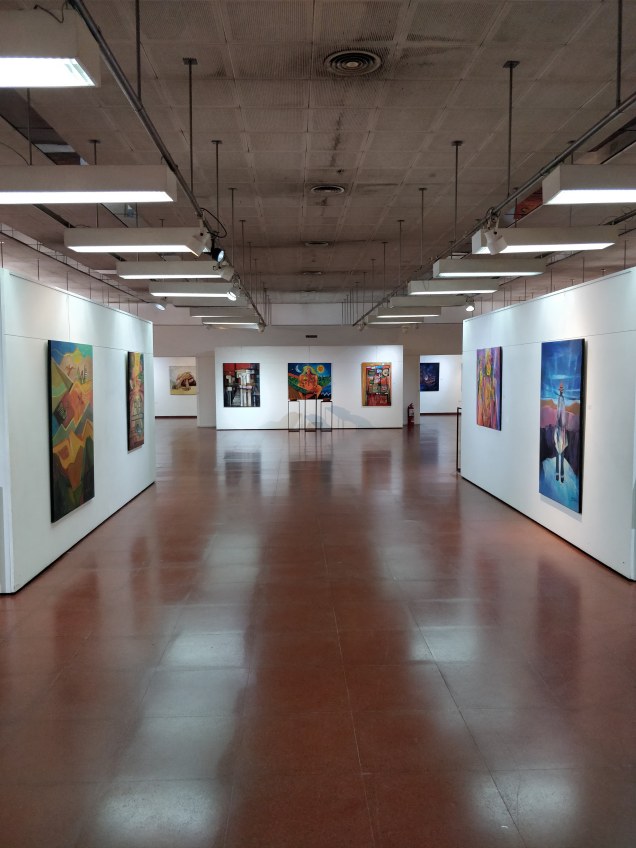
And a couple more of my favorite paintings currently on display:
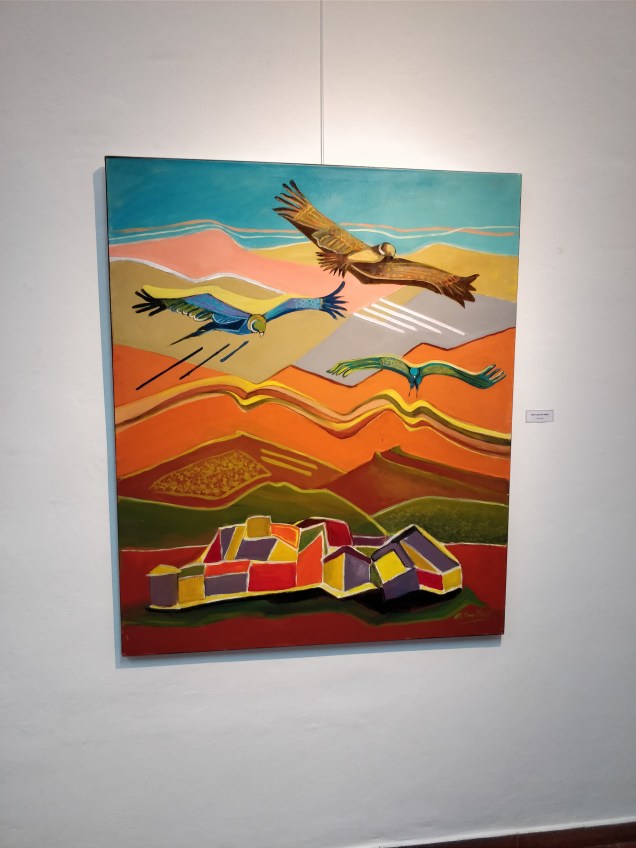
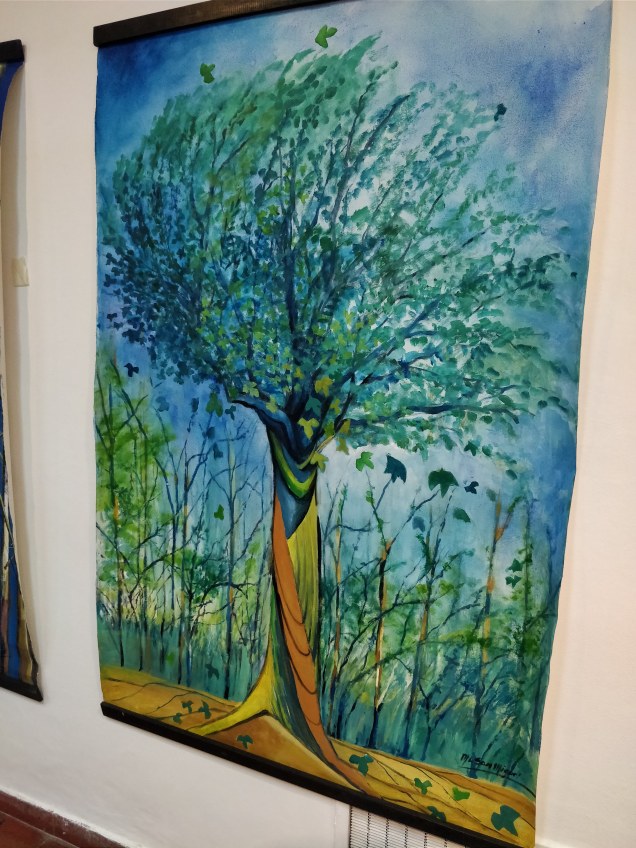
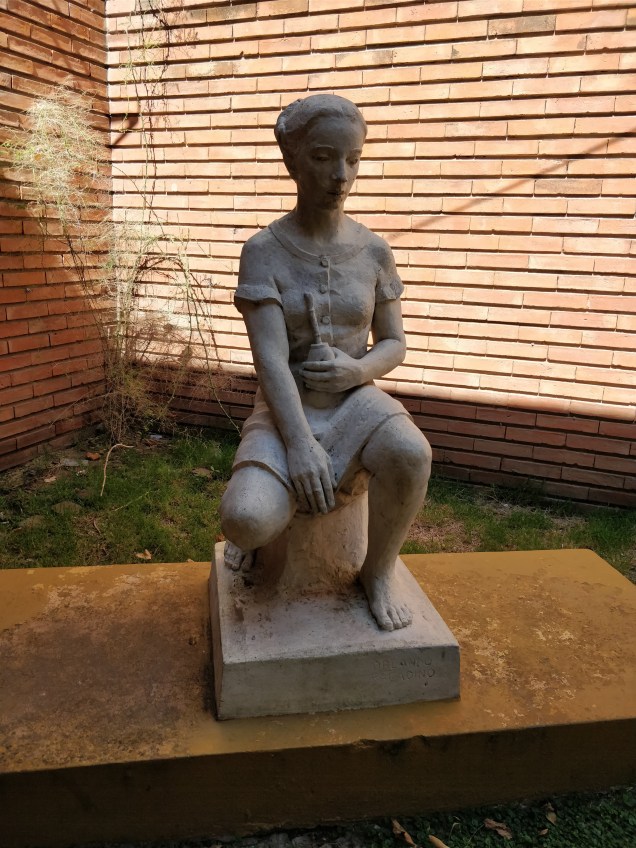
The museum also features sculptures, including a bit of outdoor sculpture space, although the real work on display here is my terrible, terrible photography:
Right outside the front door, a sculpture of a woman with a mate.
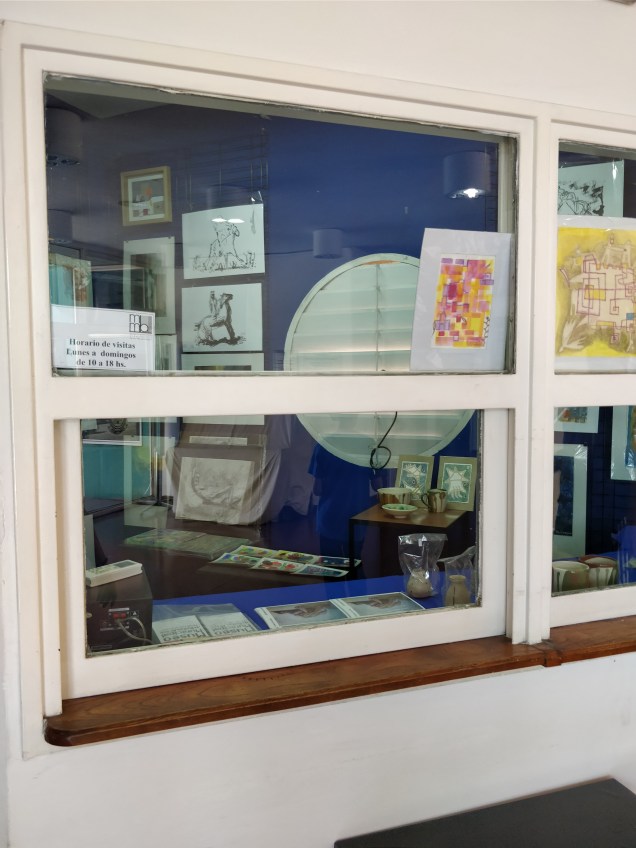
There’s even a tiny shop, although it was unmanned during our visit.
So if you’re in Luján, pop into the art museum and give your eyeballs an art snack. It’s free, open seven days a week, and located right by the basilica, several places to eat, other attractions, and many, many souvenir stands offering a bewildering array of basilica-branded merchandise.
Hahahaha, no not that pilgrimage.
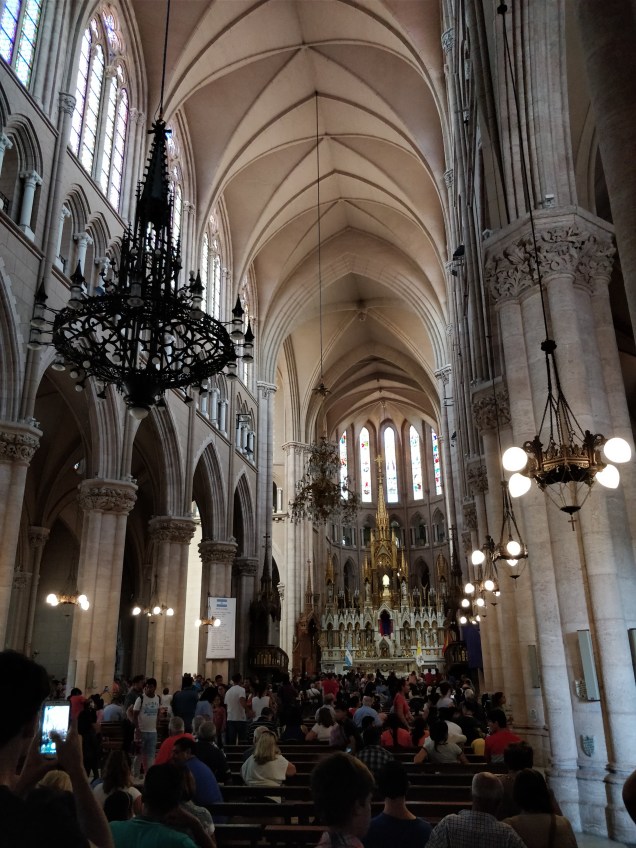
Luján is a popular, actual religious pilgrimage destination as the site of a large Neo-Gothic basilica and the 388-year-old icon therein.
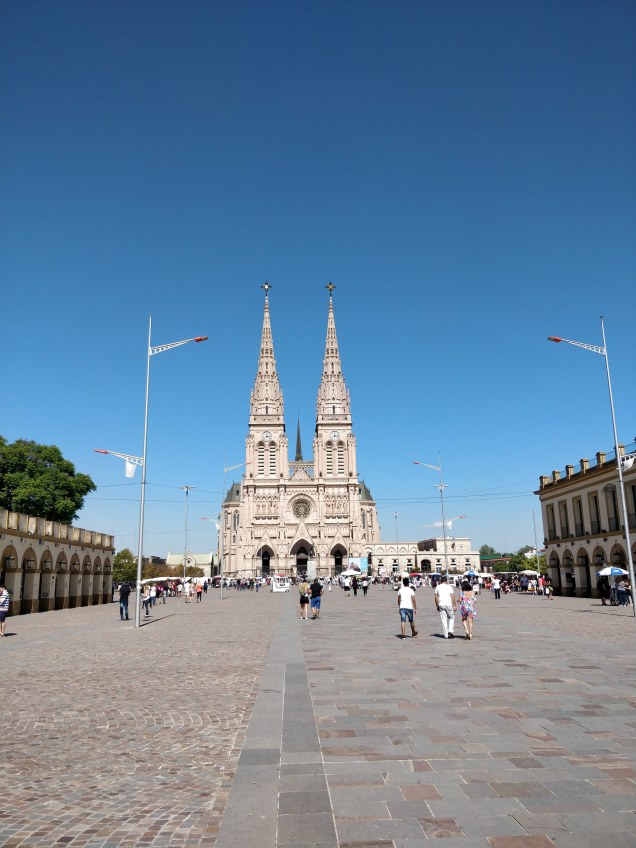
That icon is Our Lady of Luján, the official patron saint of Argentina, Uruguay, and Paraguay. I neglected to get a photo but it was Good Friday and the basilica was super full. The icon was commissioned for a man in Santiago del Estero, but when the caravan parked in present-day Zelaya, the oxen refused to continue until the statue was unloaded. This was seen as a miracle. The Virgin clearly wanted to stay in a tiny podunk that happened to be much, much closer to Buenos Aires than Santiago del Estero. That didn’t stop someone from moving her about 50 km away to the larger podunk of Luján 40 years later. The basilica was started in 1890.

But ALSO in Luján are some museums! I was only there for the afternoon so I didn’t even see them all! What I did see is coming up next!
Sooner or later, I’m going to get to some of the Big Museums of the city, but I must say, I really enjoy poking around the little gems. It doesn’t take long to go through them, but you can just feel the love, ya know? So today, here’s another wee treasure of culture and anthropology.
The Museo Nacional del Hombre blends right into the neighborhood:
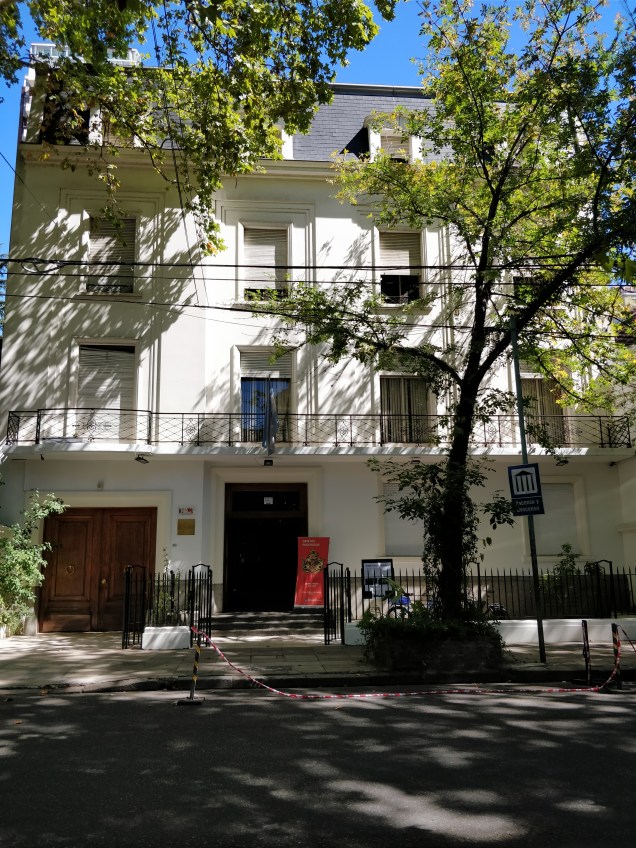
And therein you will find some rooms devoted to the native peoples of Argentina. The first room covers historical objects of and information on ancient cultures.

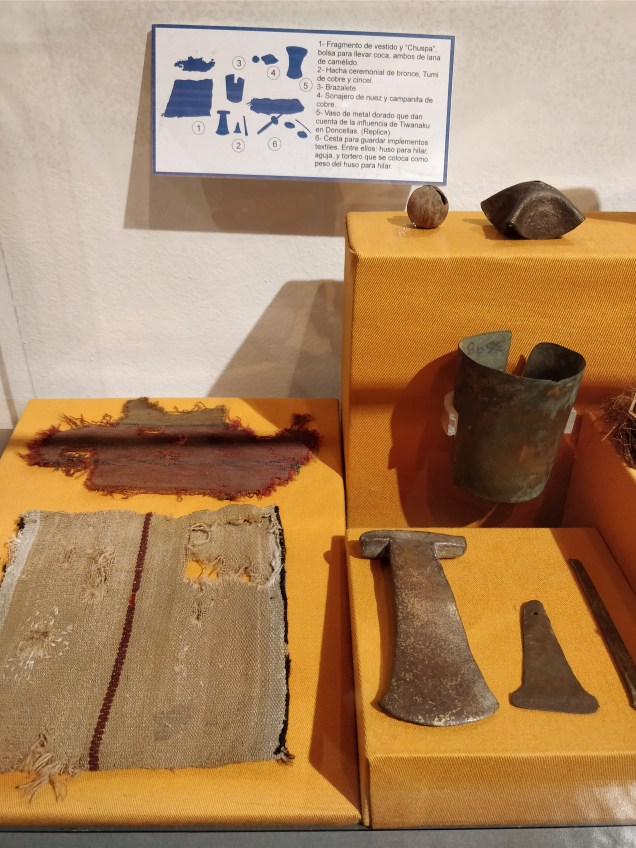
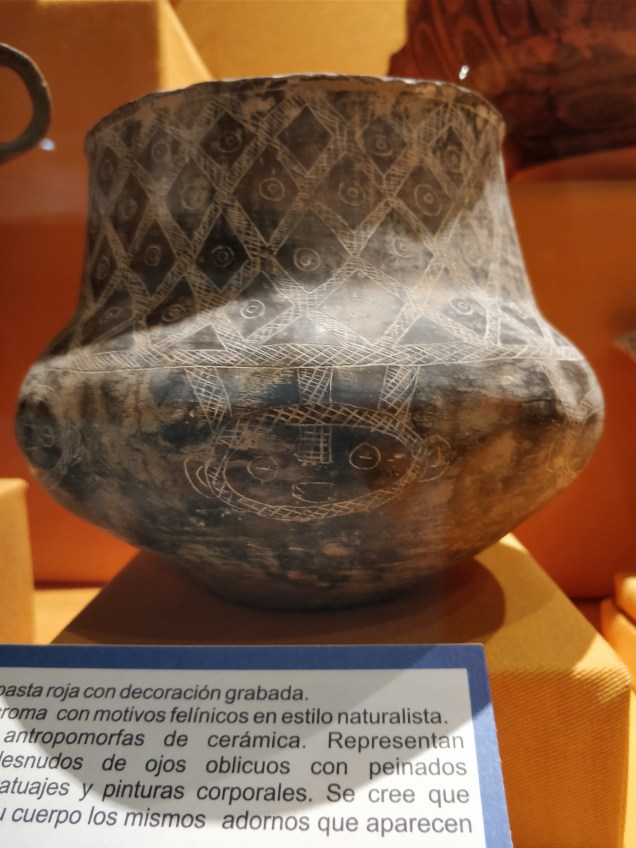
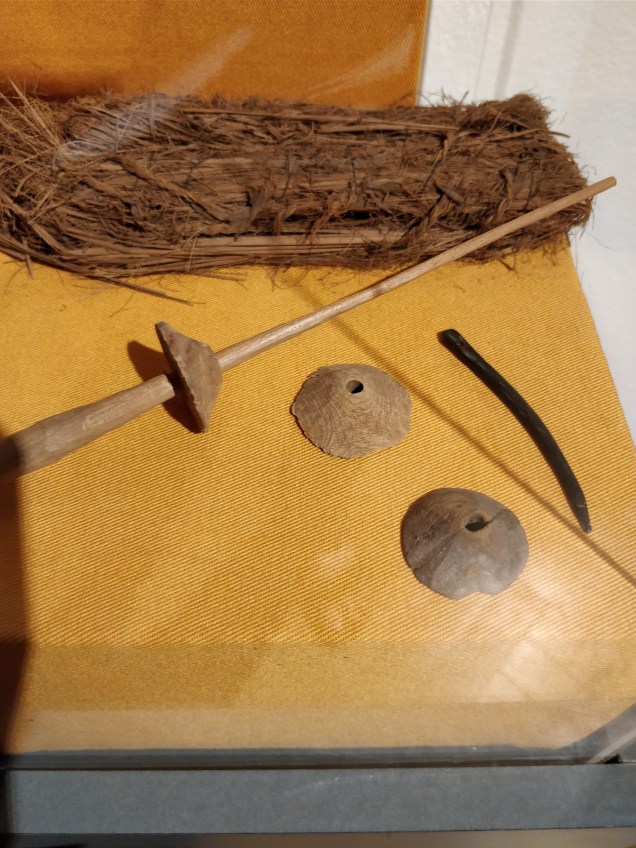

The exhibits then move into the contemporary culture and works of different peoples, which I am not going to try to get into too much because this has been a five-day weekend and my brain has melted. This includes the festival of Aréte Abáti, a harvest festival in the Chiriguano Chané community of Jujuy and Salta.
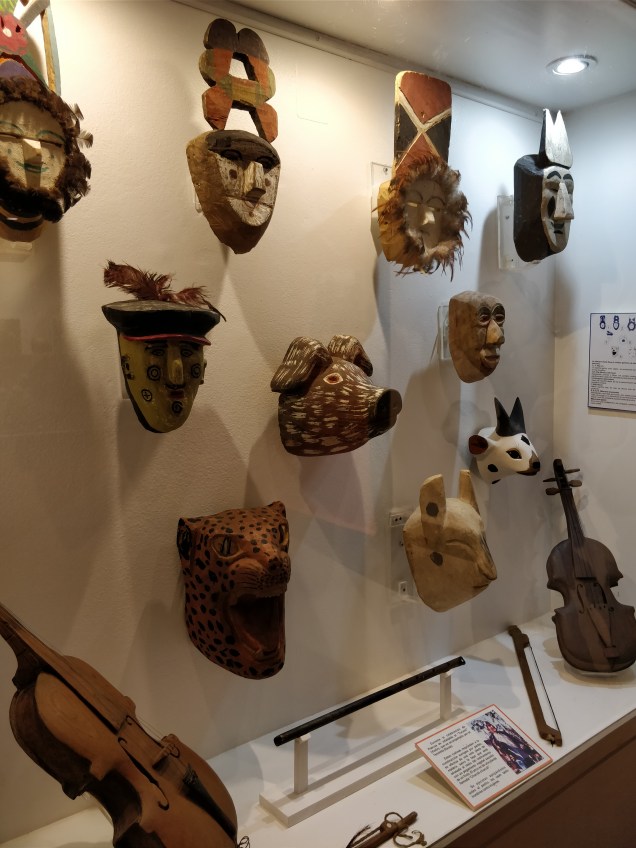

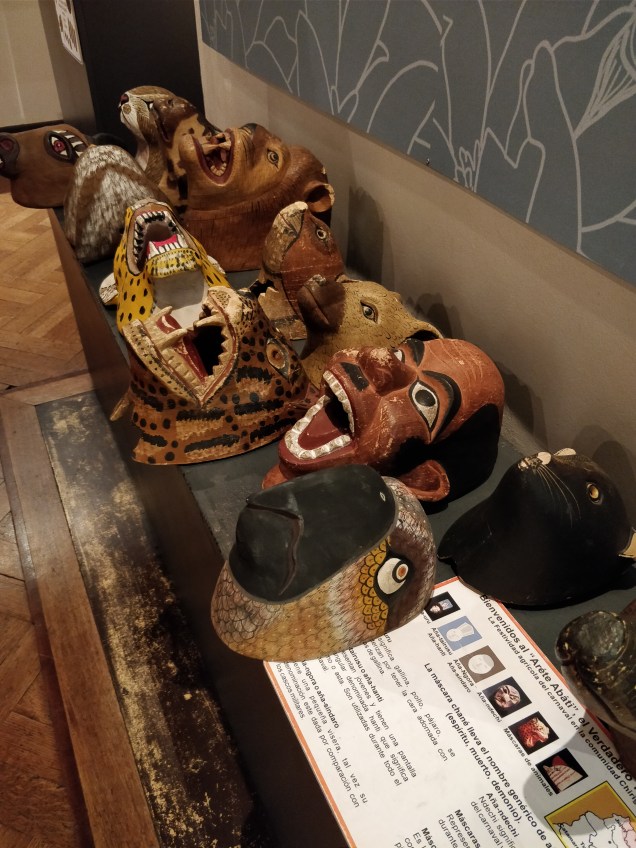
The masks are part of that festival, and, ever the fan of interactive museum exhibits, I was pleased to see a selection of masks available for handling.
Being a textile nerd, I also enjoyed the display and information on the weaving of the Wichí people (Jujuy and Formosa). A plant called chaguar is gathered (not cultivated) and its fibers are woven into a number of goods:

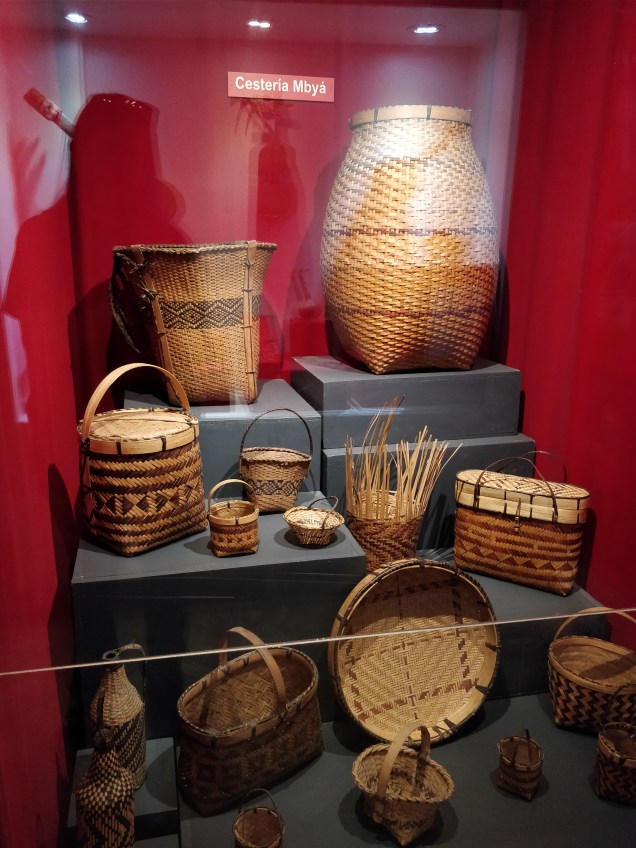
Representative crafts are also displayed from the Mbyá (Misiones region):
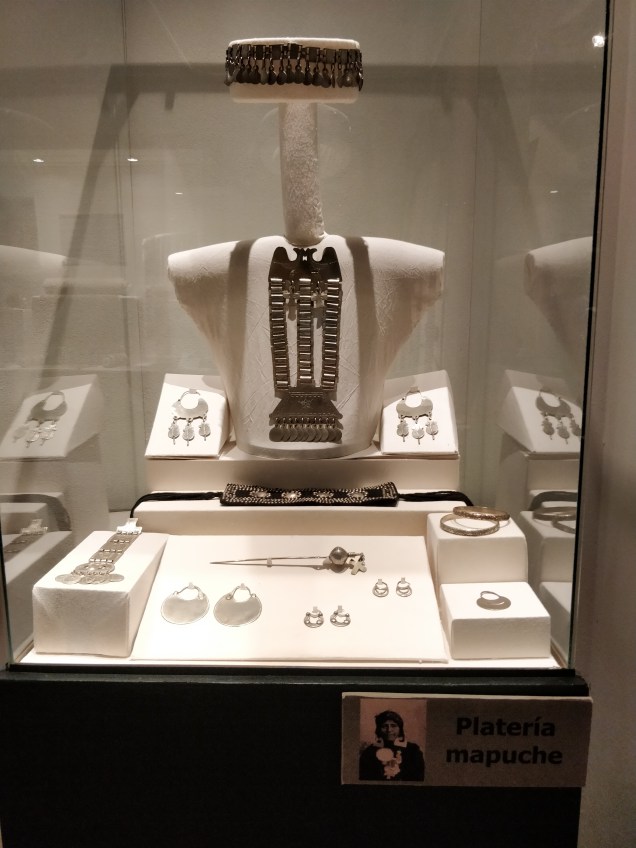
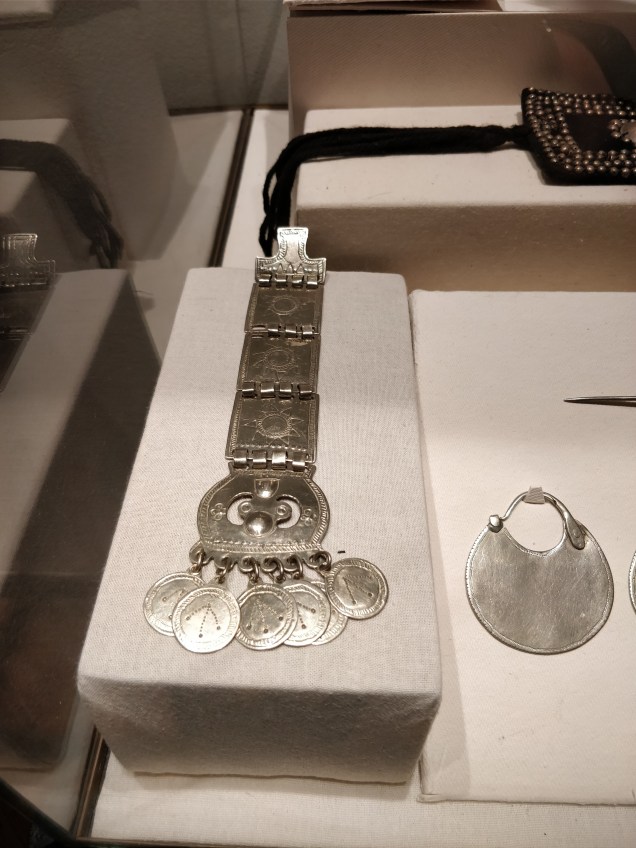
And the incredible silverwork and textiles of the Mapuche (southwestern Argentina):

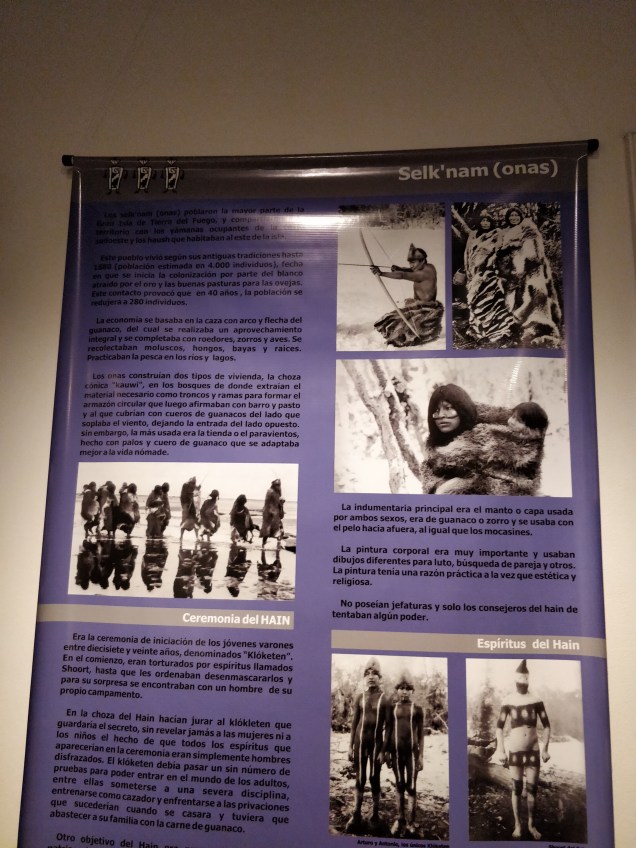
There is also an exhibit on a culture that did not survive its contact with European settlement, the Selk’nam, who lived in the southernmost part of the country.

The upstairs portion of the museum currently houses a temporary exhibit (although it’s been in place since last year and has no closing date) called Objetos Poderosos:


This exhibit includes contemporary objects created for traditional celebrations and observances in Latin America:
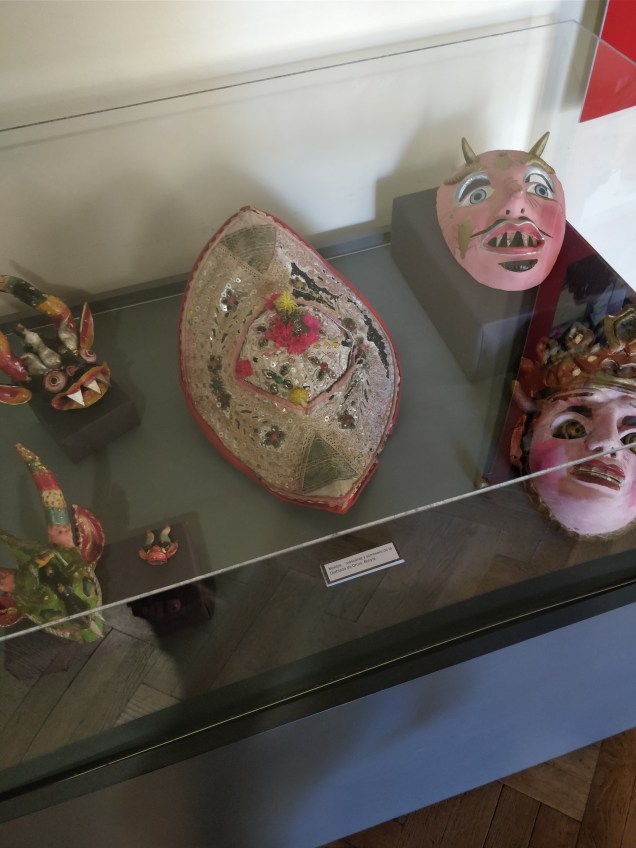


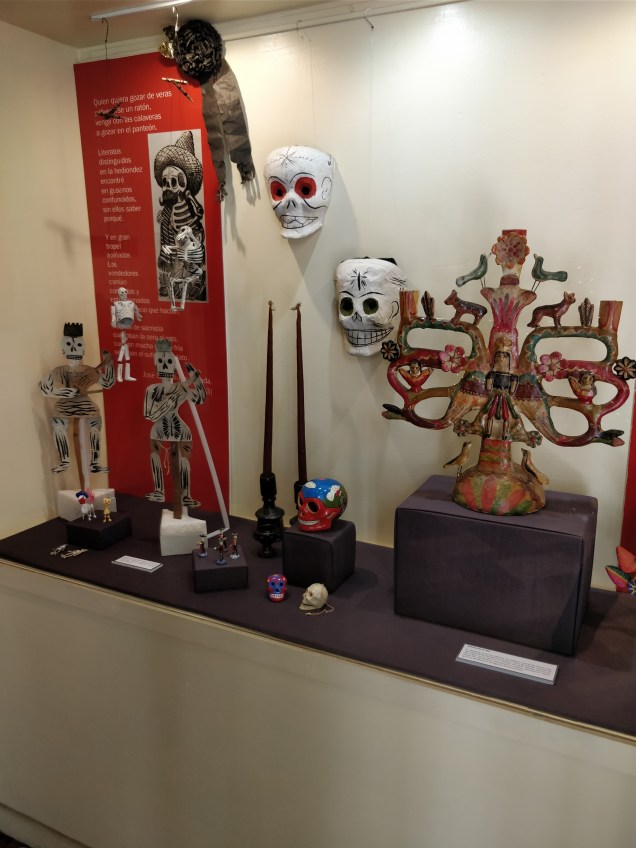
And a small display of very neat works by Graciela Henríquez, including this kinetic piece of awesome:

And once again, a mask-themed interactive photo opportunity:


And now, the deets:
LOCATION: 3 de Febrero 1378, Belgrano neighborhood
COST: It’s FREE, BABY
HOURS: Monday-Friday, 10-7
CLOSED DAY: Weekends and holidays
TIME: About an hour
LANGUAGES: All Spanish. The Microsoft translator app is best here.
TOURS: Yes, by arrangement, mostly in workshop form–it’s an education-focused institution. Not a casual tour kind of thing.
SWAG: Hey yeah there is! The entry hall has a couple of museum-branded bags as well as pieces of indigenous craft. There’s also a selection of (Spanish-language) books available.
HOW TO GET THERE: Close to the Olleros station of the D line of the subway.
KIDS: Sure! School visits are their jam, so they have tried to make the place kid-friendly.
FOOD IN THE AREA: Lots of cafes within a few blocks.
 The Exhibitist