God, you know what sucks? Knowing that you’ve been to a place a gajillion times and you definitely took a bunch of photos, but this was years ago and somehow, you can’t find any of them.
So I’m going to cobble together a post with what I can scrounge up and some royalty-free photos taken by actual photographers. At least the lighting will be good.
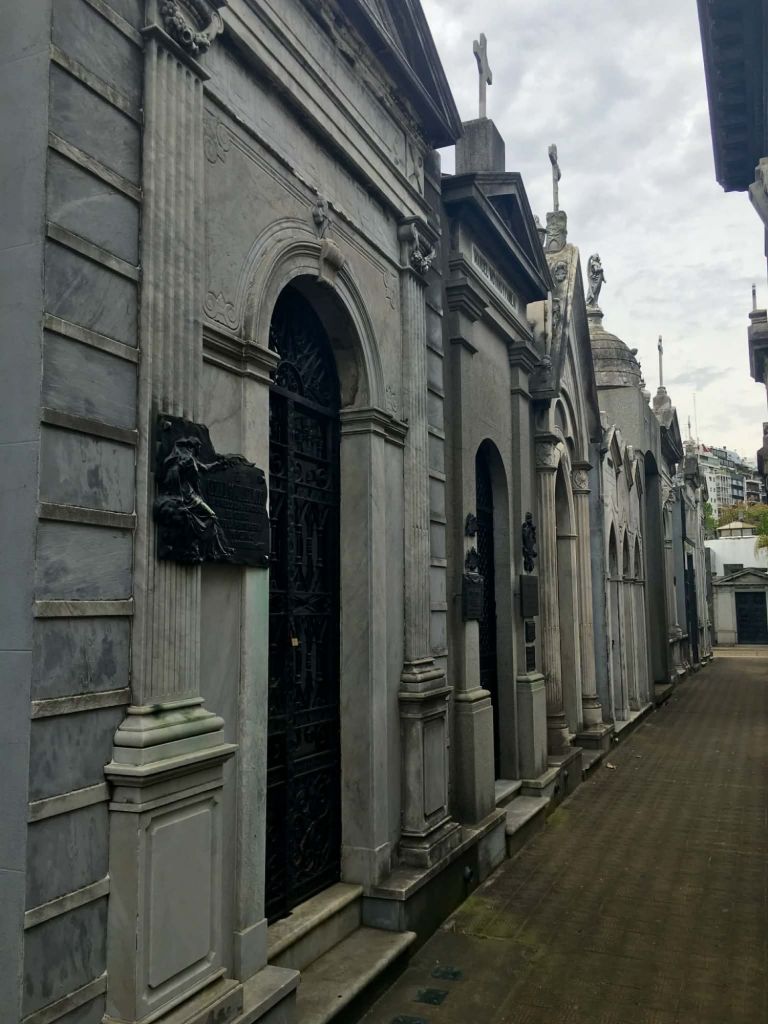
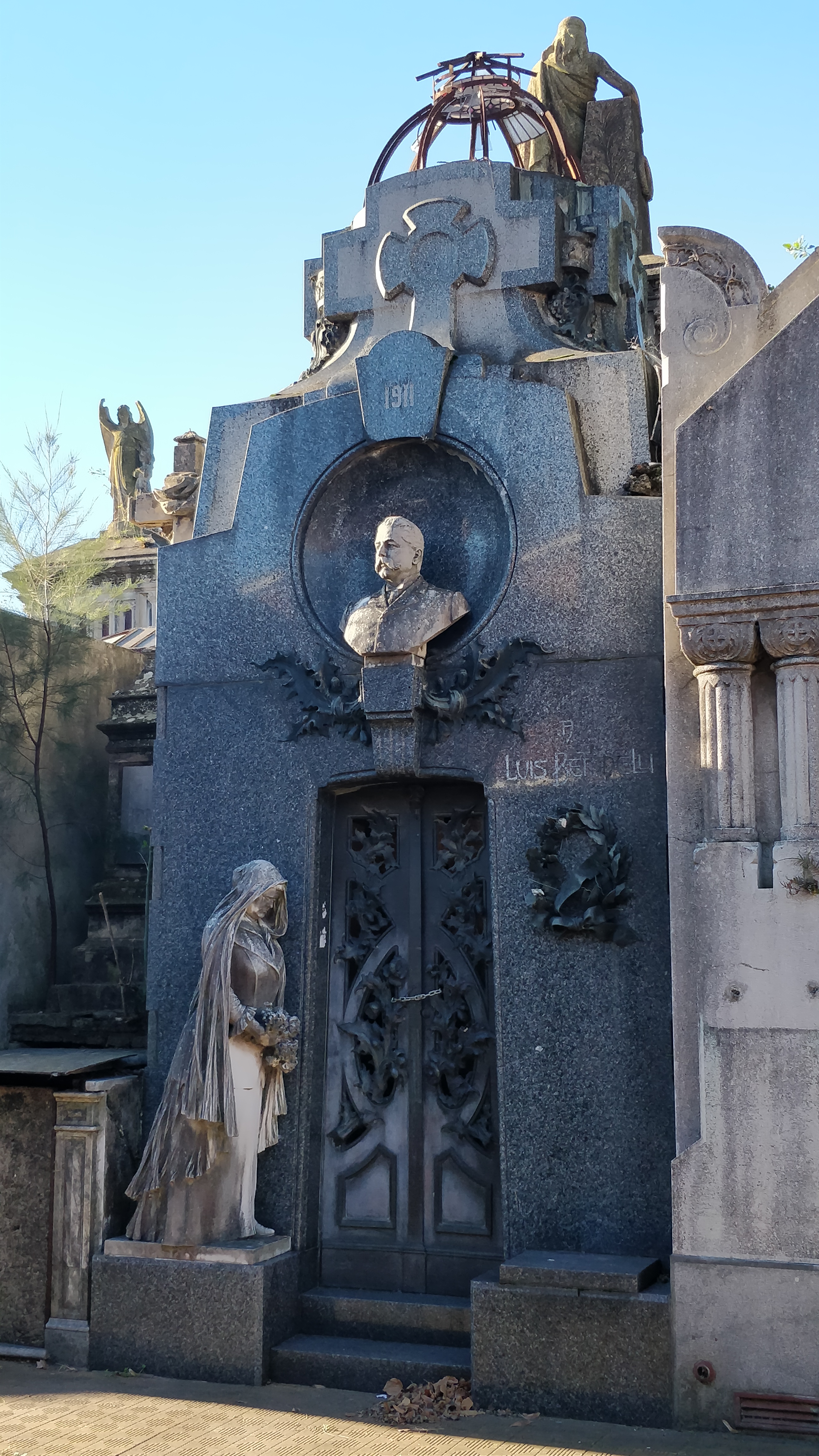
Recoleta Cemetery is renowned the world over, packed with mausoleums for Argentina’s wealthy and notable. It opened as the city’s first public cemetery in 1822, after the disbanding of the Franciscan order that settled there roughly 100 years before. Occupying 14 acres of some of the ritziest real estate in Buenos Aires, smack dab in the middle of the Recoleta neighborhood, the cemetery is a perennial stop for tourists and taphophiles alike–so much so that it is the first of three examples in the Wikipedia article on tombstone tourism (and yes, I have been to all three).
There is no lack of tour guides available at the gates, so even if you turn up without one you can probably still hire one on the spot. Alternatively, there’s an app.
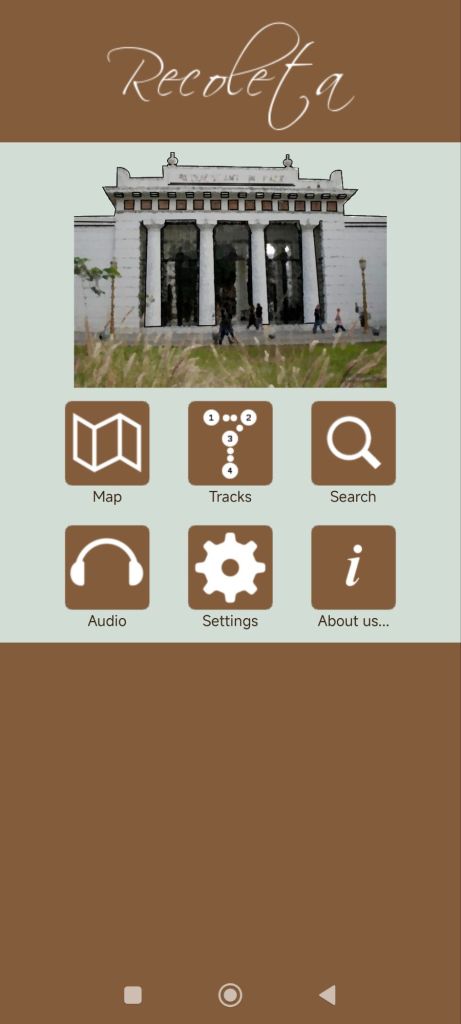
At the time of this writing, the audio is only available in Spanish, but the text guide is in Spanish, French and English, sort of. You can choose a route that highlights authors, scientists, presidents, or “our selection,” which includes a few from the other routes plus other notable tombs.
But nevermind the Great and Good and Total Bastards–let’s talk about the ones I wanna talk about.
Liliana Crociati de Szaszak was killed in an avalanche in Europe while on honeymoon, aged 26. She’s depicted in her wedding dress outside her Neo-Gothic tomb.
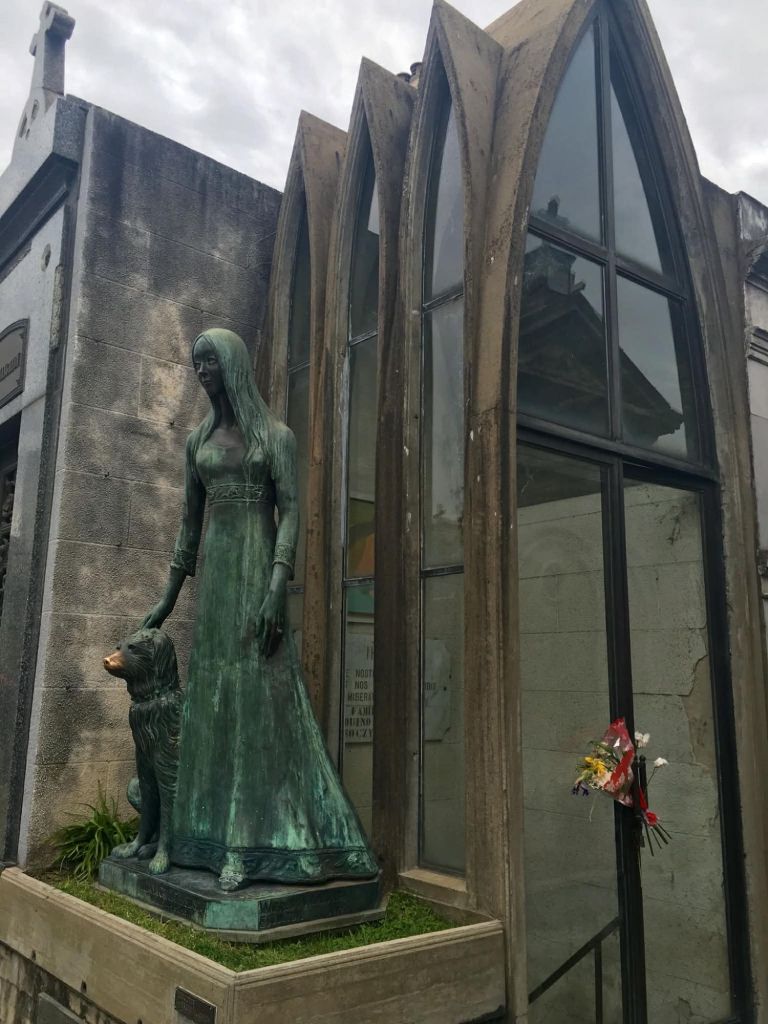
As we all know, young women make the best ghost stories and while I don’t know of any specifically linked to Liliana, 19-year-old Rufina Cambacérès is said to haunt the place.
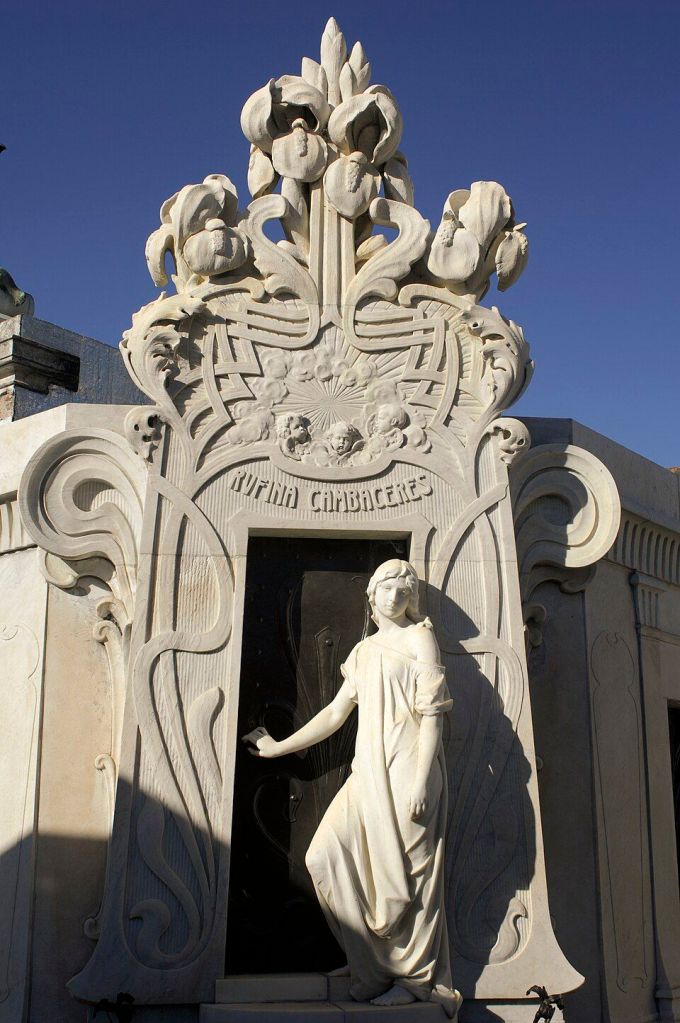
(Photo by Andrew Shiva, who is not my sister-in-law but I’m sure is cool.)
The story goes that Rufina collapsed and was pronounced dead, only to–you guessed it–not actually be dead. After discovering the displaced coffin (or investigating after hearing noises the previous night, depends on the version you hear), she was found having died, for real this time, in a panic after frantically clawing at the coffin lid.
General Tomás Guido, national hero and bestie of José de San Martín, took part in San Martin’s grueling campaign, the Crossing of the Andes, during the wars of independence. He wanted to be buried under those mountains where so many had died, and in the great tradition of loopholes, his son had stones from the Andes brought to Buenos Aires and built the tomb himself.
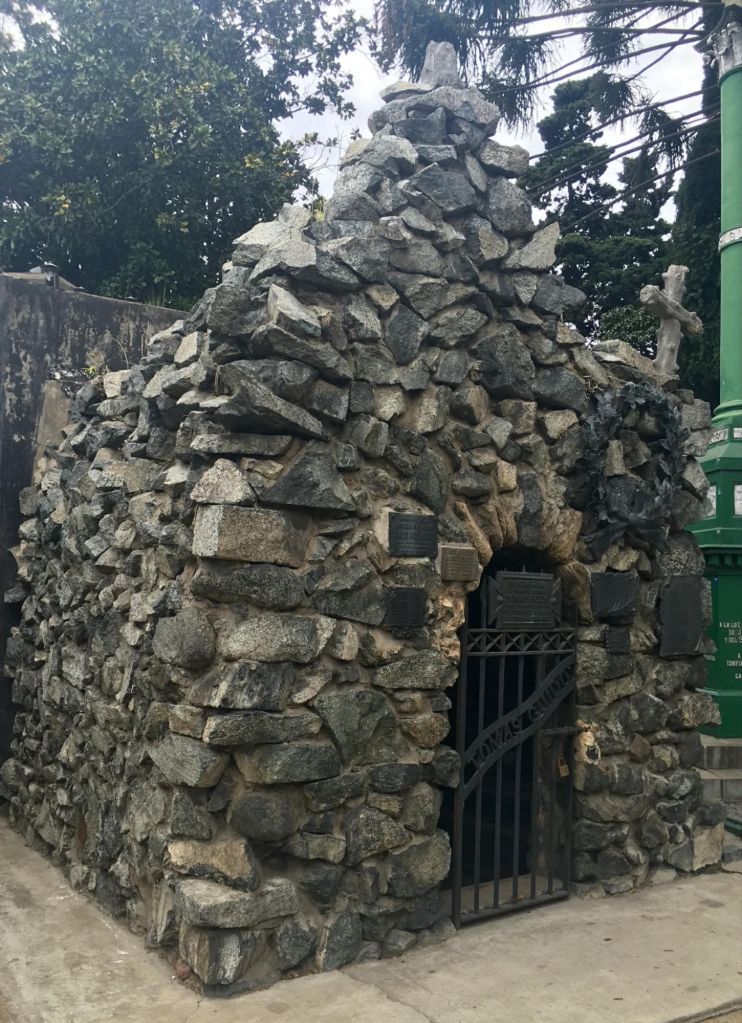
Annoying technicalities aside, it’s a unique tomb, sharply contrasting with its neighbors. Also, Guido is no longer there. But he still isn’t under the Andes! He was relocated to the Cathedral of Buenos Aires next to San Martín, because who doesn’t want to be buried with their boss.
Speaking of work-adjacent entombment, cemetery caretaker David Alleno saved up for years for his own statue and burial. He supposedly killed himself upon the vault’s completion. His statue depicts him with his keys, duster, broom and watering can.
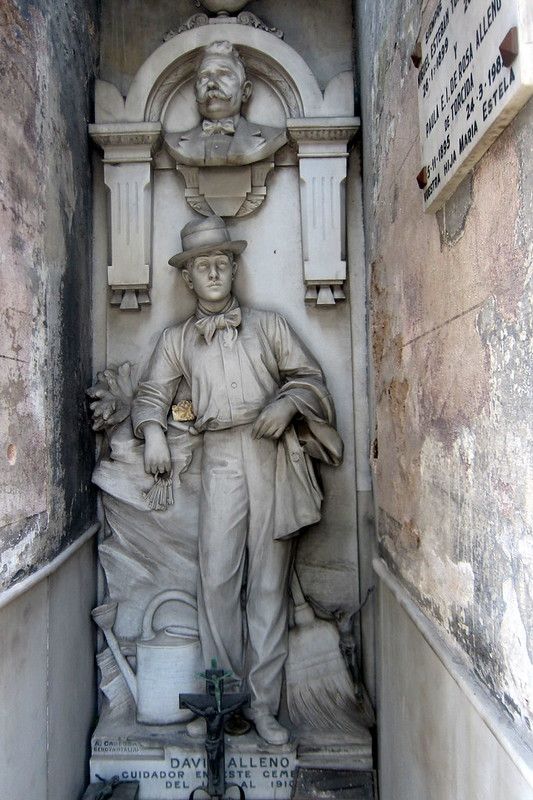
The story is tantalizingly incomplete. It seems like the purchaser of the crypt was his brother, Juan, and I don’t know why one brother would be wealthy enough to buy a family vault in the exclusive cemetery while the other is just a caretaker there. There’s a death certificate that cites “trauma and cerebral contusion” as the cause of death with apparently no follow up available. It’s said that his keys can be heard clinking at night or dawn, so perhaps David himself also feels his story is unresolved.
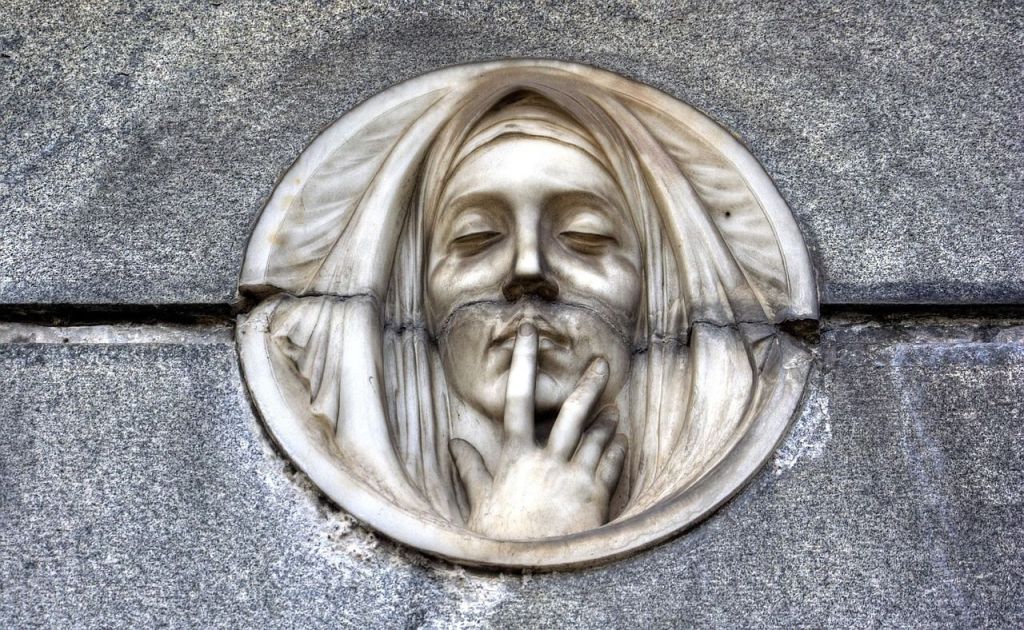
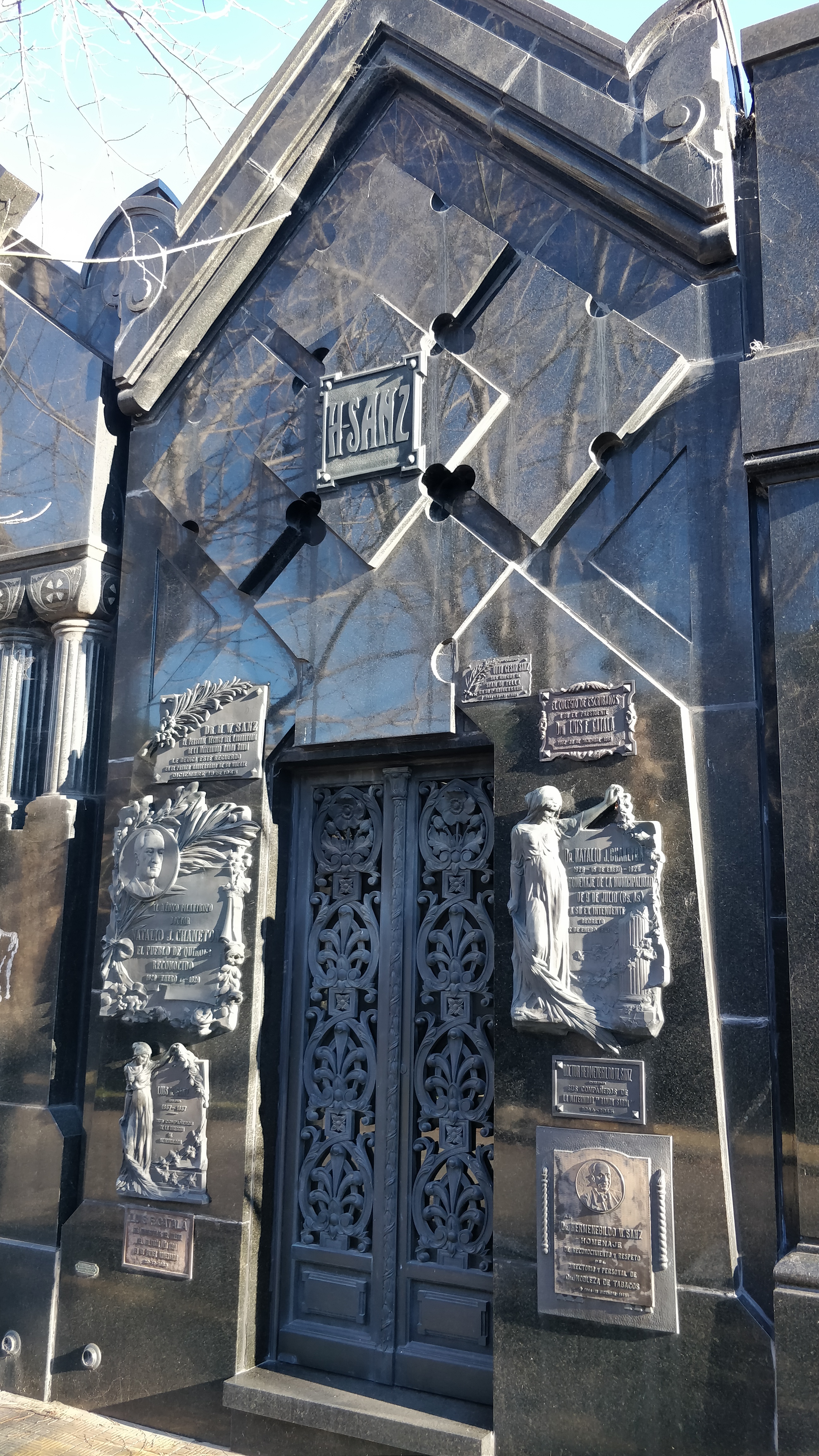
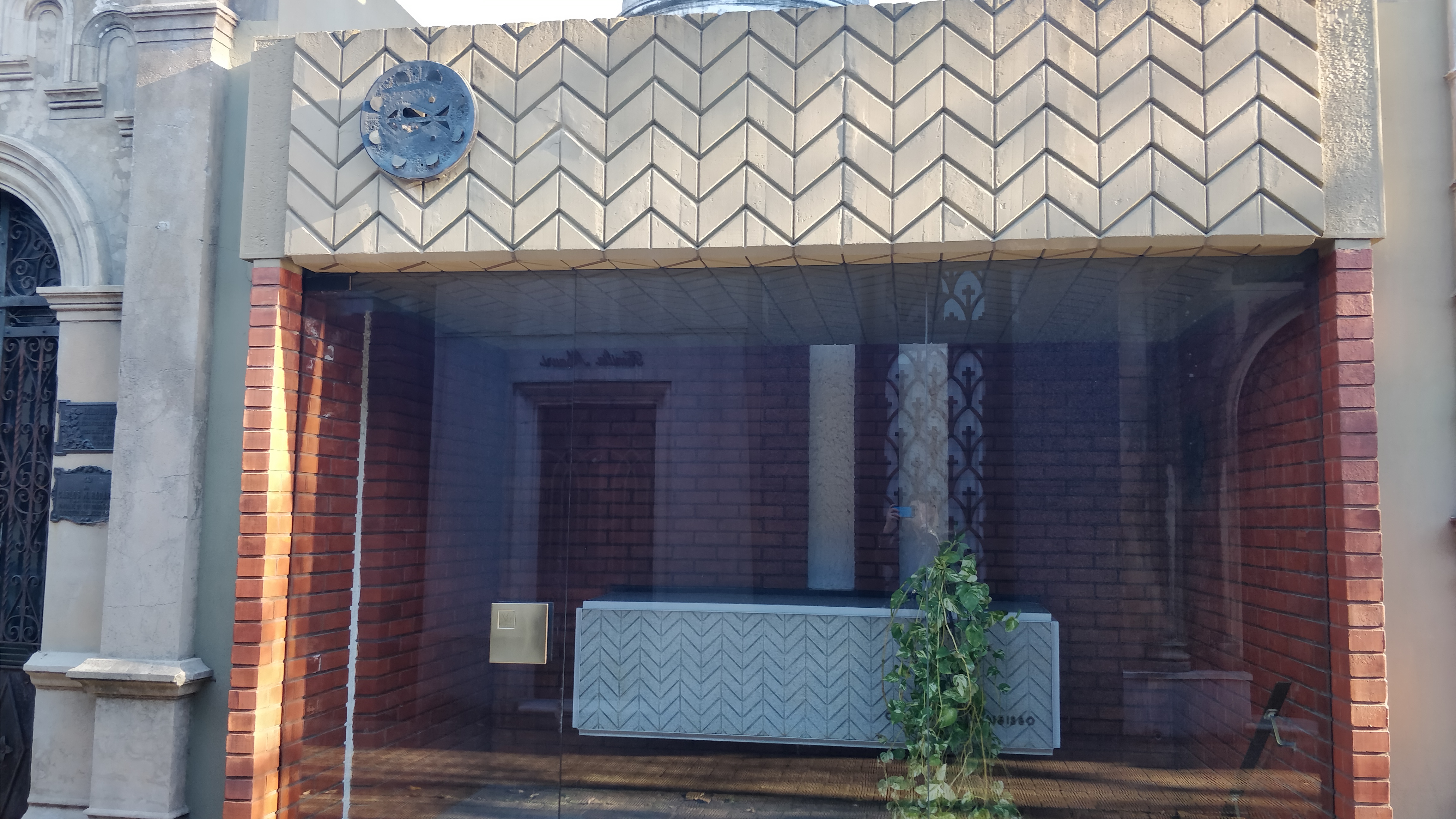
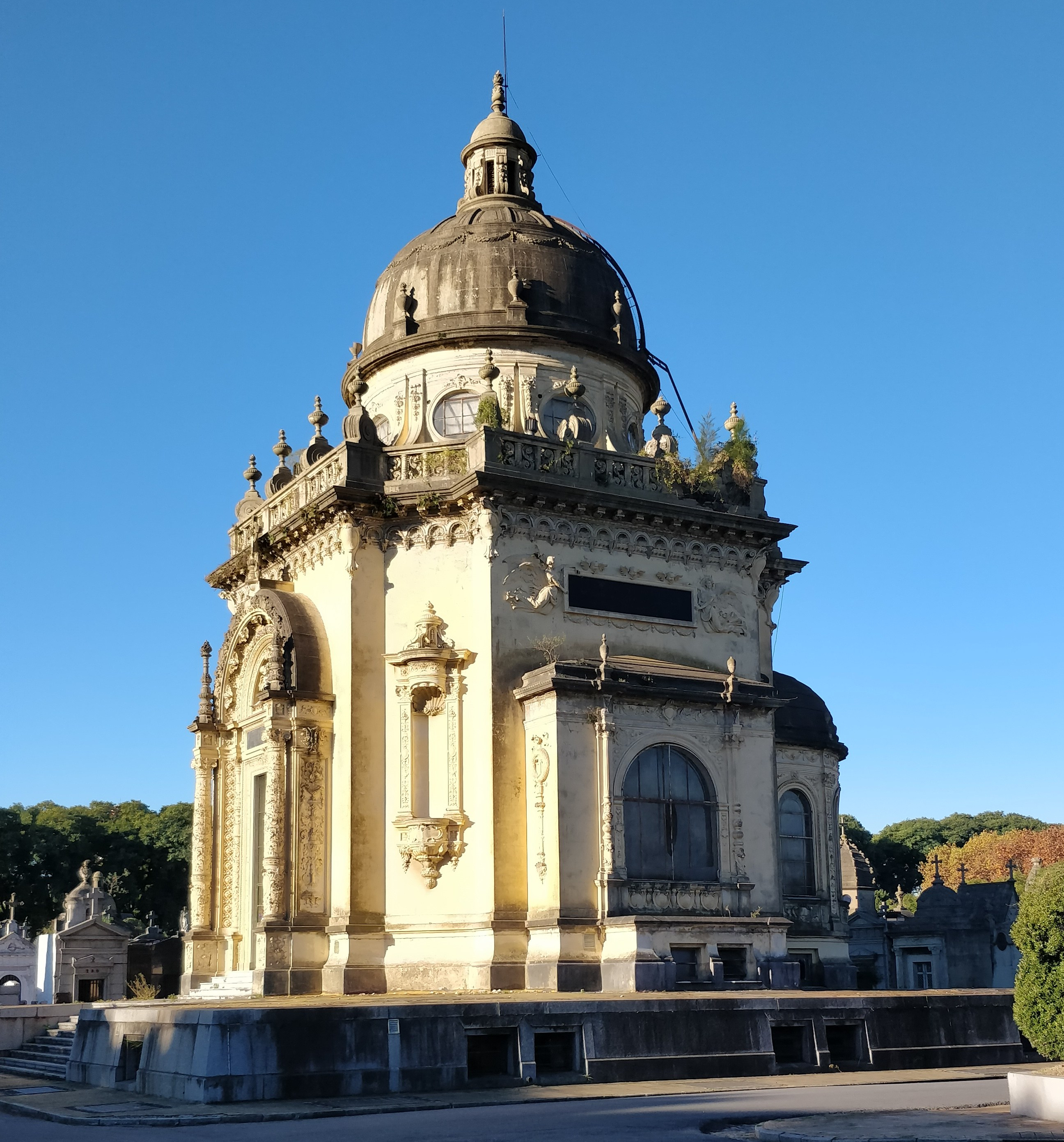
Of course, there are some massive family crypts, the kind you can commission when you own half of Argentina.
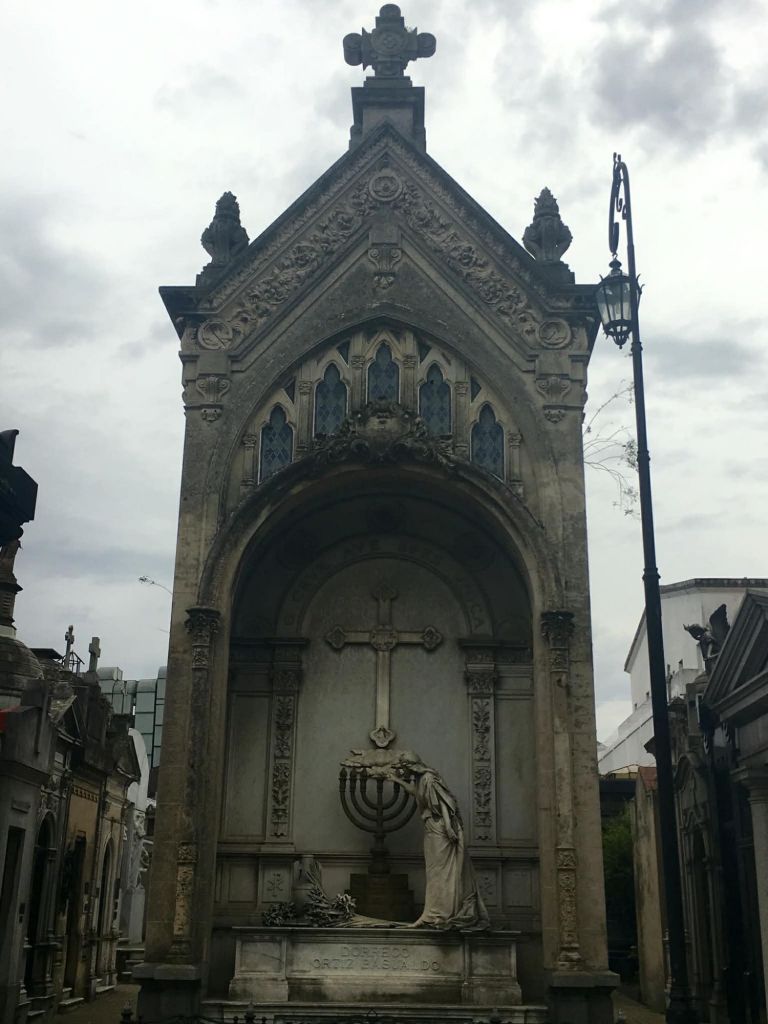
The Dorrego-Ortiz Basualdo family died as they lived: flexing on the rest of the neighborhood. One of the former family residences is the current French embassy.
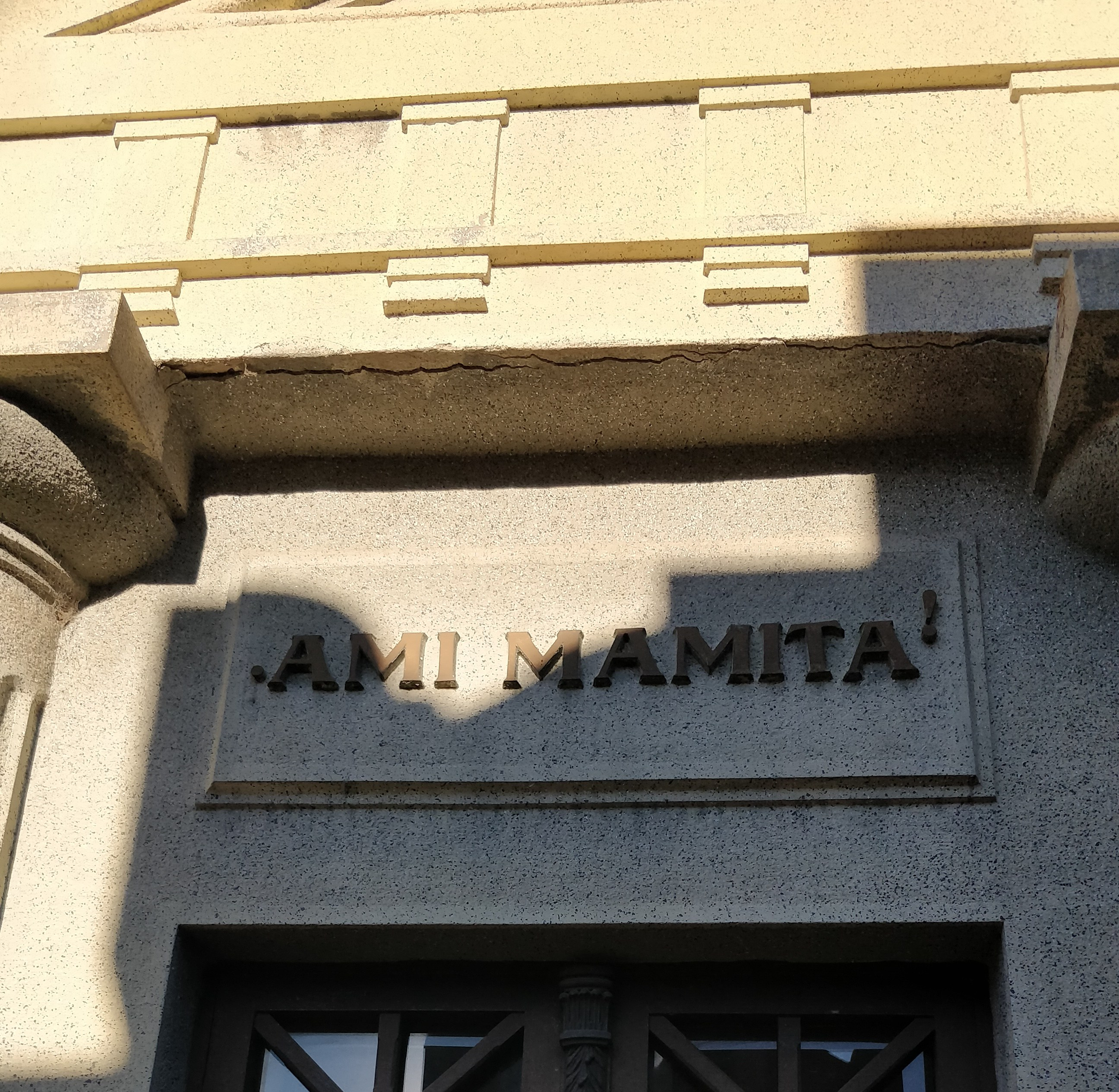
Then there is the mausoleum of Justa Lima de Atucha, who as far as I can tell had it built after her husband died and labeled it “Justa Lima de Atucha to her husband.”
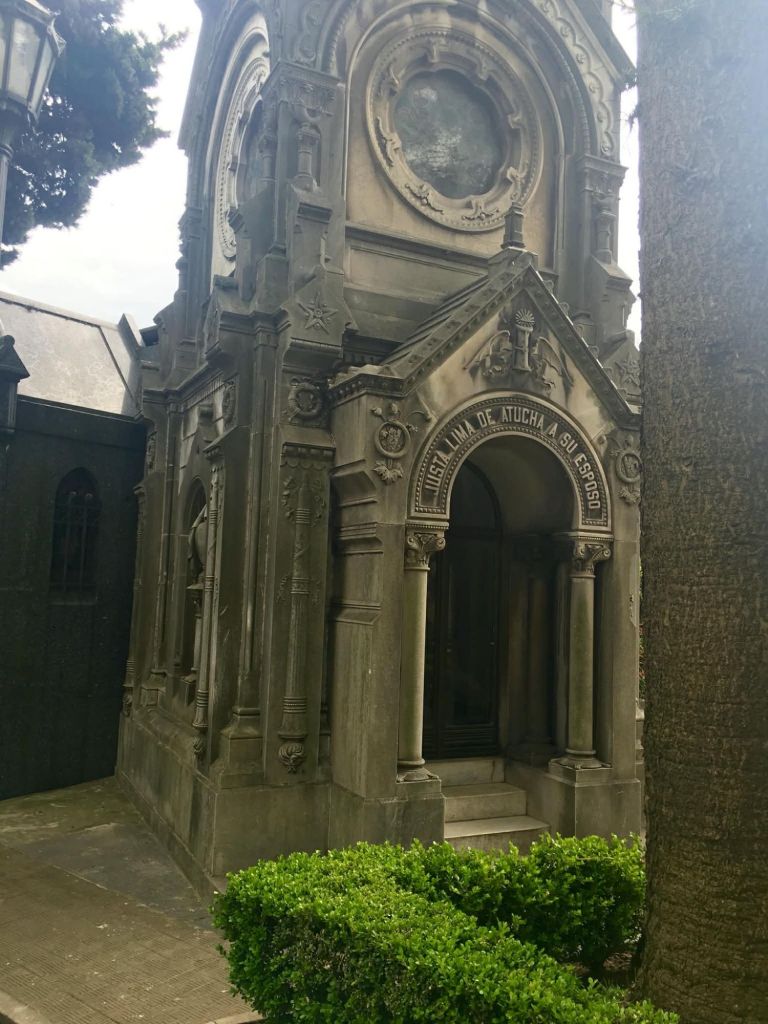
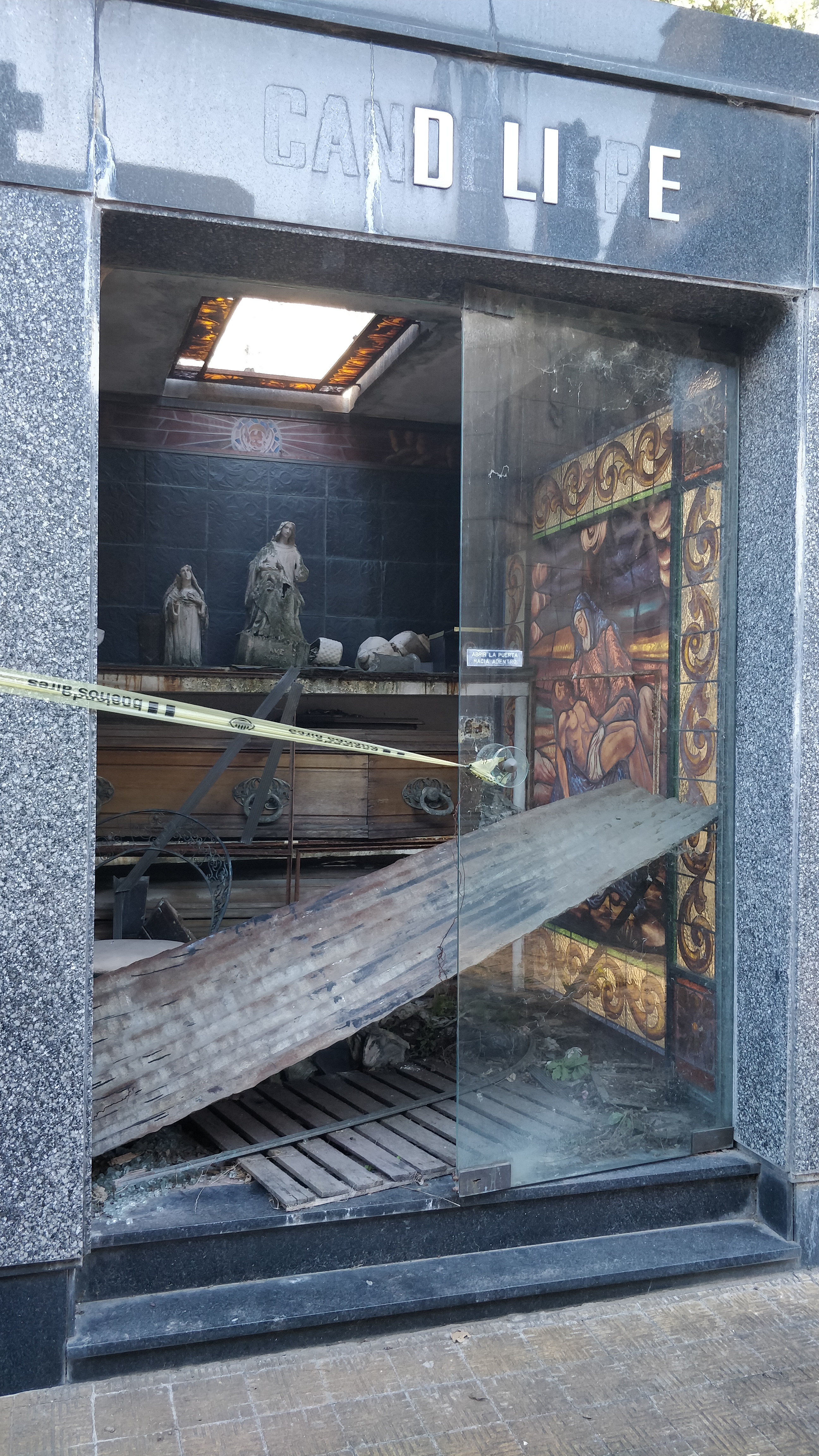
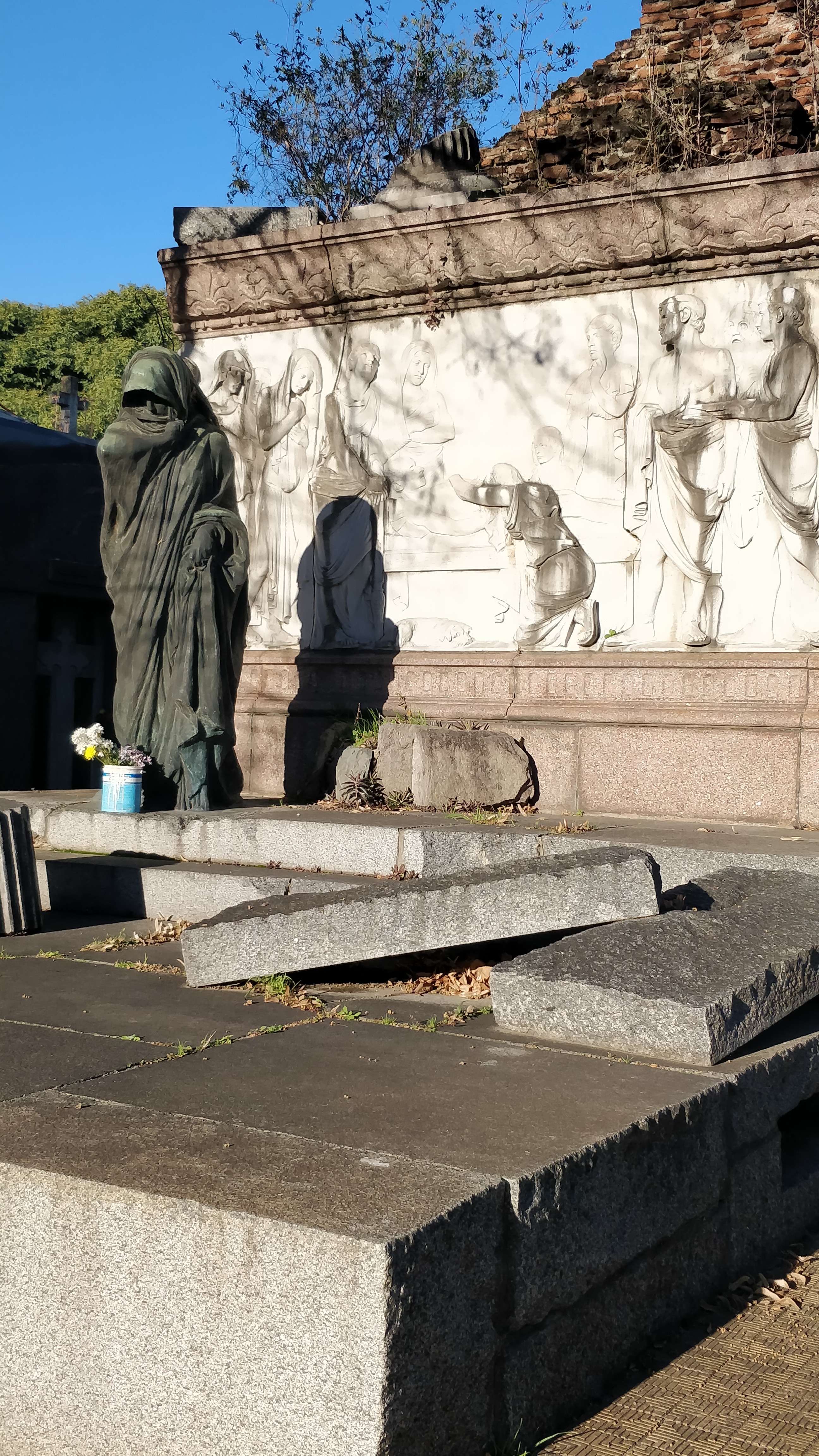
Despite the opulence of most of the vaults, there are many that are now neglected and broken, and in this way the cemetery mirrors the city itself. I have no photos of those, however, so you’ll have to go hunt them out yourself. Or Google it I guess.
Finally, there is another big draw at Recoleta, unmatched in dignity, presence, and grace.
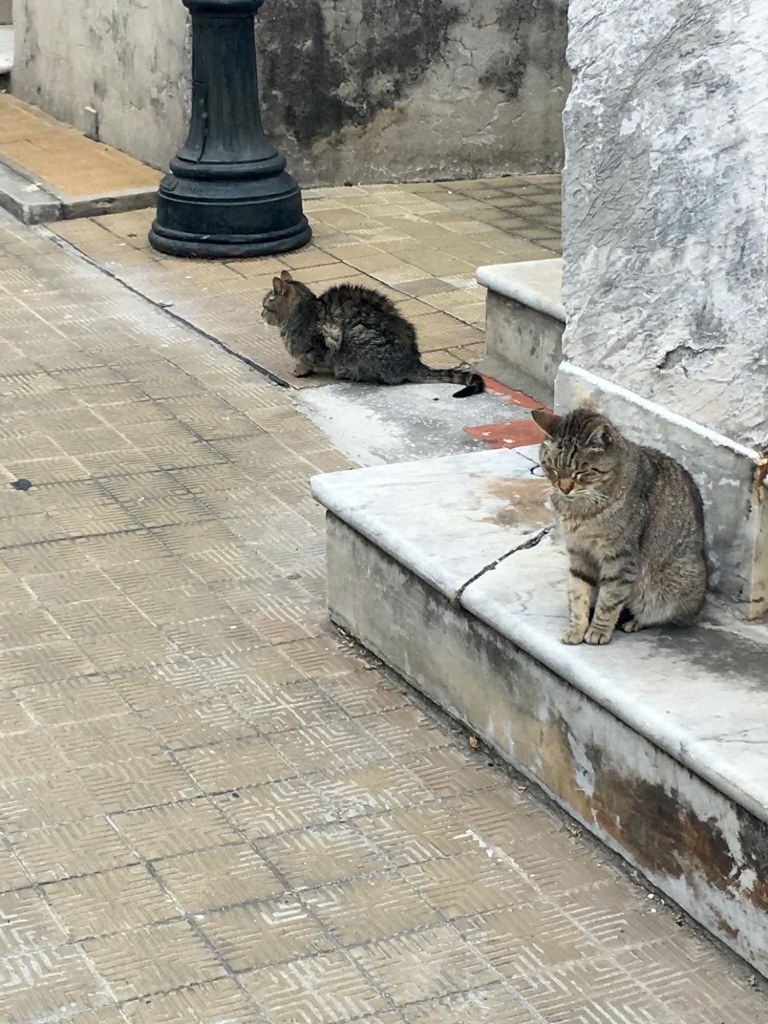
There are only six cats left in Recoleta Cemetery, and they are meant to be the last. If you happen to spot one during your visit, consider yourself fortunate. I don’t know how they’re going to keep the ghosts in line after that; presumably the final six felines will deign to haunt the place as well.
El Cementerio de la Recoleta is at Junín 1760 in, yes, the Recoleta neighborhood. It’s next to a mall, a large park that hosts a huge weekend feria, an absolute unit of a gomero tree, museums, hotels, that big flower sculpture and innumerable public transportation stops. It’s open daily from 9 to 5. You will not miss it unless you try.








 The Exhibitist
_52.jpg)